Political ClimatePolitical Climate in Fort Myers Beach, FL
District shown is the primary district for this city’s centroid. Cities may span multiple districts.
Local Political AnalysisPolitical Analysis of Fort Myers Beach, FL
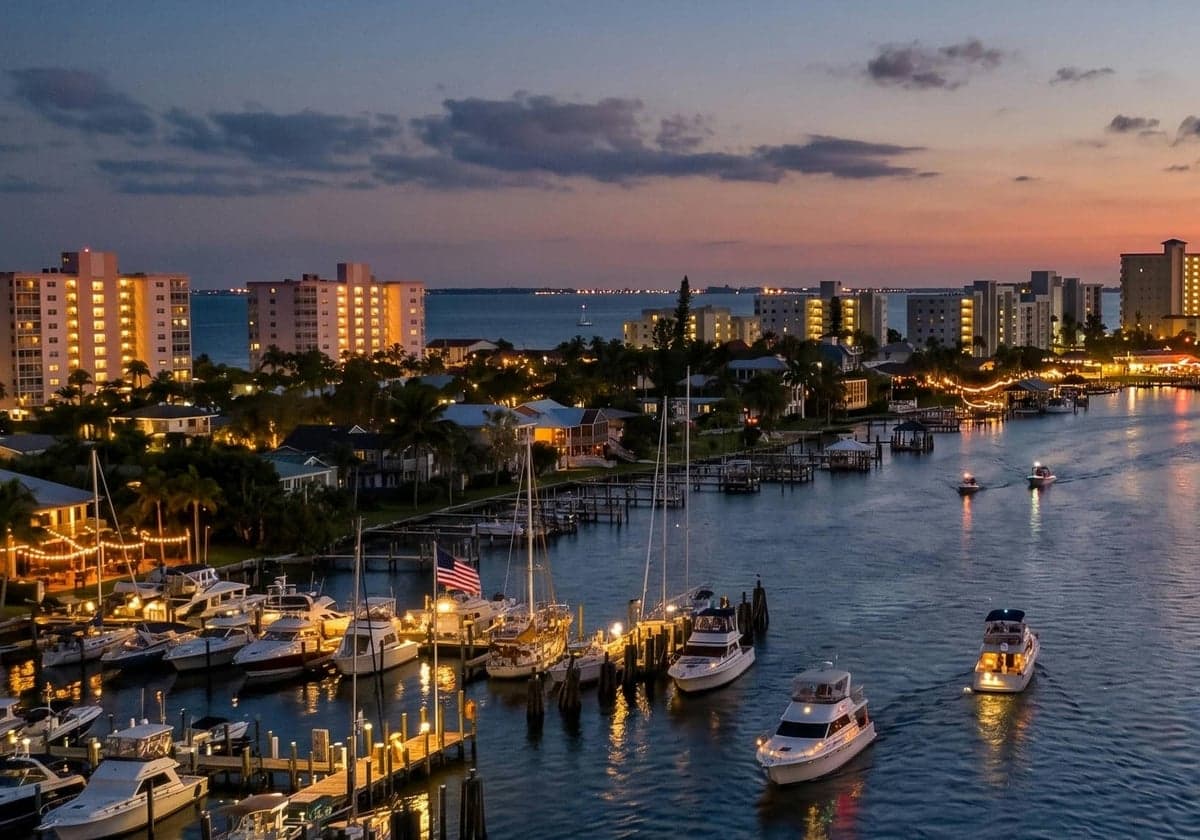
Fort Myers Beach has long been a reliably conservative stronghold, and that hasn’t changed much even as the rest of the state has seen some purple creep. With a Cook PVI of R+14, this little slice of paradise leans a solid 9 points more Republican than Florida as a whole, which sits at R+5. That’s not just a number on a map—it reflects a deep-rooted local culture that values personal freedom, limited government, and a live-and-let-live attitude, especially when it comes to property rights and beach access. You still see more "Don’t Tread on Me" flags than "Hope" posters around here, and that’s the way most folks like it.
How it compares
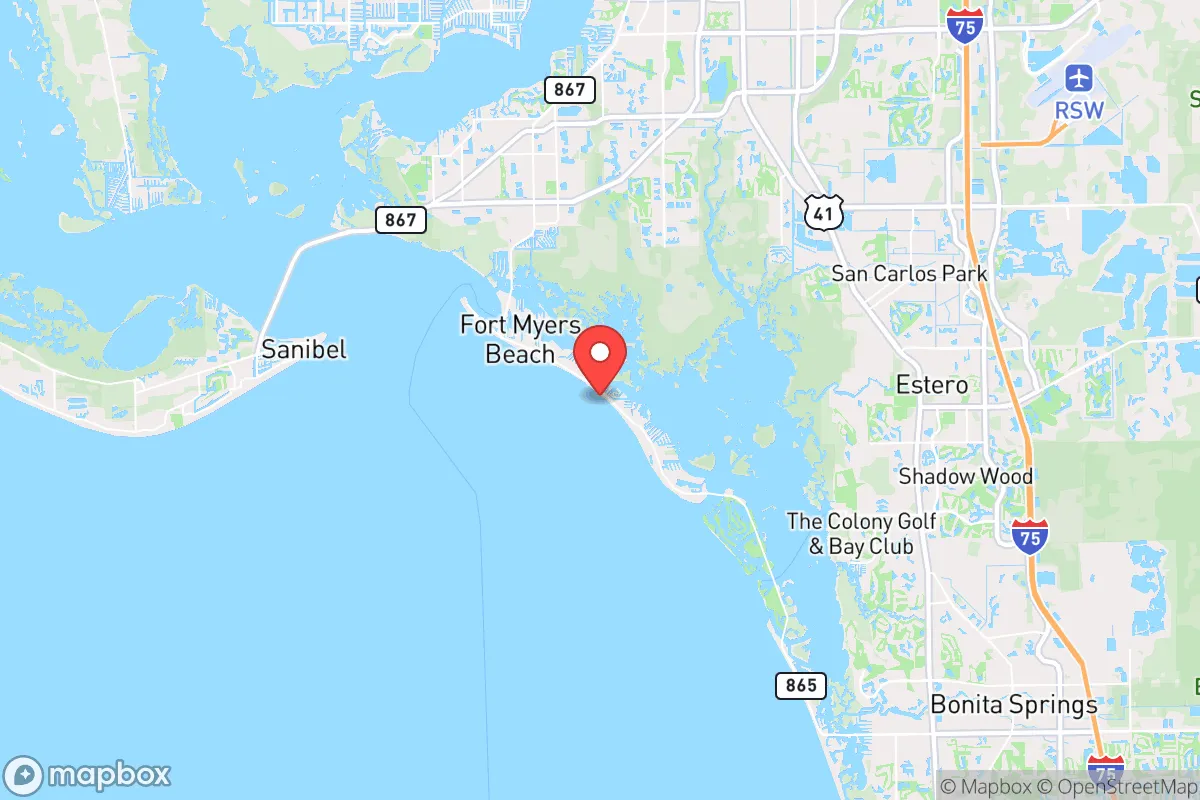
Drive 20 minutes inland to Cape Coral or Fort Myers proper, and you’ll start to feel the difference. Those areas have seen an influx of retirees and remote workers from blue states, and while they’re still red-leaning, they’ve got a softer shade of it—more willing to accept higher taxes for new parks or zoning restrictions on short-term rentals. Fort Myers Beach, by contrast, has been fighting those kinds of overreaches for years. The town council here has historically pushed back against state-level mandates on mask requirements and business closures, and the local sentiment is that government should stay out of your backyard—literally. Compare that to Naples, which is also conservative but more establishment-friendly, and you’ll see the Beach tends to vote with a sharper edge, favoring candidates who promise to cut red tape and protect Second Amendment rights without apology.
What this means for residents
For someone moving here, the political climate means you can expect a community that’s skeptical of new regulations, especially those tied to environmental or housing policies that feel like top-down control. The recent push to limit vacation rentals, for example, was met with fierce resistance from locals who see it as an infringement on property rights. You’ll also notice that public meetings get heated fast when anyone suggests raising impact fees or expanding government services. The upside is that taxes stay relatively low, and there’s a strong sense of neighborly independence—people here solve problems themselves rather than waiting for a government program. The downside, if you lean left, is that progressive ideas like rent control or sanctuary city policies are non-starters. Any shift toward that ideology is seen as a direct threat to the Beach’s character, and the local paper’s letters to the editor will let you know about it.
Culturally, Fort Myers Beach stands apart from the rest of Florida in its stubborn resistance to the kind of homogenization that’s creeping into places like Tampa or Orlando. You won’t find a lot of chain stores or corporate housing developments here—it’s still mostly mom-and-pop shops and old-school beach bars where the owner knows your name. That’s a direct result of a political culture that prioritizes local control over state or federal mandates. The long-term trajectory, though, is a bit uncertain. As more people move in from out of state, there’s a risk that the area could drift toward the middle, especially if younger families bring different priorities. But for now, the Beach remains a place where conservative values aren’t just tolerated—they’re the baseline. If you’re looking for a community that values freedom over bureaucracy, you’ll fit right in.

State Political ClimatePolitical Climate in Florida
State Political AnalysisPolitical Environment in the State
Florida is a solidly Republican-leaning state with a Cook PVI of R+5, but it’s not a monolith—it’s a battleground of transplants, retirees, and young families that has shifted from a classic swing state to a reliably red powerhouse over the last 20 years. The dominant coalition is a mix of conservative Cuban-Americans in South Florida, rural and suburban whites across the Panhandle and I-4 corridor, and a growing wave of conservative-leaning migrants from blue states. The trajectory has been a steady march rightward since the 2000 recount, with Democrats losing ground in every region except the urban cores, and the state now routinely delivering double-digit wins for Republicans in statewide races.
Urban vs. rural divide
The political map of Florida is a stark contrast between dense, liberal-leaning metros and sprawling, conservative suburbs and rural counties. Miami-Dade County has been a Democratic stronghold for decades, but it’s been trending right—Donald Trump improved his margin there by 20 points between 2016 and 2024, driven by Cuban and Venezuelan voters who reject socialism. Orlando (Orange County) and Tampa (Hillsborough County) are blue islands, powered by tourism, tech, and younger transplants, but they’re surrounded by red suburbs like Kissimmee and Lakeland that are growing fast. The Panhandle—places like Pensacola, Panama City, and Tallahassee (the capital, which is a blue outlier due to state workers and Florida A&M)—is deeply conservative, with counties like Santa Rosa and Okaloosa routinely voting 70%+ Republican. The I-4 corridor, stretching from Daytona Beach through Orlando to Tampa, is the classic swing region, but it’s now leaning red as suburban moms and dads prioritize school choice and low taxes. Rural North Florida, from Gainesville (a blue college town) to Lake City, is solidly red, with agriculture and military families driving the vote.
Policy environment
Florida’s policy environment is a conservative dream: no state income tax, a right-to-work law, and a regulatory climate that’s among the most business-friendly in the nation. Governor Ron DeSantis has signed a flurry of laws that lock in conservative priorities—the Parental Rights in Education Act (HB 1557, 2022) bans classroom instruction on sexual orientation and gender identity in K-3, and the Stop WOKE Act (HB 7, 2022) restricts critical race theory in schools and workplaces. Education policy is a major draw: the Family Empowerment Scholarship program gives taxpayer-funded vouchers to any family for private or homeschool use, making Florida a national leader in school choice. Healthcare is mixed—Medicaid expansion was rejected, but the state has a robust private insurance market and a growing network of faith-based clinics. Election laws were tightened after 2020: SB 90 (2021) requires voter ID, limits drop boxes, and restricts mail-in ballot requests, which critics call suppression but supporters call integrity. Property taxes are moderate, and there’s a $50,000 homestead exemption that keeps primary residences affordable. For a conservative moving in, the message is clear: your tax dollars stay in your pocket, your kids aren’t indoctrinated, and your vote is secure.
Trajectory & freedom
Florida is becoming more free by any conservative metric, and the trend is accelerating. The Second Amendment is protected by a 2011 law that preempts local gun ordinances, and in 2023, DeSantis signed a permitless carry law (HB 543), allowing any adult who can legally own a gun to carry it concealed without a license. Parental rights expanded with the Don’t Say Gay law and a 2023 ban on gender-affirming care for minors (SB 254), which the state is defending against federal lawsuits. Medical freedom took a hit during COVID—DeSantis banned vaccine passports and mask mandates in schools, but he also signed a law (SB 988, 2023) that prohibits employers from requiring COVID vaccines as a condition of employment. Property rights are strong: the state has a robust homestead exemption and a 10% cap on annual property value increases for primary residences. The only area where freedom is contracting is in local control—the state has preempted cities from passing rent control, sanctuary policies, and even heat protection for outdoor workers, which some see as overreach but most conservatives view as preventing socialist experiments. The bottom line: Florida is doubling down on individual liberty, and the legislature is actively rolling back any progressive encroachment.
Civil unrest & political movements
Florida has seen its share of political flashpoints, but they’re mostly organized and legal, not chaotic. The 2020 Black Lives Matter protests in Miami, Orlando, and Tampa were large but largely peaceful, with some looting in downtown Miami. The state’s response was swift: DeSantis signed the Combating Public Disorder Act (SB 484, 2021), which enhanced penalties for rioting, blocking roads, and damaging monuments, and created a new crime of “mob intimidation.” Immigration politics are hot—Florida passed SB 1718 (2023), the toughest anti-illegal immigration law in the country, requiring E-Verify for all employers, banning local sanctuary policies, and making it a felony to transport undocumented immigrants into the state. This has led to a visible exodus of undocumented workers from agriculture and construction, especially in Immokalee and Homestead. Election integrity remains a live issue: the state’s Office of Election Crimes and Security, created in 2022, has prosecuted dozens of cases of double voting and illegal registration, and the 2024 election saw record turnout with zero major incidents. Organized activist movements are strong on both sides—the Florida Democratic Party is struggling, but groups like Moms for Liberty (founded in Florida) and the Florida Family Policy Council are powerful on the right. A new resident will notice that political conversations are common and civil, but the culture war is real—school board meetings in Sarasota and St. Johns County can get heated over library books and curriculum.
Projection
Over the next 5-10 years, Florida will only get redder and more conservative, driven by in-migration from blue states and the naturalization of conservative-leaning Hispanic voters. The state is adding roughly 1,000 new residents per day, and the majority are coming from New York, California, and Illinois—many of them fleeing high taxes and progressive policies. These transplants tend to be older, wealthier, and more conservative than the national average, and they’re settling in red-leaning suburbs like The Villages (the largest retirement community in the world, which votes 70%+ Republican) and fast-growing exurbs like Clermont and Palm Coast. The Democratic strongholds in Miami-Dade and Orange County are shrinking as a share of the electorate, and the GOP is poised to gain supermajorities in both legislative chambers by 2028. The biggest wildcard is climate change—rising sea levels and hurricane risk could slow growth in coastal areas like Miami Beach and Fort Lauderdale, but inland cities like Ocala and Gainesville are booming. A new resident moving in now should expect a state that is unapologetically conservative, with a government that actively fights federal overreach and protects individual rights. The culture war will continue, but the policy direction is locked in for at least a decade.
For a conservative individual or parent considering a move, Florida offers a rare combination of low taxes, school choice, gun rights, and a government that respects personal liberty. The political climate is stable and trending in your favor—you won’t find yourself fighting against the tide of progressive legislation like you would in California or New York. The trade-off is that you’ll live in a state where politics is a constant topic of conversation, and you’ll need to be comfortable with a culture that values freedom over safety nets. If that sounds like home, Florida is ready for you.
* Values derived from national, state, county, city and local statistics and may differ in a specific area. Last updated: 2026-05-14T01:45:16.000Z
Narrative content on this page is AI-generated and may contain mistakes. Verify any details that matter before acting on them.
ReloMaps may earn a commission from affiliate links at no extra cost to you.

