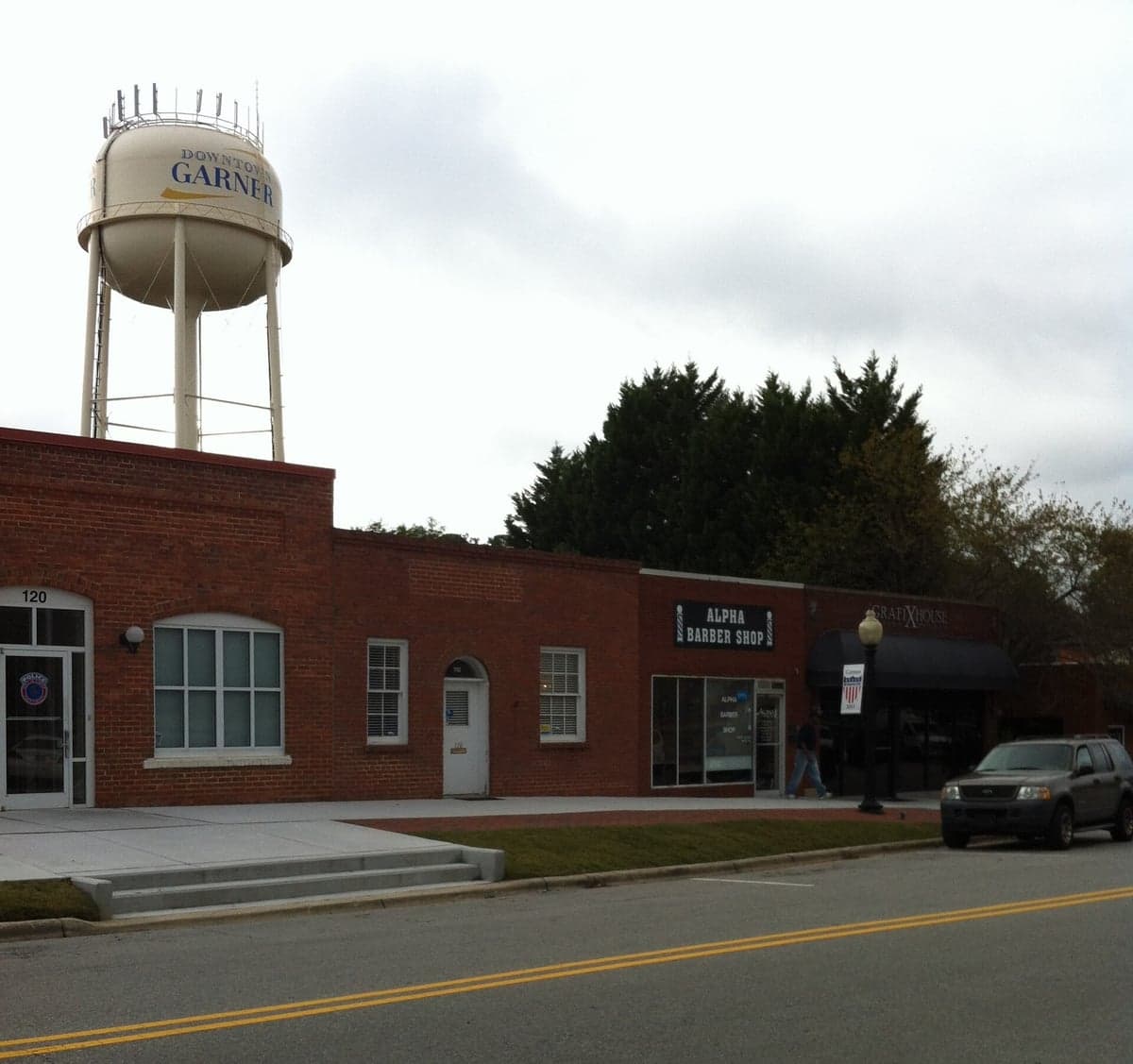
Photo: Wikipedia
Quality of Life in Garner, NC
A high quality of life with strong walkability, manageable living costs, healthy neighborhood signals, and solid amenity access.
What does Quality of Life tell us?
Quality of Life blends cost of living, nearby amenities, socioeconomic signals, and neighborhood character. City-level scores represent the whole municipality; individual neighborhoods can differ.
What does this tell us?
Quality of Life blends cost of living, nearby amenities, socioeconomic signals, and neighborhood character. City-level scores represent the whole municipality; individual neighborhoods can differ.
Cost of Living
20% above national average
The Real Cost of Living in Garner, NC for 2026
| Tier | Individual | Family (4) |
|---|---|---|
| Survival | $23k | $44k |
| Comfortable | $62k | $91k |
| Luxury | $136k+ | $211k+ |
| Elite (Top 5%) | $160k+ | $248k+ |
85%
The Area Signal
A metric tracking the socioeconomic signals of the area.
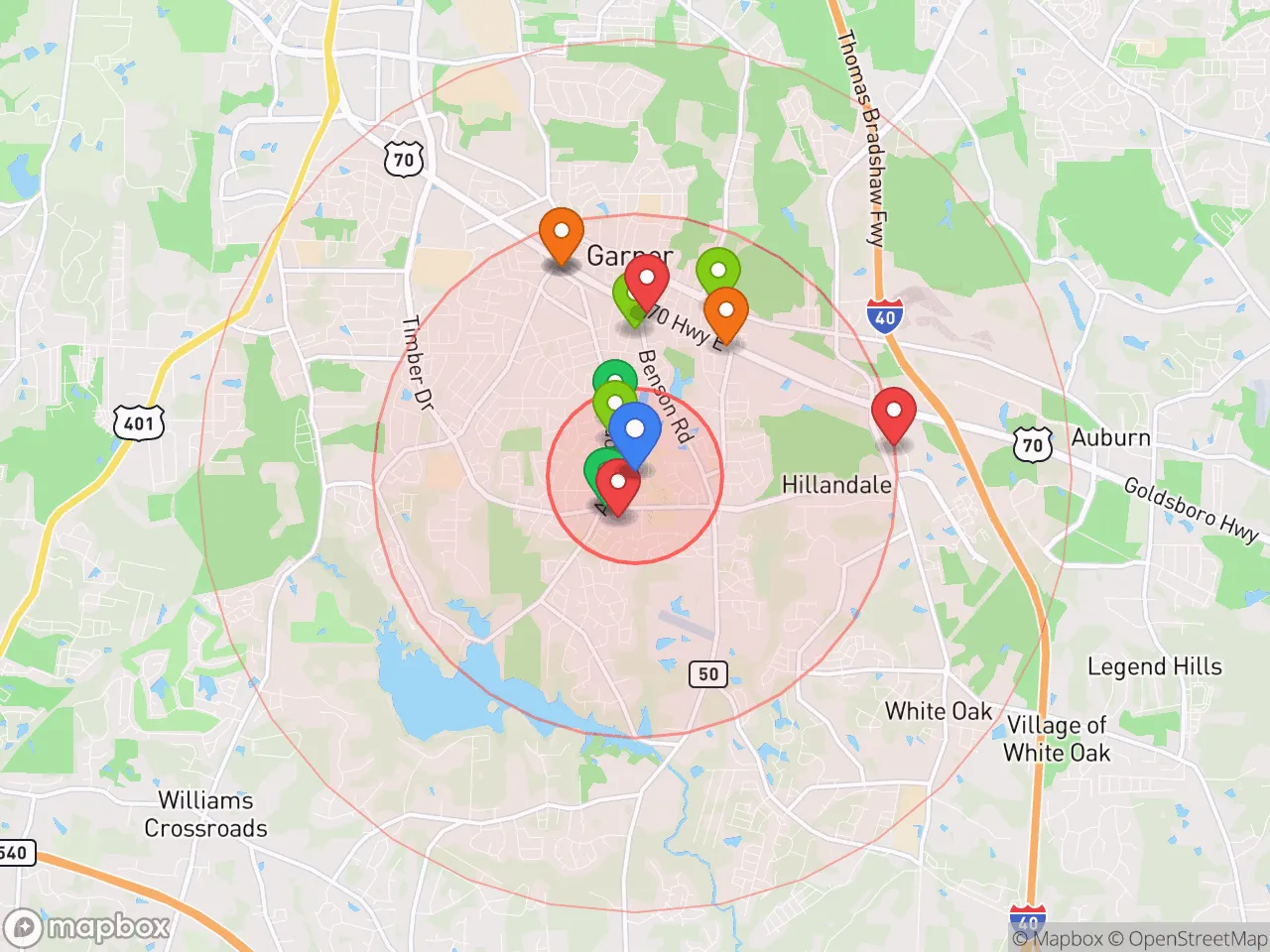
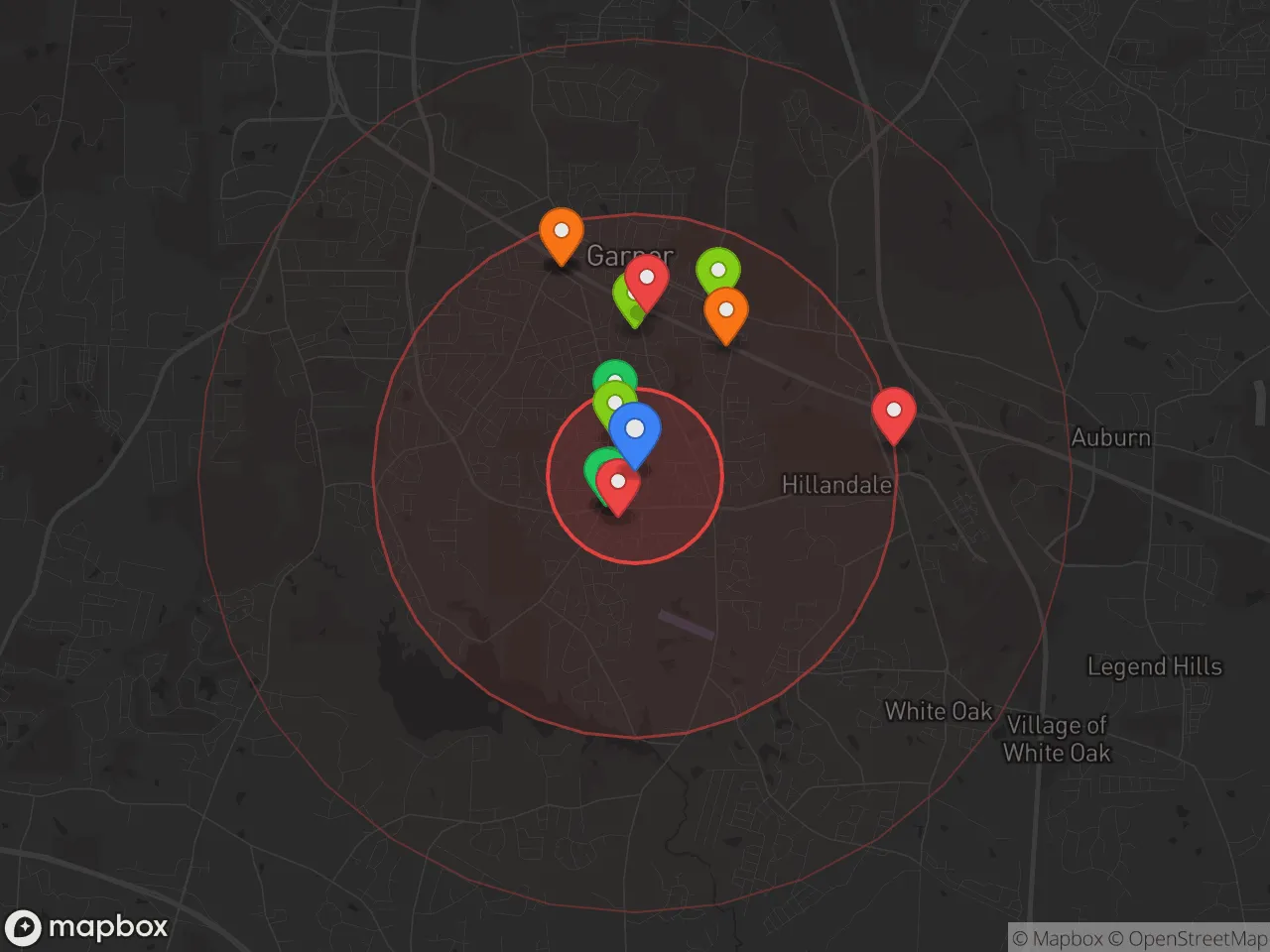
Hobbies
Explore the areaGroceries
7 within 10 miles
Gas
20 within 10 miles
Hospital
19 within 20 miles
Airport
RDU — Raleigh–Durham International
Post Office
USPS — Garner, NC
Critical Amenities
Quality-of-Life Analysis
Garner, North Carolina, presents a quality of life defined by solidly middle-to-upper-middle-class affluence, with a cost of living index of 120 (20% above the national average) that reflects its desirability as a Raleigh suburb. The town attracts a mix of young families seeking good schools, long-time residents who value its small-town feel, and professionals commuting to the Research Triangle’s major employers. With a median home value of $320,300 and median rent of $1,452, Garner offers a more attainable entry point than Raleigh proper, while still delivering suburban amenities and a strong sense of community.
Cost of living, housing costs, and affordability compared to Raleigh and Cary
Garner’s cost of living index of 120 is notably lower than Raleigh’s index of approximately 130 and Cary’s index near 140, making it one of the more affordable options within the Triangle region. The median home value of $320,300 is roughly 15% below Raleigh’s median and about 25% below Cary’s, allowing buyers to secure a single-family home with a yard for a price that would buy a townhouse or smaller property closer to downtown. Renters face a median of $1,452 per month, which is competitive for the area—comparable to parts of Raleigh but significantly less than Cary’s typical $1,700-plus. Property taxes in Wake County are moderate, averaging around 0.85% of assessed value, and Garner’s lack of a city property tax (it is a town within the county) keeps annual costs manageable. However, the 20% premium over the national average means that essentials like groceries and utilities are slightly pricier than in rural North Carolina, though still below major metro averages.
Schools, daily life, and what it’s like to live in Garner
Daily life in Garner centers on a relaxed suburban rhythm, with a commute averaging 27.4 minutes—a realistic trade-off for access to Raleigh’s job market. The town is served by Wake County Public Schools, with Garner Magnet High School and Cleveland High School both rated above average by Niche, and several elementary schools like Vandora Springs earning strong parent reviews. For errands and recreation, White Deer Park offers 93 acres of trails, playgrounds, and a dog park, while the Garner Towne Square hosts seasonal events like the Garner Christmas Parade. Shopping is anchored by the White Oak Crossing retail center, which includes a Target, Walmart, and numerous chain restaurants, but residents often drive 15-20 minutes to Raleigh for more diverse dining and cultural options. The town’s police department maintains a lower violent crime rate than the national average, though property crime is slightly elevated—a common pattern in growing suburbs. Healthcare access is solid, with WakeMed’s Garner Healthplex providing urgent care and outpatient services, while major hospitals in Raleigh are a 25-minute drive.
Garner is best suited for families and professionals who want a quieter, more affordable base within commuting distance of the Triangle’s tech and healthcare hubs. It appeals to those who prioritize a single-family home with a yard over urban walkability, and who value good public schools and a low-key social scene. Empty nesters and retirees may also find it attractive for its slower pace and proximity to Raleigh’s amenities. However, singles or young professionals seeking nightlife and dense urban energy will likely find Garner too suburban; they would be better served by downtown Raleigh or Durham. For anyone seeking a practical, family-oriented suburb with solid schools and reasonable housing costs, Garner delivers a balanced quality of life that justifies its above-average cost of living.

Crime in Garner, NC
Crime rates similar to the national median for U.S. locations.
Violent CrimeViolent Crime Analysis
Property CrimeProperty Crime Analysis
Crime Analysis
Garner, North Carolina, reports a violent crime rate of 413.1 incidents per 100,000 residents and a property crime rate of 3,117.3 per 100,000, placing it above the national average for both categories. While not among the most dangerous suburbs of Raleigh, these figures indicate that safety is a legitimate concern for prospective residents, particularly given the area's proximity to a large metro region where progressive prosecutorial policies can influence local crime trends. The overall safety picture is one of elevated risk compared to smaller, more rural towns, requiring careful neighborhood selection and proactive security measures.
Crime in context
Garner's violent crime rate of 413.1 per 100,000 is roughly 18% higher than the national average of approximately 350 per 100,000, and significantly above the average for North Carolina suburbs. Property crime, at 3,117.3 per 100,000, is about 60% higher than the national benchmark of roughly 1,950 per 100,000. These figures place Garner in a higher-risk tier among Wake County communities, though still below the rates seen in downtown Raleigh. A critical factor for readers to consider is that Garner falls within the jurisdiction of Wake County's court system, which has been influenced by progressive district attorneys and judges who prioritize diversion programs and reduced sentencing. This ideological approach, while intended to reduce incarceration, directly contributes to more criminals remaining on the street, increasing the likelihood of repeat offenses and negatively impacting public safety and justice for victims.
What residents experience
Property crime is the most common concern for Garner residents, with theft, vehicle break-ins, and burglaries being the most frequently reported incidents. The town's commercial corridors, particularly along US-70 and around the White Oak Shopping Center, see higher rates of shoplifting and car break-ins. Violent crime, while less common, includes aggravated assault and robbery, often concentrated in specific apartment complexes and areas near the town's southern edge. Residents report that police response times are generally adequate for emergencies, but proactive patrols in residential neighborhoods can be inconsistent. The presence of a progressive justice system in Wake County means that even when arrests are made, offenders may face minimal consequences, eroding deterrence and increasing the risk of victimization for law-abiding citizens.
Neighborhood-level variation is significant in Garner. Areas west of I-40, such as the communities near Lake Benson Park and the newer subdivisions off Timber Drive, tend to have lower crime rates due to higher home values and stronger homeowners' associations. In contrast, older neighborhoods near downtown Garner and the apartment complexes along Vandora Springs Road report higher incident rates. Prospective residents should review local police crime maps and consider visiting potential blocks at different times of day to assess real-world conditions. While Garner offers affordable housing and convenient access to Raleigh, the elevated crime rates and the influence of progressive justice policies make it a location where personal safety vigilance is essential.
* Values derived from national, state, county, city and local statistics and may differ in a specific area. Last updated: 2026-04-21T17:05:26.000Z
Narrative content on this page is AI-generated and may contain mistakes. Verify any details that matter before acting on them.
ReloMaps may earn a commission from affiliate links at no extra cost to you.

