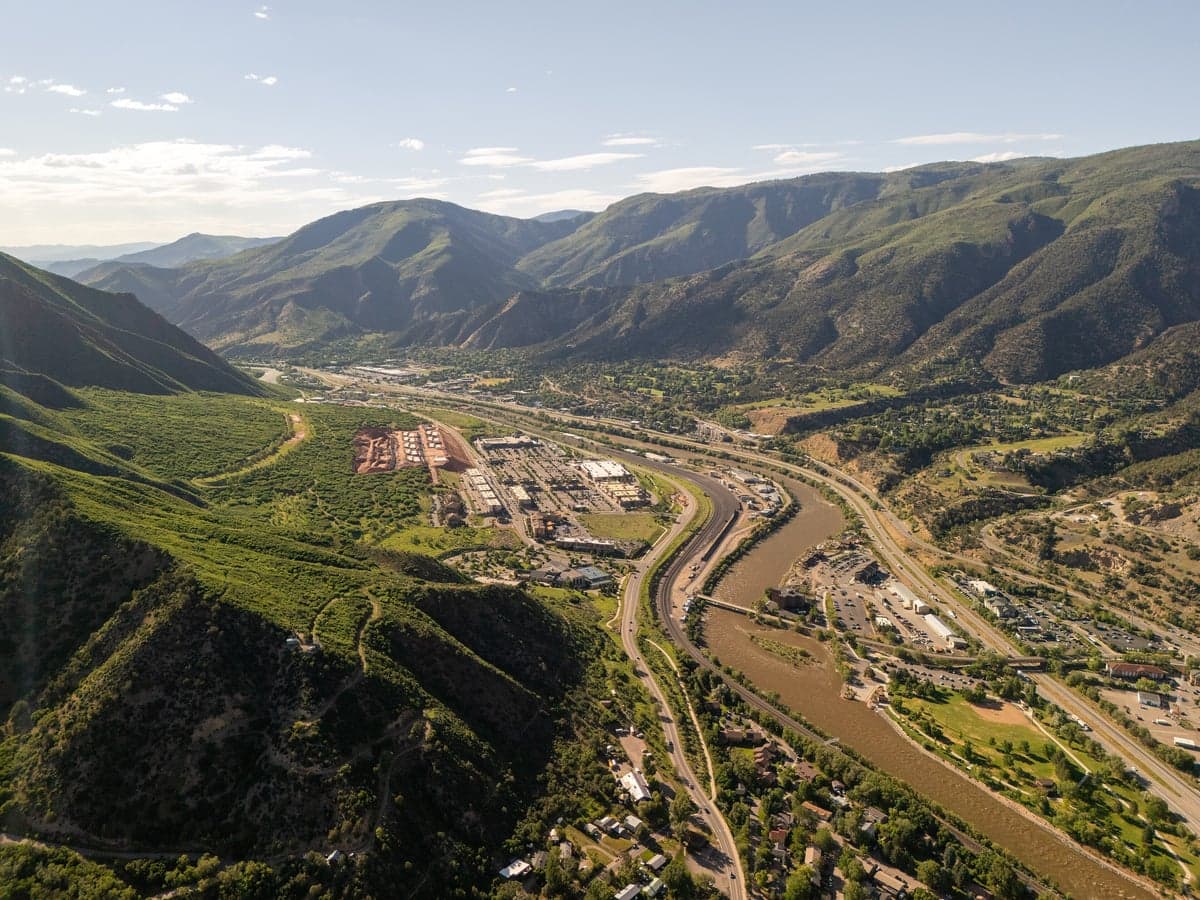
Photo: Wikipedia
Quality of Life in Glenwood Springs, CO
A high quality of life with strong walkability, manageable living costs, healthy neighborhood signals, and solid amenity access.
What does Quality of Life tell us?
Quality of Life blends cost of living, nearby amenities, socioeconomic signals, and neighborhood character. City-level scores represent the whole municipality; individual neighborhoods can differ.
What does this tell us?
Quality of Life blends cost of living, nearby amenities, socioeconomic signals, and neighborhood character. City-level scores represent the whole municipality; individual neighborhoods can differ.
Cost of Living
73% above national average
The Real Cost of Living in Glenwood Springs, CO for 2026
| Tier | Individual | Family (4) |
|---|---|---|
| Survival | $27k | $52k |
| Comfortable | $86k | $126k |
| Luxury | $126k+ | $195k+ |
| Elite (Top 5%) | $148k+ | $229k+ |
69%
The Area Signal
A metric tracking the socioeconomic signals of the area.
Hobbies
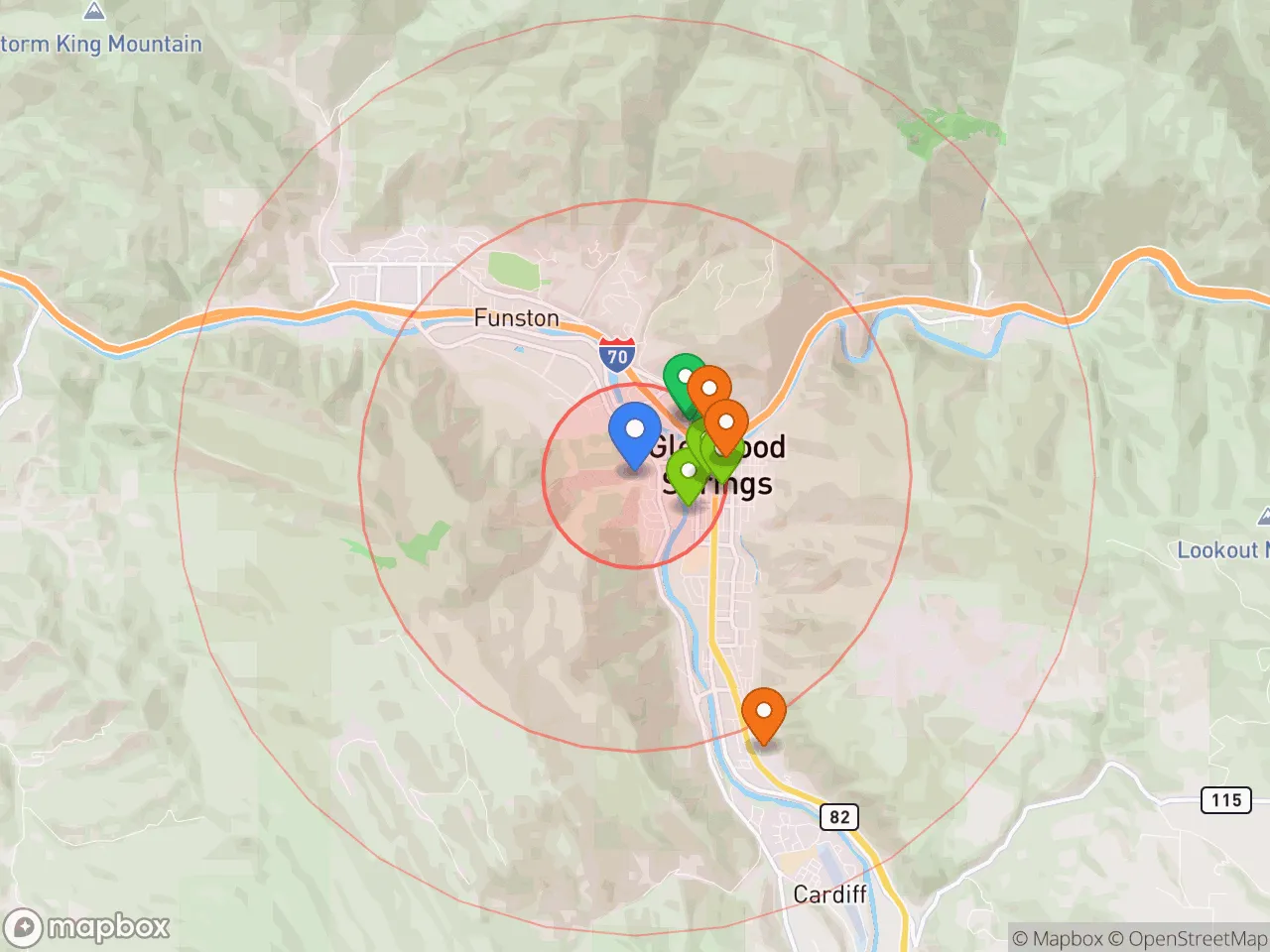
Explore the areaGroceries
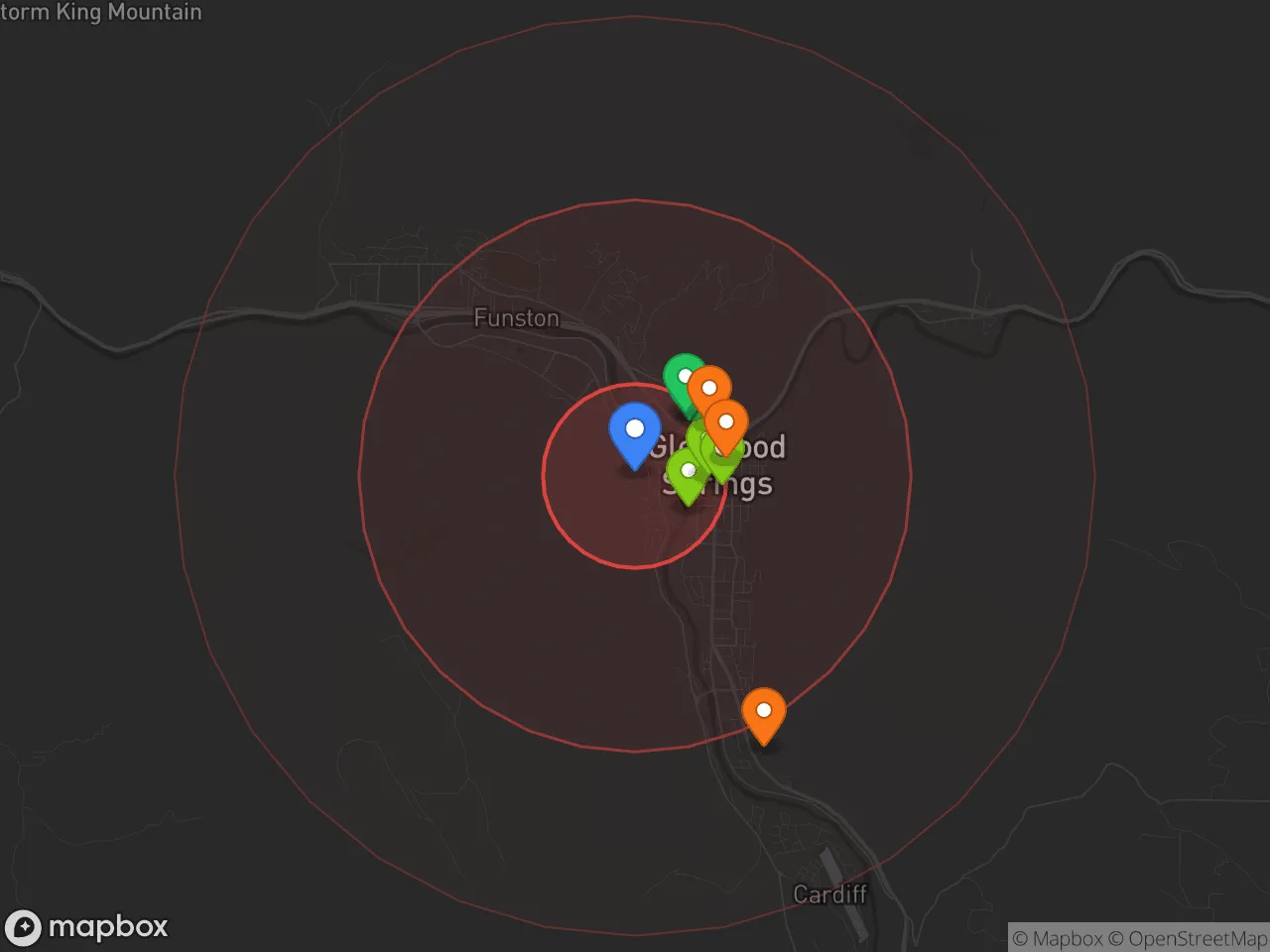
3 within 10 miles
Gas
9 within 10 miles
Hospital
1 within 20 miles
Airport
DEN — Denver International
Post Office
USPS — Glenwood Springs, CO
Critical Amenities
Quality-of-Life Analysis
Glenwood Springs attracts a mix of affluent retirees, second-home owners, and outdoor-industry professionals, drawn by its hot springs, river recreation, and mountain setting. The area’s median household income of roughly $75,000 sits above the Colorado average, yet the cost of living index of 173 (73% above the U.S. baseline) means many residents allocate a significant share of income to housing and daily expenses. The community skews older and more educated than the state median, with a notable presence of healthcare workers tied to Valley View Hospital and seasonal hospitality staff serving the Glenwood Caverns Adventure Park and ski traffic.
Cost of living and housing affordability compared to Aspen and Carbondale
Glenwood Springs offers a relative affordability advantage over its glitzy neighbors. The median home value of $592,000 is roughly half the median in Aspen and about 20% lower than in Carbondale, making it the most attainable entry point for homebuyers in the upper Roaring Fork Valley. Median rent of $1,717 undercuts Aspen’s typical $2,800+ by a wide margin, though it still exceeds the national average by 60%. The average commute of 27.4 minutes reflects the reality that many workers drive to higher-paying jobs in Aspen or Snowmass Village, trading lower housing costs for time on Interstate 70. Property taxes remain low by national standards (roughly 0.5% of assessed value), but the overall COL index of 173 means groceries, utilities, and healthcare all run 30–50% above the U.S. norm. For renters, the vacancy rate hovers around 2%, keeping competition stiff for units under $1,500.
What daily life is like for families and outdoor enthusiasts
Daily life in Glenwood Springs revolves around the confluence of the Colorado and Roaring Fork rivers, with the Glenwood Hot Springs Pool and Iron Mountain Hot Springs serving as year-round social anchors. The Garfield County School District operates five elementary schools, two middle schools, and Glenwood Springs High School, which posts a graduation rate near 88% and offers concurrent enrollment at Colorado Mountain College. The downtown Grand Avenue corridor fills with coffee shops, breweries, and gear rental stores, while the Rio Grande Trail provides a paved 42-mile route to Aspen for cyclists and runners. The Glenwood Springs Community Center houses an indoor pool, basketball courts, and a climbing wall, supplementing the abundant BLM land for hiking and mountain biking. Healthcare access is strong: Valley View Hospital is a Level III trauma center, and the city supports multiple urgent-care clinics and specialty practices. The main trade-off is tourism density — summer weekends bring heavy traffic through the Glenwood Canyon and crowded trailheads at Hanging Lake, while winter sees I-70 closures that can strand commuters.
Glenwood Springs works best for people who prioritize outdoor recreation and accept a higher cost of living in exchange for small-town mountain amenities. Remote workers with stable incomes, healthcare professionals, and early retirees tend to find the best fit, as local wages in retail and hospitality rarely keep pace with the COL index of 173. Families with school-age children benefit from the district’s strong programs and low crime rates, but should budget carefully for housing. Those seeking a quieter, less tourist-driven alternative might prefer Carbondale or New Castle, while buyers who need Aspen-level amenities should expect to pay significantly more. For the right household — one that values hot springs, river access, and a walkable downtown — Glenwood Springs delivers a quality of life that justifies its premium price tag.

Crime in Glenwood Springs, CO
Crime rates similar to the national median for U.S. locations.
Violent CrimeViolent Crime Analysis
Property CrimeProperty Crime Analysis
Crime Analysis
Glenwood Springs presents a mixed safety profile for prospective residents. The city’s violent crime rate of 426.6 per 100,000 residents is notably higher than the national average of roughly 380 per 100,000, while its property crime rate of 2,092.1 per 100,000 also exceeds the U.S. median of approximately 1,950 per 100,000. These figures place Glenwood Springs above the Colorado state average for both categories, a trend that warrants careful consideration for anyone evaluating relocation to this popular mountain community.
Crime in context
When compared to other Colorado communities of similar size, Glenwood Springs’ crime rates sit in the upper tier. The city’s violent crime rate is roughly 30% higher than the Colorado state average of about 330 per 100,000, and its property crime rate exceeds the state average of roughly 1,800 per 100,000 by about 16%. For context, nearby resort towns like Aspen and Vail report significantly lower violent crime rates, often below 200 per 100,000. The elevated property crime numbers—driven largely by thefts from vehicles and burglaries—are consistent with patterns seen in other Colorado mountain towns that experience high tourist traffic and transient populations.
What residents experience
Residents of Glenwood Springs commonly report that property crime, particularly vehicle break-ins and package theft, is the most visible safety concern. The city’s status as a regional transportation hub along Interstate 70 and its popularity as a tourist destination contribute to these issues. Violent crime, while less frequent, does occur and is often concentrated in specific contexts such as domestic disputes or incidents involving individuals experiencing homelessness. Local law enforcement has implemented community policing initiatives and increased patrols in high-traffic areas, but the underlying factors—including a justice system that some residents describe as lenient toward repeat offenders—remain a source of frustration. Progressive prosecutorial policies in Garfield County have been cited by some community members as contributing to a revolving-door effect for property crime offenders, undermining deterrence and public confidence in the justice system.
Neighborhood-level variation
Safety conditions vary noticeably across Glenwood Springs. The downtown core and areas near the Glenwood Caverns Adventure Park see higher rates of petty theft and vandalism, particularly during peak tourist seasons. Residential neighborhoods on the south side of the Colorado River, such as those near the Glenwood Springs Golf Club, tend to report lower crime incidents. The West Glenwood area, which includes some lower-income housing and a higher concentration of rental properties, experiences elevated property crime rates. Prospective residents should consider that neighborhoods farther from the downtown corridor and major transit routes generally offer a quieter, lower-crime living environment, though no area is entirely immune to the property crime challenges affecting the broader region.
* Values derived from national, state, county, city and local statistics and may differ in a specific area. Last updated: 2026-05-16T10:02:27.000Z
Narrative content on this page is AI-generated and may contain mistakes. Verify any details that matter before acting on them.
ReloMaps may earn a commission from affiliate links at no extra cost to you.

