 Popular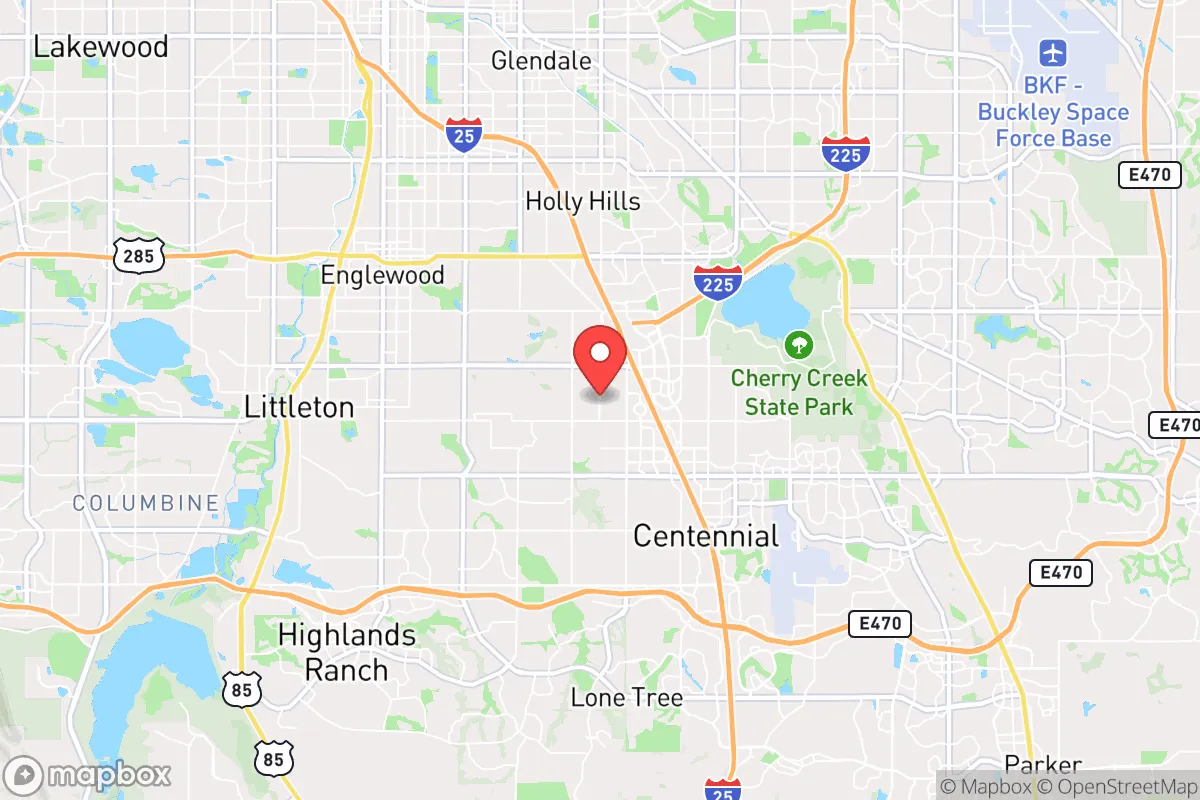
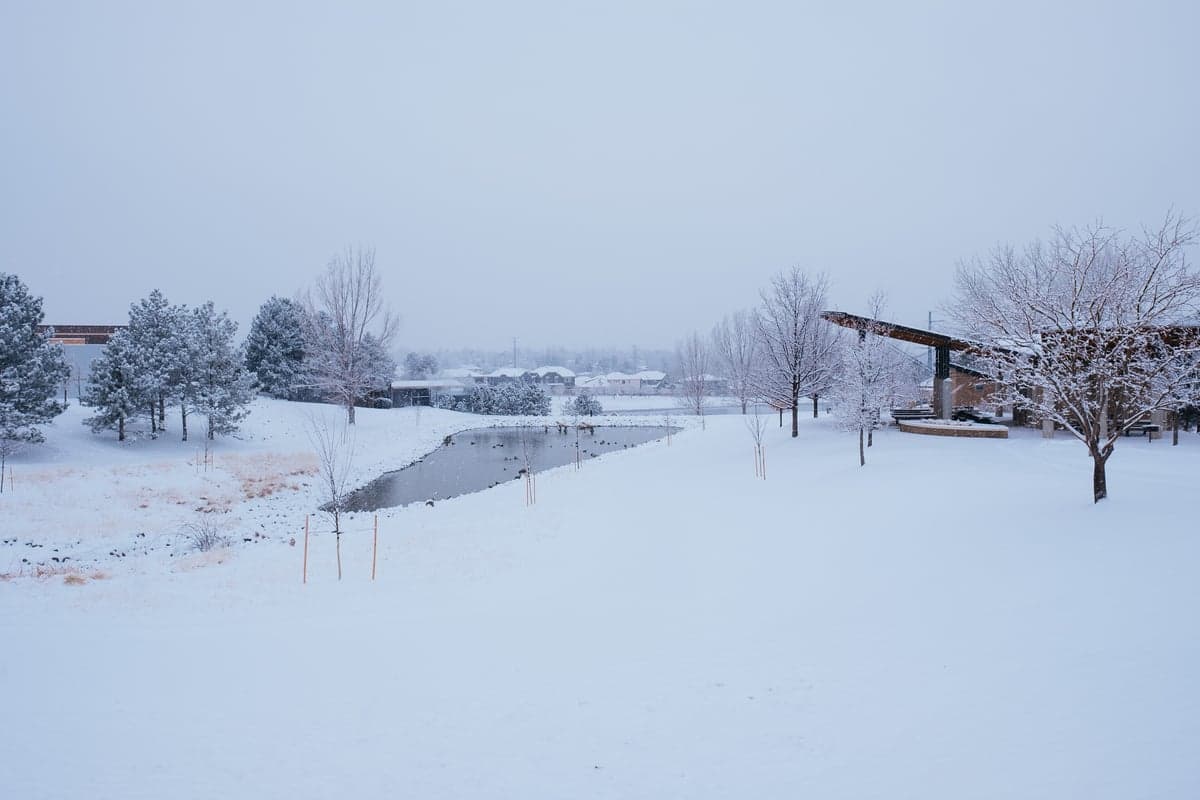
Photo: Wikipedia
Strategic Assessment of Greenwood Village, CO
Multiple tactical vulnerabilities. Population density, target proximity, or disaster risk are likely compounding. A retreat property and exit planning is required.
What does the Strategic Assessment tell us?
Our Strategic Assessment grades tactical survivability of an area. Major population centers, military targets, fallout zones, natural disasters, and border exposure all drive risk — lower exposure means a more defensible position in a crisis.
This is heavily inspired by Joel Skousen's Strategic Relocation book. Highly recommended you checkout the book ($)What does this tell us?
Our Strategic Assessment grades tactical survivability of an area. Major population centers, military targets, fallout zones, natural disasters, and border exposure all drive risk — lower exposure means a more defensible position in a crisis.
This is heavily inspired by Joel Skousen's Strategic Relocation book. Highly recommended you checkout the book ($)Strategic Pillars

Key Distances
Regional Safe Places
Below is our recommended "safe zones" in Colorado and the surrounding area based on our strategic heuristics. For most people, it's unrealistic to live in a “safe zone” full-time due to work, family or other personal reasons. They tend to be more rural. However, many of these areas are perfect for second homes and retreat properties that double as a vacation home or even a short-term rental.
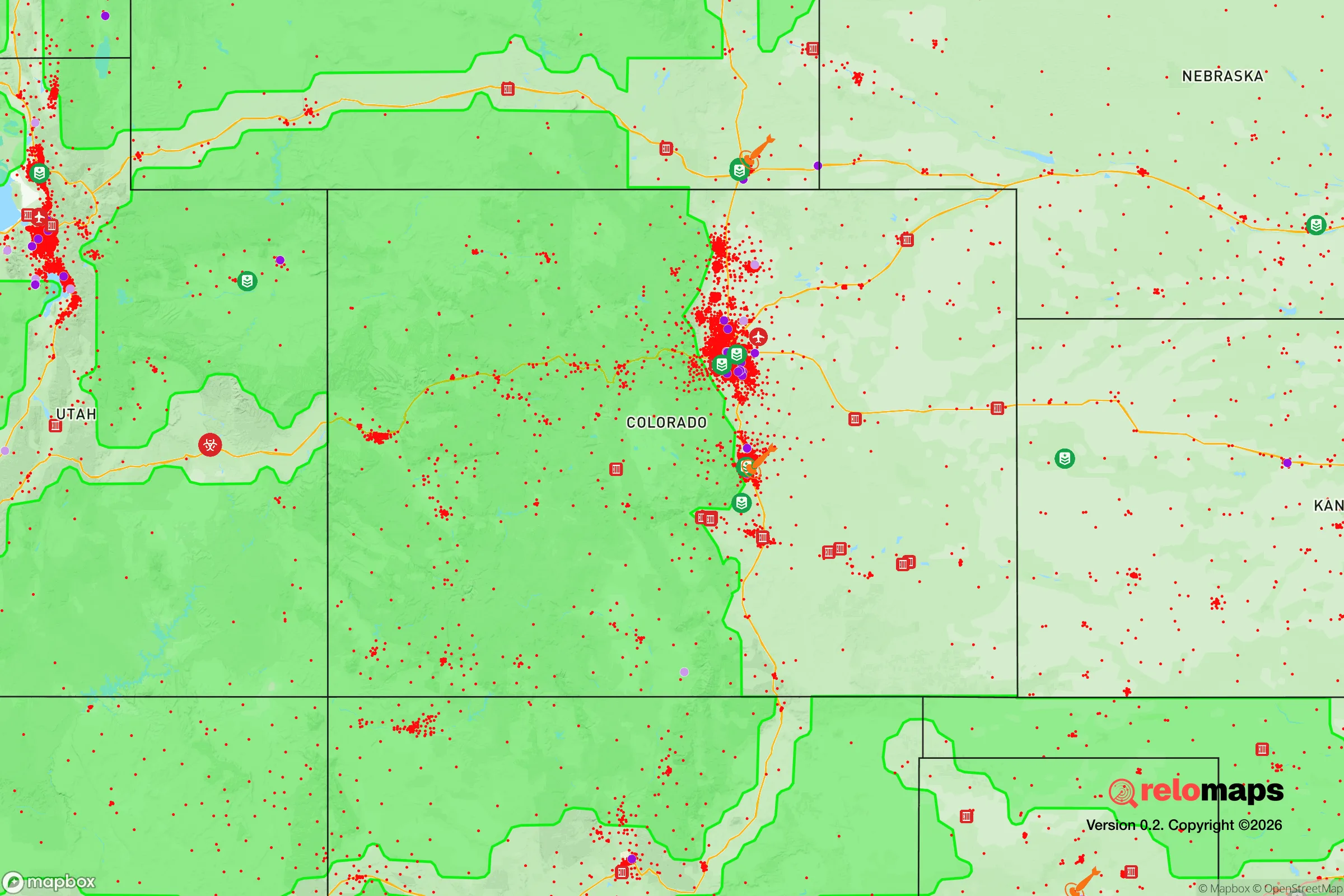
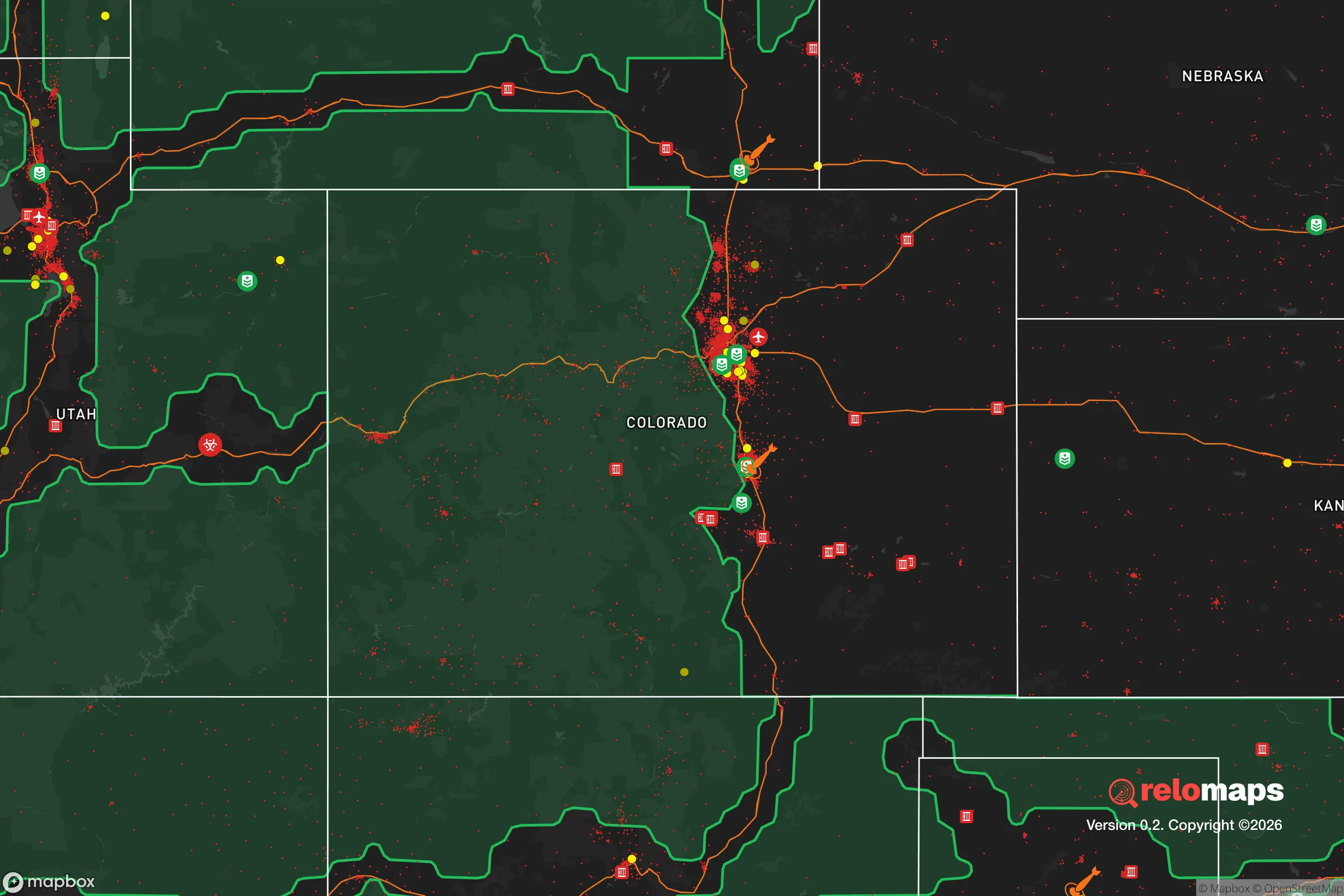


Important Note: For informational purposes only. This does not mean nothing bad ever happens in the green zones. Please use common sense. This is based on public data and modeled with AI. We tried to take a conservative approach but mistakes happen. We update this regularly as new information becomes available.
Solar Generator Recommendations
Backup power matters more here than in safer locations. We've picked three solar generators across budgets and capacity tiers — start with the budget unit if you only need a few essentials, or step up if you want to run a fridge and HVAC for days at a time.

Jackery Portable Power Station Explorer 300
Budget OptionPower on the Go: Weighing only 11 lbs, it's convenient to set up and store with book-sized foldable solar panels

BLUETTI Portable Power Station AC180
Designed for both indoor and outdoor scenarios, AC180 is highly capable as it has a robost capacity and continuous output power.

EF ECOFLOW DELTA Pro Ultra Power Station
Upgraded PickEcoFlow DELTA Pro Ultra is a whole-home energy system designed to grow with your family. Integrated with the Smart Home Panel 2, it scales to meet your evolving energy needs — keeping your home powered, intelligent, and secure through every stage of life.
We earn a commission, at no additional cost to you.
Strategic Assessment Analysis
Greenwood Village, Colorado, presents a complex strategic picture for the conservative prepper or survivalist. Its primary resilience lies in its affluent, low-crime character and its position as a wealthy, politically conservative enclave within a blue state—a bubble of relative order that could hold together longer than surrounding areas during a crisis. However, its location in the Denver-Aurora metroplex, just south of downtown, is a double-edged sword: you get the resources and infrastructure of a major city, but you are also directly in the blast shadow of a high-value target. For a relocator seeking true strategic depth, this is a trade-off that demands careful, sober assessment.
Geographic position and natural advantages: The high plains fortress
Greenwood Village sits at roughly 5,400 feet on the high plains, just east of the Front Range foothills. This elevation provides a natural health advantage—cleaner air, lower humidity, and fewer disease vectors—but it also means brutal winter weather and a short growing season. The area's primary natural advantage is its proximity to the Rocky Mountains, which offer a vast, sparsely populated backcountry for retreat or resource extraction if things go sideways. The South Platte River and Cherry Creek run through the region, providing surface water sources, though both are heavily managed and polluted in urban stretches. The terrain is generally flat to gently rolling, which is good for mobility but offers little natural defensibility. The Front Range's "urban corridor" is a 150-mile-long strip of continuous development from Colorado Springs to Fort Collins; Greenwood Village is smack in the middle of it. That means you are surrounded by millions of people, but also have access to multiple evacuation routes: I-25 north/south, C-470 west to the mountains, and E-470 east to the plains. The key natural advantage is the ability to bug out west into the Rockies within 30-45 minutes, assuming the roads aren't gridlocked. The area's low seismic risk and rare tornadoes are pluses, but wildfire risk is moderate, and the urban heat island effect can make summers uncomfortable without power.
Risks, exposures, and proximity to fallout-relevant landmarks
This is where the analysis gets sobering. Greenwood Village is 8 miles from Denver International Airport (DIA), a major transportation hub and a likely target for any state-level disruption or terrorist attack. It is also 12 miles from the Denver Federal Center in Lakewood, which houses the U.S. Geological Survey, the Bureau of Land Management, and other federal agencies—a potential flashpoint during civil unrest. The city is adjacent to the Denver Tech Center, a massive commercial hub that could become a looting target during a breakdown. The nearby Buckley Space Force Base in Aurora is a military installation that could be a target or a source of security, depending on the scenario. For the prepper, the biggest risk is proximity to the Denver urban core, which has seen rising crime and homelessness since 2020. During a major disaster—EMP, pandemic, economic collapse—the 2.9 million people in the metro area would likely attempt to flee south or west, and Greenwood Village sits right in the path of that exodus. The city's wealth makes it a likely target for roving gangs or desperate populations. Additionally, the area is in a high-risk zone for a major earthquake along the Ramapo Fault system? No—that's the East Coast. The Front Range has minor seismic activity, but the real risk is a catastrophic wildfire like the 2021 Marshall Fire, which destroyed over 1,000 homes in nearby Superior and Louisville. Greenwood Village's suburban sprawl with dry vegetation and high winds creates a real fire hazard. Finally, the Denver water supply is vulnerable to contamination or disruption, as it relies on a complex system of reservoirs and tunnels from the Western Slope.
Practical resilience for a relocator: Food, water, energy, and defensibility
For a relocator with a prepper mindset, Greenwood Village offers a mixed bag. Water is the biggest concern. The city's water comes from Denver Water and the South Platte River, both of which are vulnerable to contamination, sabotage, or supply chain disruption. A well is not an option in most suburban lots; you would need to invest in rainwater catchment (legal in Colorado, but restricted) or store large quantities of potable water. Food is a challenge: the growing season is only about 120 days, and the soil is alkaline clay. Community gardens exist but are small. You would need to rely on stored food, hydroponics, or a greenhouse. The area has numerous grocery stores (King Soopers, Whole Foods, Trader Joe's), but these would be stripped within hours of a crisis. Energy is relatively stable: Xcel Energy provides grid power, but the grid is aging and vulnerable to weather events (snowstorms, wildfires). Solar is viable—Colorado averages 300 sunny days per year—but HOA restrictions in many Greenwood Village neighborhoods can limit panel installation. A backup generator with propane storage is a must. Defensibility is poor. The city is a typical suburban grid of cul-de-sacs and arterials, easy to navigate and hard to defend. Your best bet is a home on a corner lot with clear sightlines, or a property backing onto open space (like the High Line Canal Trail) that provides a buffer. The local police force is well-funded and responsive, but during a widespread collapse, they would be overwhelmed. The community itself is a mixed bag for preppers: wealthy, educated, and generally law-abiding, but also politically liberal in many pockets, which could create friction during a crisis. The conservative enclaves (south of Orchard Road, near the Denver Country Club) might form neighborhood watch groups, but there is no organized prepper community visible. The healthcare system is excellent—Swedish Medical Center in nearby Englewood is a Level I trauma center—but it would be overwhelmed in a mass casualty event. The gun culture is moderate: Colorado has permitless carry for residents 21+, but magazine capacity is limited to 15 rounds. You can own AR-15s, but they must be registered. The state's red flag law is a concern for those with firearms.
The overall strategic picture for Greenwood Village is one of high convenience, moderate risk, and low true resilience. It is an excellent location for a bug-in scenario if you have the resources to fortify a home and stockpile supplies, and if the crisis is short-term (weeks to a few months). The affluent, low-crime environment means you are less likely to face immediate threats from desperate neighbors. However, for a long-term collapse or a major disaster that displaces the Denver metro population, this location becomes a trap. The lack of defensible terrain, the water vulnerability, and the proximity to high-value targets make it a poor choice for a permanent retreat. The best use of Greenwood Village for a strategic relocator is as a staging area—a comfortable, well-connected base from which to acquire resources, build relationships, and prepare a more remote property in the mountains (e.g., Park County, Chaffee County, or the San Luis Valley). If you are looking for a place to ride out the storm while maintaining a normal life, and you have the budget for a well-stocked home with solar and a generator, Greenwood Village can work. But if you are seeking true strategic depth—a location that can sustain you indefinitely without external support—look further west, where the population thins and the water flows free. This is a place to live well, not to survive long.

* Values derived from national, state, county, city and local statistics and may differ in a specific area. Last updated: 2026-04-27T14:33:51.000Z
Narrative content on this page is AI-generated and may contain mistakes. Verify any details that matter before acting on them.
ReloMaps may earn a commission from affiliate links at no extra cost to you.

