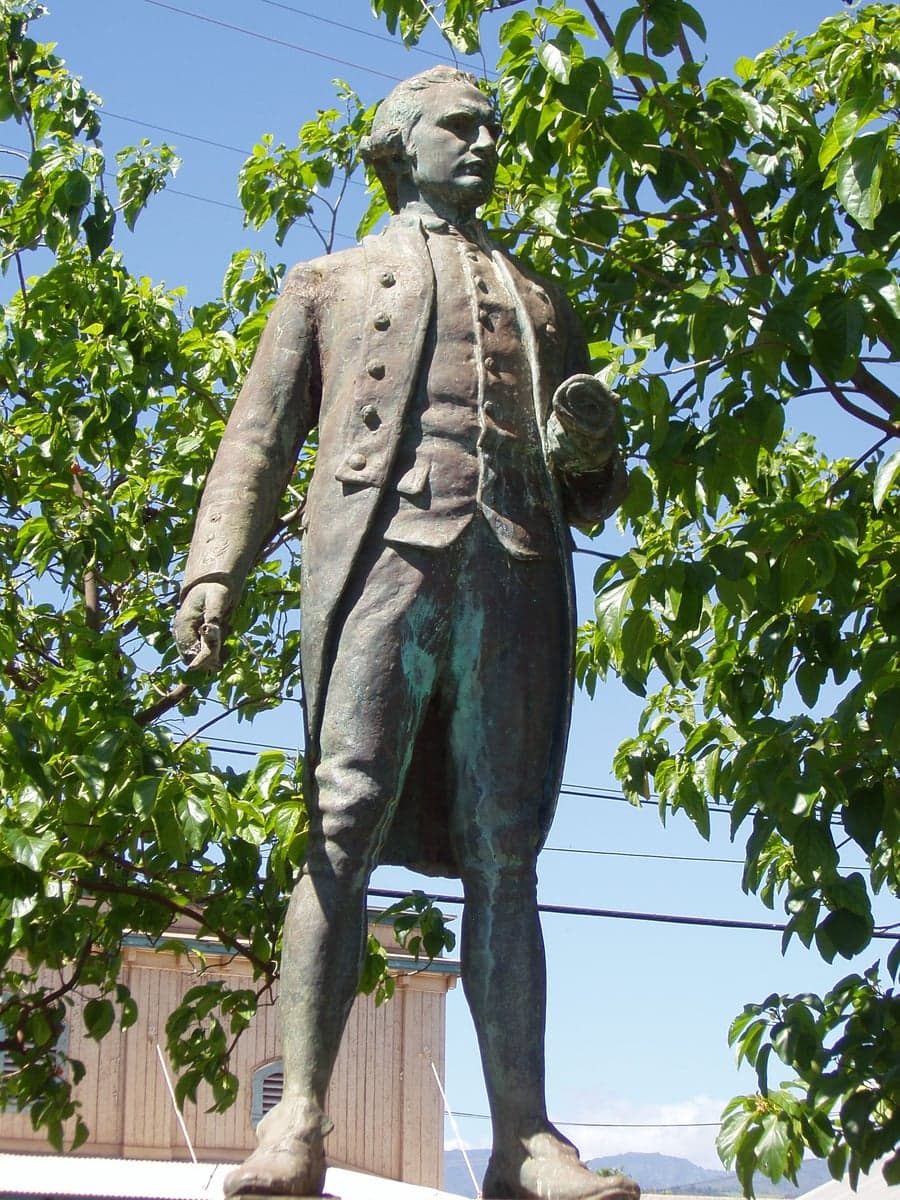
Photo: Wikipedia
Find The Best Places To Live in Kauai County
PRO TIP! You can paste a Zillow or Redfin link to get info on that property.
Best Places to Live in Kauai County
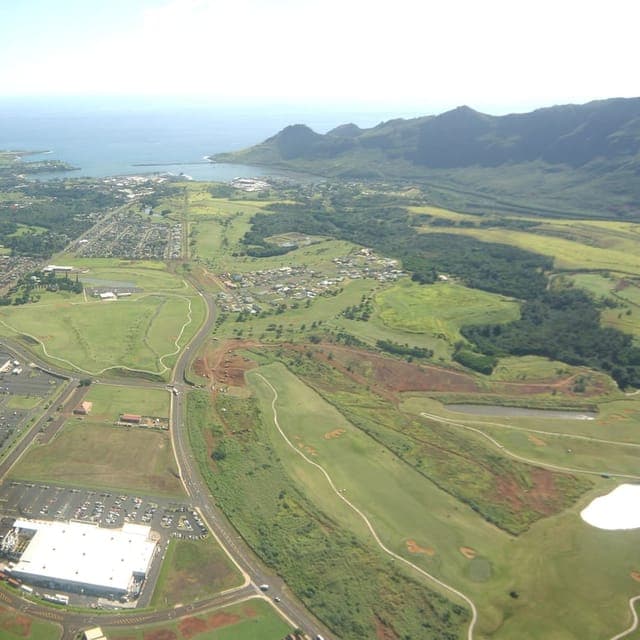
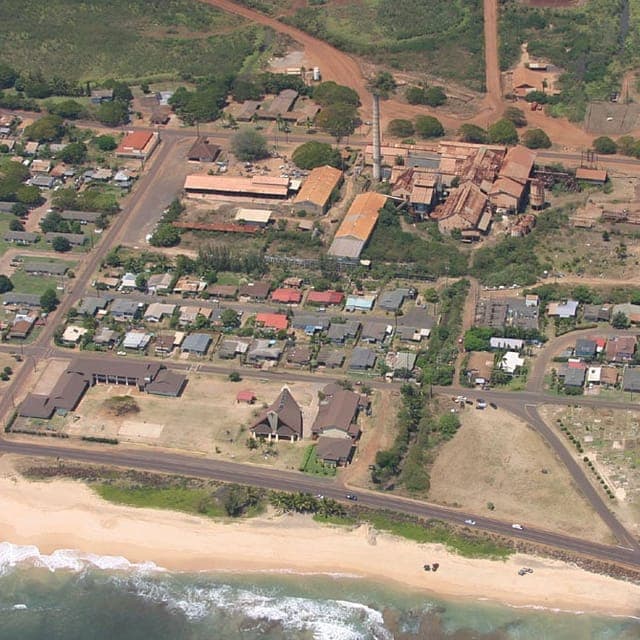
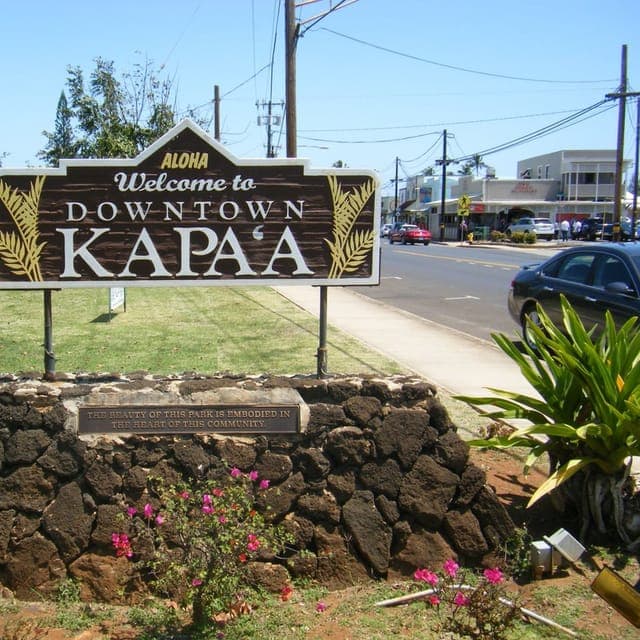
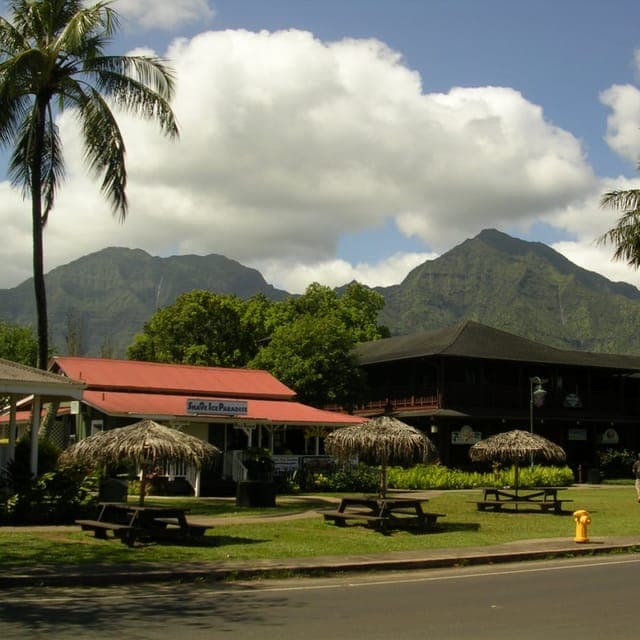
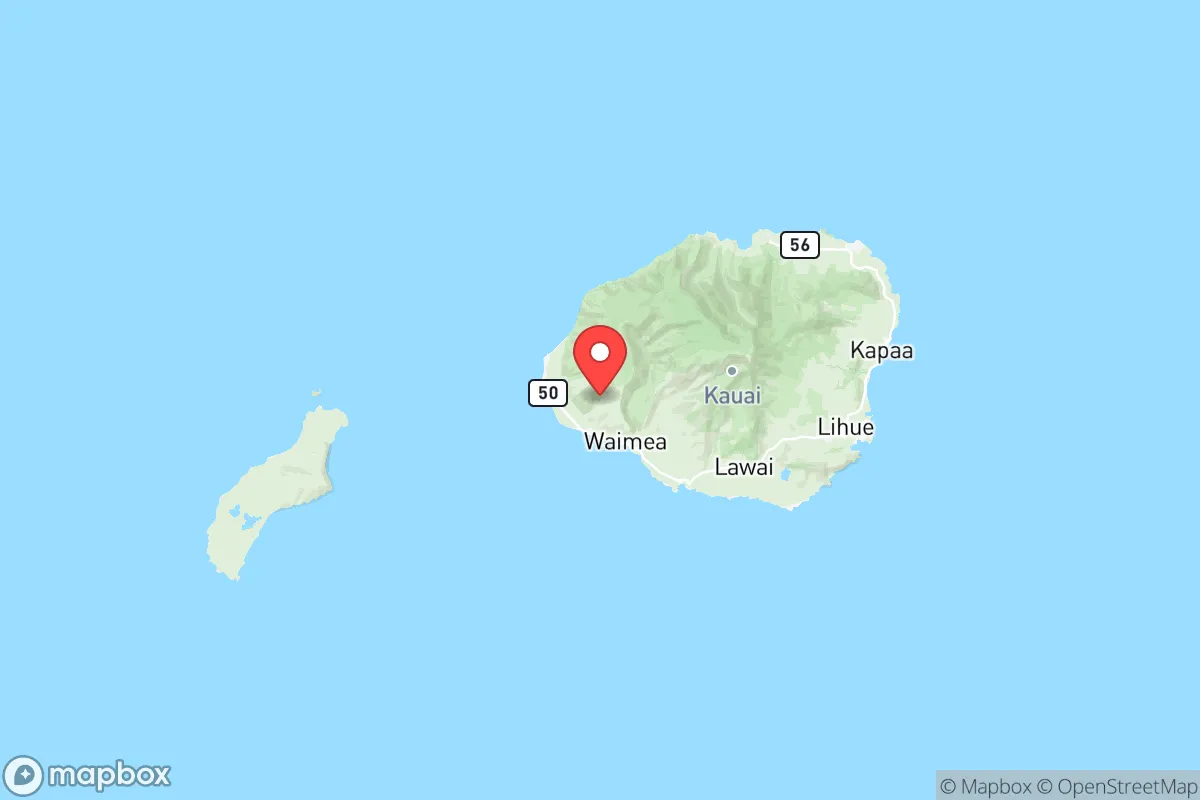
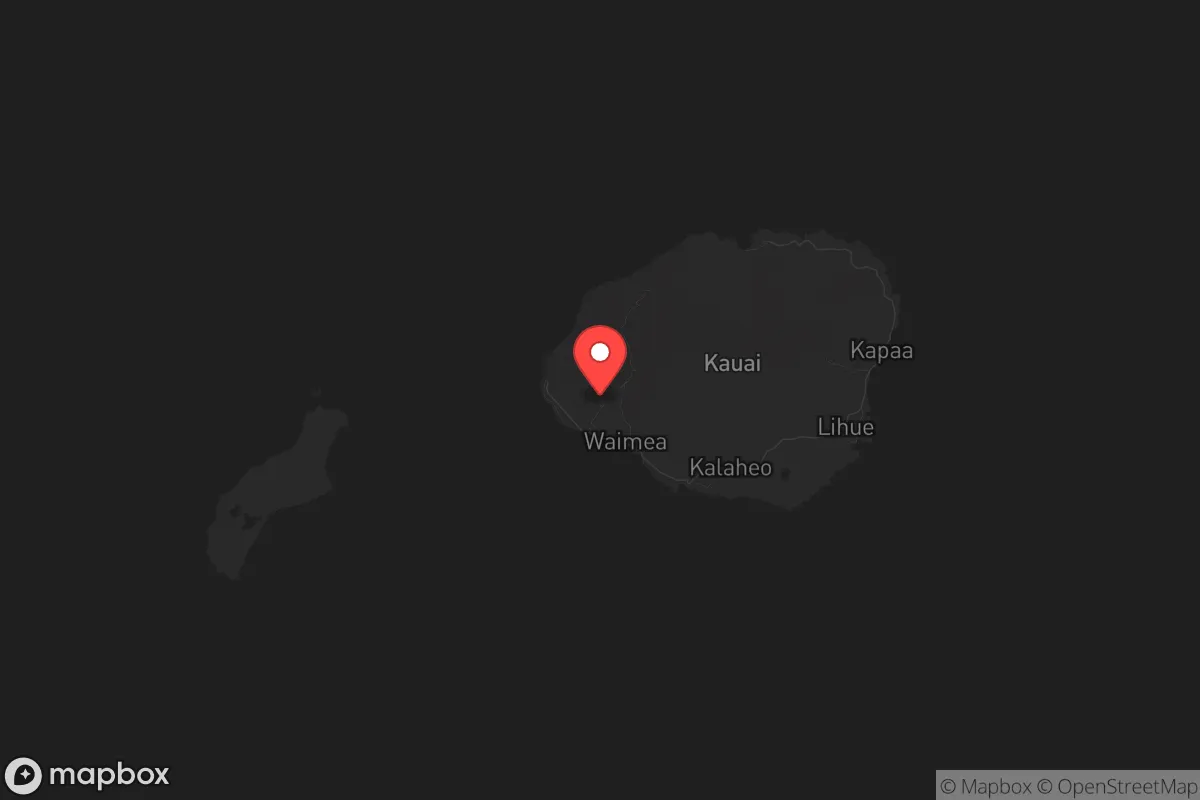
Cities & Towns in Kauai County
Cities in Kauai County
What It's Like Living in Kauai County, HI
Living on Kauai means trading the bright lights and fast pace of Honolulu for something slower, greener, and more intimate. The Garden Isle, as it’s called, has a population of just 73,610, and that small number defines the experience—everyone knows someone who knows someone, and the rhythm of life is dictated more by the trade winds and the surf report than by a calendar. It’s a place where the main town, Lihue, feels like a county seat that never quite got around to being a city, and where the real action happens on the North Shore in Hanalei or the sunny west side in Waimea.
Daily Rhythm: Slow Mornings, Long Commutes, and the Cost of Paradise
A typical day on Kauai starts early. People grab coffee at Kauai Coffee Company in Kalaheo or a plate lunch from a local spot like Mark’s Place in Puhi. The pace is unhurried, but the reality of island living sets in fast. The average commute is about 22 minutes, which sounds idyllic, but that’s a straight shot on the main highway—Kaumuali‘i Highway (Route 50) or Kuhio Highway (Route 56). The catch is that a single accident or a fallen tree can turn that 22-minute drive into an hour-long crawl, especially between Lihue and Kapaa. Locals plan for it, leaving early and keeping a cooler in the truck. The median home value is $817,900, and with a cost of living index of 209 (more than double the national average), the people who live here aren’t here for the bargain. The median household income of $93,612 sounds decent, but it gets stretched thin by those housing costs. You see a lot of multi-generational households in towns like Kapaa and Hanapepe, where families share space to make the math work.
Who Fits In: The Self-Sufficient and the Patient
Kauai isn’t for everyone. The kind of person who thrives here is someone who doesn’t need a mall, a concert venue, or a new restaurant every week. It’s for the surfer who checks the swell before the weather, the hiker who knows the trail to Kalalau Valley by heart, and the parent who values a childhood spent on the beach over a top-tier school district. The median age is 42.7, which is older than the national average, and only 30.2% of adults hold a bachelor’s degree or higher. That’s not a knock on intelligence—it’s a reflection of an economy built on tourism, agriculture (coffee, taro, papaya), and government jobs. You’ll find a mix of wealthy retirees in Princeville, working families in Kilauea, and artists and farmers in Hanapepe. The common thread is a willingness to accept that things move on island time. If you’re impatient or need constant stimulation, you’ll be frustrated. If you can slow down and appreciate a sunset over Poipu Beach, you’ll fit right in.
Sports, Community, and What People Actually Do for Fun
Sports on Kauai are not about packed stadiums or Friday-night lights like you’d see on the mainland. There’s no pro team, and the biggest athletic events are the Kauai Marathon and the Na Pali Coast Challenge (a stand-up paddleboard race). High school sports are a big deal in a small way—rivalries between Kapaa High School and Kauai High School in Lihue draw the whole community, with parents and grandparents filling the bleachers. But the real sports are the ones you do yourself: surfing at Hanalei Bay, hiking the Waimea Canyon trails, or kayaking the Wailua River. For entertainment, the Waimea Town Celebration in February and the Koloa Plantation Days in July are the big annual festivals, featuring parades, local food, and live music. The Hanapepe Art Walk every Friday night is a low-key social hub where you can buy local art, eat a plate of fish tacos, and catch up with neighbors. Restaurants like The Beach House in Koloa and Bar Acuda in Hanalei are the go-to spots for a nice dinner, but the real local favorites are the food trucks—Da Crack in Poipu for burritos and Pono Kitchen in Kapaa for acai bowls.
Pros and Cons: What Locals Love and What Drives Them Crazy
Longtime residents will tell you the best part of Kauai is the community feel—the way people wave when you pass on the road, the honesty of the farmers’ markets, and the fact that you can leave your car unlocked in Kilauea. The natural beauty is undeniable, from the Napali Coast to the Waimea Canyon, and the weather is mild year-round, with highs in the low 80s. But the downsides are real. The violent crime rate is 215 per 100,000, which is higher than the national average of about 380, but property crime—especially theft from cars and break-ins in tourist-heavy areas like Poipu and Princeville—is a persistent annoyance. Traffic on the single-lane bridges near Hanalei can test anyone’s patience. And the cost of living means that many locals work two jobs just to stay afloat. The biggest frustration? The feeling that the island is being loved to death—too many visitors, too many vacation rentals, and a housing market that prices out the people who work in the hotels and restaurants. If you’re considering a move, come with a job lined up, a realistic budget, and a willingness to embrace the slow, beautiful, occasionally maddening pace of island life.

* Values derived from national, state, county, city and local statistics and may differ in a specific area. Last updated: 2026-06-03T05:30:38.000Z
Narrative content on this page is AI-generated and may contain mistakes. Verify any details that matter before acting on them.
ReloMaps may earn a commission from affiliate links at no extra cost to you.

