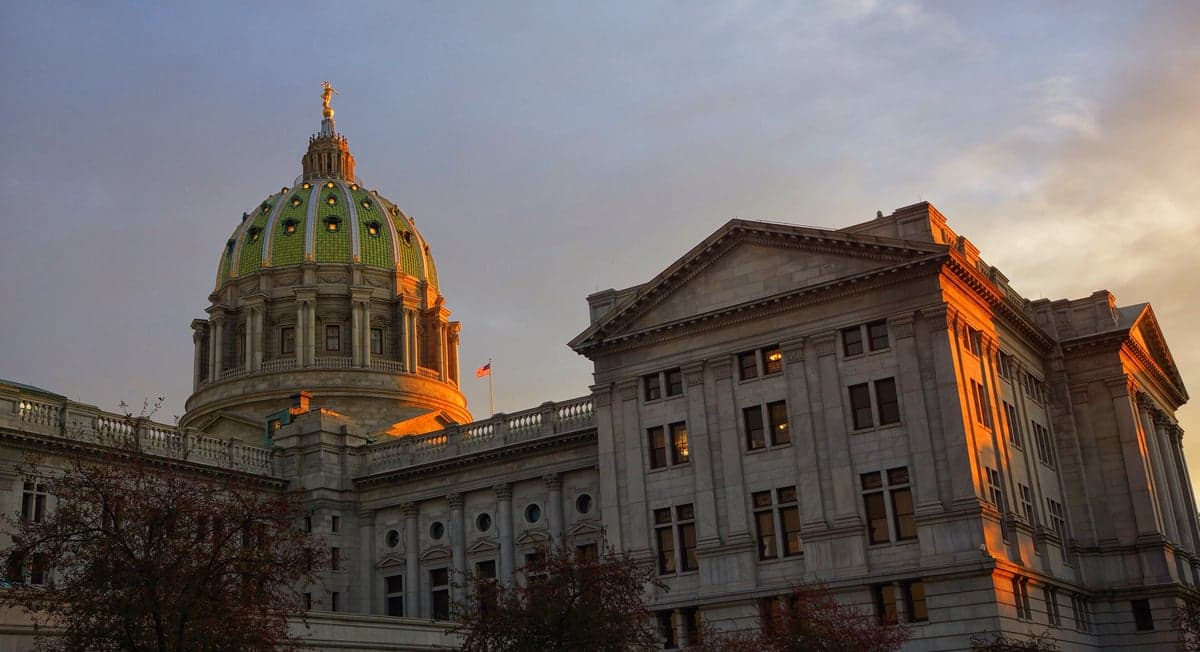
Photo: Wikipedia
Political ClimatePolitical Climate in Harrisburg, PA
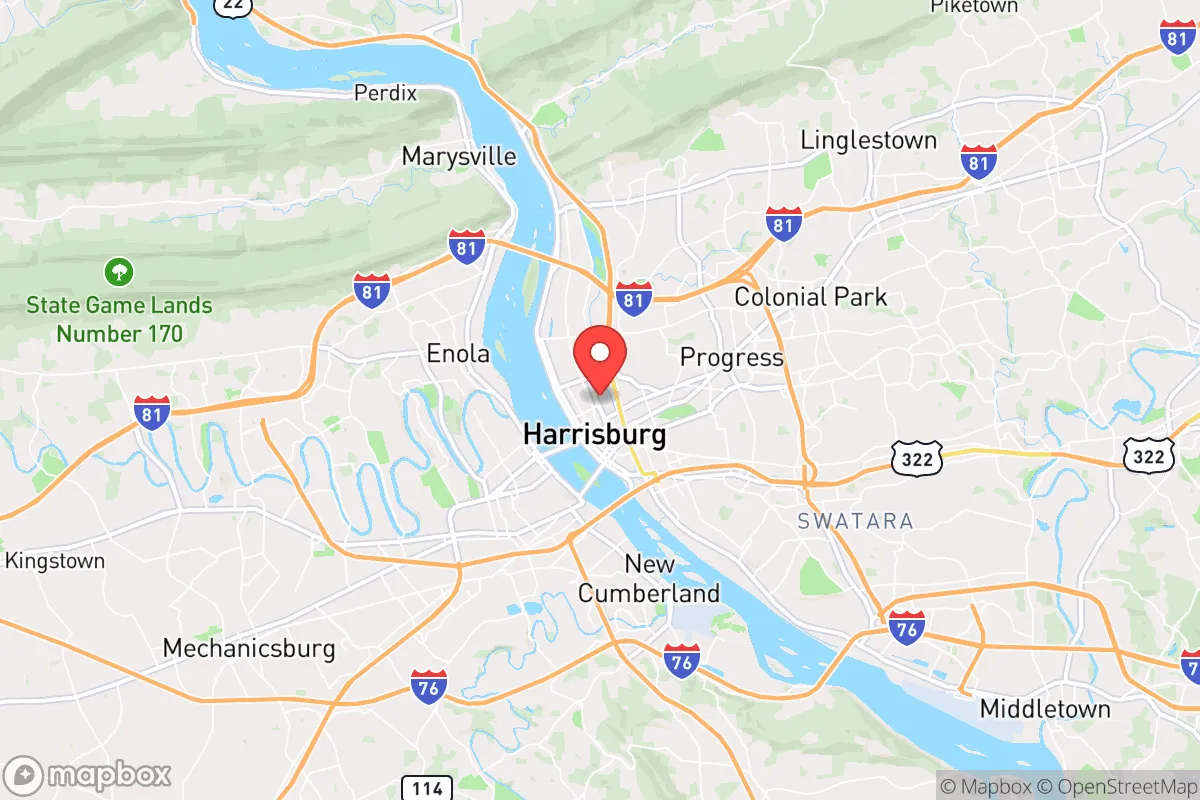
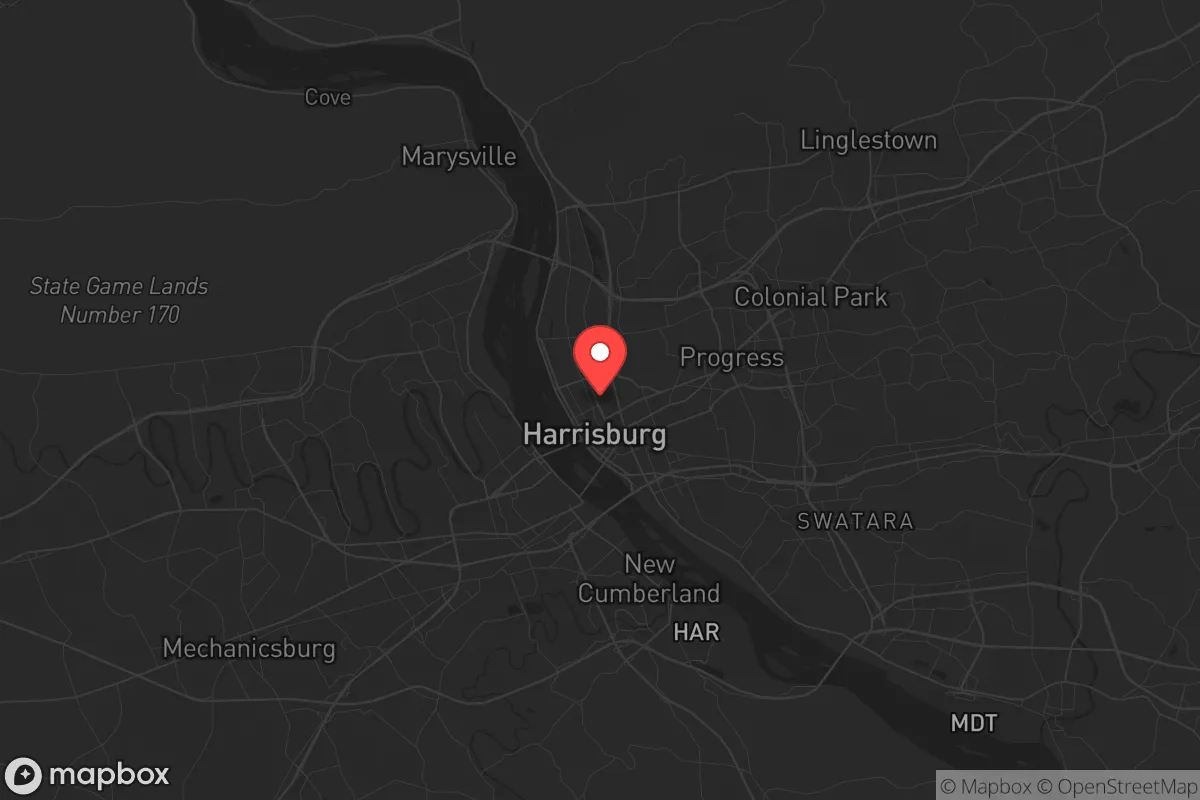
District shown is the primary district for this city’s centroid. Cities may span multiple districts.
Local Political AnalysisPolitical Analysis of Harrisburg, PA
Harrisburg’s political climate has shifted noticeably over the past decade, and if you’ve lived here as long as I have, you can feel it. The city itself leans reliably Democratic, but the surrounding Dauphin County and the broader metro area are a different story—the Cook PVI sits at R+3, meaning the district as a whole is slightly more Republican than the national average. That R+3 number tells you the real story: this isn’t a deep-blue stronghold like Philadelphia or Pittsburgh. It’s a purple-to-light-red area where conservative values still have a fighting chance, especially once you get outside the city limits. But make no mistake—the progressive wave has been creeping in, and it’s changing the feel of the place in ways that ought to give any freedom-loving resident pause.
How it compares
Drive ten minutes north to Susquehanna Township or Lower Paxton Township, and you’ll find neighborhoods that vote more reliably Republican, with lower taxes and fewer city-style regulations. Head west to Camp Hill or Mechanicsburg, and you’re in solidly conservative territory—places where the Second Amendment is still respected and local government doesn’t meddle in your daily life. Meanwhile, Lancaster to the east has gone hard left in recent years, with zoning fights and mask mandates that would make your head spin. Harrisburg sits right in the middle of this tug-of-war. The city council has pushed through progressive policies on housing and policing that feel like they’re imported from the coast, while the county commissioners—still majority Republican—push back where they can. It’s a constant battle, and the outcome isn’t guaranteed.
What this means for residents
For folks who value personal freedom, the trend is concerning. The city has been flirting with rent control proposals and “equity” initiatives that sound good on paper but usually mean more bureaucracy and less choice for homeowners and small landlords. Property taxes in the city are already high compared to the surrounding townships, and every new progressive mandate—whether it’s a plastic bag ban or a “climate action plan”—adds another layer of cost and hassle. On the flip side, the R+3 district means your vote actually counts in state and federal races. Unlike in deep-blue Philly, a conservative candidate can win here, and that keeps the local GOP on its toes. The school board fights have been intense, with parents pushing back against critical race theory and gender ideology in the curriculum—and winning some battles, at least for now.
Culturally, Harrisburg still has a blue-collar, common-sense backbone. The annual Farm Show is a bigger deal than any political rally, and most folks just want to be left alone to work, hunt, and raise their kids. But the influx of state government workers and out-of-state transplants is slowly diluting that. The long-term trajectory depends on whether the surrounding townships can hold the line against the city’s progressive drift. If you’re thinking of moving here, I’d recommend looking at the suburbs first—same commute, same river views, but a lot less government overreach. The city itself? It’s still worth a visit for the food and the history, but I wouldn’t bet on it staying conservative for much longer.

State Political ClimatePolitical Climate in Pennsylvania
State Political AnalysisPolitical Environment in the State
Pennsylvania is a classic purple state, but the purple is fading fast in a direction that should concern anyone who values personal freedom, fiscal restraint, and traditional rights. Over the last 20 years, the state has shifted from a reliable blue-leaning swing state to a true toss-up, but the underlying trends are deeply worrisome: the urban cores of Philadelphia and Pittsburgh are becoming hyper-progressive, while the vast rural and suburban middle is fighting a rear-guard action to hold the line. The 2020 and 2024 elections showed a state that is now decided by a razor-thin margin, but the long-term demographic and policy trajectory is tilting toward the left, driven by massive in-migration to the southeastern counties and a relentless push from Harrisburg to centralize power.
Urban vs. rural divide
The political map of Pennsylvania is a tale of two states. The southeastern corner, anchored by Philadelphia and its collar counties like Montgomery, Delaware, and Chester, is the engine of the Democratic vote. These areas are increasingly progressive, with policies on taxes, crime, and education that would be unrecognizable to a Pennsylvanian from 2000. Pittsburgh and its Allegheny County base are similarly blue, though with a slightly more moderate flavor due to the lingering union influence. In contrast, the vast central and northern tier—places like Centre County (home to Penn State), Lycoming County, and the Poconos—are solidly red, but their populations are stagnant or declining. The real battleground is the suburban ring around Philadelphia, particularly Bucks County and Delaware County, which flipped from red to blue in the Trump era and have stayed there. Meanwhile, the southwestern corner around Washington County and Westmoreland County has become a Republican stronghold, but it lacks the population to offset the Philly metro. The result is a state where the rural vote is increasingly outgunned by the urban machine.
Policy environment
Pennsylvania’s policy environment is a mixed bag, but the trend is toward more government control. The state income tax is a flat 3.07%, which is relatively low, but property taxes are among the highest in the nation, and there is no relief in sight. The regulatory posture is heavy: the state has its own environmental regulations that go beyond federal standards, and the permitting process for anything from a new home to a small business is slow and costly. Education policy is a flashpoint, with the state’s fair funding lawsuit forcing a massive redistribution of tax dollars from rural districts to Philadelphia and Pittsburgh, a move that will likely raise property taxes across the board. Healthcare is dominated by the Pennsylvania Insurance Department, which has kept the individual market stable but at the cost of high premiums. Election laws are a mess: the state’s Act 77 of 2019 expanded mail-in voting, but the lack of signature verification and the ongoing fight over ballot deadlines have created a persistent cloud of distrust. The state’s gun preemption law is strong, but Philadelphia and Pittsburgh have repeatedly tried to pass local ordinances that violate it, leading to costly lawsuits.
Trajectory & freedom
On the freedom front, Pennsylvania is losing ground. The most concerning trend is the erosion of Second Amendment rights: in 2023, the state legislature passed a red flag law that allows for the temporary seizure of firearms without due process, and there are ongoing efforts to ban so-called “assault weapons” and high-capacity magazines. Parental rights are under assault, with the state’s Department of Education pushing a radical “equity” agenda that includes gender ideology in K-12 curriculum, and there is no statewide school choice program to give parents an escape. Medical freedom took a hit during COVID, with Governor Josh Shapiro’s administration imposing some of the longest-lasting mask mandates in the country. Property rights are being squeezed by the Pennsylvania Department of Environmental Protection, which has used the Clean Streams Law to block development and farming operations. On the positive side, the state’s Right-to-Know Law is strong, and the Pennsylvania Constitution still protects the right to keep and bear arms, but these protections are under constant legal attack.
Civil unrest & political movements
Pennsylvania has seen its share of civil unrest, and the temperature is rising. The 2020 protests in Philadelphia and Pittsburgh turned violent, with looting and arson that went largely unpunished. The Antifa and Black Lives Matter movements have a strong presence in the cities, and they have been known to target conservative events and businesses. On the right, the Pennsylvania Freedom Coalition and local Moms for Liberty chapters have been active in school board races, but they are fighting an uphill battle against the teachers’ unions. Immigration politics are a growing flashpoint: Philadelphia is a sanctuary city, and the state’s Driver’s License for All bill, which would give licenses to illegal immigrants, has been introduced multiple times. Election integrity remains a major concern, with the 2020 election still contested by many conservatives due to the last-minute changes to voting procedures by the state Supreme Court. The Pennsylvania State Police have been accused of political bias, and the Attorney General’s office has been used to target political opponents.
Projection
Over the next 5-10 years, Pennsylvania is likely to become more progressive, not less. The demographic trends are clear: the Philadelphia suburbs are growing and becoming more diverse, while the rural areas are aging and shrinking. The state’s Independent Redistricting Commission has been captured by Democrats, ensuring that the congressional map will favor them for the next decade. The Pennsylvania Supreme Court is solidly Democratic, and it has shown a willingness to legislate from the bench on issues like voting and education funding. The state budget is growing at a rate that far outpaces inflation, and the Rainy Day Fund is being drained to cover recurring expenses. The only hope for conservatives is a massive in-migration of freedom-minded people from blue states, but so far, the data shows that most newcomers are coming from New York and New Jersey, and they are bringing their progressive politics with them. If you move to Pennsylvania now, expect to be fighting for your rights in a decade.
Bottom line for a new resident: Pennsylvania is a beautiful state with a rich history and a strong sense of place, but it is not the bastion of freedom it once was. If you are a conservative looking to relocate, you need to be strategic: choose a county like Butler, York, or Lancaster that has a strong local conservative culture and a school board that will resist the progressive agenda. Avoid Philadelphia and Pittsburgh at all costs, and be prepared to engage in local politics to protect your rights. The state is still winnable, but the clock is ticking.
* Values derived from national, state, county, city and local statistics and may differ in a specific area. Last updated: 2026-05-02T00:54:50.000Z
Narrative content on this page is AI-generated and may contain mistakes. Verify any details that matter before acting on them.
ReloMaps may earn a commission from affiliate links at no extra cost to you.

