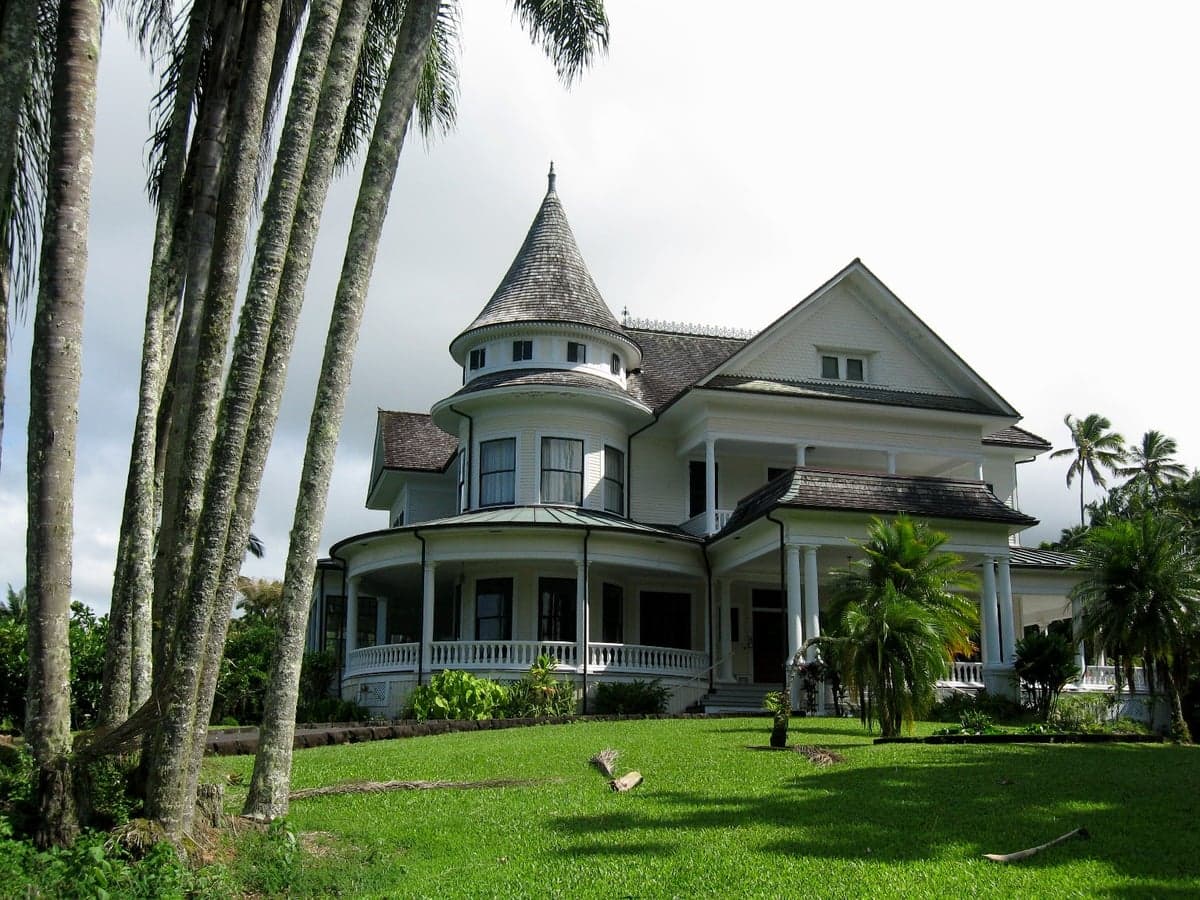
Photo: Wikipedia
Personal Sovereignty in Hawaii County
Moderate friction. Expect trade-offs in some aspect of personal liberty and independence.
What does Personal Sovereignty tell us?
Personal Sovereignty measures your capacity for self-reliance and independence with minimal government friction. Higher scores mean fewer barriers between you and the way you want to live... but it assumes you have the space you need and good neighbors.
What does this tell us?
Personal Sovereignty measures your capacity for self-reliance and independence with minimal government friction. Higher scores mean fewer barriers between you and the way you want to live... but it assumes you have the space you need and good neighbors.
State Policy
Energy independence: Importer (2% of energy produced in-state)
Personal Liberty
Homesteading

Personal Liberty Analysis
Hawaii County, the Big Island, presents a paradox for those seeking personal sovereignty: it offers the most land, the lowest population density, and the greatest potential for self-reliance in the state, yet it operates under a state government that consistently ranks among the most restrictive in the nation on gun rights, property taxes, and business regulation. For the conservative-leaning individual or family looking to escape the tightening grip of mainland overreach, the Big Island is not a libertarian haven but a high-risk, high-reward frontier where autonomy is earned through sheer geography and personal grit, not protected by law. The key is understanding that the county’s vast, rural districts—from the lava fields of Puna to the ranchlands of Waimea—offer vastly different realities than the more regulated, tourist-dependent Kona and Hilo corridors.
Tax burden and regulatory posture: the cost of doing business in paradise
Hawaii’s state-level tax burden is the highest in the nation, and Hawaii County is not exempt. Property taxes are comparatively low—around 0.6% of assessed value—but the state’s general excise tax (GET) of 4% applies to nearly every transaction, including rent, groceries, and services, effectively functioning as a hidden sales tax. For a prepper or homesteader, this means every tool, seed, and building material you import is taxed before you even break ground. The county’s regulatory posture is mixed: building permits in Hilo and Kailua-Kona can take months due to zoning and environmental reviews, while rural districts like Pahoa and Ocean View operate with a more laissez-faire enforcement culture, especially for off-grid structures. However, the state’s land use commission retains ultimate authority, and any attempt to subdivide agricultural land for multiple dwellings triggers costly hearings. The bottom line: the tax burden is heavy, but the regulatory enforcement is uneven, favoring those who buy land in less-populated, less-monitored zones.
Self-defense and gun law specifics: what you can and cannot own
Hawaii’s gun laws are among the most restrictive in the United States, and the Big Island offers no local carve-outs. The state requires a permit to acquire a firearm, a 14-day waiting period, and registration of all handguns. Open carry is effectively banned, and concealed carry is nearly impossible to obtain—the county police chief issues permits only with "exceptional cause," which is rarely granted. Magazine capacity is limited to 10 rounds, and "assault weapons" are defined broadly, banning many common rifles. For the survivalist, this means your primary defensive tools are limited to bolt-action rifles, shotguns, and handguns with low capacity. Waimea and Kamuela have a stronger hunting culture, but even there, gun owners face the same state-level hurdles. The practical workaround is to focus on non-firearm self-defense (dogs, security systems, community watch) and to store ammunition and parts legally, as any violation can result in felony charges. The state’s firearm registry is a concern for those who value privacy, but enforcement in rural areas is lax unless you draw attention.
Self-reliance and homesteading viability: lot sizes, zoning, and off-grid feasibility
This is where Hawaii County shines for the prepper mindset. The county allows off-grid living with few restrictions in many zones, especially on agricultural land. Minimum lot sizes in agricultural districts are typically 1 to 3 acres, but in the Puna district—areas like Pahoa, Kalapana, and Fern Forest—lots as small as 1 acre are common, and many homes operate entirely on solar, rainwater catchment, and composting toilets. The county does require a building permit for any structure over 200 square feet, but enforcement is spotty in remote areas. Ocean View (the Kau district) is particularly known for its "off-grid" subdivisions where residents live without county water or power, and the local culture is fiercely independent. Zoning for livestock, gardens, and small-scale agriculture is permissive on ag land, but beware: the state’s right-to-farm laws are weak, and neighbors can complain about noise or odor. For the serious homesteader, Waimea (Kamuela) offers larger parcels (5-20 acres) with better soil and water access, but at a higher price point. The volcanic soil in Puna is rich but requires constant management of invasive species. The biggest challenge is not the county but the state: importing building materials, tools, and even seeds is expensive due to shipping costs and agricultural inspections.
Personal liberties: parental rights, medical autonomy, speech, and property
Hawaii’s state government has a strong progressive tilt, which directly impacts personal liberties. Parental rights are weaker than in many mainland states: the state mandates comprehensive sex education, and vaccine exemptions for schoolchildren are limited to medical reasons only (no religious or philosophical exemptions). Medical autonomy is similarly constrained—Hawaii has strict prescription drug monitoring and has considered vaccine mandates for adults. Free speech is protected under the First Amendment, but the state’s "hate speech" laws and social media regulations are broader than in many red states. Property rights are the most concerning for the prepper: the state’s land use commission can designate "important agricultural lands" that restrict development, and the county’s planning department has broad discretion to deny permits for "non-conforming" uses. In practice, rural areas like Pahoa and Ocean View have a strong culture of ignoring minor code violations, but a disgruntled neighbor can trigger an enforcement action. The county sheriff’s office is generally hands-off in disputes unless violence is involved, but the state police (Hawaii Department of Public Safety) have jurisdiction over firearms and drug laws.
Overall, Hawaii County offers a unique trade-off: the highest potential for physical self-reliance (land, water, food) in the state, paired with the highest risk of state-level overreach into your personal life. Compared to mainland alternatives like rural Idaho or Montana, the Big Island has weaker gun rights, higher taxes, and more bureaucratic hurdles for building and business. But for those willing to navigate the regulatory maze and live in remote, off-grid communities like Pahoa or Ocean View, the Big Island provides a level of physical isolation and self-sufficiency that is increasingly rare in the lower 48. The key is to buy land in a low-enforcement zone, keep a low profile, and accept that your sovereignty will be exercised through practical autonomy rather than legal protection. If you value freedom from neighbors and government inspectors more than freedom to carry a concealed weapon, this may be your best bet in the Pacific.

* Values derived from national, state, county, city and local statistics and may differ in a specific area. Last updated: 2026-05-21T16:15:07.000Z
Narrative content on this page is AI-generated and may contain mistakes. Verify any details that matter before acting on them.
ReloMaps may earn a commission from affiliate links at no extra cost to you.

