Photo: Wikipedia
Quality of Life in Hawaii County
A livable area that tracks near national norms for affordability, walkability, and neighborhood health.
What does Quality of Life tell us?
Quality of Life measures an area by evaluating factors like cost of living, nearby amenities, country club access, airport proximity, socioeconomic signals and neighborhood character. For large states, this is a general average — quality of life can vary dramatically between metro areas, suburbs, and rural communities within the same state.
What does this tell us?
Quality of Life measures an area by evaluating factors like cost of living, nearby amenities, country club access, airport proximity, socioeconomic signals and neighborhood character. For large states, this is a general average — quality of life can vary dramatically between metro areas, suburbs, and rural communities within the same state.
Cost of Living
42% above national average
56%
The Real Cost of Living in Hawaii County for 2026
| Tier | Individual | Family (4) |
|---|---|---|
| Survival | $23k | $42k |
| Comfortable | $94k | $139k |
| Luxury | $139k+ | $216k+ |
| Elite (Top 5%) | $168k+ | $261k+ |
Quality-of-Life Analysis
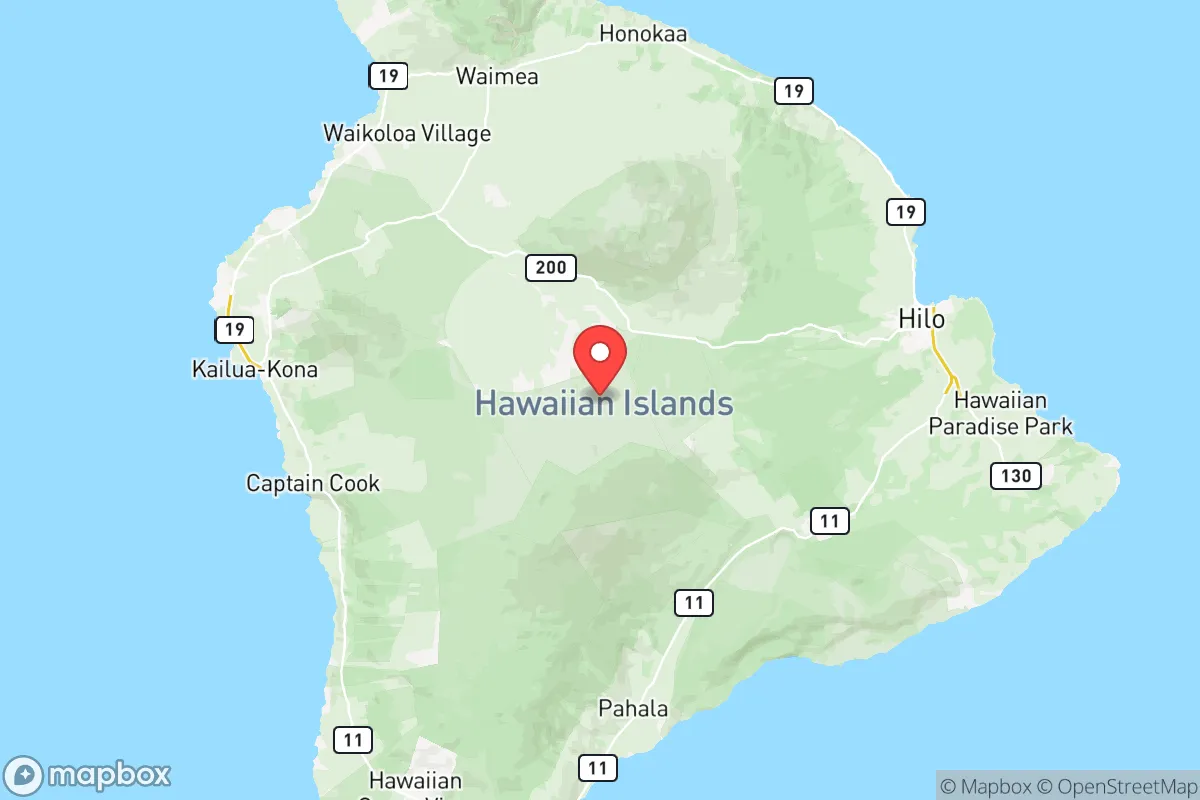
Hawaii County, encompassing the entire Big Island, offers a quality-of-life spectrum that ranges from the humid, amenity-rich Kona coast to the rainier, more affordable Hilo side and the remote, volcanic rural interiors. The county draws a mix of retirees seeking warm weather, remote workers lured by lower mainland housing costs, and agricultural homesteaders, with each group gravitating toward a different part of the island. Daily life varies dramatically depending on whether one lives in a coastal resort town, a historic plantation village, or a lava-field subdivision.
Largest town(s) & population centers
Hilo, the county seat on the east side, is the largest population center with roughly 45,000 residents. Daily life here is defined by a working port, the University of Hawaii at Hilo, and a walkable downtown with farmers markets and local restaurants. The trade winds bring frequent rain, keeping the landscape lush but requiring residents to adapt to a wetter climate. On the west side, Kailua-Kona serves as the primary tourist and commercial hub, with a drier, sunnier climate, resort-lined beaches, and a bustling Ali'i Drive. Waimea (Kamuela), in the north-central uplands, is a smaller but significant town known for paniolo (Hawaiian cowboy) culture, private schools, and ranching, offering a cooler, breezier alternative to the coasts. These three towns anchor the county's employment, healthcare, and retail options.
Smaller towns & rural pockets
Beyond the main hubs, Hawaii County is dotted with distinct smaller communities. Pahoa, on the lower Puna coast, is a former sugar plantation town that has become a magnet for off-grid homesteaders and artists, with a funky, laid-back vibe and lava-zone subdivisions. Volcano Village, perched at 4,000 feet elevation near Hawaii Volcanoes National Park, offers a cool, misty environment with a strong community of scientists, writers, and nature enthusiasts. Honokaa on the Hamakua Coast is a historic sugar town with a preserved main street and a slower pace. Captain Cook and Kealakekua in South Kona are rural coffee-farming communities with narrow, winding roads and ocean views. Pahala and Naalehu in the deep south (Ka'u district) are among the most remote and affordable areas, with limited services and a strong sense of isolation.
Cost & lifestyle range
The cost of living varies significantly across the county. The overall cost-of-living index is 142 (42% above the U.S. average), but this masks a wide spread. The median home value is $486,400, and median rent is $1,411. At the high end, Kailua-Kona and the luxury resort areas of Waikoloa and Mauna Lani command premium prices, with many homes exceeding $1 million and a lifestyle centered on golf, ocean sports, and dining. In the middle, Hilo and Waimea offer more attainable housing, with Hilo's older homes often priced below the county median. At the low end, the Puna district (particularly Pahoa and the Hawaiian Beaches subdivision) and the Ka'u district (Pahala, Naalehu) have the most affordable housing, with some homes under $300,000, but these areas often lack paved roads, county water, and reliable internet. The average commute across the county is 27.7 minutes, but residents in rural Puna or Ka'u may drive 45-60 minutes one way to reach jobs or grocery stores in Hilo or Kona.
This county is best suited for those who value natural beauty, space, and a slower pace over urban convenience. Retirees and remote workers with stable incomes often thrive in the Kona or Waimea areas, while homesteaders and those willing to trade amenities for affordability find their niche in Puna or Ka'u. The trade-offs are real: limited healthcare specialists, frequent vog (volcanic smog) downwind of Kilauea, and a higher cost for goods due to shipping. But for those who embrace the island's diversity, Hawaii County offers a quality of life unmatched in its range of climates, communities, and lifestyles.

Crime in Hawaii County
Generally safer than 62% of comparable U.S. locations.
Violent CrimeViolent Crime Analysis
Property CrimeProperty Crime Analysis
Crime Analysis
Hawaii County, encompassing the entire Big Island, reports a violent crime rate of 215 incidents per 100,000 residents and a property crime rate of 1,680 per 100,000, placing it in a middle tier for safety within the state. While these figures are lower than many mainland U.S. counties of similar size, the island’s unique geography and dispersed population create significant variation in risk from one town to the next. The county’s overall safety picture is shaped by a mix of rural isolation, tourism-driven property crime, and a judicial system that leans progressive, which can influence how offenders are handled and how safe residents feel in their daily lives.
Crime in context
Hawaii County’s violent crime rate of 215 per 100,000 is roughly 40% lower than the national average of 370 per 100,000, but it is notably higher than the statewide Hawaii average of approximately 250 per 100,000. Property crime, at 1,680 per 100,000, is about 15% higher than the national average of 1,460 per 100,000, driven largely by thefts from vehicles and break-ins in tourist-heavy areas. Compared to other Hawaiian counties, Hawaii County has a higher property crime rate than Kauai (around 1,400 per 100,000) but a lower violent crime rate than Honolulu County (which hovers near 280 per 100,000). The county’s district attorneys and judges in Hilo and Kona have been criticized by some residents for a progressive approach to sentencing, including diversion programs and reduced bail for non-violent offenders, which critics argue contributes to a revolving-door effect for property crime.
What residents experience
For those living on the Big Island, the experience of crime is highly localized. Hilo, the county seat and largest town, sees the highest concentration of both violent and property crime, with incidents often clustered around downtown areas and public housing complexes. Kailua-Kona, the main tourist hub on the west side, reports elevated property crime rates—particularly thefts from rental cars and hotel rooms—while violent crime there is less frequent but still a concern near nightlife corridors. In contrast, smaller communities like Waimea (Kamuela) and Volcano Village are generally considered safer, with lower crime rates driven by tight-knit populations and fewer transient visitors. Puna district, including Pahoa and Hawaiian Beaches, has seen a rise in property crime linked to population growth and limited police presence, though violent crime remains below county averages. Residents in rural areas like Naalehu and Hawi often report feeling safe but note that response times from law enforcement can exceed 30 minutes due to the island’s vast size.
Neighborhood-level variation is stark. Upper-income subdivisions in Kona (e.g., Holualoa) and Hilo (e.g., Waiakea Uka) have crime rates comparable to the safest mainland suburbs, while lower-income areas near downtown Hilo and the Puna coast experience rates two to three times the county average. The county’s reliance on a single police station in Hilo and a substation in Kona means that remote areas like Ka’u and North Kohala have minimal patrol coverage, making them attractive targets for property crime. For prospective residents, the safest bet is to choose a neighborhood with a homeowners’ association or gated access, particularly in the Kona and Hilo suburbs, while avoiding high-traffic tourist zones and isolated rural subdivisions where police response is slow and progressive judicial policies may embolden repeat offenders.
* Values derived from national, state, county, city and local statistics and may differ in a specific area. Last updated: 2026-05-21T16:15:07.000Z
Narrative content on this page is AI-generated and may contain mistakes. Verify any details that matter before acting on them.
ReloMaps may earn a commission from affiliate links at no extra cost to you.

