 Popular
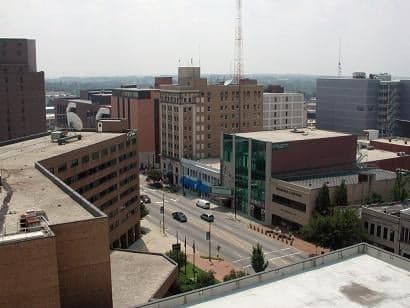
Photo: Wikipedia
Quality of Life in High Point, NC
Above-average quality of iife. The area offers a reasonable cost of living, decent mobility, and a mix of neighborhood amenities.
What does Quality of Life tell us?
Quality of Life blends cost of living, nearby amenities, socioeconomic signals, and neighborhood character. City-level scores represent the whole municipality; individual neighborhoods can differ.
What does this tell us?
Quality of Life blends cost of living, nearby amenities, socioeconomic signals, and neighborhood character. City-level scores represent the whole municipality; individual neighborhoods can differ.
Cost of Living
15% below national average
The Real Cost of Living in High Point, NC for 2026
| Tier | Individual | Family (4) |
|---|---|---|
| Survival | $17k | $32k |
| Comfortable | $41k | $61k |
| Luxury | $111k+ | $171k+ |
| Elite (Top 5%) | $140k+ | $217k+ |
101%
The Area Signal
A metric tracking the socioeconomic signals of the area.
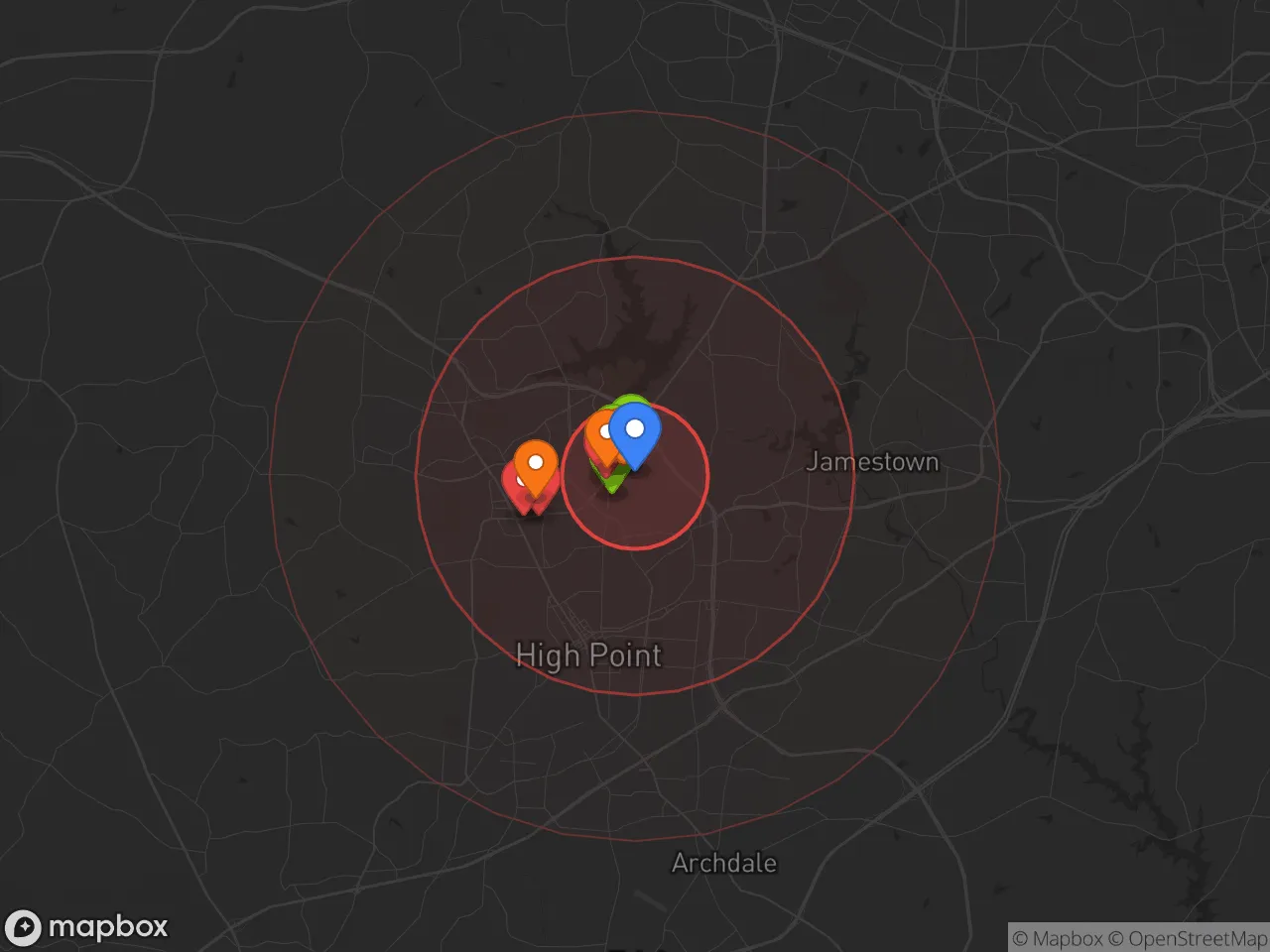
Hobbies
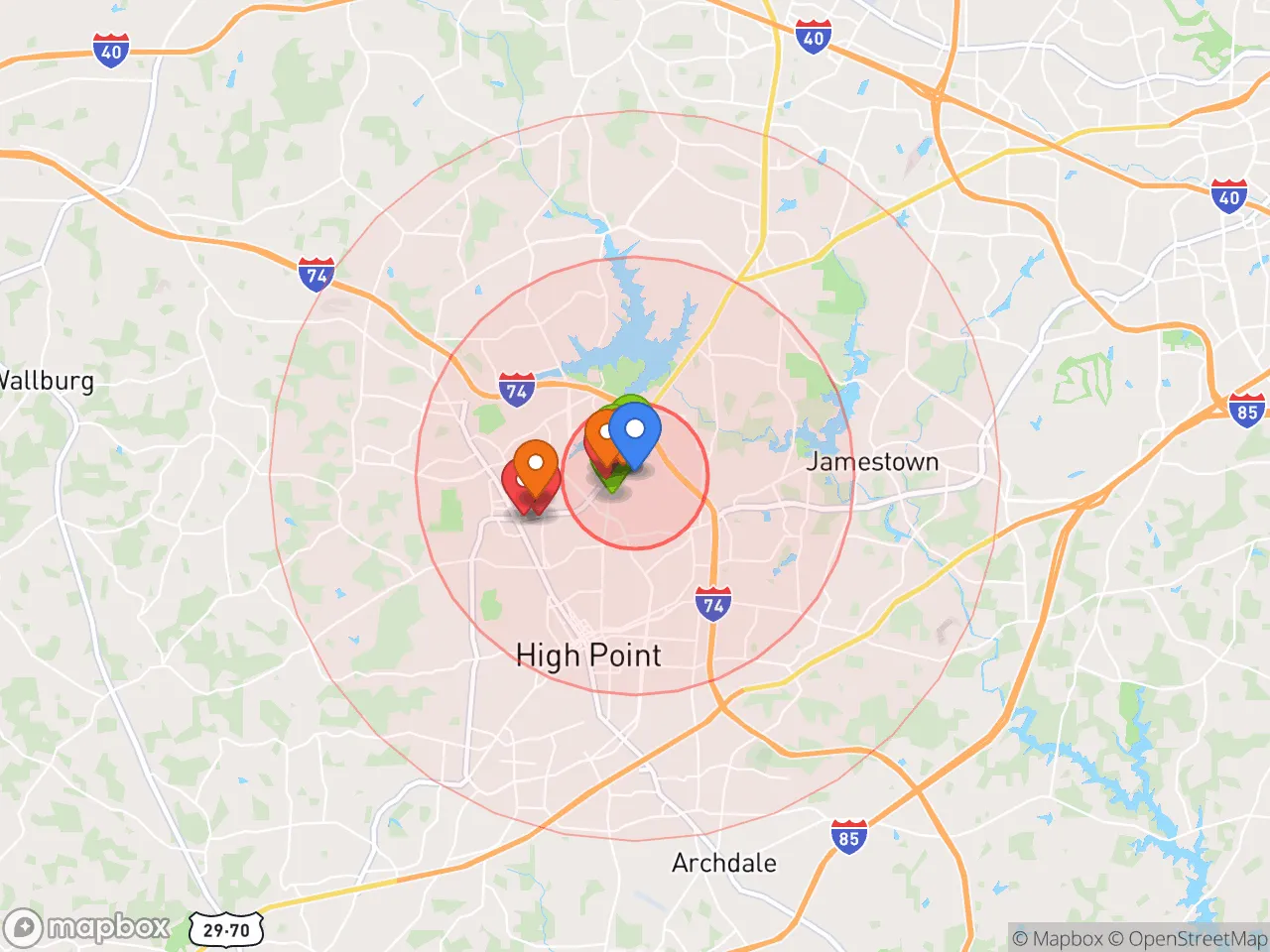
Explore the areaGroceries
6 within 10 miles
Gas
20 within 10 miles
Hospital
13 within 20 miles
Airport
RDU — Raleigh–Durham International
Post Office
USPS — High Point, NC
Critical Amenities
Quality-of-Life Analysis
High Point, North Carolina, offers a quality of life defined by solid middle-class stability and a notably lower cost of living than much of the surrounding Piedmont Triad region. With a cost of living index of 85 (where 100 is the U.S. average), the city attracts a mix of manufacturing workers, furniture industry professionals, and families seeking affordable homeownership without sacrificing access to a major metropolitan area. The population skews toward long-term residents and blue-collar households, though recent growth has brought a modest influx of remote workers and retirees drawn by the value proposition.
Cost of living, housing affordability, and how High Point compares to Greensboro and Winston-Salem
High Point’s housing market is the primary driver of its affordability, with a median home value of $212,400 — roughly 30% below the national median and significantly cheaper than nearby Greensboro ($245,000) or Winston-Salem ($230,000). The median rent of $1,062 is also well under the national average of $1,400, making the city one of the more budget-friendly options in the Triad for renters. The average commute of 21.2 minutes is shorter than the national average of 26 minutes, a practical advantage for workers employed at major local employers like High Point University, furniture showrooms, or the nearby Honda Aircraft Company plant. Property taxes in Guilford County are moderate, and overall utility costs run about 5% below the national average, further stretching household budgets.
What daily life is like: amenities, schools, and the local rhythm
Daily life in High Point revolves around a slower pace than Charlotte or Raleigh, but with solid access to urban amenities. The city’s public school system, Guilford County Schools, is the third-largest in North Carolina and includes magnet programs at schools like Penn-Griffin School for the Arts and the Early College at Guilford. For recreation, the 145-acre High Point City Lake Park offers walking trails, paddleboats, and a seasonal farmers market, while the nearby Piedmont Environmental Center provides 12 miles of hiking trails. The city’s furniture market — the semi-annual High Point Market — draws over 75,000 visitors and temporarily transforms the downtown, but for most residents, the rhythm is suburban: strip-mall shopping along Main Street, local diners like Biscuitville, and easy drives to Greensboro’s restaurants or Winston-Salem’s arts scene. Healthcare access is solid, with High Point Medical Center (a Wake Forest Baptist Health affiliate) providing a Level II trauma center and the region’s only burn center.
High Point is best suited for budget-conscious homebuyers, families seeking good schools without premium housing costs, and workers in manufacturing, logistics, or furniture-related industries. Retirees on fixed incomes will also find the low property taxes and mild climate appealing, though those seeking a vibrant downtown nightlife or walkable urban core may find the city too car-dependent and quiet. For anyone prioritizing affordability, a short commute, and a stable, family-oriented environment over trendiness, High Point delivers a practical and comfortable quality of life that is increasingly rare in North Carolina’s growing metros.

Crime in High Point, NC
Higher crime rates than 62% of comparable U.S. locations.
Violent CrimeViolent Crime Analysis
Property CrimeProperty Crime Analysis
Crime Analysis
High Point, North Carolina, reports a violent crime rate of 299.4 incidents per 100,000 residents and a property crime rate of 1,659.9 per 100,000, according to the most recent FBI data. These figures place the city in a middle tier for safety within the Piedmont Triad region, but the overall picture is complicated by the progressive judicial policies of Guilford County, which includes High Point. The county's district attorney and judges, who lean liberal, have implemented reforms that prioritize reducing incarceration and diverting offenders from jail, a philosophy that critics argue directly contributes to higher recidivism and more criminals remaining on the street.
Crime in context
High Point's violent crime rate of 299.4 per 100,000 is roughly 20% below the national average of 380 per 100,000, but it is significantly higher than the North Carolina state average of approximately 240 per 100,000. Property crime in High Point, at 1,659.9 per 100,000, sits slightly above the national average of 1,954 per 100,000 but is notably higher than the state average of roughly 1,500 per 100,000. These numbers reflect a city that is safer than many large metros but still faces challenges, particularly when compared to smaller, more conservative jurisdictions in the surrounding counties like Davidson and Randolph, which report lower crime rates and employ tougher sentencing practices.
What residents experience
Residents in High Point frequently report property crimes such as vehicle break-ins, package theft, and burglary as the most common safety concerns, particularly in neighborhoods near the city's core and along major corridors like Main Street and Eastchester Drive. Violent crime, while less frequent, is often concentrated in specific areas and tied to drug-related activity or domestic disputes. The progressive approach of Guilford County's justice system—including a district attorney who has publicly supported bail reform and diversion programs—has led to a perception among many residents that offenders face minimal consequences. This has eroded trust in the system's ability to deliver justice for victims, as repeat offenders are frequently released without significant penalties, contributing to a sense of insecurity in otherwise stable neighborhoods.
Neighborhood-level variation is significant. Areas west of Highway 311 and near the High Point University campus tend to have lower crime rates, while neighborhoods east of the city center, such as those around Washington Drive and parts of the Southside, experience higher rates of both violent and property crime. Prospective residents are advised to research specific census tracts, as crime rates can vary by a factor of three or more between adjacent neighborhoods. The influence of progressive judicial policies means that even in safer areas, residents should remain vigilant, as the lenient treatment of offenders can lead to crime spilling over from higher-crime zones into more affluent parts of the city.
* Values derived from national, state, county, city and local statistics and may differ in a specific area. Last updated: 2026-05-03T20:28:11.000Z
Narrative content on this page is AI-generated and may contain mistakes. Verify any details that matter before acting on them.
ReloMaps may earn a commission from affiliate links at no extra cost to you.

