 Popular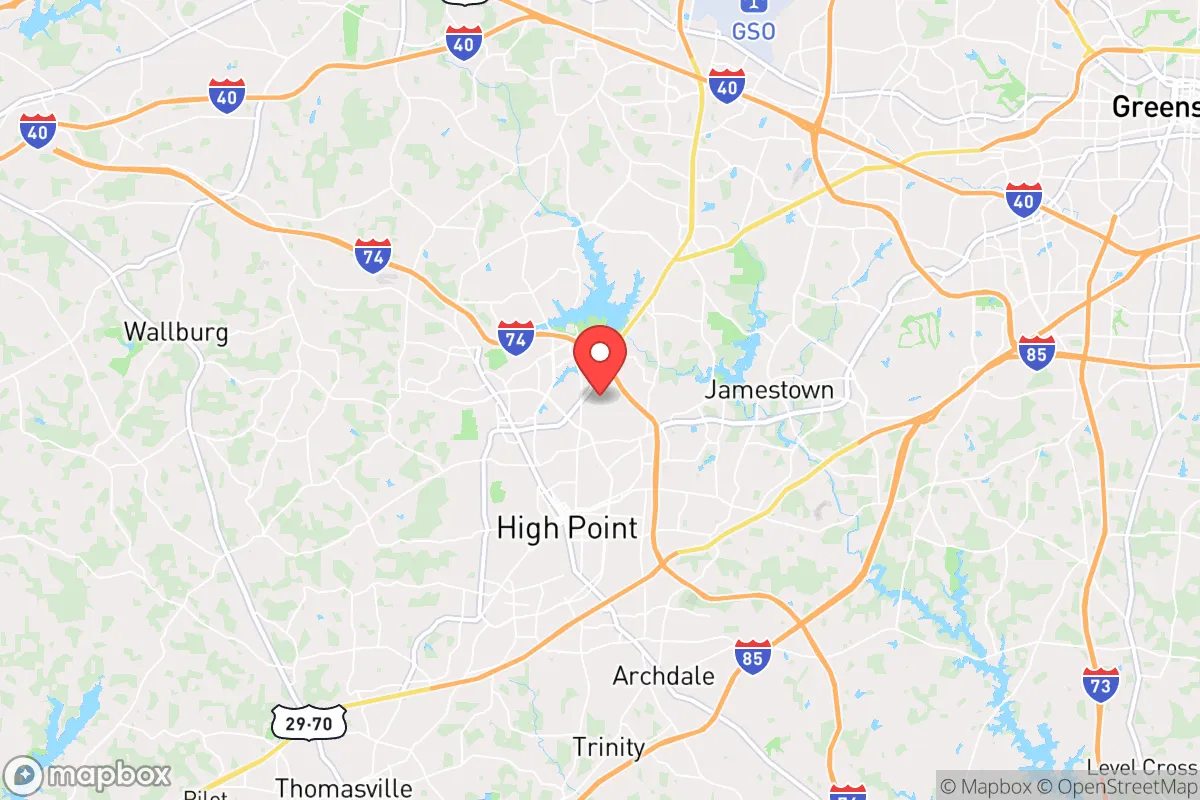
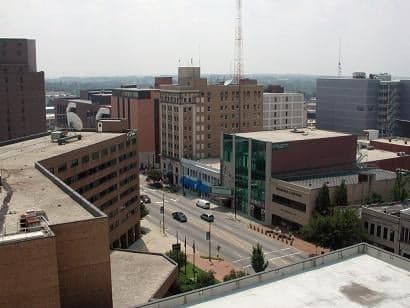
Photo: Wikipedia
Political ClimatePolitical Climate in High Point, NC
District shown is the primary district for this city’s centroid. Cities may span multiple districts.
Local Political AnalysisPolitical Analysis of High Point, NC
High Point, North Carolina, has long been a solidly conservative community, and the numbers back that up with a Cook PVI of R+9, meaning the city leans nearly ten points more Republican than the national average. But if you’ve lived here as long as I have, you’ve felt the political ground shift under your feet. The old High Point—where folks kept their heads down, went to church, and expected the government to stay out of their business—is still the majority, but there’s a growing progressive push, especially from the influx of folks moving up from the Triad’s more liberal hubs like Greensboro and Winston-Salem. The real story isn’t just the lean; it’s the tension between that deep-rooted conservatism and the creeping influence of bigger-city politics.
How it compares
Compared to its neighbors, High Point is the quiet conservative cousin. Greensboro, just a 20-minute drive east, has a Cook PVI of D+18 and a city council that’s been pushing things like sanctuary city policies and defunding police rhetoric. Winston-Salem isn’t far behind with a D+7 lean. Drive south to Archdale or Trinity, and you’re back in deep red territory, but High Point sits right on that dividing line. The city itself is a patchwork: the southern and western parts of town vote reliably Republican, while the areas closer to the Greensboro line—especially around the new developments off Eastchester Drive—are starting to trend purple. It’s not uncommon to see a Trump sign on one block and a “Hate Has No Home Here” yard sign two streets over. That split is new, and it’s unsettling for those of us who remember when the biggest political debate was about the school bond referendum.
What this means for residents
For the average High Point resident, this political shift means you can’t take your freedoms for granted anymore. The city council has already flirted with zoning ordinances that sound like “affordable housing initiatives” but read like government overreach into property rights. There’s been chatter about expanding the city’s non-discrimination ordinance to include sexual orientation and gender identity—which, on its face, sounds fine, but the fine print often gives the government more power to regulate private businesses and churches. The school board, once a sleepy affair, is now a battleground over curriculum transparency and parental rights. If you’re a conservative here, you’re not fighting against a liberal majority yet, but you’re definitely fighting against a slow creep of progressive policies that tell you the government knows better than you do about how to raise your kids, run your business, or use your property. The long-term trajectory depends on who shows up to vote in the local primaries—those are the races that actually decide your day-to-day life.
Culturally, High Point still holds onto its furniture-town roots, but the politics are getting sharper. You’ll still hear “yes, sir” and “no, ma’am” at the grocery store, but the city’s annual events—like the High Point Market and the Fall Festival—are increasingly used as platforms for social justice messaging. The police department, historically well-funded and community-oriented, is facing calls for reform that feel more like a solution in search of a problem. The real distinction is that High Point isn’t Greensboro yet, but it’s on a path that could get there if conservatives get complacent. The best thing about this town has always been that the government stays out of your way. That’s worth fighting to preserve.

State Political ClimatePolitical Climate in North Carolina
State Political AnalysisPolitical Environment in the State
North Carolina has long been considered a classic swing state, but over the past decade it has settled into a reliably red-leaning posture, particularly in presidential and down-ballot races. The state voted for Donald Trump in both 2016 and 2024, with the margin tightening to just over 1 point in the latter, while Republicans have maintained supermajorities in the General Assembly since 2022. The dominant coalition is a mix of rural conservatives, suburban moderates, and a growing number of fiscally conservative transplants from the Northeast and Midwest. The 10-20 year arc shows a state that has become more polarized but also more strategically conservative, with the GOP holding power through careful gerrymandering and a steady influx of retirees and families seeking lower taxes and fewer restrictions.
Urban vs. rural divide
The political map of North Carolina is a textbook study in contrast. The major metros—Charlotte, Raleigh-Durham, and Greensboro-Winston-Salem—are the blue anchors, driven by tech, finance, and university populations. Mecklenburg County (Charlotte) went for Biden by 20 points in 2020, and Wake County (Raleigh) by 25. Meanwhile, the rural east and west are deeply red: counties like Stokes, Yadkin, and Alleghany routinely vote 70-80% Republican. The real battleground is the suburbs: Union County (southeast of Charlotte) flipped from purple to deep red, while Cabarrus and Johnston counties have become reliably conservative as families flee the urban cores. The Fayetteville area, home to Fort Liberty, leans conservative but is influenced by a transient military population. The Asheville area (Buncombe County) is an outlier—a liberal mountain enclave surrounded by deep red rural counties, creating a microcosm of the state's divide.
Policy environment
North Carolina's policy environment is broadly conservative, with a few notable exceptions. The state has a flat income tax rate of 4.5%, which is scheduled to drop to 3.99% by 2027 under the 2021 tax reform. There is no state tax on Social Security benefits, and the standard deduction is generous. The regulatory posture is business-friendly, with right-to-work laws and a low corporate tax rate of 2.5%. Education policy has been a flashpoint: the state has a robust school choice program, including the Opportunity Scholarship Program, which now provides vouchers for any family regardless of income. Higher education is dominated by the UNC system, which has faced conservative pressure to eliminate DEI offices and protect free speech. Healthcare is a mixed bag—Medicaid expansion was finally adopted in 2023 under a Republican compromise, but the state did not set up its own exchange, relying on the federal marketplace. Election laws have been tightened: voter ID is now required (upheld by the state Supreme Court in 2024), and same-day registration was eliminated in 2023. The state also passed a 12-week abortion ban in 2023, with exceptions for rape, incest, and fetal anomalies, which was a significant shift after years of relative status quo.
Trajectory & freedom
On balance, North Carolina has been moving in a more freedom-oriented direction, particularly on economic and Second Amendment issues. The 2023 permitless carry law (HB 189) allows any law-abiding adult to carry a concealed handgun without a permit, a major expansion of gun rights. Parental rights were strengthened with the 2023 Parents' Bill of Rights (SB 49), which requires schools to notify parents about curriculum changes and prohibits instruction on gender identity and sexuality in K-4 classrooms. Medical autonomy has seen both gains and losses: the 12-week abortion ban restricted access, but the state also expanded telehealth and allowed pharmacists to prescribe birth control. Property rights are strong, with no state-level rent control and a relatively low property tax burden (average 0.78% of home value). However, there are concerning trends: the state has seen increased government overreach in the form of environmental regulations on agriculture and energy, particularly in the eastern counties where hog farming is prevalent. The 2023 "bathroom bill" repeal (HB 2 was replaced in 2017, but the issue resurfaced with local ordinances) shows the state is still wrestling with cultural battles. Overall, the trajectory is more free than a decade ago, but the pace is slower than many conservatives would like.
Civil unrest & political movements
North Carolina has a history of political activism that is both organized and visible. The 2020 protests in Charlotte and Raleigh over George Floyd's death were large but largely peaceful, though there were isolated incidents of property damage. The state has a strong Second Amendment movement, with regular "2A rallies" at the state capitol, particularly after the 2023 permitless carry law. Immigration politics are heated: while the state is not a sanctuary state, Durham and Orange counties have declared themselves "welcoming cities," and there have been clashes over ICE cooperation. The 2024 election integrity controversy centered on the state's voter ID law, which was challenged in court but ultimately upheld. There is a small but vocal secessionist movement in the western counties, with some residents calling for the creation of a "State of Franklin" (a historical reference to a failed state in the 1780s). The most visible flashpoint for a new resident would be the constant presence of political signs and bumper stickers—this is a state where people wear their politics openly. The Greensboro area has a notable libertarian streak, while Wilmington is a hotbed of conservative activism. The state's political movements are robust but rarely violent; the culture war is fought in school board meetings and county commission chambers, not in the streets.
Projection
Over the next 5-10 years, North Carolina is likely to remain a red-leaning state, but the margin will narrow. The key demographic shift is in-migration: the state is gaining about 100,000 new residents per year, many from blue states like New York, California, and Illinois. These transplants tend to be moderate to conservative on economic issues but more liberal on social issues, which could shift the suburbs toward purple. The rural counties will remain deeply red, but their population is stagnant or declining. The Charlotte and Raleigh metros will continue to grow, and if they become more liberal, the state could become a true toss-up again by 2032. However, the GOP's structural advantages—gerrymandered districts, a strong rural base, and a growing retiree population—will likely keep the state in the red column for most elections. The policy environment will probably see incremental conservative gains: further tax cuts, expanded school choice, and continued resistance to federal overreach. The wild card is the Research Triangle—if the tech and biotech sectors continue to attract a younger, more diverse workforce, the political center of gravity could shift. For someone moving in now, expect a state that is broadly conservative but with liberal islands, and a political climate that is competitive but not chaotic.
For a new resident, the bottom line is this: North Carolina offers a high degree of personal and economic freedom compared to most states, but it's not a libertarian paradise. You'll find lower taxes, strong gun rights, and a business-friendly environment, but you'll also encounter pockets of progressive governance in the cities and ongoing cultural battles over education and healthcare. If you're looking for a state where your vote matters and your values are respected, North Carolina is a solid choice—just be prepared to engage in the fight to keep it that way. The state is a battleground, but for now, the conservative coalition holds the line.
* Values derived from national, state, county, city and local statistics and may differ in a specific area. Last updated: 2026-05-03T20:28:11.000Z
Narrative content on this page is AI-generated and may contain mistakes. Verify any details that matter before acting on them.
ReloMaps may earn a commission from affiliate links at no extra cost to you.

