Find The Best Places To Live
in Trophy Club
PRO TIP! You can paste a Zillow or Redfin link to get info on that property.
What It's Like Living in Trophy Club, TX
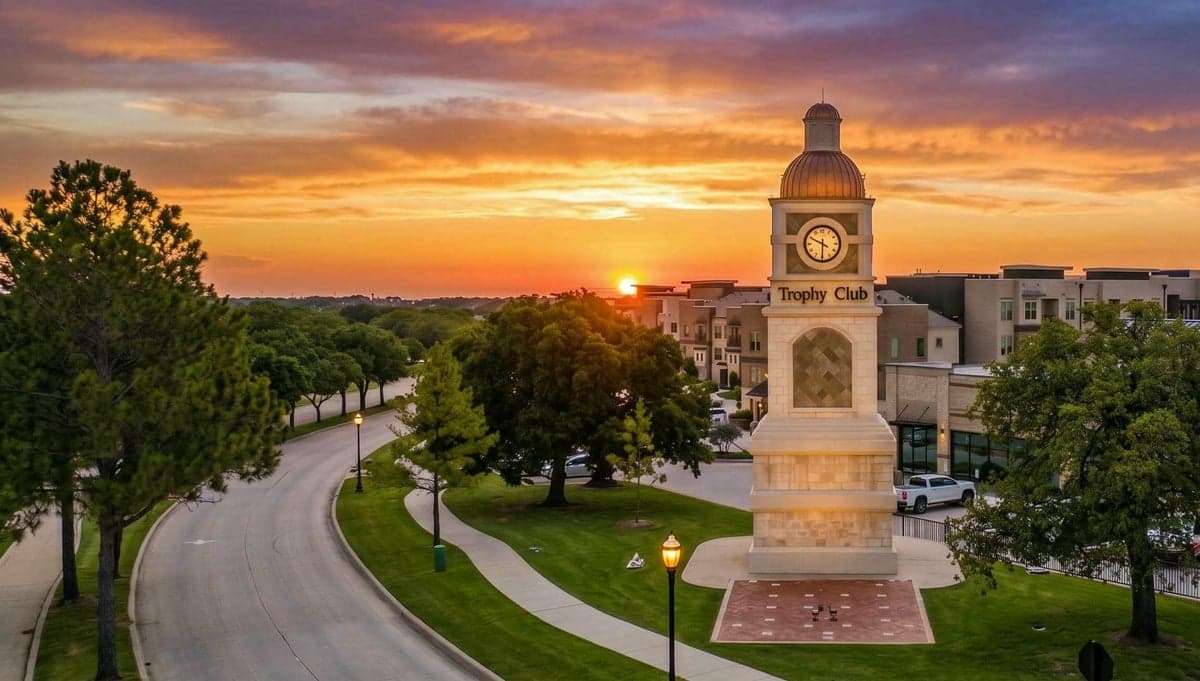
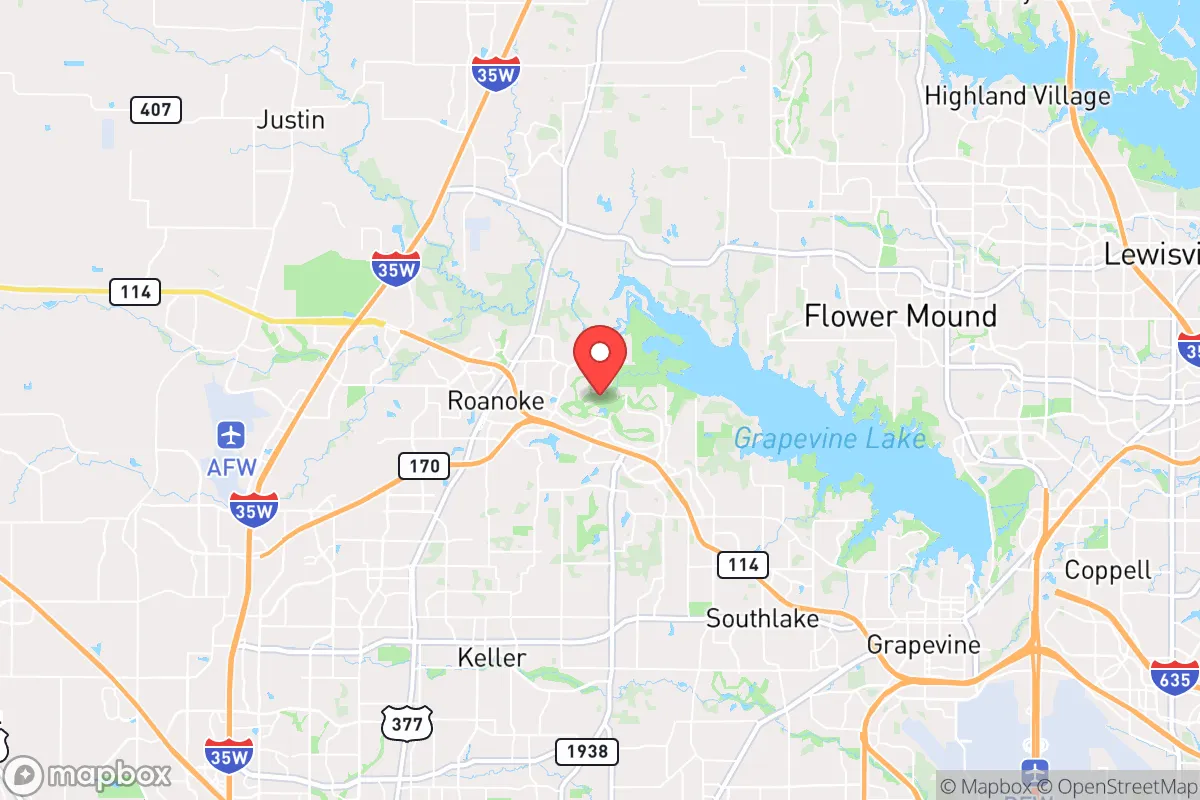
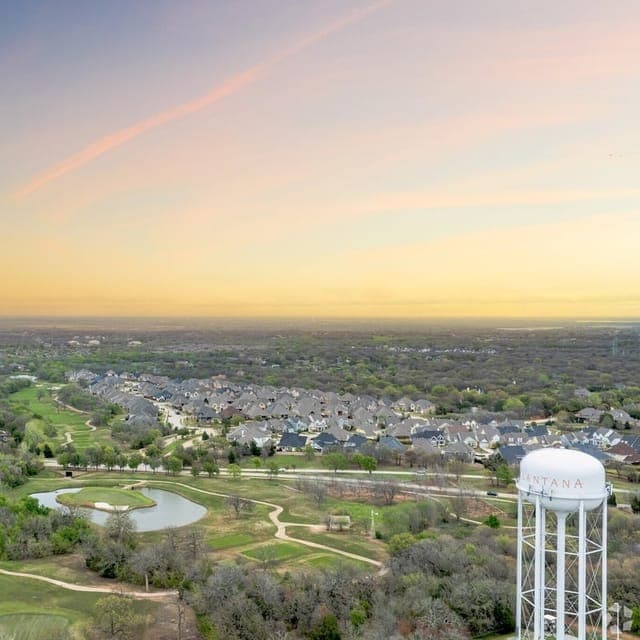
Trophy Club, Texas, feels less like a typical suburb and more like a deliberately crafted small town that happens to sit just northwest of Fort Worth. With a population hovering around 13,500, it’s the kind of place where the high school football game on Friday night is the social calendar’s anchor, and where the local H-E-B run is as likely to involve a conversation with a neighbor as it is a grocery list. The community was built around a golf course and an equestrian center, and that original DNA—active, outdoorsy, and privacy-minded—still defines daily life here more than any statistic could.
Daily Rhythm: Golf Carts, Commutes, and the Weekend Reset
Most mornings in Trophy Club start quietly. The median age of 42.9 reflects a population that’s largely past the chaos of early parenthood but still deep in career-building mode. The average commute of about 25 minutes is a genuine perk—short enough that you’re not eating into family time, long enough that you feel connected to the job markets in Fort Worth or the Alliance corridor. You’ll see people heading out for a run along the winding, tree-lined roads before the sun’s fully up, and by late afternoon, the golf carts come out. They’re not just for the course; they’re a legitimate mode of transport for trips to the clubhouse, the pool, or a neighbor’s house. The Trophy Club Country Club is the social and recreational hub, with two 18-hole courses, tennis courts, and a swim center that feels like the summer headquarters for families. On weekends, many residents head to Roanoke (five minutes east) for dinner at places like Hard Eight BBQ or the more upscale Q36, or they stay local and grab a bite at The Tavern in the club’s commercial strip. There’s no downtown square—that’s a quirk that surprises newcomers—but the lack of commercial hustle is part of the appeal for people who want their home life separate from errands.
Sports, Schools, and the Community Glue
If you want to understand Trophy Club’s identity, look at what happens on a Friday night in the fall. The town is zoned to the Northwest Independent School District, and Byron Nelson High School (named for the golf legend) is the epicenter of local pride. Football games draw crowds that include empty-nesters and young couples without kids—it’s a genuine community event, not just a parent obligation. The school’s teams are consistently competitive, and the booster culture is strong, which matters to families considering a move. Beyond high school sports, the town’s proximity to Texas Motor Speedway (about 15 minutes east) means NASCAR and IndyCar weekends bring a surge of energy and traffic. For pro sports, Fort Worth’s Dickies Arena and Globe Life Field in Arlington are both within a 30-minute drive, so catching a Rangers game or a rodeo is a regular outing, not a special trip. The equestrian roots also show up in events at the Trophy Club Equestrian Center, which hosts shows and clinics that keep the rural-meets-suburban character alive.
What’s There to Do: Parks, Patios, and the Occasional Festival
Outdoor life is the main entertainment. Marshall Creek Park offers trails, a playground, and a fishing pond that’s popular with younger kids. The Denton Creek Trail system connects to neighboring communities and is well-used by runners and cyclists. For a bigger outing, Lake Grapevine is 15 minutes south, with boating, hiking, and the Grapevine Vintage Railroad for a low-key weekend excursion. Festival-wise, Trophy Club itself keeps things low-key—the Fourth of July celebration at the country club is the biggest annual event, with fireworks and a parade that feels genuinely small-town. For more variety, Roanoke’s Depot Days and Southlake’s Stars & Stripes are close enough to feel local. Dining leans toward reliable chains and a few local gems: Brix 42 in Roanoke for wood-fired pizza, Mama’s Pizza in Keller for a family staple, and Chimy’s in Fort Worth for a rowdier night out. The bar scene is thin within Trophy Club itself—most people head to Roanoke’s Main Street or Fort Worth’s West 7th for a proper evening.
Pros and Cons of Living Here
- What residents love: The safety is tangible—the violent crime rate of 21.9 per 100,000 is dramatically lower than national averages, and people genuinely don’t lock their doors in some neighborhoods. The schools are a clear draw, with high ratings and strong extracurriculars. The commute-to-lifestyle balance is hard to beat: you’re 25 minutes from downtown Fort Worth but feel like you’re in a rural enclave. The median household income of $193,026 reflects a population that values privacy and space, and the 68.4% college-educated rate means your neighbors are likely professionals who share your priorities.
- What frustrates them: The cost of living index sits at 181, and the median home value of $617,000 puts Trophy Club out of reach for many young families or single professionals starting out. There’s no real downtown or walkable commercial district—if you want a coffee shop or a bookstore, you’re driving to Roanoke or Southlake. The HOA rules in many neighborhoods are strict, particularly around landscaping and exterior changes, which can feel stifling to newcomers. Traffic on Highway 114 during rush hour can back up, especially near the Roanoke junction, and the summer heat (June through September regularly hits 95°F+) limits outdoor activity to early mornings or evenings.
The kind of person who fits in here is someone who values quiet, space, and a strong sense of community without wanting to be in the middle of the action. It’s a place for established professionals, families with school-aged kids, and empty-nesters who want golf course views and low crime. Single people might find it a bit sleepy unless they’re deeply into golf or equestrian life. The cultural quirk is the pride in being “not Southlake”—residents like that Trophy Club feels less manicured and competitive, more about actual neighborly connection than keeping up appearances. If you want a place where you know your mail carrier’s name and the high school football coach is a local celebrity, and you can afford the premium for that, Trophy Club delivers exactly what it promises.

Similar towns to Trophy Club
* Values derived from national, state, county, city and local statistics and may differ in a specific area. Last updated: 2026-05-16T22:26:59.000Z
Narrative content on this page is AI-generated and may contain mistakes. Verify any details that matter before acting on them.
ReloMaps may earn a commission from affiliate links at no extra cost to you.

