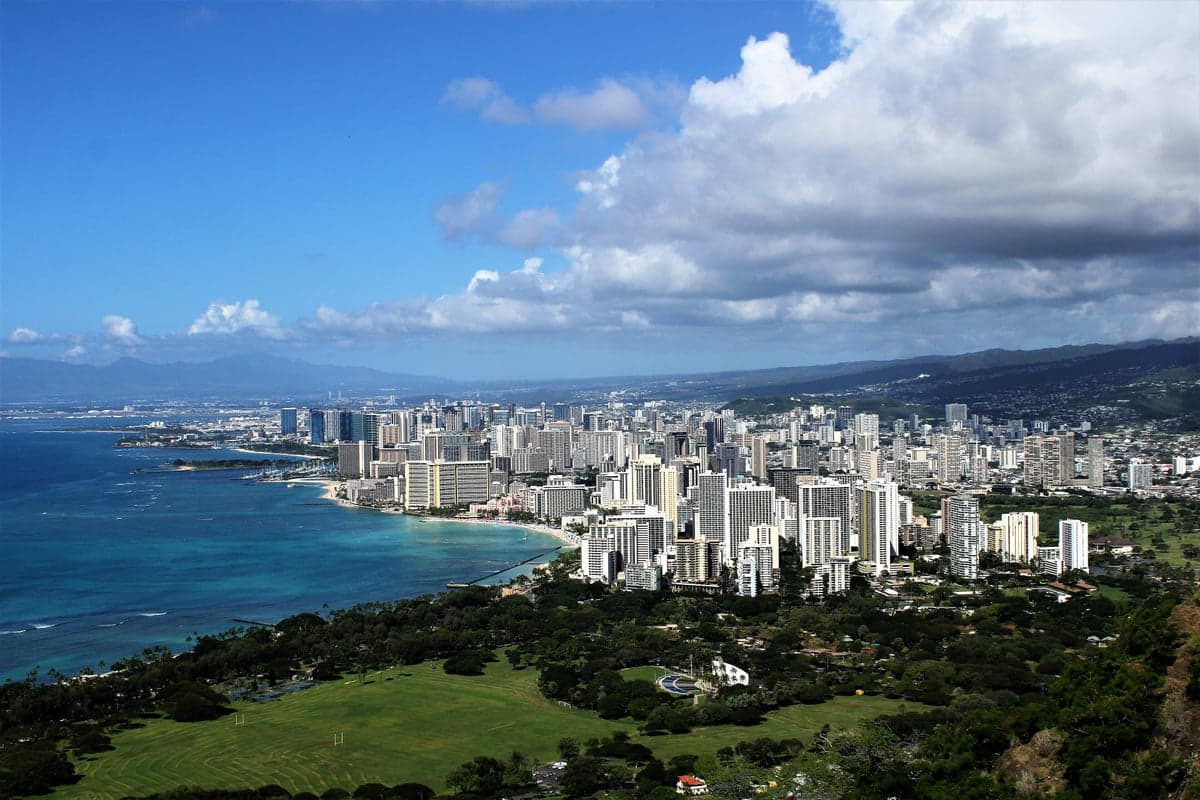
Photo: Wikipedia
Quality of Life in Honolulu, HI
A high quality of life with strong walkability, manageable living costs, healthy neighborhood signals, and solid amenity access.
What does Quality of Life tell us?
Quality of Life blends cost of living, nearby amenities, socioeconomic signals, and neighborhood character. City-level scores represent the whole municipality; individual neighborhoods can differ.
What does this tell us?
Quality of Life blends cost of living, nearby amenities, socioeconomic signals, and neighborhood character. City-level scores represent the whole municipality; individual neighborhoods can differ.
Cost of Living
110% above national average
The Real Cost of Living in Honolulu, HI for 2026
| Tier | Individual | Family (4) |
|---|---|---|
| Survival | $28k | $53k |
| Comfortable | $116k | $171k |
| Luxury | $154k+ | $239k+ |
| Elite (Top 5%) | $201k+ | $311k+ |
50%
The Area Signal
A metric tracking the socioeconomic signals of the area.
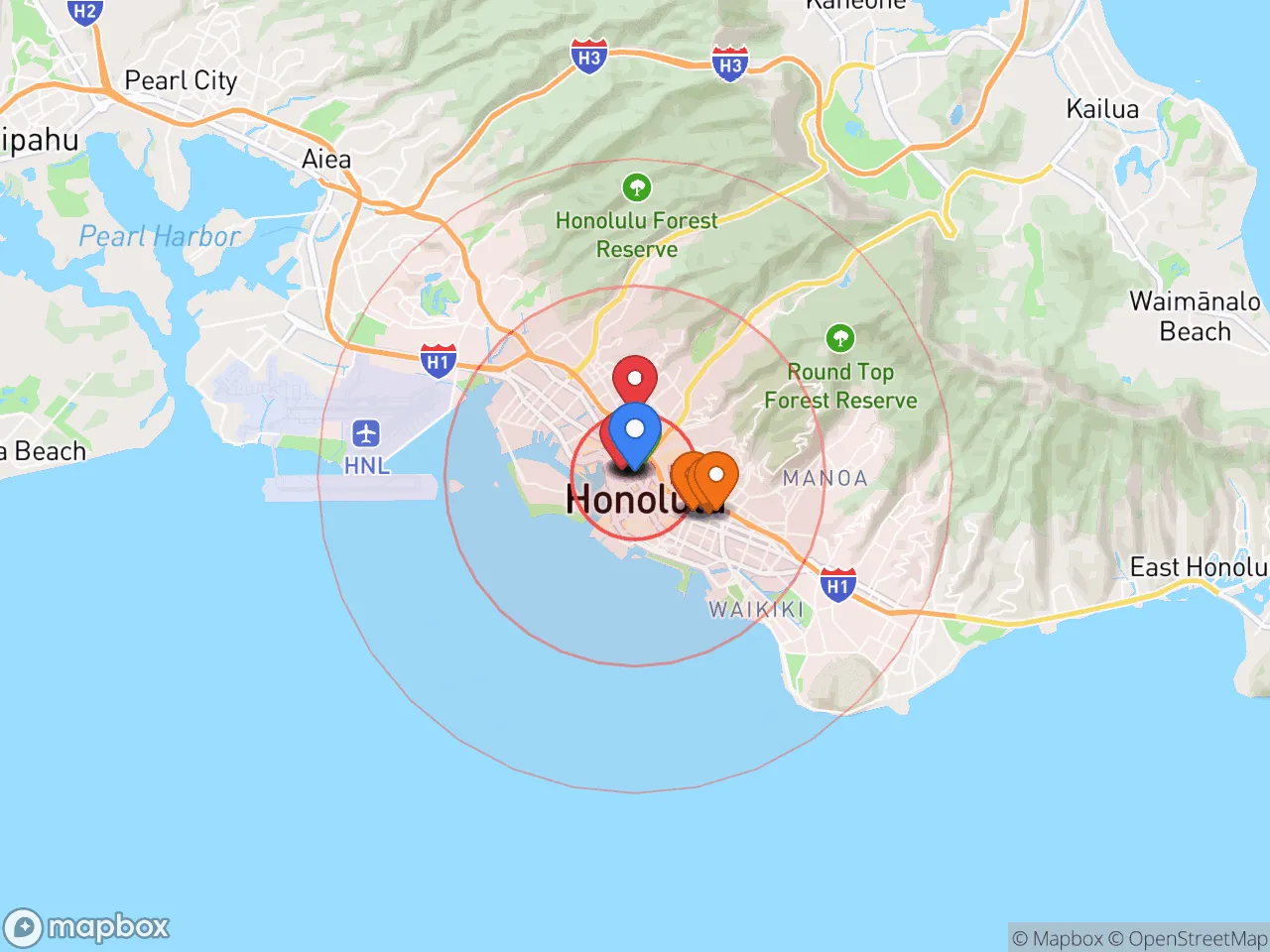
Hobbies
Explore the areaGroceries
5 within 10 miles
Gas
20 within 10 miles
Hospital
15 within 20 miles
Airport
Daniel K. Inouye International Airport
Post Office
USPS — Honolulu, HI
Critical Amenities
Quality-of-Life Analysis
Honolulu is one of the most affluent and culturally distinct urban centers in the United States, with a cost of living index of 210 (more than double the national average of 100) that reflects its desirability and geographic isolation. The population is a diverse mix of Native Hawaiians, Asian Americans (particularly Japanese and Filipino), and mainland transplants drawn by the tropical climate, strong job market in tourism and government, and the unique blend of urban convenience and island lifestyle. Median household income hovers around $83,000, but the high cost of essentials means many residents work multiple jobs or commute from more affordable neighborhoods.
Cost of living and housing affordability compared to the rest of Oahu
Housing is the primary driver of Honolulu’s high cost of living. The median home value is $834,100, roughly 2.5 times the national median, while the median rent is $1,783 per month—a figure that often understates actual market rates for newer units in desirable neighborhoods like Waikiki or Kakaako. Compared to the rest of Oahu, Honolulu is actually more affordable than the North Shore or windward side, where inventory is tighter and commute times longer. The average commute in Honolulu is 22.3 minutes, significantly shorter than in mainland metro areas of similar size, thanks to the island’s compact geography and the fact that many jobs are concentrated in the downtown and Ala Moana corridors. However, traffic congestion on the H-1 freeway can push peak-hour commutes to 40 minutes or more, especially for those living in outlying suburbs like Kapolei or Ewa Beach.
Schools, amenities, and the daily rhythm of island life
Honolulu offers a dense network of public schools, with the Hawaii Department of Education operating over 50 campuses in the city proper. Top-rated options include Punahou School (private) and President Theodore Roosevelt High School (public), though many families also consider charter schools like Hawaii Technology Academy. Daily life revolves around outdoor amenities: residents walk or bike to Ala Moana Beach Park, hike Diamond Head on weekends, and shop at the Kakaako Farmers Market. The city’s dining scene is a fusion of Hawaiian, Japanese, and Filipino cuisines, with plate lunches and poke bowls being staples. Cultural institutions like the Bishop Museum and Honolulu Museum of Art provide year-round programming, while the Waikiki Shell hosts concerts and festivals. The rhythm is slower than mainland cities of comparable size, with a strong emphasis on community events, ocean recreation, and family gatherings.
Honolulu is best suited for professionals in tourism, healthcare, or government who can command salaries that offset the high cost of living, as well as retirees with significant savings or equity from mainland home sales. Families with children will find excellent private schools and safe neighborhoods, but should budget carefully for housing and childcare. Those who thrive here are comfortable with a slower pace, value outdoor recreation over nightlife, and accept that the island’s isolation means higher prices for goods and limited career mobility outside of a few industries. For anyone seeking a vibrant, multicultural city with world-class beaches and a strong sense of place, Honolulu delivers—but only if the financial trade-offs are fully understood.

Crime in Honolulu, HI
Generally safer than 70% of comparable U.S. locations.
Violent CrimeViolent Crime Analysis
Property CrimeProperty Crime Analysis
Crime Analysis
Honolulu presents a mixed safety picture: its violent crime rate of 165.5 per 100,000 residents is notably lower than the national average, but its property crime rate of 1,397.9 per 100,000 is significantly higher, reflecting a common challenge for dense urban centers. The city's overall safety is heavily influenced by its status as a major tourist destination and the progressive policies of its local justice system, which prioritize rehabilitation and alternative sentencing. This ideological approach, while well-intentioned, has direct consequences for public safety by keeping more offenders on the streets, undermining deterrence and victim justice.
Crime in context
Honolulu's violent crime rate of 165.5 per 100,000 is roughly half the national average for cities of its size, a statistic often cited by local officials. However, this figure masks a more troubling reality: property crime, at 1,397.9 per 100,000, exceeds the national average by a wide margin. The city's progressive district attorney and judiciary have implemented policies that emphasize diversion programs and reduced incarceration for non-violent offenses. While these measures aim to address root causes, they have been linked to a rise in repeat property offenders, as lenient sentencing fails to hold criminals accountable and erodes public confidence in the justice system. Residents and business owners frequently report that theft, burglary, and vehicle break-ins are treated as minor infractions, leading to a cycle of recidivism that directly impacts community safety.
What residents experience
For those living in Honolulu, the daily reality is a heightened vigilance against property crime. Car break-ins, package thefts, and home burglaries are common, particularly in tourist-heavy areas like Waikiki and Ala Moana. The progressive approach to prosecution means that many property crimes result in minimal jail time or outright dismissal, a fact that frustrates victims and emboldens offenders. Violent crime, while less frequent, is concentrated in specific areas and often linked to drug-related activity or disputes among transient populations. The overall effect is a city where residents feel relatively safe from violent assault but must constantly guard their belongings, a dynamic that strains community trust and local resources.
Neighborhood-level variation is stark. Areas like Kahala and Hawaii Kai report significantly lower crime rates, benefiting from higher incomes and private security. In contrast, Waianae and parts of downtown Honolulu experience elevated rates of both violent and property crime, exacerbated by socioeconomic challenges and a justice system that struggles to manage repeat offenders. The progressive policies that reduce incarceration for non-violent crimes have a disproportionate impact on these communities, where residents already face limited police presence and slower response times. For anyone considering a move, choosing a safer neighborhood is critical, but the citywide trend of lenient sentencing means that property crime remains a concern even in affluent areas.
* Values derived from national, state, county, city and local statistics and may differ in a specific area. Last updated: 2026-04-24T00:01:43.000Z
Narrative content on this page is AI-generated and may contain mistakes. Verify any details that matter before acting on them.
ReloMaps may earn a commission from affiliate links at no extra cost to you.

