Photo: Wikipedia
Personal Sovereignty in Will County
Viable for self-reliance. Generally workable, though some barriers may limit total independence.
What does Personal Sovereignty tell us?
Personal Sovereignty measures your capacity for self-reliance and independence with minimal government friction. Higher scores mean fewer barriers between you and the way you want to live... but it assumes you have the space you need and good neighbors.
What does this tell us?
Personal Sovereignty measures your capacity for self-reliance and independence with minimal government friction. Higher scores mean fewer barriers between you and the way you want to live... but it assumes you have the space you need and good neighbors.
State Policy
Energy independence: Importer (45% of energy produced in-state)
Personal Liberty
Homesteading

Personal Liberty Analysis
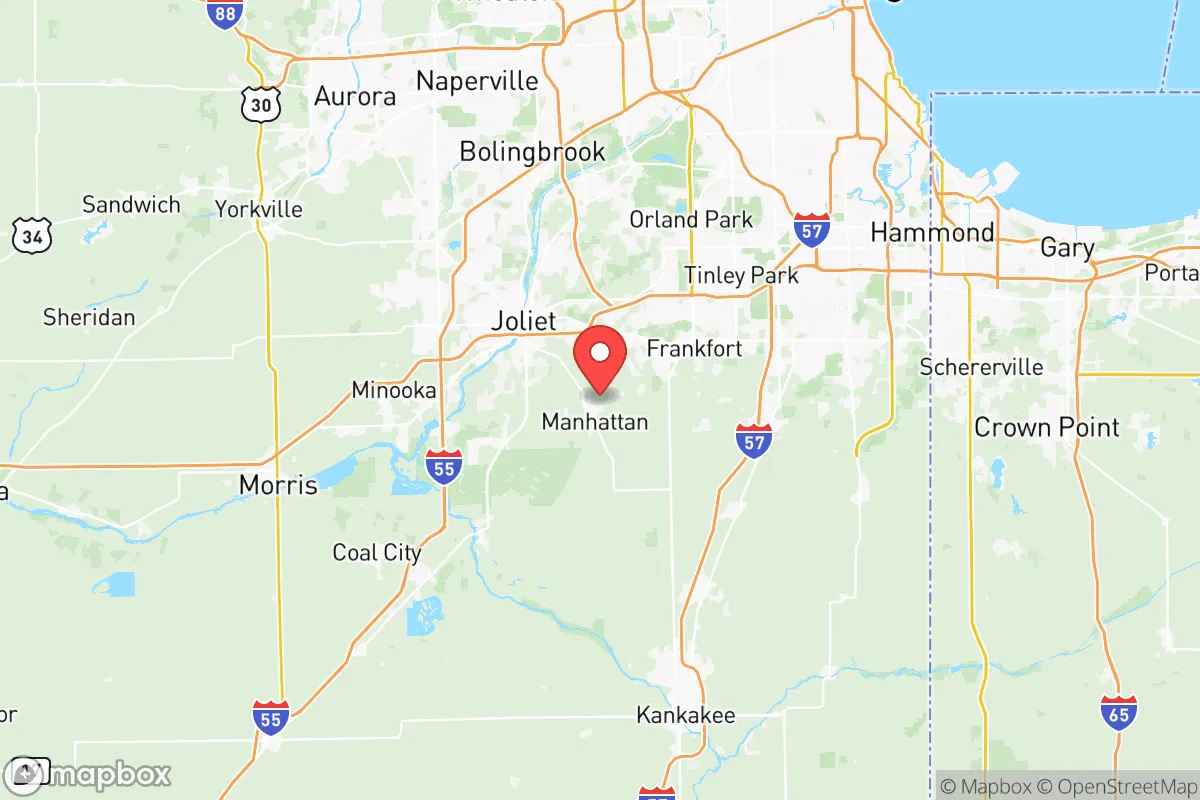
Will County, Illinois, presents a complex and often contradictory environment for personal sovereignty, where a strong rural and exurban tradition of self-reliance clashes with the heavy hand of state-level mandates from Springfield. For the strategic relocator—whether a single individual or a parent—the county offers pockets of genuine autonomy, particularly in its unincorporated areas and smaller towns, but these are increasingly constrained by Illinois’s expansive regulatory framework. The key to maximizing personal freedom here lies in choosing the right municipality, as the difference between living in a place like Manhattan or Joliet versus a rural township near Peotone or Wilmington can be the difference between being left alone and being subject to a thicket of local ordinances.
Tax burden and regulatory posture in Will County
Illinois is a high-tax state, and Will County is no exception, though its posture is somewhat more restrained than Cook County to the north. The state’s flat income tax rate of 4.95% is coupled with a property tax burden that is among the highest in the nation, with Will County’s effective rate hovering around 2.1% of assessed home value. This is a significant drag on personal sovereignty, as it forces residents to fund a sprawling state apparatus that often works against their interests. However, the county’s regulatory posture varies sharply by jurisdiction. Unincorporated areas, such as those around Elwood and Monee, offer far fewer zoning restrictions and building codes than incorporated cities like Bolingbrook or Romeoville, which have adopted aggressive home-rule powers to tax and regulate. For the prepper-minded, the key is to avoid home-rule municipalities that can levy additional sales taxes, restaurant taxes, and hotel taxes, and instead target townships with limited government. The county’s overall regulatory climate is moderate by Illinois standards, but the state’s overreach—such as its strict environmental regulations and costly energy mandates—remains a constant pressure on individual autonomy.
Self-defense rights and gun law specifics in Will County
Illinois’s gun laws are among the most restrictive in the nation, and Will County residents must navigate a dense web of state-level controls that directly infringe on the right to self-defense. The state requires a Firearm Owner’s Identification (FOID) card for possession of any firearm or ammunition, a process that can take months and involves a background check and fingerprinting. Concealed carry is legal only with a state-issued license, and Illinois is a “may-issue” state in practice, though it has been forced into “shall-issue” by court rulings. The county itself is not the primary obstacle—local sheriffs in Will County, particularly in rural areas like Wilmington and Braidwood, are generally supportive of Second Amendment rights and issue concealed carry permits without undue delay. However, the state’s 2023 ban on so-called “assault weapons” and high-capacity magazines has created a chilling effect, with many gun owners in Peotone and Beecher feeling targeted by Springfield’s overreach. For those serious about self-defense, the best strategy is to live in a township with a strong pro-gun culture, such as Channahon or Manhattan, where local law enforcement is less likely to enforce state mandates aggressively. Still, the legal landscape is hostile, and any relocation here must account for the constant risk of further state-level encroachment on the right to keep and bear arms.
Self-reliance and homesteading viability in Will County
Will County offers genuine opportunities for self-reliance and homesteading, particularly in its southern and western reaches where agricultural zoning still dominates. Lot sizes in unincorporated areas can easily exceed one acre, and in townships like Peotone and Wilmington, five- to ten-acre parcels are common, allowing for substantial gardening, small livestock, and even limited hunting. Zoning in these areas is generally permissive for outbuildings, chicken coops, and beekeeping, though the county does enforce some health and sanitation codes that can complicate off-grid water systems or composting toilets. Off-grid feasibility is limited by Illinois’s strict building codes and utility regulations; going fully solar or wind-powered requires navigating a maze of permits and interconnection agreements with ComEd, the dominant utility. However, for those willing to compromise, a property near Monee or Elwood can support a high degree of food self-sufficiency, with access to local farmers’ markets and raw milk from nearby dairies. The county’s soil is fertile, and the growing season is long enough for serious gardening. The main constraint is the state’s regulatory appetite—anything that deviates from the suburban norm, such as a composting toilet or a rainwater catchment system, invites scrutiny from county health inspectors. For the serious prepper, the best bet is to buy land in a township with minimal zoning, such as Florence Township near Peotone, and keep a low profile.
Personal liberties in Will County: parental rights, medical autonomy, speech, and property
Personal liberties in Will County are a mixed bag, heavily influenced by state-level policies that often override local sentiment. Parental rights are under constant assault from Springfield, which has mandated comprehensive sex education in public schools and removed parental opt-out options for certain curricula. However, the county’s more conservative towns, such as Manhattan and New Lenox, have school boards that push back against these mandates, offering some refuge for parents who want to control their children’s education. Medical autonomy is severely constrained by Illinois’s universal vaccine mandates for school attendance and its aggressive public health orders during the pandemic, which were enforced even in rural Will County. The state’s medical marijuana program is relatively permissive, but recreational cannabis is legal and heavily taxed, creating a regulatory environment that discourages personal cultivation. Free speech is generally protected, though Illinois has some of the nation’s strictest hate speech laws and social media regulations, which can chill political discourse. Property rights are the strongest liberty in Will County, with the county’s assessor’s office generally respecting private property boundaries and use, though eminent domain is a constant threat for infrastructure projects like the proposed Illiana Expressway. For the individualist, the best strategy is to live in a township with a strong property rights culture, such as Channahon or Braidwood, and to avoid any municipality that has adopted aggressive home-rule powers.
Overall, Will County offers a moderate level of personal sovereignty relative to other areas in the Chicago metropolitan region, but it falls far short of the freedom found in states like Texas or New Hampshire. The county’s rural townships and unincorporated areas provide a buffer against the worst of Illinois’s overreach, but the state’s high taxes, restrictive gun laws, and intrusive health mandates are inescapable realities. For the prepper or survivalist, the best move is to target a specific township—Peotone for homesteading, Wilmington for gun culture, or Manhattan for parental rights—and to accept that Illinois will always be a high-control environment. The county is a compromise, not a sanctuary, and those who value true autonomy should look elsewhere, but for those tied to the region by family or work, Will County’s better corners offer a workable, if imperfect, base for self-reliant living.

* Values derived from national, state, county, city and local statistics and may differ in a specific area. Last updated: 2026-05-12T05:27:10.000Z
Narrative content on this page is AI-generated and may contain mistakes. Verify any details that matter before acting on them.
ReloMaps may earn a commission from affiliate links at no extra cost to you.

