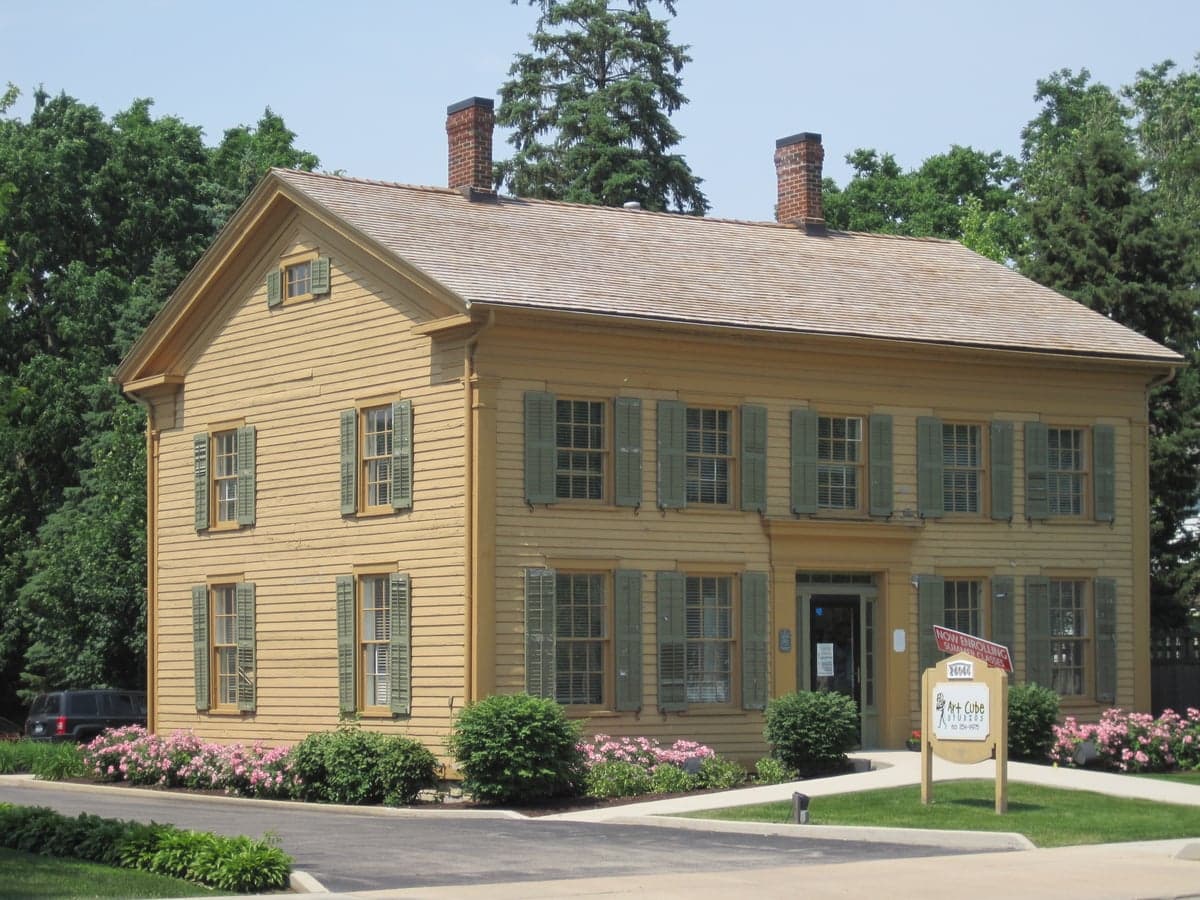
Photo: Wikipedia
Quality of Life in Will County
A livable area that tracks near national norms for affordability, walkability, and neighborhood health.
What does Quality of Life tell us?
Quality of Life measures an area by evaluating factors like cost of living, nearby amenities, country club access, airport proximity, socioeconomic signals and neighborhood character. For large states, this is a general average — quality of life can vary dramatically between metro areas, suburbs, and rural communities within the same state.
What does this tell us?
Quality of Life measures an area by evaluating factors like cost of living, nearby amenities, country club access, airport proximity, socioeconomic signals and neighborhood character. For large states, this is a general average — quality of life can vary dramatically between metro areas, suburbs, and rural communities within the same state.
Cost of Living
15% above national average
127%
The Real Cost of Living in Will County for 2026
| Tier | Individual | Family (4) |
|---|---|---|
| Survival | $23k | $42k |
| Comfortable | $58k | $85k |
| Luxury | $163k+ | $252k+ |
| Elite (Top 5%) | $191k+ | $297k+ |
Quality-of-Life Analysis
Will County offers a broad quality-of-life spectrum, from the dense, amenity-rich suburbs of Joliet and Bolingbrook to the quiet, agricultural unincorporated areas near Elwood and Wilmington. The county’s overall cost of living index of 115 (100 = U.S. average) and median home value of $298,000 place it as a moderately priced alternative to Chicago’s core suburbs, attracting a mix of commuters, families, and those seeking rural acreage. The average commute of roughly 32 minutes reflects the county’s role as a bedroom community for Chicago and a regional employment hub in its own right.
Largest town(s) & population centers
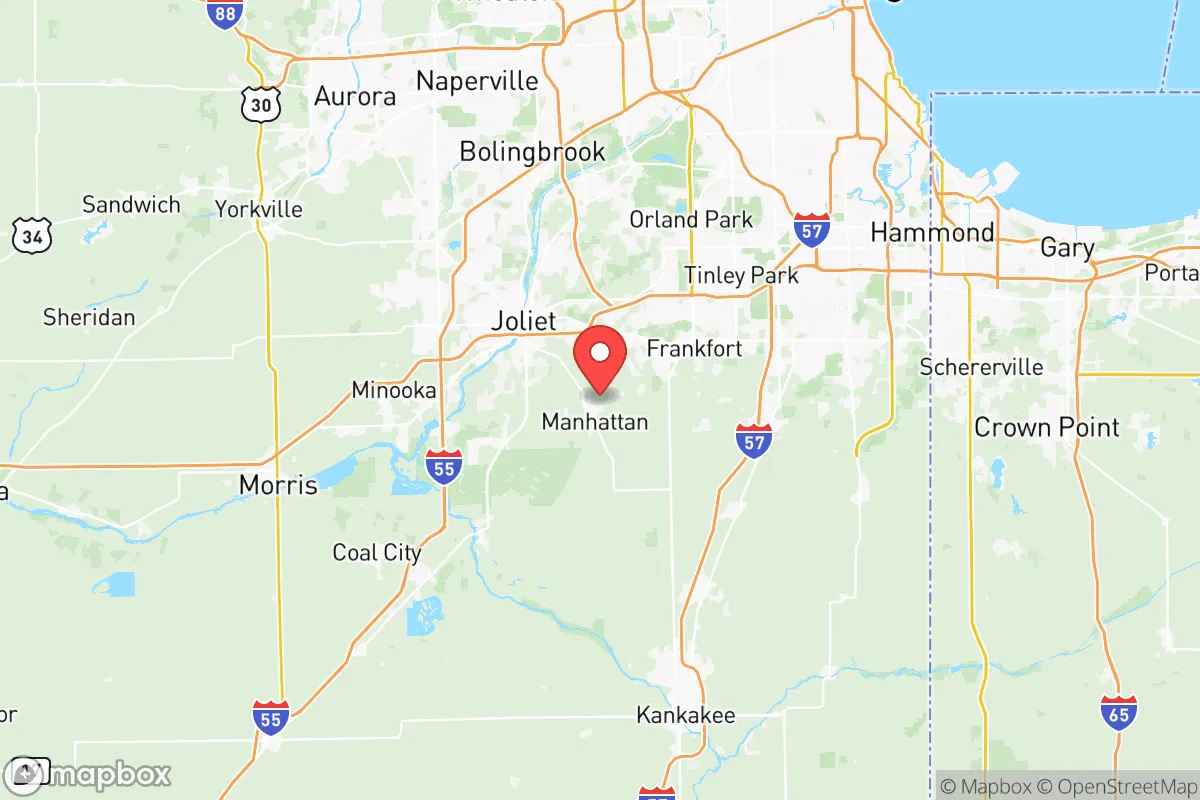
Joliet, the county seat and largest city, anchors the western side with a population exceeding 150,000. Daily life here centers on a revitalized downtown with the Rialto Square Theatre, the Joliet Slammers baseball stadium, and the Hollywood Casino. The city offers a dense mix of historic neighborhoods, new subdivisions, and major retail corridors along Route 30 and I-55. Bolingbrook, to the northeast, is a more planned suburban community with extensive shopping at The Promenade Bolingbrook, strong public schools (Valley View School District 365U), and a large Indian-American population. Romeoville and Plainfield are fast-growing suburbs with family-oriented subdivisions, Lewis University in Romeoville, and access to the DuPage River trail system. These population centers provide the county’s highest density of jobs, restaurants, and entertainment, with median rents near $1,413 aligning with the county average.
Smaller towns & rural pockets
South of Joliet, Elwood remains a largely unincorporated farming community with a population under 2,500, offering five-acre lots and a quiet, rural lifestyle. Wilmington, on the Kankakee River, is a small river town (pop. ~5,700) popular for fishing, boating, and the historic downtown district. Peotone (pop. ~4,200) is a classic Will County farm town with a grain elevator, a small downtown, and a strong sense of local identity. Monee and University Park sit along the eastern edge, where subdivisions give way to horse farms and cornfields. These smaller communities typically lack the retail density of the north, but offer lower property taxes per square foot and more land for the same home price. The unincorporated areas of Custer Park and Symerton are almost entirely agricultural, with no municipal services, appealing to those seeking true rural isolation within an hour of Chicago.
Cost & lifestyle range
The cost spread across Will County is significant. At the high end, Bolingbrook and Plainfield command median home values above $350,000, with newer subdivisions and top-rated schools driving prices. Naperville’s Will County portion (around the 95th Street corridor) pushes even higher, with homes often exceeding $500,000. At the lower end, Joliet’s older neighborhoods and Rockdale offer entry-level homes in the $180,000–$220,000 range, while Elwood and Wilmington provide rural properties with median values near $250,000. Rent follows a similar gradient: a two-bedroom apartment in Bolingbrook averages $1,600, while comparable units in Joliet or Wilmington rent for $1,200–$1,300. Amenities vary accordingly — northern towns have walkable retail and public transit (Metra BNSF line), while southern towns require a car for everything. The county’s overall median home value of $298,000 and rent of $1,413 sit squarely in the middle, reflecting this internal diversity.
Will County works best for those who want suburban convenience without Cook County prices, or rural land without losing access to a major metro. Commuters tolerate the 32-minute average drive for the trade-off of larger homes and lower taxes. Families with school-age children often gravitate to Plainfield or Bolingbrook for their districts, while retirees and hobby farmers find value in the southern towns. The county’s mix of urban, suburban, and agricultural zones means there is a distinct neighborhood for nearly every budget and lifestyle preference within its borders.

Crime in Will County
WARNING: The crime statistics are unreliable for this jurisdiction. Local authorities have either not reported or under reported their data to the FBI. This could be due to bad intentions, incompetence or technical issues. Regardless, we suggest skepticism.
Higher crime rates than 63% of comparable U.S. locations.
Violent CrimeViolent Crime Analysis
Property CrimeProperty Crime Analysis
Crime Analysis
Will County, Illinois, reports a violent crime rate of 225.9 incidents per 100,000 residents and a property crime rate of 1,423.1 per 100,000, placing it in a middle tier for safety within the Chicago metropolitan area. While these figures are below the national average for violent crime, they are significantly elevated compared to the safest collar counties, and property crime rates are a persistent concern for residents in both urban and suburban communities. The county’s safety profile is heavily shaped by the contrasting realities of its older industrial cities and its newer, master-planned suburbs, with the progressive policies of the Will County State’s Attorney’s office and local judicial circuits creating a legal environment that some residents view as lenient toward offenders.
Crime in context
Will County’s violent crime rate of 225.9 per 100,000 is roughly 20% lower than the national average of 380 per 100,000, but it is higher than the Illinois state average of approximately 280 per 100,000. Property crime, at 1,423.1 per 100,000, sits just below the national average of 1,954 per 100,000 but is notably higher than in neighboring DuPage County (around 1,100 per 100,000). The county’s overall crime picture is dragged upward by persistent issues in Joliet, the county seat, which accounts for a disproportionate share of violent offenses, including aggravated assault and robbery. In contrast, communities like Naperville (partially in Will County) and Frankfort consistently report violent crime rates below 100 per 100,000, illustrating a stark intra-county divide. The progressive policies of the Will County State’s Attorney’s office, which emphasize diversion programs and reduced sentences for non-violent offenders, have been criticized by some residents for contributing to repeat offenses and a perception of weak accountability.
What residents experience
Daily life in Will County varies dramatically by zip code. In Joliet, residents frequently cite property crime—especially vehicle theft and burglary—as a top concern, with the city’s police department reporting over 2,000 property crimes annually. The presence of the Will County Courthouse and the 12th Judicial Circuit means that judicial decisions directly impact local safety; critics argue that the court’s emphasis on restorative justice and reduced incarceration has led to a revolving door for repeat property offenders. In Bolingbrook and Romeoville, residents experience moderate crime levels, with property crime rates hovering around 1,500 per 100,000, but violent incidents are less common. Safer enclaves like New Lenox and Mokena report violent crime rates under 100 per 100,000, and residents there describe a strong sense of security, bolstered by well-funded local police departments and community watch programs. However, even in these areas, the county’s overall property crime rate means that package theft and occasional car break-ins are not uncommon.
Neighborhood-level variation is pronounced and directly tied to municipal boundaries and policing strategies. The safest areas are concentrated in the northern and western townships—such as Frankfort Township and New Lenox Township—where median incomes are higher and housing density is lower. Conversely, the highest crime rates cluster in Joliet’s downtown and near the Des Plaines River corridor, as well as in parts of Lockport and Crete. The progressive judicial philosophy of the 12th Judicial Circuit, which includes elected judges who prioritize alternatives to incarceration, has been a point of contention: while it aims to reduce recidivism through treatment programs, some residents and local officials argue it has resulted in inadequate consequences for repeat offenders, particularly in property crime cases. For prospective residents, choosing a municipality with a strong local police presence and a conservative-leaning city council—such as New Lenox or Frankfort—can mitigate exposure to the county’s broader crime trends.
* Values derived from national, state, county, city and local statistics and may differ in a specific area. Last updated: 2026-05-12T05:27:10.000Z
Narrative content on this page is AI-generated and may contain mistakes. Verify any details that matter before acting on them.
ReloMaps may earn a commission from affiliate links at no extra cost to you.

