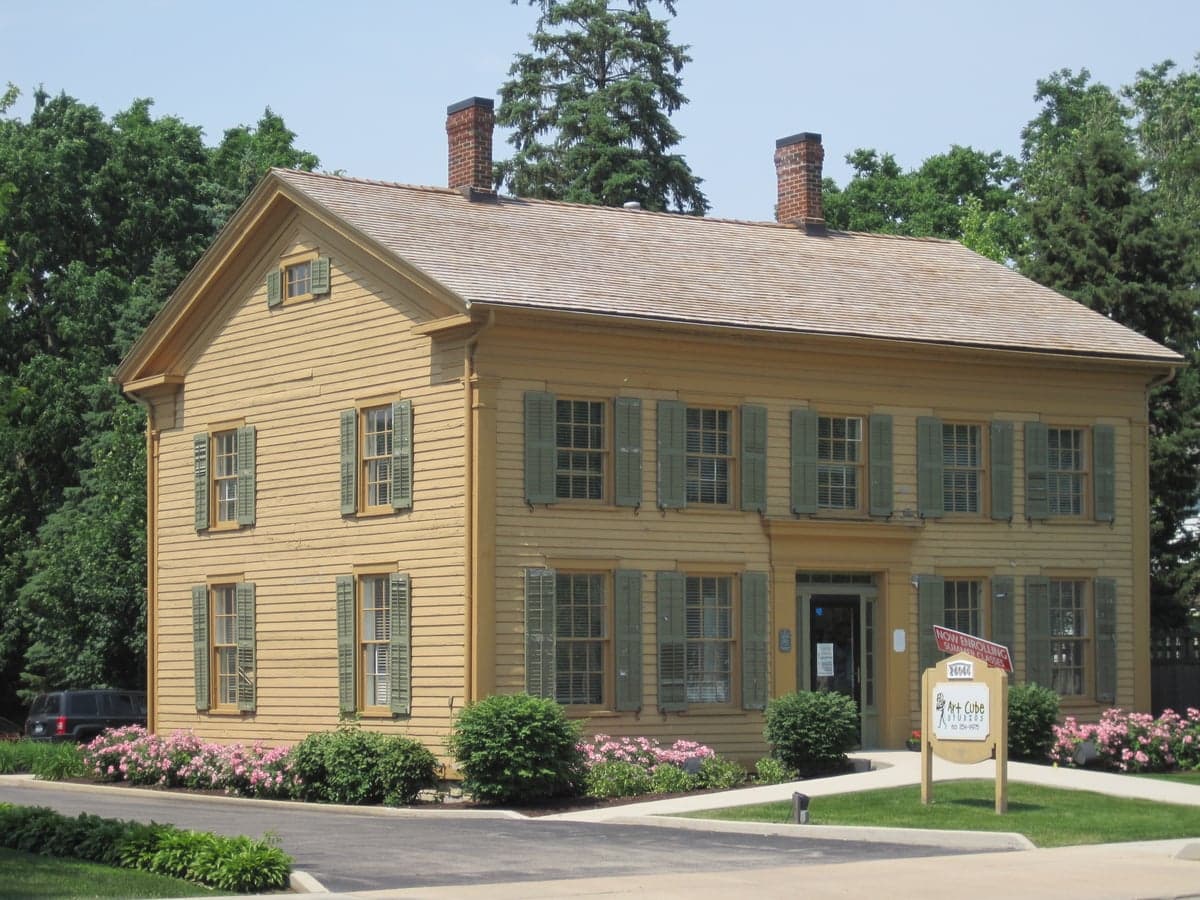
Photo: Wikipedia
Political ClimatePolitical Climate in Will County
Showing district-level results — no local-only data available.
Local Political AnalysisPolitical Analysis of Will County
Will County is a classic example of a place that used to be a reliable conservative stronghold but has shifted hard to the left in recent years, now carrying a Cook PVI of D+18. That’s a full 11 points more Democratic than the state of Illinois as a whole, which sits at D+7. The change didn’t happen overnight, but it’s been accelerating since the 2010s, driven largely by an influx of Chicago commuters and out-of-state transplants who bring their big-government voting habits with them. If you’ve lived here as long as I have, you’ve watched towns like Joliet and Bolingbrook go from purple to deep blue, and it’s not slowing down.
How it compares
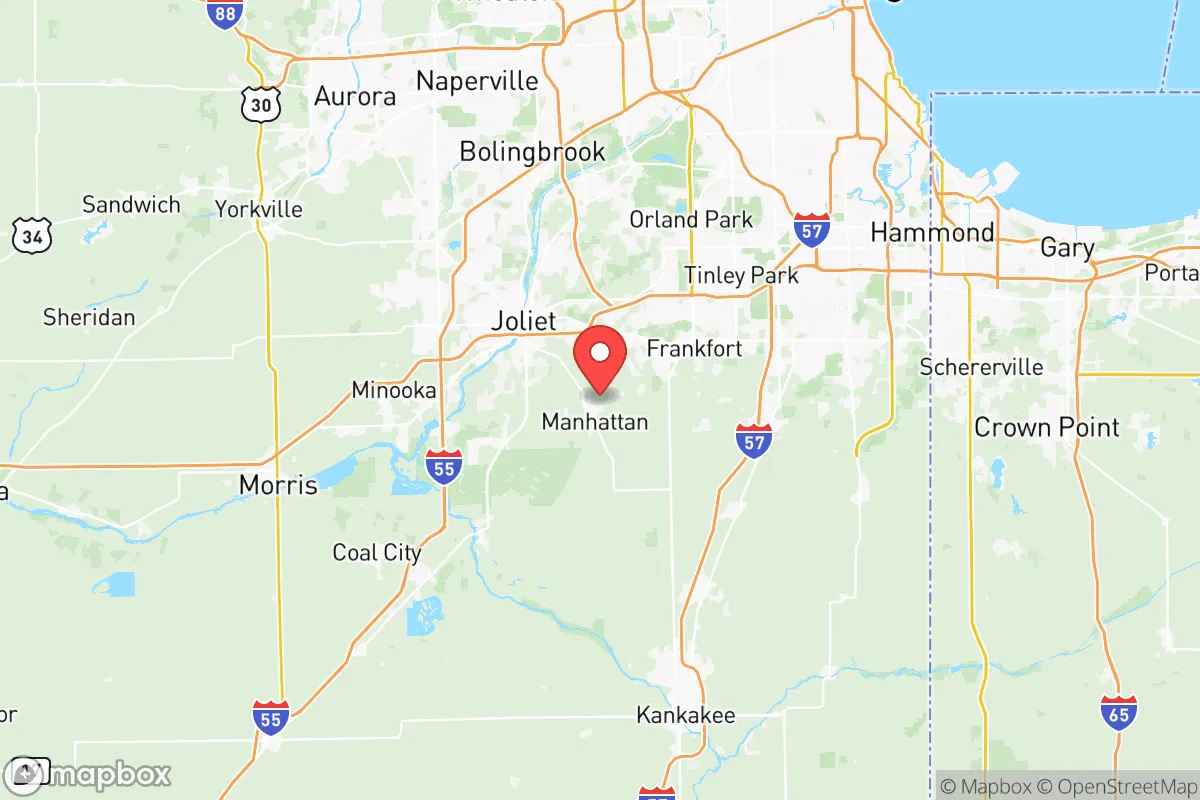
The contrast between Will County and the rest of Illinois is stark. While the state leans Democratic overall, Will County’s D+18 rating puts it in the same league as Cook County itself—the heart of Chicago’s machine politics. But here’s the kicker: it’s not uniform across the county. Joliet and Bolingbrook are solidly blue, with precincts regularly voting 60-70% Democratic in recent elections. Plainfield and Shorewood are more of a mixed bag, often swinging between parties depending on the race—these are the precincts where your vote actually matters. Meanwhile, Manhattan and Elwood still lean red, but their influence is shrinking as the county’s population booms with new developments. The state’s D+7 rating masks how deep the divide is: downstate Illinois is far more conservative, but Will County’s rapid suburbanization has made it a Democratic powerhouse that often outpaces even Chicago’s suburbs in progressive voting patterns.
What this means for residents
For those of us who value personal freedoms and limited government, the trend is concerning. The county board has shifted left, and with it comes a push for higher property taxes—already among the highest in the nation—and more regulations on everything from housing development to small business operations. Property tax rates in Will County have climbed over 15% since 2020, and new zoning rules in unincorporated areas are making it harder to build or expand without jumping through bureaucratic hoops. The school boards in places like Joliet Township and Bolingbrook have adopted progressive curricula that prioritize ideology over academics, and there’s been a quiet push for county-level gun control measures that go beyond state law. If you’re a conservative, you’re not alone—but you’re increasingly outnumbered at the ballot box.
One cultural distinction that stands out is the growing divide between the old farming communities and the new suburban developments. Towns like Wilmington and Braidwood still hold onto their rural character and independent spirit, but they’re being surrounded by cookie-cutter subdivisions filled with families who see government as a solution, not a problem. The county’s shift to D+18 isn’t just a statistic—it’s a reflection of how quickly a place can change when people stop paying attention to local elections. If you’re thinking of moving here, know that your vote matters more in the precincts of Plainfield or Shorewood than in the deep-blue strongholds, but the overall trajectory is clear: Will County is becoming a mirror of Cook County, and that’s a loss for anyone who values freedom over control.

State Political ClimatePolitical Climate in Illinois
State Political AnalysisPolitical Environment in the State
Illinois is a solidly Democratic state with a Cook PVI of D+7, meaning it votes about seven points more Democratic than the national average in presidential elections. Over the past 20 years, the state has shifted from a purple battleground—where George W. Bush narrowly lost in 2000 and 2004—to a deep blue stronghold, driven by the consolidation of Chicago and its inner suburbs. For a conservative considering relocation, the state’s political trajectory is a story of one-party dominance, with the downstate and rural regions increasingly powerless against the Chicago machine.
Urban vs. rural divide
The political map of Illinois is a tale of two states. The Chicago metro area, including Cook County and the collar counties of DuPage, Lake, and Will, generates roughly 65% of the state’s vote and leans heavily Democratic. In 2024, Cook County voted for Joe Biden by a 40-point margin, while the city of Chicago itself delivered a 60-point margin. Meanwhile, downstate regions—places like Effingham, Marion, and Quincy—vote Republican by 30-40 points. The divide is stark: the I-55 corridor south of Joliet is a red wall, but it’s outnumbered by the blue fortress of the northeast. The collar counties are shifting too: DuPage County, once a Republican stronghold, voted for Biden in 2020 by 7 points, and Lake County by 12 points. The only reliably red suburban holdout is McHenry County, which still votes Republican by about 10 points. This geographic split means that a conservative moving to Springfield or Peoria will live in a red bubble, but their vote is largely irrelevant in statewide elections.
Policy environment
Illinois’s policy environment is a cautionary tale for anyone concerned about government overreach. The state has the second-highest property tax burden in the nation, with an average effective rate of 2.08%—double the national average. In Cook County, rates can hit 2.5%, while even in downstate Champaign County, they hover around 2.0%. The state income tax is a flat 4.95%, but a 2020 ballot measure to switch to a progressive tax—which would have raised rates on high earners—failed, though it’s likely to be revived. Education policy is dominated by the Chicago Teachers Union, which has successfully blocked charter school expansion and pushed for progressive curricula. In 2021, the state passed the Illinois Learning Standards, which mandate LGBTQ-inclusive history and social studies, a move that has sparked parental rights battles in districts like Naperville and Barrington. Healthcare is heavily regulated, with the state expanding Medicaid under the Affordable Care Act and passing a law in 2023 requiring insurers to cover gender-affirming care. Election laws are among the most liberal in the nation: automatic voter registration, no-excuse mail-in voting, and same-day registration are all in place. For a conservative, the policy environment feels like a slow-motion erosion of local control and fiscal sanity.
Trajectory & freedom
Illinois is becoming less free by the year, particularly on gun rights, parental rights, and taxation. In 2023, Governor JB Pritzker signed the Protect Illinois Communities Act, which bans the sale and possession of assault weapons, high-capacity magazines, and rapid-fire devices. This law, which went into effect immediately, has been challenged in court but remains in force. It’s a direct infringement on Second Amendment rights, and it’s driven gun owners to neighboring Indiana and Missouri for purchases. On parental rights, the state passed the Keeping Youth Safe and Healthy Act in 2021, which allows minors aged 12 and up to consent to mental health and substance abuse treatment without parental notification. In 2024, a bill to require parental consent for gender-affirming care for minors failed, but the issue remains live. On taxation, the state’s pension debt—over $140 billion—is a ticking time bomb. The 2023 budget included a $1.2 billion pension payment, but it’s not enough to stop the bleeding. Property taxes continue to rise, and there’s no cap in sight. For a conservative, the trajectory is clear: more restrictions on firearms, less parental control, and higher taxes to fund unsustainable pensions.
Civil unrest & political movements
Illinois has a history of civil unrest that a new resident would notice. The 2020 George Floyd protests in Chicago turned violent, with looting and arson in the Loop and on the Magnificent Mile. The city’s response—a curfew and National Guard deployment—was criticized by both left and right. Since then, organized activist movements have become a fixture. The Chicago Teachers Union is a powerful political force, often striking over issues beyond wages, like police presence in schools. On the right, the Illinois Family Institute and Awake Illinois have mobilized around parental rights and school board elections, particularly in suburbs like Oswego and Plainfield. Immigration politics are a flashpoint: Illinois is a sanctuary state, with the 2017 Trust Act limiting local law enforcement’s cooperation with federal immigration authorities. In 2023, Pritzker signed a law banning private prisons and detention centers, further solidifying the state’s pro-immigrant stance. Election integrity is a perennial concern for conservatives, with the 2020 election seeing widespread use of mail-in ballots and no voter ID requirement. The state’s Election Code allows for same-day registration, which critics say opens the door to fraud. For a new resident, these flashpoints are visible in local news and community debates.
Projection
Over the next 5-10 years, Illinois is likely to become even more Democratic and more progressive. Demographic trends are clear: the Chicago metro area is growing more diverse and younger, while downstate counties are aging and shrinking. In-migration from blue states like California and New York is accelerating the shift, particularly in the collar counties. The state’s pension crisis will force either massive tax hikes or service cuts, and given the political climate, tax hikes are more likely. A progressive income tax is almost certain to pass in the next decade, raising rates on households earning over $250,000. Gun rights will continue to erode, with potential expansions of the assault weapons ban to include more firearms. Parental rights will be a battleground, but the progressive majority in Springfield will likely prevail. For a conservative moving in now, expect to live in a state where your vote for governor or senator is effectively meaningless, and where your property taxes will rise faster than your income. The only consolation is that downstate communities will remain culturally conservative, but they’ll have less and less say in state policy.
For a new resident, the bottom line is this: Illinois offers economic opportunity in Chicago and its suburbs, but at the cost of high taxes, restricted gun rights, and a political system that is increasingly hostile to conservative values. If you’re moving here, choose your county carefully—McHenry or Ogle County offer a redder enclave—but understand that statewide, you’ll be swimming against a strong blue tide. The state’s trajectory is toward more government control, not less, and that’s a reality you’ll have to accept or fight against every election cycle.
* Values derived from national, state, county, city and local statistics and may differ in a specific area. Last updated: 2026-05-12T05:27:10.000Z
Narrative content on this page is AI-generated and may contain mistakes. Verify any details that matter before acting on them.
ReloMaps may earn a commission from affiliate links at no extra cost to you.

