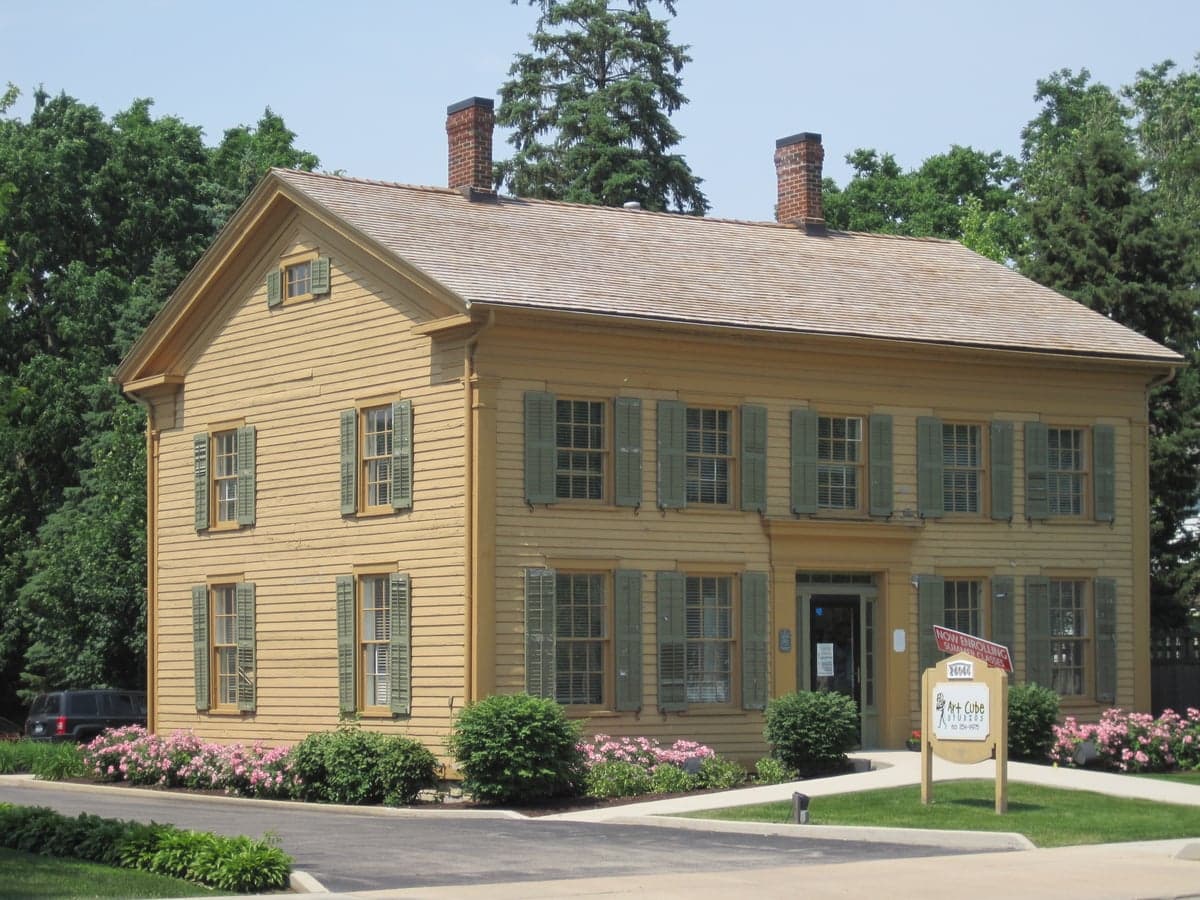
Photo: Wikipedia
Strategic Assessment of Will County
Multiple tactical vulnerabilities. Population density, target proximity, or disaster risk are likely compounding. A retreat property and exit planning is required.
What does the Strategic Assessment tell us?
Our Strategic Assessment grades tactical survivability of an area. Major population centers, military targets, fallout zones, natural disasters, and border exposure all drive risk — lower exposure means a more defensible position in a crisis.
This is heavily inspired by Joel Skousen's Strategic Relocation book. Highly recommended you checkout the book ($)What does this tell us?
Our Strategic Assessment grades tactical survivability of an area. Major population centers, military targets, fallout zones, natural disasters, and border exposure all drive risk — lower exposure means a more defensible position in a crisis.
This is heavily inspired by Joel Skousen's Strategic Relocation book. Highly recommended you checkout the book ($)Strategic Pillars

Key Distances
Strategic Assessment Analysis
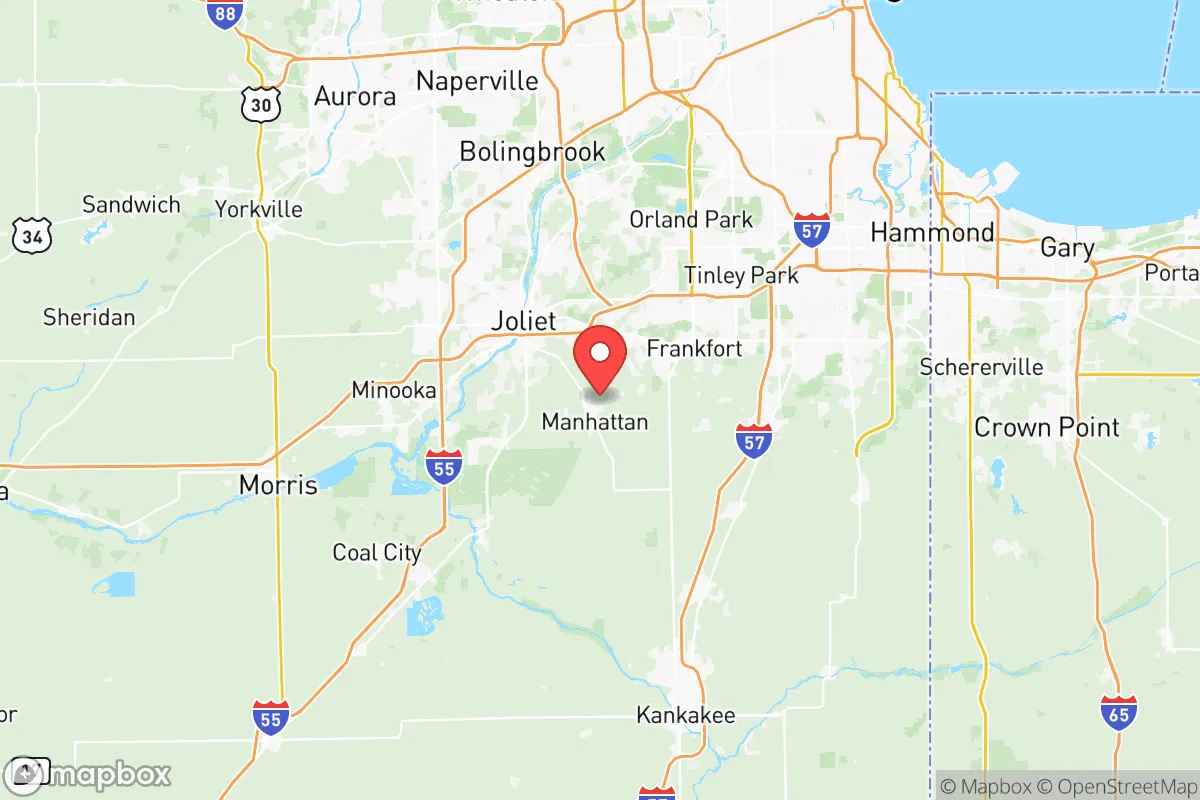
Will County, Illinois, sits in a precarious but potentially rewarding strategic position for those prioritizing resilience and self-sufficiency. Its location southwest of Chicago offers a buffer from the immediate chaos of a major metropolitan collapse while still providing access to critical infrastructure and supply lines. The county’s mix of agricultural land, industrial corridors, and suburban strongholds creates a layered environment where a prepared individual or family can carve out a defensible niche, provided they understand the specific risks and assets at play. This is not a bug-out paradise, but a calculated staging ground for those who want to stay connected to regional resources without being swallowed by urban failure.
Geographic position and natural advantages for long-term survival
Will County’s geography is its primary strategic asset. The county straddles the Des Plaines River and the Kankakee River, providing reliable freshwater sources that are less likely to be immediately contaminated by a Chicago-centric disaster than the Lake Michigan intake. The southern and western townships—places like Wilmington, Peotone, and Monee—transition into flat, fertile farmland that could support local food production in a prolonged grid-down scenario. The Kankakee River State Park and the Midewin National Tallgrass Prairie offer over 20,000 acres of open space, game habitat, and potential foraging grounds. These areas are not wilderness, but they are large enough to provide a buffer and a fallback zone for those with land or access rights. The county’s position along the I-55 and I-80 corridors is a double-edged sword: it offers rapid evacuation routes south and west away from Chicago, but also funnels traffic and potential refugees during a crisis. The key is to live far enough from these interchanges to avoid the initial crush, while maintaining a vehicle capable of off-road or secondary-road travel.
Risks, exposures, and proximity to fallout-relevant landmarks
The most significant risk for Will County is its proximity to Chicago’s sprawling metropolitan area and the critical infrastructure that serves it. The Joliet Army Ammunition Plant (now largely decommissioned but still a hazardous site) and the ExxonMobil Joliet Refinery in Channahon are major industrial targets. A conventional or EMP attack on the refinery could create a toxic plume affecting downwind communities in Shorewood, Crest Hill, and Rockdale. The Will County Nuclear Power Plant (Braidwood Generating Station) in Braceville is another high-consequence landmark; while its containment structures are robust, a direct strike or sabotage could render large swaths of the county uninhabitable for decades. Additionally, the county hosts multiple rail yards and intermodal facilities (notably in Elwood and Joliet) that handle hazardous materials daily. A derailment or targeted attack could sever supply lines and create localized contamination zones. For the prepper, this means avoiding the industrial corridor along the Des Plaines River and instead focusing on the southeastern and southwestern rural townships, where prevailing winds and distance reduce fallout risk. The Midewin National Tallgrass Prairie itself was formerly the Joliet Army Arsenal, so unexploded ordnance is a real but manageable hazard for those who stay on marked trails.
Practical resilience for a relocator: food, water, energy, and defensibility
For a relocator serious about self-sufficiency, Will County offers a mixed bag. Water is the strongest asset: the Kankakee and Des Plaines rivers, plus numerous smaller creeks and the Hickory Creek watershed, provide surface water that can be filtered or boiled. However, well water in the southern part of the county is generally reliable and less prone to contamination than municipal supplies. Food production is viable on the agricultural land in townships like Manhattan and Frankfort, but soil quality varies; the best farmland is in the central and southern areas. Local farmers’ markets and co-ops exist but are not robust enough to sustain a population cut off from the national supply chain—you’ll need to establish your own garden and seed bank. Energy independence is challenging here. The grid is tied to the PJM Interconnection, which is prone to rolling blackouts during extreme weather. Solar is viable but less efficient than in sunnier states; a backup propane or diesel generator is almost mandatory. Wood heating is possible in the southern woodlands but requires significant acreage to be sustainable. Defensibility is the weakest point. Will County is flat, with few natural chokepoints. A rural homestead with a long driveway and a good fence is about the best you can do. The county’s law enforcement presence is spread thin, especially in the unincorporated areas, so a well-stocked armory and a neighborhood watch network are essential. The Will County Sheriff’s Office is professional but will be overwhelmed in a regional crisis. Your best bet is to join or form a local preparedness group, ideally in a township like Elwood or Symerton, where population density is low and neighbors are more likely to share your mindset.
The overall strategic picture for Will County is one of calculated risk. It is not a remote redoubt—it is a transitional zone between urban collapse and rural stability. For the conservative-leaning relocator who values community, self-reliance, and access to infrastructure without being swallowed by it, the county offers a viable middle ground. The key is to avoid the industrial and high-density corridors, secure a property with its own water and defensible perimeter, and build relationships with like-minded locals before the crisis hits. Will County will not save you from a direct nuclear strike on Chicago or the refinery, but it can sustain you through the longer, slower collapse of supply chains and civil order—if you are prepared to work the land, watch the wind, and keep your head down.

* Values derived from national, state, county, city and local statistics and may differ in a specific area. Last updated: 2026-05-12T05:27:10.000Z
Narrative content on this page is AI-generated and may contain mistakes. Verify any details that matter before acting on them.
ReloMaps may earn a commission from affiliate links at no extra cost to you.

