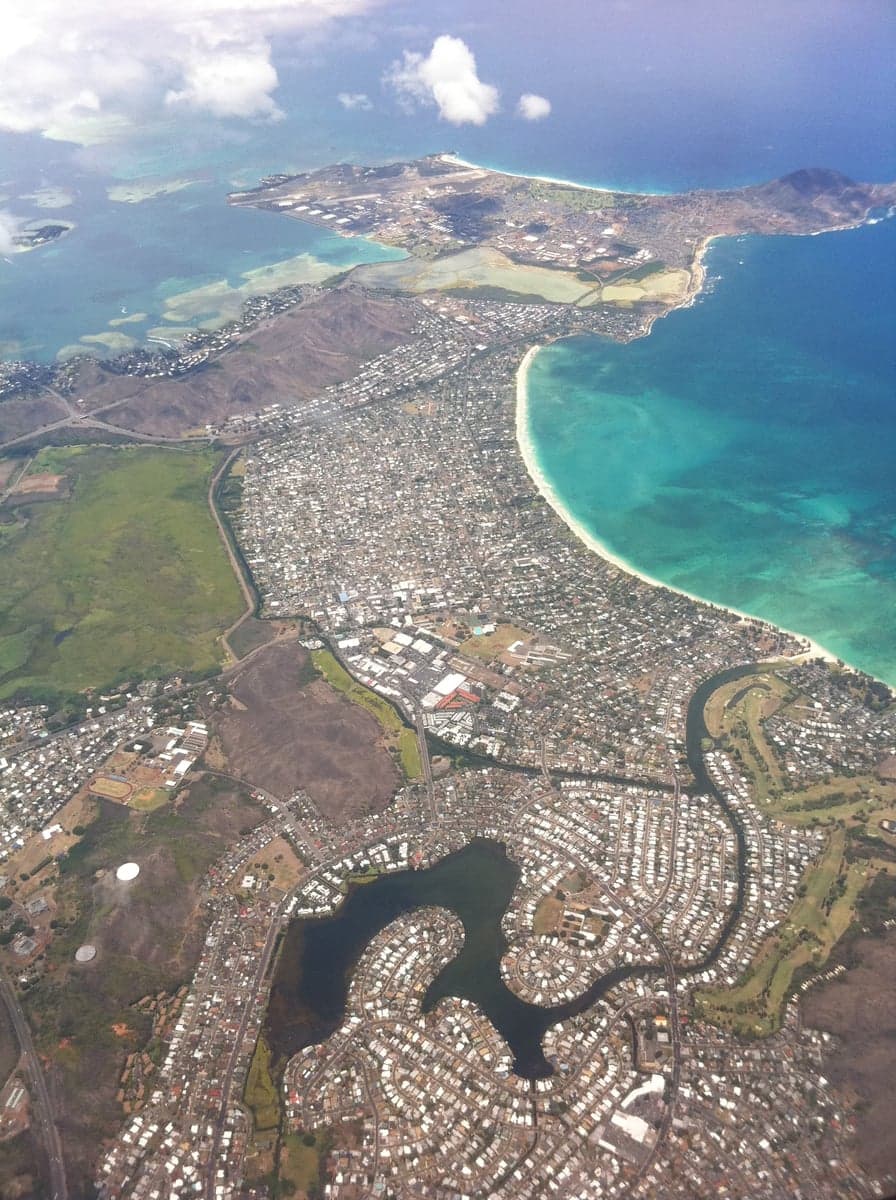
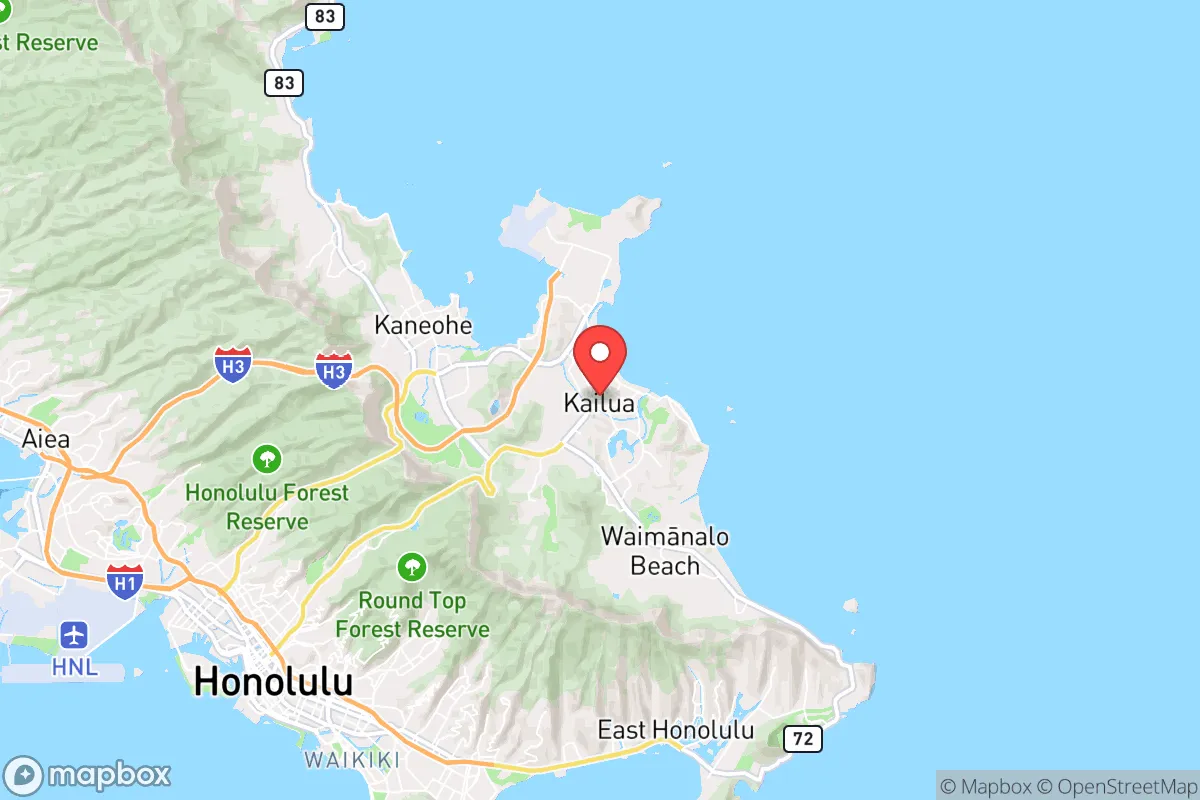
Photo: Wikipedia
Quality of Life in Kailua, HI
A high quality of life with strong walkability, manageable living costs, healthy neighborhood signals, and solid amenity access.
What does Quality of Life tell us?
Quality of Life blends cost of living, nearby amenities, socioeconomic signals, and neighborhood character. City-level scores represent the whole municipality; individual neighborhoods can differ.
What does this tell us?
Quality of Life blends cost of living, nearby amenities, socioeconomic signals, and neighborhood character. City-level scores represent the whole municipality; individual neighborhoods can differ.
Cost of Living
82% above national average
The Real Cost of Living in Kailua, HI for 2026
| Tier | Individual | Family (4) |
|---|---|---|
| Survival | $28k | $52k |
| Comfortable | $126k | $185k |
| Luxury | $157k+ | $243k+ |
| Elite (Top 5%) | $218k+ | $338k+ |
47%
The Area Signal
A metric tracking the socioeconomic signals of the area.
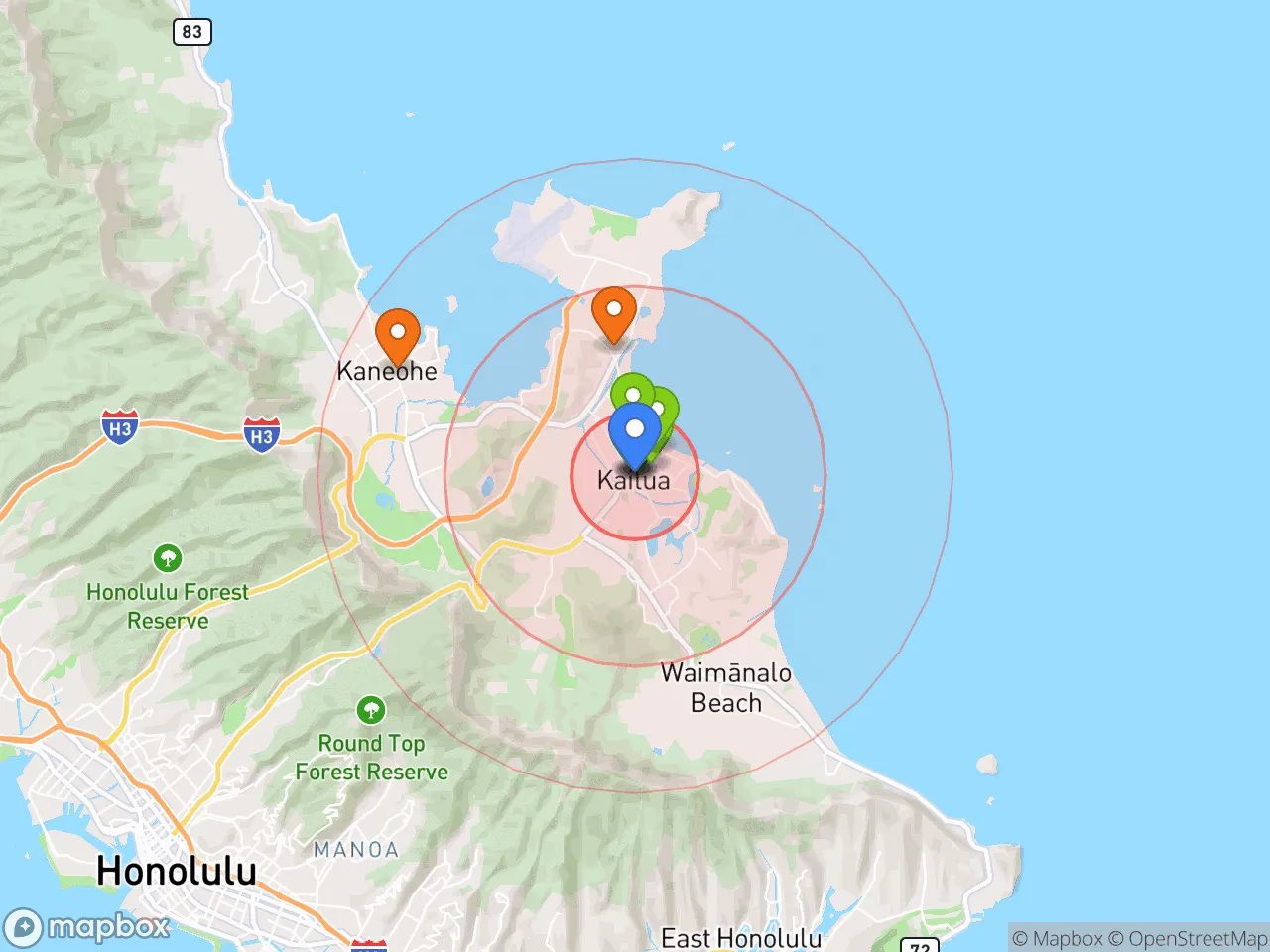
Hobbies
Explore the areaGroceries
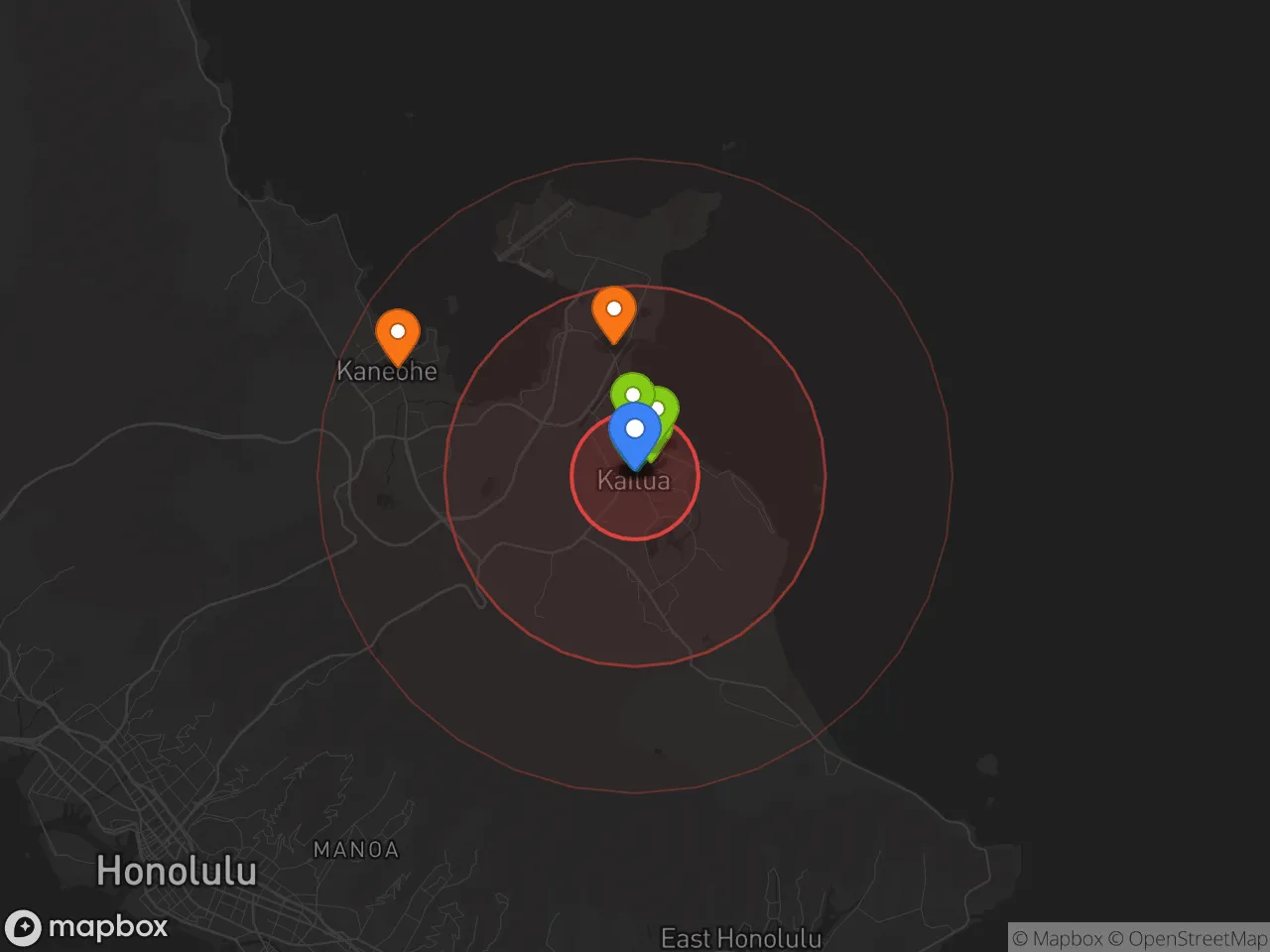
4 within 10 miles
Gas
20 within 10 miles
Hospital
13 within 20 miles
Airport
Daniel K. Inouye International Airport
Post Office
USPS — Kailua, HI
Critical Amenities
Quality-of-Life Analysis
Kailua, Hawaii, is an affluent beachside community on Oahu’s windward coast, home to roughly 40,000 residents who prioritize outdoor living, family-oriented neighborhoods, and a slower pace than downtown Honolulu. The area’s high cost of living and strong sense of local identity attract professionals, military families (due to nearby Marine Corps Base Hawaii), and retirees seeking a tropical lifestyle with access to urban amenities. With a cost-of-living index of 182 (82% above the U.S. average), Kailua demands a significant financial commitment, but its white-sand beaches, steady trade winds, and tight-knit community culture make it one of Hawaii’s most desirable places to live.
Cost of living, housing affordability, and how Kailua compares to Honolulu
Kailua’s cost of living is substantially higher than the national average, driven primarily by housing and imported goods. The median home value sits at $649,400, while the median rent is $1,747—both well above Oahu’s averages but notably lower than comparable beachfront neighborhoods in Waikiki or Kahala. For context, Honolulu’s median home value exceeds $800,000, making Kailua a relative bargain for buyers seeking a single-family home with yard space. Renters face a tight market, with most units renting for $1,800–$2,500 for a two-bedroom. The average commute of 21.6 minutes is shorter than Honolulu’s 30-minute average, a perk for those working in town but living windward. However, grocery prices run 30–40% higher than mainland norms, and utility costs are elevated due to oil-based electricity. First-time buyers often find entry-level condos in nearby Kaneohe or Waimanalo more affordable, but Kailua’s premium reflects its beach proximity and lower crime rates.
What daily life is like for families: schools, amenities, and community feel
Daily life in Kailua revolves around the outdoors and local businesses. The town’s crown jewel is Kailua Beach Park, a mile-long stretch of calm turquoise water ideal for kayaking, paddleboarding, and swimming, with Lanikai Beach a short walk away. The Kailua Shopping Center and nearby Enchanted Lake Shopping Center provide essentials, including a Whole Foods Market, Longs Drugs, and local eateries like Boots & Kimo’s Homestyle Kitchen. Public schools are among Oahu’s best: Kailua Elementary, Kailua Intermediate, and Kailua High School all score above state averages, with the high school offering International Baccalaureate and strong athletic programs. Private options include St. Anthony School and Montessori of Kailua. The community rhythm is early-morning beach walks, weekend farmers’ markets (the Kailua Farmers Market runs Thursdays and Sundays), and a strong volunteer ethic through organizations like the Kailua Neighborhood Board. Traffic on the Pali Highway into Honolulu can back up during rush hour, but the 21-minute average commute keeps most errands manageable. Crime is low compared to urban Honolulu, with property crime rates about 30% below the island average.
Kailua is best suited for families, remote workers, and retirees who can absorb the high cost of living and value a beach-centric, community-driven lifestyle over nightlife or career density. Those working in Honolulu will find the commute tolerable, while military personnel at Marine Corps Base Hawaii benefit from base housing and amenities. Budget-conscious singles or young professionals may find Kaneohe or Pearl City more affordable, but for anyone seeking a safe, scenic, and active community with strong schools and immediate ocean access, Kailua remains a top-tier choice on Oahu.

Crime in Kailua, HI
Generally safer than 64% of comparable U.S. locations.
Violent CrimeViolent Crime Analysis
Property CrimeProperty Crime Analysis
Crime Analysis
Kailua, a coastal community on Oʻahu’s windward side, presents a mixed safety profile that residents and newcomers should evaluate carefully. The town’s violent crime rate of 200.2 incidents per 100,000 residents sits notably below the national average of roughly 380 per 100,000, but its property crime rate of 1,586.9 per 100,000 exceeds the U.S. median of approximately 1,954 per 100,000. These figures place Kailua in a middle ground — safer than many mainland urban centers but not immune to the theft and break-in patterns common across Oʻahu’s more affluent neighborhoods.
Crime in context
Compared to the rest of Hawaii, Kailua’s violent crime rate is roughly on par with the state average of about 250 per 100,000, while its property crime rate is slightly elevated. The Honolulu metro area, which includes Kailua, has a property crime rate of approximately 3,200 per 100,000 — meaning Kailua’s rate is about half that of the broader urban core. However, the island’s justice system operates under a progressive framework. Hawaii’s judiciary and district attorneys in Honolulu County have increasingly emphasized alternatives to incarceration, restorative justice, and reduced sentencing for non-violent property offenses. While these policies aim to reduce recidivism and address root causes, critics argue they result in more repeat offenders cycling through communities like Kailua, particularly for theft, vehicle break-ins, and package theft. The state’s low incarceration rate — among the lowest in the U.S. — correlates with property crime rates that remain stubbornly above pre-2020 levels.
What residents experience
In daily life, Kailua residents report that property crime is the most tangible concern. Vehicle break-ins at beach parking lots (Kailua Beach Park, Lanikai Beach) are common, with thieves targeting rental cars and unlocked doors. Residential burglaries occur sporadically, often in neighborhoods near the main commercial corridor (Kailua Road) or in areas with easy access to the Pali Highway. Violent crime is rare but not absent; incidents tend to be concentrated in a few pockets, such as the Enchanted Lake area and some apartment complexes near Kāneʻohe Bay Drive. The Kailua Police District (part of the Honolulu Police Department) maintains a visible presence, but response times can stretch during peak tourist season or when officers are diverted to Honolulu proper. Neighborhood watch programs are active in subdivisions like Maunawili and Olomana, where residents report lower incident rates.
Neighborhood-level variation is significant. Lanikai and the hillside areas above Kailua Beach see the lowest crime rates, thanks to limited access points and higher property values that deter casual theft. In contrast, the more densely populated areas near Kailua Town Center and the Kailua Shopping Center experience higher rates of shoplifting, bike theft, and occasional car prowling. For those considering a move, consulting the Honolulu Police Department’s crime mapping tool (HPD Crime Map) for specific street-level data is advisable. Overall, Kailua is a relatively safe community by national standards, but the combination of progressive justice policies and a steady stream of tourists creates a property crime environment that demands vigilance — especially for those parking at beaches or leaving packages on doorsteps.
* Values derived from national, state, county, city and local statistics and may differ in a specific area. Last updated: 2026-04-24T00:03:46.000Z
Narrative content on this page is AI-generated and may contain mistakes. Verify any details that matter before acting on them.
ReloMaps may earn a commission from affiliate links at no extra cost to you.

