Photo: Wikipedia
Political ClimatePolitical Climate in Kailua, HI
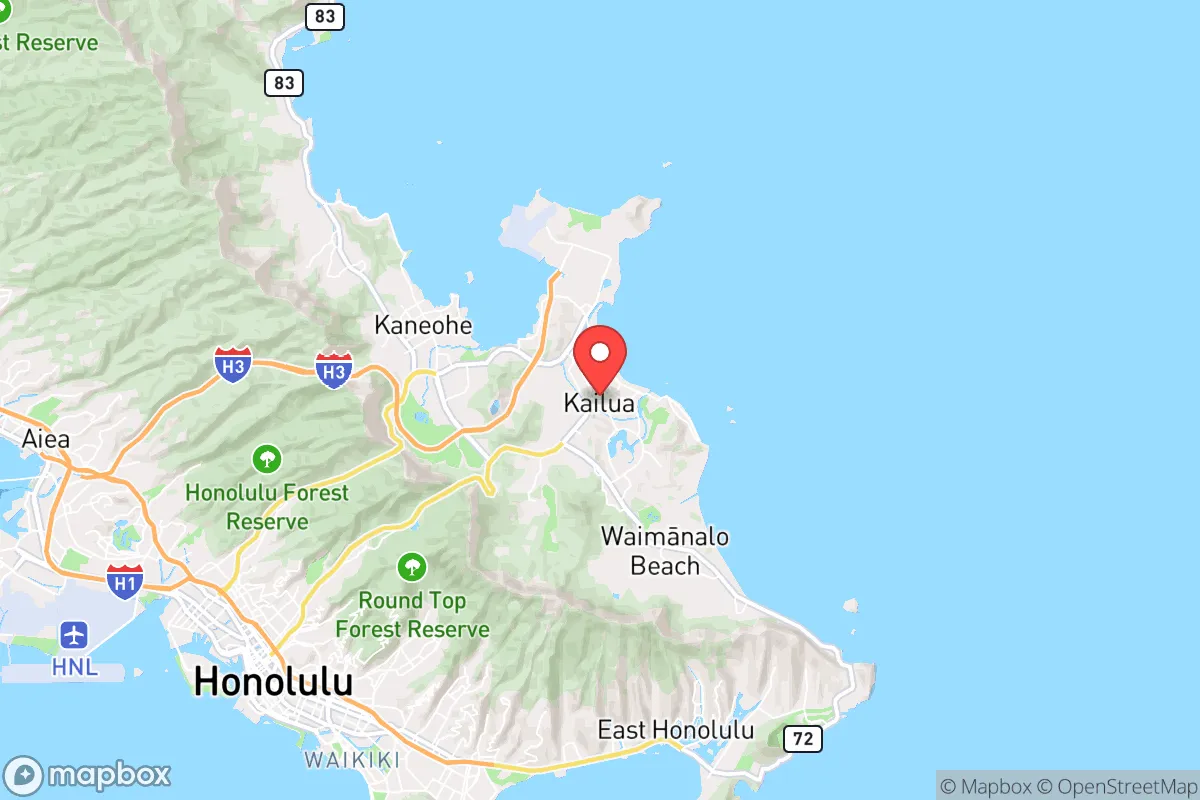
District shown is the primary district for this city’s centroid. Cities may span multiple districts.
Local Political AnalysisPolitical Analysis of Kailua, HI
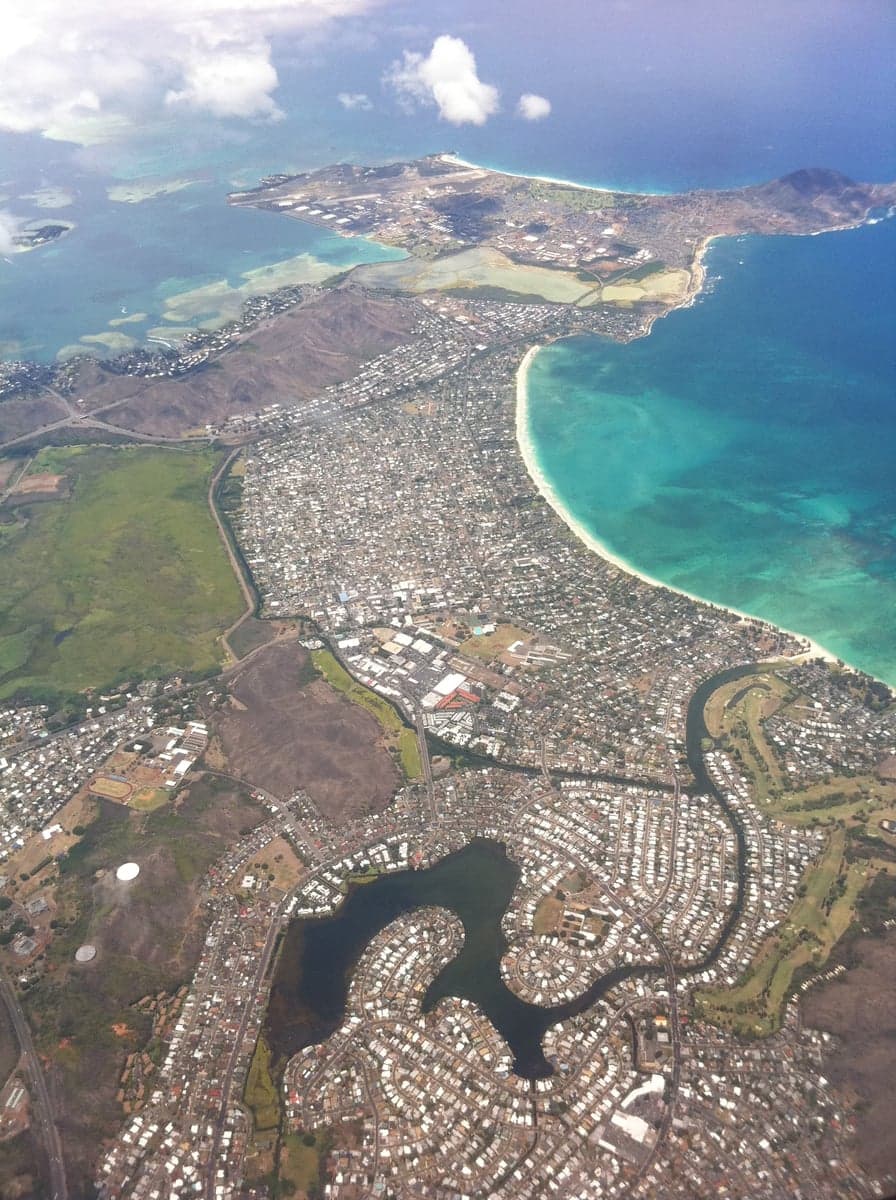
Kailua leans heavily Democratic, with a Cook PVI of D+12, and that number has been creeping further left over the last decade. Back in the 90s and early 2000s, this town had a more balanced mix of independent-minded folks and moderate Democrats, but the last few election cycles have seen a real shift toward progressive candidates and policies. If you look at the precinct-level results from 2024, the core of Kailua voted over 70% for the Democratic presidential candidate, while nearby towns like Kaneohe and Waimanalo still show a bit more diversity in their voting patterns. It’s not a radical swing overnight, but the trajectory is clear: the political center here has moved left, and that’s starting to affect daily life in ways that feel less about freedom and more about control.
How it compares
Compared to the rest of Oahu, Kailua is actually one of the bluest spots outside of urban Honolulu. The North Shore towns like Haleiwa and Waialua lean Democratic too, but they’re more libertarian-leaning—people there want less government interference in their lives. In contrast, Kailua’s politics feel more aligned with the progressive wing of the party, which means more support for things like strict land-use regulations, higher property taxes for “community benefits,” and aggressive environmental mandates. Drive 20 minutes west to Mililani or Pearl City, and you’ll find a more moderate, working-class Democratic vibe—less enthusiasm for the kind of top-down social engineering that’s becoming common in Kailua. The difference is stark: in Mililani, people still grumble about government overreach; in Kailua, it’s often celebrated as “progress.”
What this means for residents
For someone who values personal freedoms, the biggest red flag is how quickly local government here has embraced policies that restrict what you can do with your own property and how you live your life. The county council, which is dominated by Kailua-area representatives, has pushed through stricter short-term rental bans, tighter building codes, and new fees on homeowners who want to add a simple ohana unit. There’s also been a push for “equity” initiatives in local schools that prioritize group outcomes over individual merit, and some parents I know feel like their kids’ education is becoming a vehicle for social experiments rather than solid academics. The police department has been pressured to adopt “restorative justice” programs that critics say let repeat offenders off the hook, and crime stats in some neighborhoods have ticked up as a result. It’s not a police state, but it’s a slow creep of government into areas where it used to stay out.
On the cultural side, Kailua still has that laid-back beach town feel, but the politics are starting to change the character. The local farmers market, once a place where anyone could sell homegrown produce, now has strict vendor permits and “sustainability” fees that push out small operators. The town’s famous Lanikai Beach is still beautiful, but access is increasingly regulated, with parking restrictions and permit-only zones that feel like a solution in search of a problem. If the current trend holds, I’d expect more of the same: higher taxes, more rules, and a growing sense that the government knows better than you do about how to run your own life. It’s not a disaster yet, but it’s worth keeping an eye on if you’re thinking about moving here and you value your independence.

State Political ClimatePolitical Climate in Hawaii
State Political AnalysisPolitical Environment in the State
Hawaii has been a one-party Democratic stronghold for decades, with Democrats holding supermajorities in the state legislature and every statewide office since 1962. The state’s political culture is deeply progressive, driven by a powerful public-sector union apparatus and a heavy reliance on tourism and federal spending. Over the last 10-20 years, the trend has been a steady march leftward, with the state enacting some of the nation’s most restrictive gun laws, highest taxes, and most aggressive environmental regulations. For a conservative-leaning individual or family, the political climate here feels less like a purple swing state and more like a blue fortress where dissent is often met with social and economic pressure.
Urban vs. rural divide
The political map of Hawaii is starkly divided between the dense, liberal core of Honolulu on Oahu and the more conservative-leaning outer islands. Honolulu, home to nearly 70% of the state’s population, drives the state’s progressive tilt. The city’s politics are dominated by unionized government workers, environmental activists, and a large Asian-American electorate that reliably votes Democratic. In contrast, the Big Island (Hawaii County) and Maui County show more political diversity. For example, Hilo on the Big Island is a liberal college town, but Kailua-Kona and the rural Puna district have pockets of libertarian and conservative sentiment, especially among farmers, ranchers, and those fleeing Oahu’s high costs. Kauai leans left but with a strong localist, anti-development streak. Lanai and Molokai are more traditional and less politically engaged. The only reliably Republican precincts are in upscale neighborhoods like Kahala and Hawaii Kai on Oahu, and some rural ranching areas on the Big Island, but they are too small to swing any statewide race. The urban-rural divide here is less about red vs. blue and more about shades of blue, with rural areas often voting for moderate Democrats over progressive ones.
Policy environment
Hawaii’s policy environment is a textbook example of progressive governance with high costs for residents. The state has the highest combined state and local tax burden in the nation, driven by a 4% general excise tax (applied to nearly all goods and services, including rent) and some of the highest property taxes on investment properties. There is no state income tax on capital gains, but regular income is taxed at rates up to 11%. The regulatory posture is heavy: Hawaii has the strictest gun laws in the country, including a ban on most semi-automatic rifles, a 14-day waiting period, and a requirement that all gun owners register with the state. Education policy is dominated by a single statewide school district, the Hawaii Department of Education, which is notoriously bureaucratic and underperforming. School choice is virtually nonexistent, with only a handful of charter schools and no voucher program. Healthcare is heavily regulated, with the state mandating employer-provided insurance and a robust Medicaid program. Election laws are relatively open, with same-day voter registration and no-excuse absentee voting, but the state’s single-party dominance means primary elections are often the only competitive contests.
Trajectory & freedom
Hawaii is becoming less free by nearly every measure, especially for conservatives. The most concerning recent legislation is Act 52 (2022), which banned the sale of most semi-automatic firearms and magazines over 10 rounds, effectively gutting the Second Amendment for law-abiding citizens. In 2023, the state passed Act 2, which expanded background checks to private sales and raised the purchasing age to 21. On parental rights, the state has moved aggressively to centralize control: in 2022, the legislature passed a law requiring all public schools to adopt LGBTQ+ inclusive curriculum, overriding local school boards. Medical autonomy took a hit with Act 1 (2023), which codified abortion access as a fundamental right and removed parental consent requirements for minors. Property rights are under constant assault from the state’s powerful Land Use Commission, which can rezone land with little local input, and from rent control measures in Honolulu. The state’s tax burden continues to rise, with no serious movement toward reform. For a conservative, the trajectory is clear: more regulation, less local control, and a government that views personal liberty as a threat to its agenda.
Civil unrest & political movements
Hawaii has a history of civil unrest, but it’s rarely about national partisan issues. The most visible flashpoint in recent years was the Thirty Meter Telescope (TMT) protests on Mauna Kea (2019-2020), which brought together Native Hawaiian activists, environmentalists, and left-wing groups to block construction. This movement was a preview of the state’s growing decolonization and sovereignty rhetoric, which some conservatives view as a threat to property rights and economic development. There is a small but vocal Hawaiian sovereignty movement that advocates for secession or self-governance, though it has no real political power. On the right, there is a nascent gun rights movement that has organized protests against Act 52, but it is dwarfed by the progressive activist base. Immigration politics are muted because Hawaii is geographically isolated, but the state is a sanctuary state in practice, with local law enforcement refusing to cooperate with ICE. Election integrity controversies are rare, but the 2020 election saw a massive shift to mail-in voting, which remains the default. The most visible political movements are environmental (opposing GMOs, pesticides, and development) and Native Hawaiian rights, both of which tend to align with the Democratic establishment.
Projection
Over the next 5-10 years, Hawaii will likely become even more progressive. The state’s demographic trends are not favorable for conservatives: the population is aging, young people are leaving for the mainland, and the remaining population is increasingly reliant on government jobs and services. In-migration from the mainland is overwhelmingly from blue states like California and New York, bringing progressive voters who are comfortable with high taxes and strict regulation. The Republican Party in Hawaii is nearly extinct, with no serious statewide candidate since Linda Lingle left office in 2010. The only potential check on the leftward march is economic: if the state’s housing crisis and tax burden drive out more middle-class families, the tax base could collapse, forcing a reckoning. But don’t hold your breath. A conservative moving to Hawaii now should expect to find a state where their political views are in the minority, where their gun rights are severely restricted, and where their tax dollars fund a government that is openly hostile to their values. The best you can hope for is to find a like-minded community in a rural area like Pahoa or Waimea on the Big Island, but even there, the state’s long arm reaches.
Bottom line for a new resident: If you are a conservative moving to Hawaii, you are moving into a blue fortress. Your vote will not change the outcome of any statewide election. Your gun rights will be heavily restricted. Your taxes will be high. Your children will attend schools that teach a progressive curriculum. The best strategy is to find a niche in a rural, more libertarian-leaning area like Hawi or Volcano on the Big Island, and to engage in local politics where your voice might actually matter. But if you value personal freedom, low taxes, and a government that respects your rights, Hawaii is not the place for you.
* Values derived from national, state, county, city and local statistics and may differ in a specific area. Last updated: 2026-04-24T00:03:46.000Z
Narrative content on this page is AI-generated and may contain mistakes. Verify any details that matter before acting on them.
ReloMaps may earn a commission from affiliate links at no extra cost to you.

