Photo: Wikipedia
Quality of Life in Kapolei, HI
A high quality of life with strong walkability, manageable living costs, healthy neighborhood signals, and solid amenity access.
What does Quality of Life tell us?
Quality of Life blends cost of living, nearby amenities, socioeconomic signals, and neighborhood character. City-level scores represent the whole municipality; individual neighborhoods can differ.
What does this tell us?
Quality of Life blends cost of living, nearby amenities, socioeconomic signals, and neighborhood character. City-level scores represent the whole municipality; individual neighborhoods can differ.
Cost of Living
132% above national average
The Real Cost of Living in Kapolei, HI for 2026
| Tier | Individual | Family (4) |
|---|---|---|
| Survival | $40k | $75k |
| Comfortable | $118k | $174k |
| Luxury | $173k+ | $269k+ |
| Elite (Top 5%) | $204k+ | $316k+ |
74%
The Area Signal
A metric tracking the socioeconomic signals of the area.
Hobbies
Explore the areaGroceries
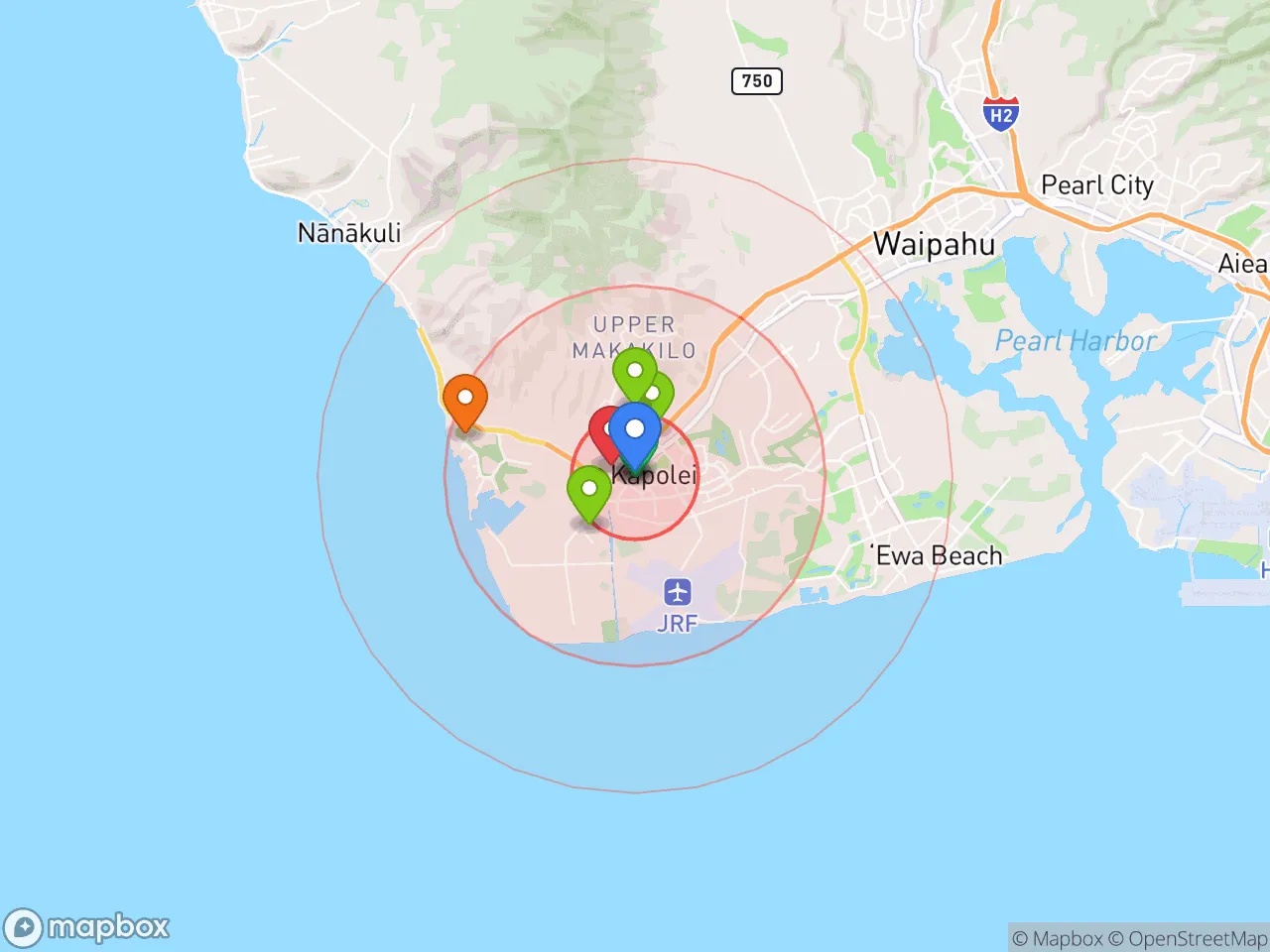
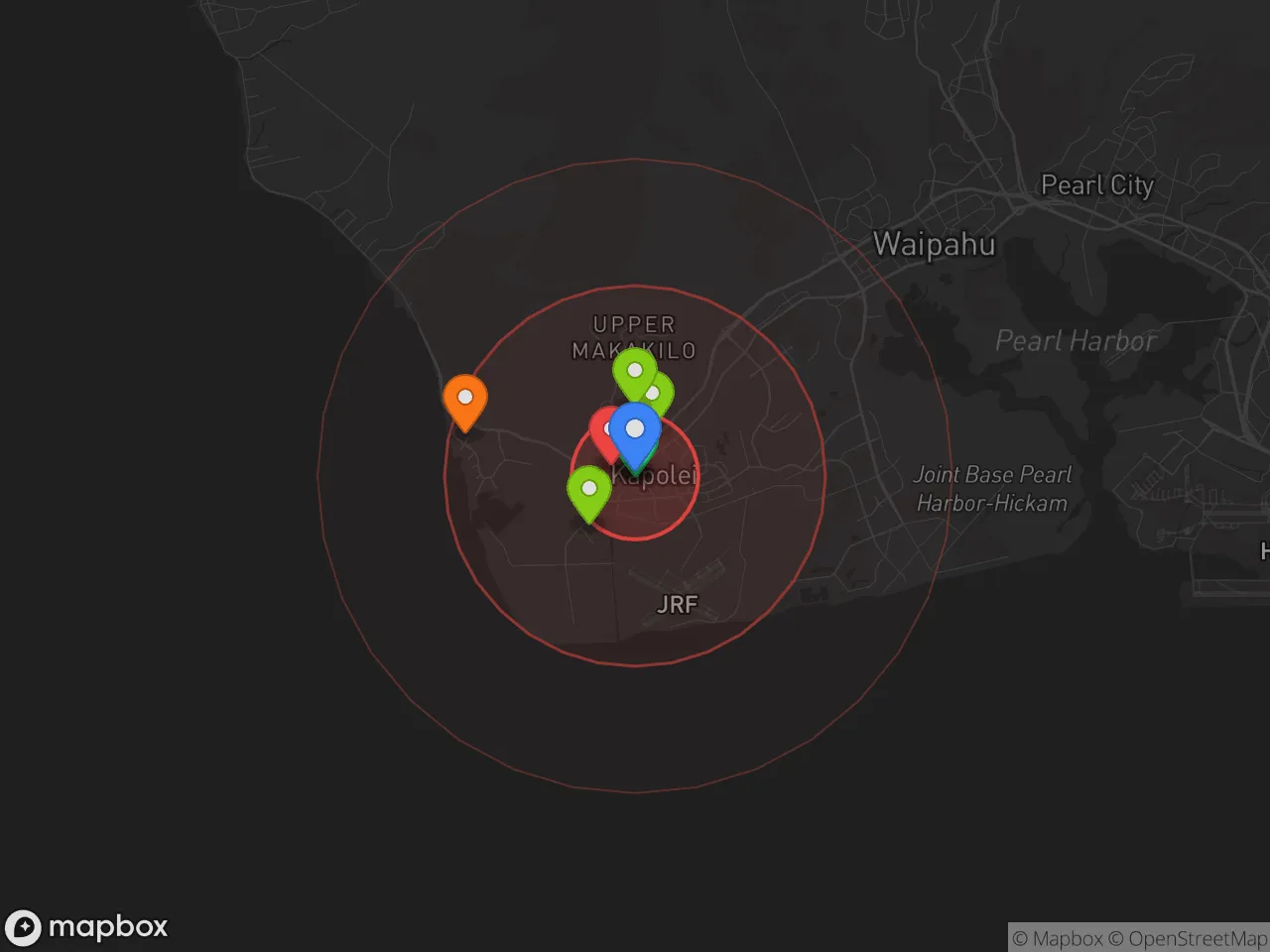
5 within 10 miles
Gas
20 within 10 miles
Hospital
14 within 20 miles
Airport
Daniel K. Inouye International Airport
Post Office
USPS — Ewa Beach, HI
Critical Amenities
Quality-of-Life Analysis
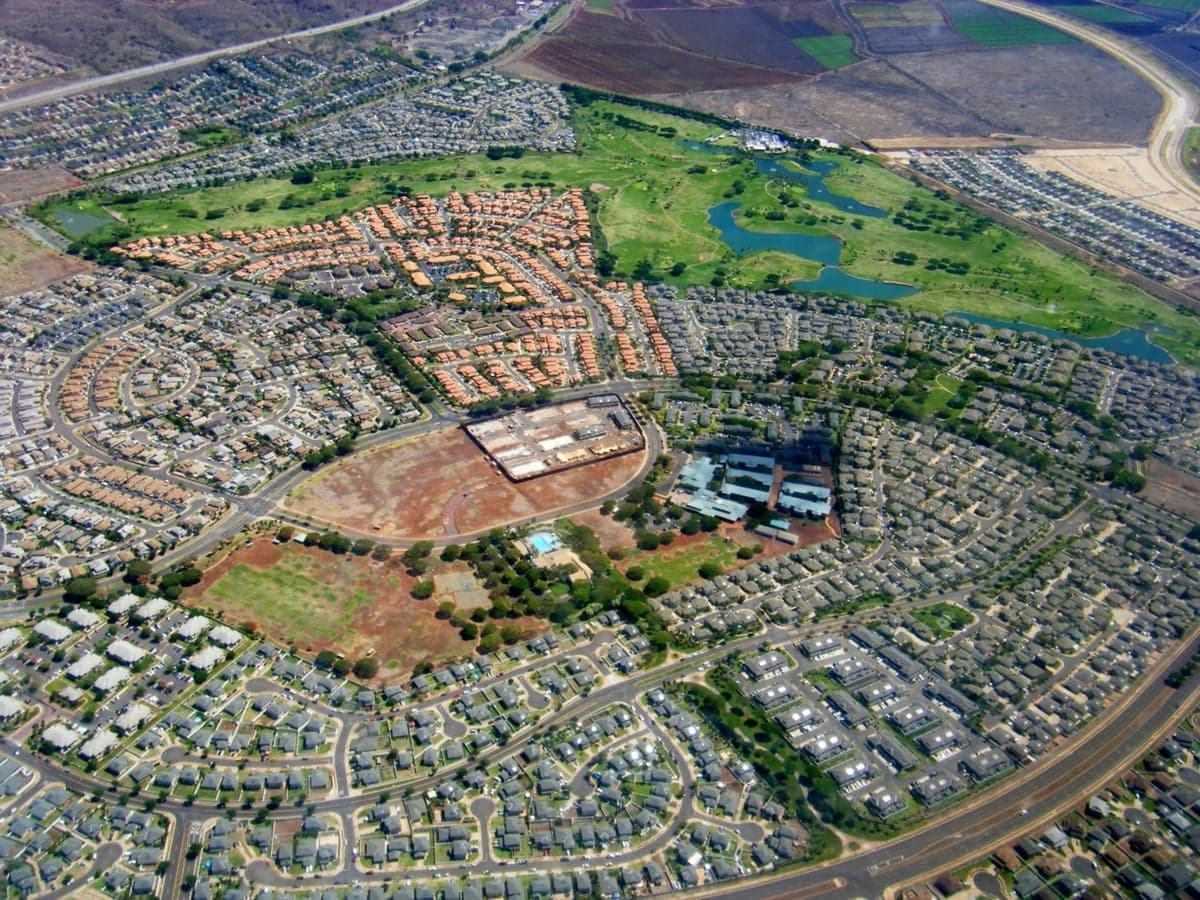
Kapolei, often called Oahu's "second city," is a master-planned community on the leeward coast that attracts a mix of middle-to-upper-income families, military personnel stationed at nearby Joint Base Pearl Harbor-Hickam, and professionals commuting to Honolulu. With a cost of living index of 232—more than double the national average—the area is notably affluent by local standards, yet it offers a more suburban, less congested alternative to urban Honolulu. The population skews toward homeowners and families seeking newer housing stock and planned amenities, creating a demographic profile distinct from older, more transient neighborhoods closer to Waikiki.
Cost of living and housing affordability compared to Honolulu and Ewa Beach
Kapolei's cost of living is steep by mainland standards but competitive within Oahu's housing market. The median home value sits at $720,600, significantly lower than Honolulu's median of roughly $850,000, though higher than neighboring Ewa Beach's $680,000. Median rent in Kapolei is $2,507, which undercuts Honolulu's average of $2,800 but still represents a major monthly expense for renters. The affordability gap is driven largely by Kapolei's newer construction—many homes were built after 2000—and its planned infrastructure, which includes wider roads and dedicated bike lanes. However, the trade-off is a longer average commute of 32.4 minutes, as most residents travel east toward Honolulu for work. For comparison, commuters from Ewa Beach average 30 minutes, while those in urban Honolulu average just 20 minutes. Utility costs in Kapolei are also elevated due to Hawaii's reliance on imported oil, adding roughly 15-20% to monthly bills versus mainland averages.
Schools, shopping, and daily life in a planned community
Kapolei's daily rhythm revolves around its master-planned layout, which clusters retail, schools, and parks within walking distance of many subdivisions. The area is served by the Hawaii Department of Education, with Kapolei High School and Kapolei Middle School both rated above average by GreatSchools, though many families opt for private options like Island Pacific Academy. The primary shopping hub is Ka Makana Alii, a 1.1-million-square-foot open-air mall featuring major retailers like Target and Macy's, plus a food court with local chains. For groceries, Times Supermarket and Don Quijote serve the area, though prices are 30-40% higher than mainland averages. Outdoor amenities include Kapolei Regional Park, which offers soccer fields and a skate park, and the nearby Ko Olina Resort area with its man-made lagoons and beach access. The community's design intentionally reduces car dependency for errands, with many residents walking to the mall or local eateries, but the lack of a robust public transit system means a car is still essential for commuting and accessing Honolulu's cultural attractions.
Kapolei is best suited for families and professionals who prioritize newer housing, planned amenities, and a quieter suburban environment over the urban energy of Honolulu. Military families stationed at Pearl Harbor or Schofield Barracks find the commute manageable and the housing stock appealing, while remote workers with mainland salaries can better absorb the high cost of living. Those who thrive here value predictability—the community's layout, school zones, and retail options are all mapped out in advance—and are willing to trade a longer commute for more space and newer infrastructure. Conversely, singles seeking nightlife or walkable urban density will find Kapolei's car-dependent sprawl and limited after-dark options frustrating. For the right resident, however, Kapolei offers a rare combination on Oahu: a planned, family-oriented suburb with modern homes and a strong sense of community, albeit at a premium price.

Crime in Kapolei, HI
Generally safer than 64% of comparable U.S. locations.
Violent CrimeViolent Crime Analysis
Property CrimeProperty Crime Analysis
Crime Analysis
Kapolei, often called Oahu's "second city," presents a mixed safety profile that residents and newcomers should evaluate carefully. The city's violent crime rate of 200.2 incidents per 100,000 residents sits notably below the national average, but its property crime rate of 1,586.9 per 100,000 exceeds the U.S. median, reflecting patterns common in Hawaii's urban centers. While Kapolei benefits from being part of Honolulu County's broader law enforcement network, the area's rapid growth has introduced challenges typical of expanding suburban communities near a major metro area.
Crime in context
Kapolei's violent crime rate is roughly 43% lower than the national average of approximately 350 per 100,000, placing it among safer communities for personal safety. However, the property crime rate is about 15% higher than the U.S. median of roughly 1,380 per 100,000. This disparity is common in Hawaii, where property crimes—particularly theft from vehicles and burglaries—are elevated due to tourism-related activity and transient populations. Honolulu County's overall crime index is 1.5 times the state average, and Kapolei's figures align closely with that county-level trend. Readers should note that Hawaii's justice system, like many in progressive-leaning metro areas, has faced criticism for prioritizing rehabilitation over incarceration, which some analysts argue contributes to higher property crime recidivism rates. Honolulu's elected prosecutors and judges have implemented diversion programs and reduced pretrial detention, policies that may correlate with the property crime figures seen in Kapolei.
What residents experience
Daily life in Kapolei involves a tangible awareness of property crime. Residents commonly report package thefts from doorsteps, break-ins at parked cars in shopping center lots like those at Ka Makana Alii, and occasional burglaries in newer subdivisions. Violent crime is less frequent but not absent; incidents tend to be concentrated in specific apartment complexes and along the Farrington Highway corridor. The Honolulu Police Department's Kapolei substation maintains a visible presence, and neighborhood watch programs are active in communities like Hoopili and Makakilo. For families, the primary concern is securing homes and vehicles rather than personal safety on the street. The city's layout—with master-planned communities and gated subdivisions—creates pockets of relative security, but the commercial core and transit hubs see higher incident rates.
Neighborhood-level variation in Kapolei is significant. Areas like East Kapolei, home to the University of Hawaii-West Oahu campus and newer single-family homes, report lower crime rates than older sections near the Kapolei Shopping Center and the rail transit station. The Makakilo hillside neighborhoods, with their tighter-knit community feel, also show fewer property crime reports. Conversely, apartment complexes along Kapolei Parkway and rental-heavy developments near the H-1 freeway on-ramps see more frequent police calls. Prospective residents should examine block-level crime maps and consider that Kapolei's safety profile, while generally better than downtown Honolulu, requires vigilance against property crime—a reality shaped in part by the broader metro area's progressive criminal justice policies.
* Values derived from national, state, county, city and local statistics and may differ in a specific area. Last updated: 2026-04-24T00:10:34.000Z
Narrative content on this page is AI-generated and may contain mistakes. Verify any details that matter before acting on them.
ReloMaps may earn a commission from affiliate links at no extra cost to you.

