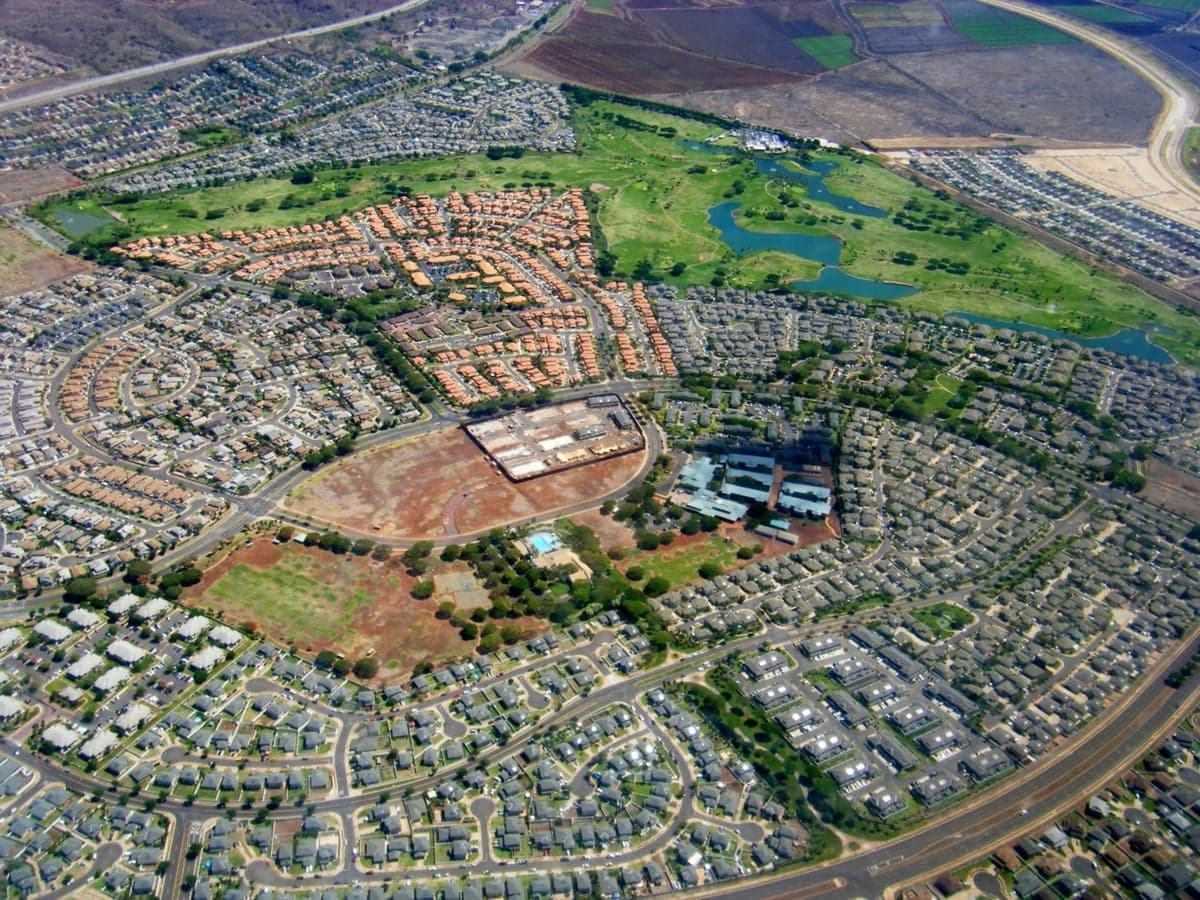
Photo: Wikipedia
Political ClimatePolitical Climate in Kapolei, HI
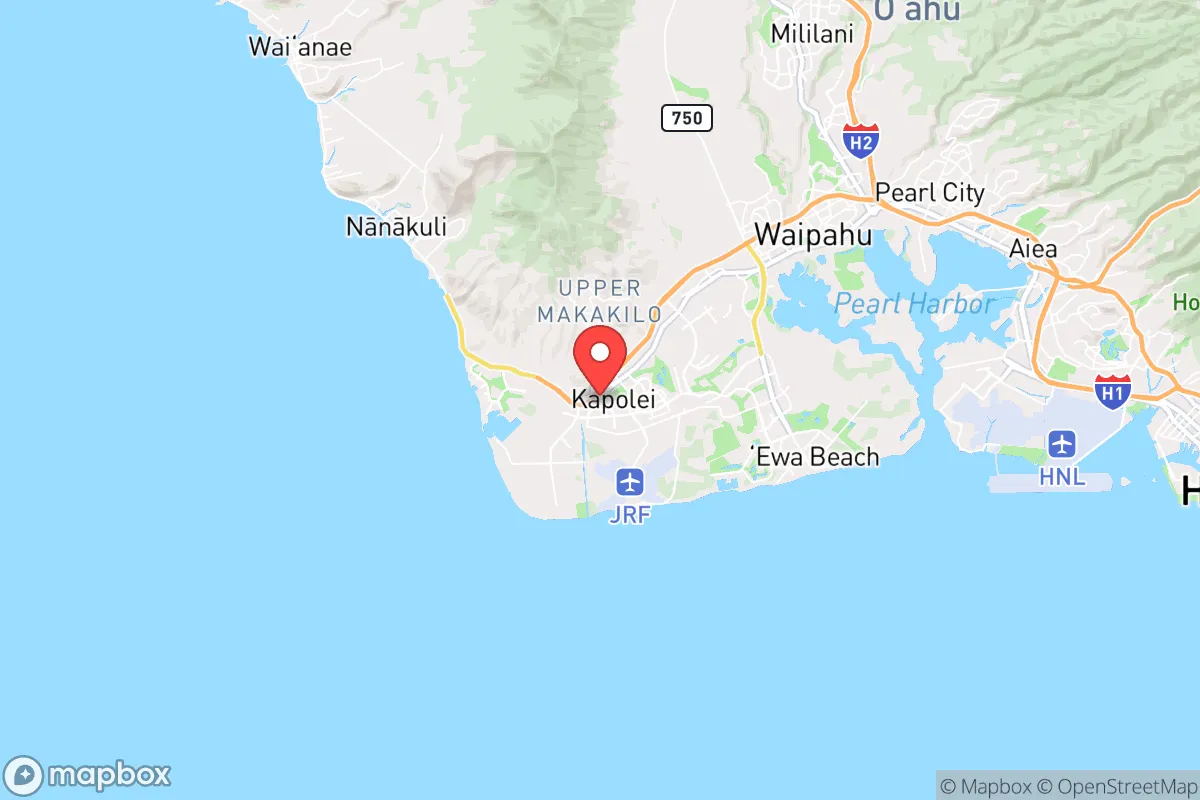
District shown is the primary district for this city’s centroid. Cities may span multiple districts.
Local Political AnalysisPolitical Analysis of Kapolei, HI
Look, I’ve been in Kapolei long enough to watch this place change, and the political shift here is real. The Cook PVI sits at D+13, which tells you straight up that this is a deep-blue area, and it’s been trending that way for a while. Back in the 90s, Kapolei was more of a mixed bag—plenty of folks who’d vote for a moderate Republican if they felt the local economy was solid. Now? It’s solidly Democratic, and the progressive wing has been gaining ground fast. The last few local elections have seen candidates running on environmental justice, affordable housing mandates, and expanded government services, and they’re winning by wider margins each cycle. If you’re looking for a place where conservative values still hold strong, you’re going to feel like an outsider here more and more.
How it compares
Drive 20 minutes north to Mililani, and you’ll find a similar D+10 vibe—lots of state workers and military families who lean left on social issues but still want fiscal responsibility. Head west to Waianae, and it’s even more progressive, with a strong focus on Native Hawaiian sovereignty and anti-development activism. The real contrast is if you go east toward Hawaii Kai or up into the more rural parts of Oahu like Laie—those areas still have a noticeable conservative streak, with more folks voting for limited government and lower taxes. But Kapolei? It’s become the epicenter of the new Hawaii: young families, transplants from the mainland, and a government sector that keeps expanding. The city council and state legislature seats here are almost all held by Democrats who vote in lockstep on things like rent control, plastic bag bans, and mandatory paid leave. It’s a far cry from the “live and let live” attitude that used to define the neighborhood.
What this means for residents
For a conservative-leaning resident, the biggest red flag is how fast government overreach has crept into daily life. The county has pushed through stricter zoning laws that make it harder to build a simple ohana unit on your property without months of permits and fees. There’s talk of a local income tax surcharge to fund “climate resilience” programs, and the school board has adopted curriculum that emphasizes social justice over traditional academics. If you value personal freedom—like choosing your own healthcare, homeschooling without interference, or keeping more of your paycheck—you’ll find yourself fighting an uphill battle. The local government is responsive to activist groups, not to the quiet majority who just want to be left alone. And with the state legislature in Honolulu controlling so much, Kapolei residents often feel like their votes don’t matter much on the big issues.
One thing that still sets Kapolei apart is its strong sense of community among those who remember the old days. There’s a network of longtime families who quietly support each other, sharing tips on how to navigate the bureaucracy and which local businesses still respect traditional values. But the cultural tide is turning—newcomers often bring mainland progressive politics with them, and the local media leans hard left. If you’re thinking of moving here, just know that your voice will be one of a shrinking minority. The next few years will likely see more regulations on everything from short-term rentals to water usage, and the tax burden will keep climbing. It’s not a bad place to live if you can adapt, but don’t expect the political climate to swing back anytime soon.

State Political ClimatePolitical Climate in Hawaii
State Political AnalysisPolitical Environment in the State
Hawaii has been a one-party Democratic stronghold for decades, but don't let the blue veneer fool you—the state's political climate is far more complex and, frankly, concerning for anyone who values personal freedom and limited government. The dominant coalition is a mix of labor unions, Native Hawaiian sovereignty activists, and a progressive mainland transplant class that has steadily pushed the islands leftward since the 1990s. Over the last 10-20 years, the trajectory has been a slow but unmistakable drift toward higher taxes, more regulation, and an expanding government footprint that now touches nearly every aspect of daily life. If you're considering a move here, you need to understand that the "Aloha Spirit" often masks a political machine that is deeply skeptical of individual liberty.
Urban vs. rural divide
The political map of Hawaii is starkly divided between the urban core of Honolulu on Oahu and the rest of the state. Honolulu and its suburbs—places like Waikiki, Kailua, and Kaneohe—are the engine of Democratic power, routinely delivering 70%+ margins for progressive candidates. This is where the bulk of the state's population lives, and it's where the policy agenda is set. In contrast, the rural areas tell a different story. The Big Island's Puna district and the North Shore of Oahu have pockets of libertarian-leaning and even conservative voters, but they are drowned out by the urban machine. The only reliably red county is Kauai—yes, Kauai—which has a strong agricultural and military presence that tilts it slightly right of center. But even there, the margin is narrow, and the trend is toward the left. The divide isn't just geographic; it's cultural. Urban voters are overwhelmingly transplants from the mainland or younger locals who have absorbed progressive values, while rural residents tend to be multi-generational families who remember when Hawaii was more self-reliant and less regulated.
Policy environment
Hawaii's policy environment is a case study in government overreach. The state has the highest combined state and local tax burden in the nation, with a general excise tax that applies to nearly every transaction—including rent and groceries. Property taxes are relatively low, but the state makes up for it with aggressive income taxes that can hit 11% at the top bracket. The regulatory posture is suffocating: building permits can take years, and the cost of housing is driven sky-high by land-use restrictions and a powerful hotel and resort lobby that limits new development. Education policy is dominated by a single statewide school district, the Hawaii Department of Education, which is notoriously bureaucratic and resistant to school choice. Healthcare is heavily regulated, with a state-run insurance exchange and mandates that drive up premiums. Election laws are among the most restrictive in the country for third parties and independents, with a closed primary system that locks out anyone not registered with a major party. The state also has a "sanctuary" policy that limits cooperation with federal immigration enforcement, and it was one of the first to adopt a statewide vaccine mandate for public workers—a move that sparked significant backlash.
Trajectory & freedom
Hawaii is becoming less free by almost any measure. The state has some of the strictest gun laws in the nation, including a ban on "assault weapons" and high-capacity magazines, a requirement for a permit to purchase any firearm, and a "may issue" concealed carry regime that was only loosened slightly after the Bruen decision in 2022. Even then, the state has dragged its feet on implementation. On parental rights, Hawaii passed Act 1 in 2022, which prohibits discrimination based on gender identity or expression in public accommodations—including schools—effectively overriding parental notification requirements. The state also expanded abortion access via the Hawaii Reproductive Health Care Act, which codified a "fundamental right" to abortion and removed most restrictions. Medical autonomy took a hit during COVID with the state's strict lockdowns and vaccine mandates, which were among the longest-lasting in the country. Property rights are under constant threat from the state's powerful Land Use Commission, which can rezone land with little local input. The only bright spot for freedom advocates was the 2023 passage of a bill to legalize "ohana" (accessory dwelling units) on residential lots, which slightly eased the housing crisis—but it was a small step in a sea of expanding government control.
Civil unrest & political movements
Hawaii has a long history of protest, but the most visible flashpoints in recent years have been around the Thirty Meter Telescope (TMT) on Mauna Kea, which drew thousands of Native Hawaiian sovereignty activists and their allies in 2019. That movement was a mix of genuine cultural preservation and anti-development sentiment, but it also revealed a deep distrust of government and corporate power. More recently, the COVID mandates sparked a smaller but vocal movement of parents and health freedom advocates, particularly on the Big Island and Kauai. The state's sanctuary policies have made it a destination for migrants from the Pacific, but there has been little organized opposition—partly because the issue is less visible than on the mainland. Election integrity has been a low-level concern, with Hawaii's all-mail voting system drawing scrutiny from both sides, but no major controversies have erupted. The most visible political movement on the right is the Hawaii Republican Party, which is small but active, with a strong presence in the military community around Schofield Barracks and Pearl Harbor. However, the party is often divided between moderates and a growing libertarian wing that wants to cut taxes and regulations.
Projection
Over the next 5-10 years, Hawaii is likely to continue its leftward drift, driven by demographic shifts and in-migration from the mainland. The state's population is aging and declining, but the newcomers tend to be younger, more progressive, and wealthier—often remote workers who bring mainland values with them. The Native Hawaiian sovereignty movement will likely gain more traction, pushing for greater autonomy and possibly a renegotiation of the state's relationship with the federal government. This could lead to more land-use restrictions and a further erosion of property rights. The housing crisis will force some deregulation, but don't expect a free-market revolution—the powerful hotel and union lobbies will fight any meaningful reform. Gun rights will remain under assault, and parental rights will continue to be eroded by progressive education policies. If you're moving here now, expect to find a state that is beautiful but increasingly bureaucratic, where your freedom to build, work, and live as you see fit is constrained by a government that sees itself as the solution to every problem.
Bottom line for a new resident: Hawaii offers unparalleled natural beauty and a unique culture, but it comes at a steep price—both financially and in terms of personal liberty. If you value low taxes, school choice, gun rights, and a government that stays out of your life, this is not the place for you. The state is run by a progressive machine that is unlikely to change course anytime soon. If you're willing to trade freedom for paradise, you'll find plenty of like-minded people in the rural areas and on the neighbor islands, but you'll be fighting an uphill battle against a political establishment that has no interest in rolling back the clock. Do your homework, visit for an extended period, and talk to locals—especially those who have been here for decades—before making the leap.
* Values derived from national, state, county, city and local statistics and may differ in a specific area. Last updated: 2026-04-24T00:10:34.000Z
Narrative content on this page is AI-generated and may contain mistakes. Verify any details that matter before acting on them.
ReloMaps may earn a commission from affiliate links at no extra cost to you.

