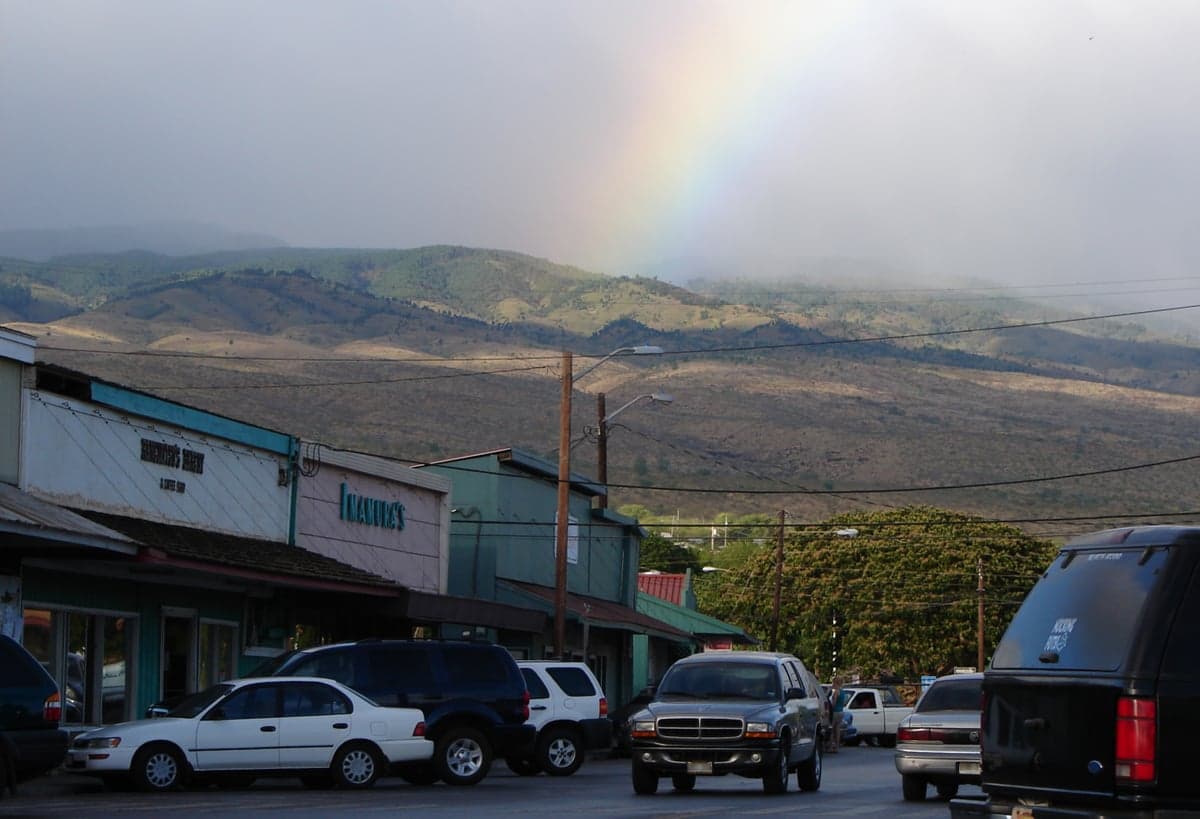
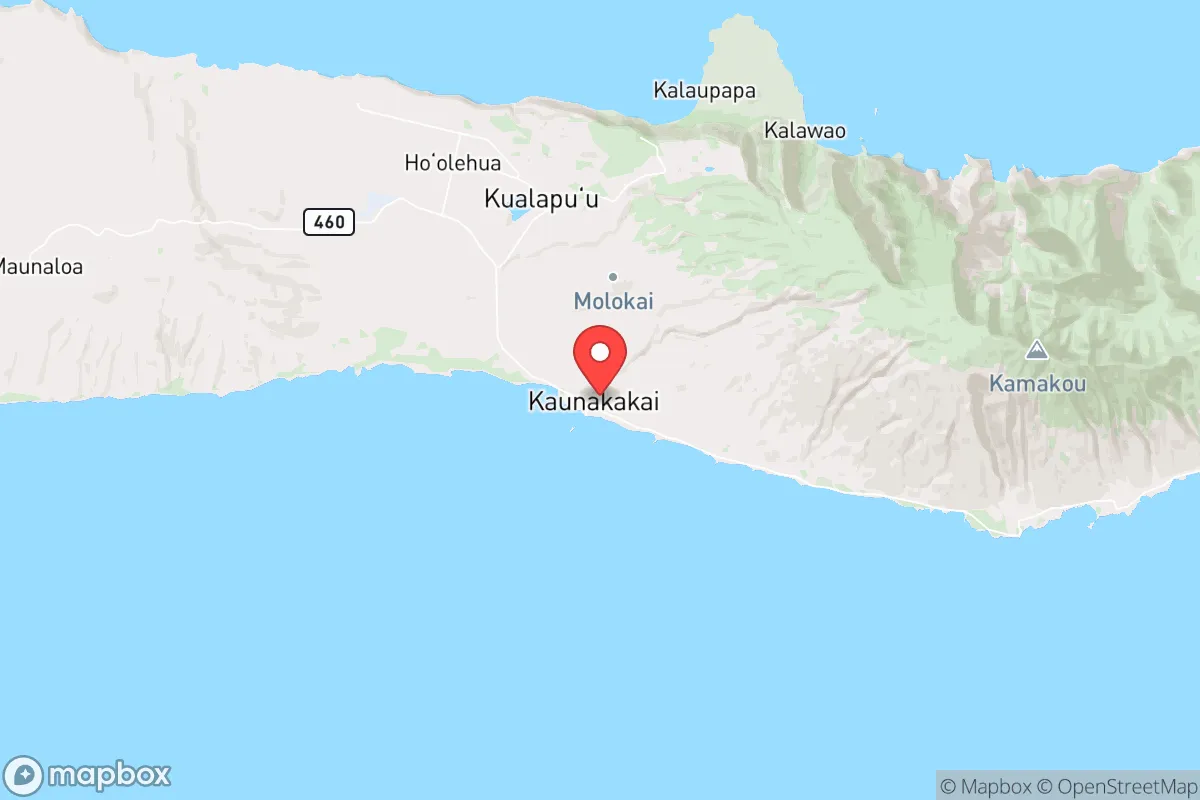
Photo: Wikipedia
Quality of Life in Kaunakakai, HI
Above-average quality of iife. The area offers a reasonable cost of living, decent mobility, and a mix of neighborhood amenities.
What does Quality of Life tell us?
Quality of Life blends cost of living, nearby amenities, socioeconomic signals, and neighborhood character. City-level scores represent the whole municipality; individual neighborhoods can differ.
What does this tell us?
Quality of Life blends cost of living, nearby amenities, socioeconomic signals, and neighborhood character. City-level scores represent the whole municipality; individual neighborhoods can differ.
Cost of Living
6% below national average
The Real Cost of Living in Kaunakakai, HI for 2026
| Tier | Individual | Family (4) |
|---|---|---|
| Survival | $14k | $27k |
| Comfortable | $65k | $96k |
| Luxury | $138k+ | $214k+ |
| Elite (Top 5%) | $162k+ | $251k+ |
80%
The Area Signal
A metric tracking the socioeconomic signals of the area.
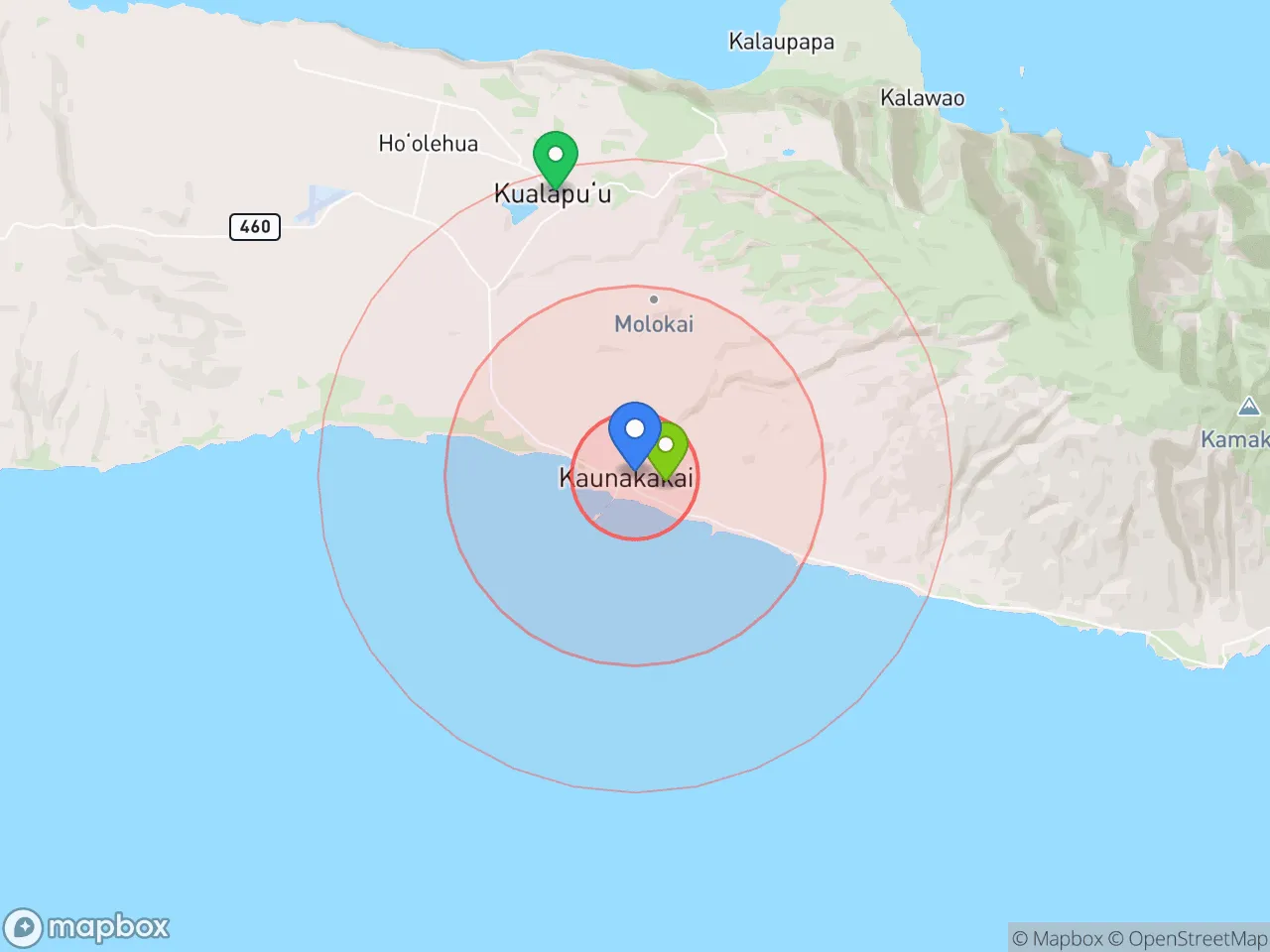
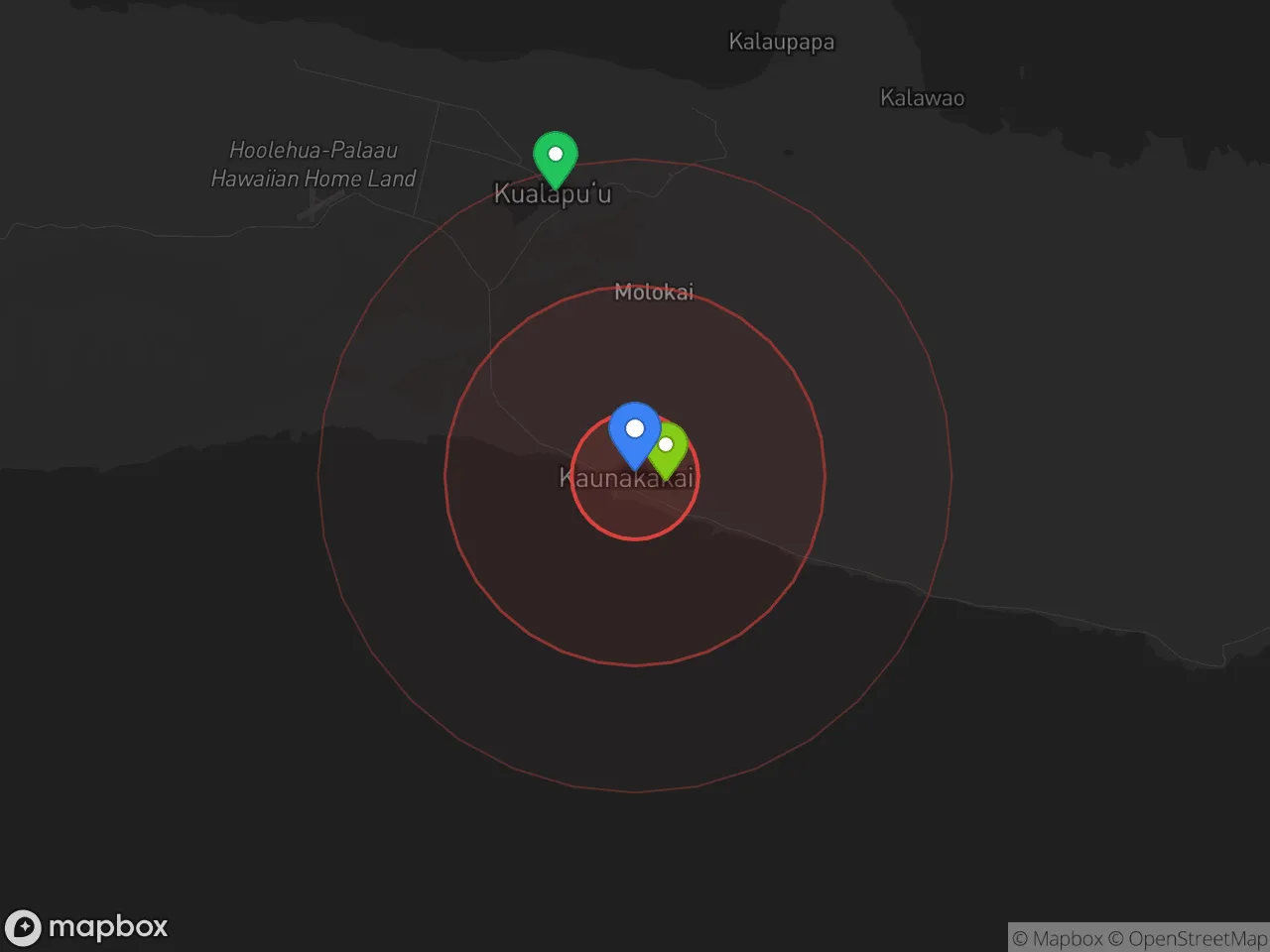
Limited data for this area
Limited data for this area
Hobbies
Explore the areaGroceries
0 within 10 miles
Gas
1 within 10 miles
Hospital
2 within 20 miles
Airport
Daniel K. Inouye International Airport
Post Office
USPS — Kaunakakai, HI
Critical Amenities
Quality-of-Life Analysis
Kaunakakai, the primary town on Molokai, presents a unique quality-of-life profile defined by its rural isolation, tight-knit community, and significantly lower cost of living compared to the rest of Hawaii. With a cost-of-living index of 94 (where 100 is the U.S. average), it is notably more affordable than the state average of roughly 180, attracting residents who prioritize a slower, self-sufficient lifestyle over urban amenities. The population skews older and includes many Native Hawaiian families, long-time local residents, and a small number of remote workers seeking an off-grid existence, creating a community deeply rooted in tradition and subsistence practices.
Cost of living, housing affordability, and how Kaunakakai compares to other Hawaiian towns
Kaunakakai’s housing market is a standout outlier in Hawaii. The median home value sits at $335,200, a fraction of the median on Oahu (over $1 million) or Maui (over $900,000). This makes it one of the most affordable places to buy a home in the entire state. Median rent is equally striking at $905, compared to over $2,000 in Honolulu or Lahaina. However, this affordability comes with trade-offs: the housing stock is older, inventory is very limited, and many homes lack modern amenities or are on leased land (not fee simple). The average commute of 22.8 minutes is short by national standards and reflects the town’s small scale—most jobs, services, and schools are within a few miles. While groceries and utilities are more expensive than on the mainland (due to shipping costs), the overall COL index of 94 means a household earning the U.S. median income can live here more comfortably than in virtually any other part of Hawaii.
What daily life is like for families: schools, amenities, and the pace of life
Daily life in Kaunakakai revolves around a slow, predictable rhythm. The town has a single grocery store (Misaki’s), a handful of restaurants, a post office, and a few small shops. For major shopping, medical specialists, or entertainment, residents take the 30-minute ferry or a short flight to Maui. The Molokai Community Health Center provides primary care, but serious medical needs require travel. Public schools are part of the Hawaii Department of Education: Kaunakakai Elementary and Molokai Middle School serve the town, while Molokai High School is in nearby Ho‘olehua. The schools are small, with class sizes around 15–20 students, and emphasize Hawaiian culture and agriculture. For families, the trade-off is clear: children grow up in a safe, outdoor-oriented environment with beaches, fishing, and hiking, but have limited extracurriculars, no movie theaters, and few peers. The pace is distinctly rural—businesses often close by 5 p.m., and Sunday hours are minimal.
This lifestyle is best suited for people who value community connection, self-reliance, and natural beauty over convenience and career opportunity. Remote workers with stable mainland incomes can stretch their dollars further here than anywhere else in Hawaii. Retirees seeking a quiet, low-cost island life will find the pace ideal. Families should be prepared for the logistical challenges of island living—shipping costs, limited healthcare, and the need to travel for many services. Those who thrive in Kaunakakai are typically those who embrace a simpler, more intentional existence, where relationships and the land matter more than material consumption or fast-paced urban life.

Crime in Kaunakakai, HI
Generally safer than 62% of comparable U.S. locations.
Violent CrimeViolent Crime Analysis
Property CrimeProperty Crime Analysis
Crime Analysis
Kaunakakai, the primary town on Molokai, presents a mixed safety picture that diverges sharply from both mainland urban centers and other Hawaiian communities. With a violent crime rate of 215 per 100,000 residents and a property crime rate of 1,680 per 100,000, the town experiences crime at levels that are notably lower than the national average but require careful consideration for potential residents. The island's small population and remote character contribute to a distinct public safety environment that differs significantly from the more densely populated areas of Oahu or Maui.
Crime in context
Kaunakakai's violent crime rate of 215 per 100,000 is approximately 39% lower than the national average of roughly 380 per 100,000, placing it in a comparatively safer bracket for violent offenses. However, the property crime rate of 1,680 per 100,000 sits about 10% above the national average of roughly 1,500 per 100,000, indicating that theft and burglary are more pressing concerns than physical violence. When compared to the state of Hawaii's overall rates—which hover around 250 per 100,000 for violent crime and 2,200 per 100,000 for property crime—Kaunakakai fares better than the statewide property crime average but slightly worse on violent crime than some rural neighbor island communities. The Molokai Police Department, a county-level agency under Maui County, has limited resources relative to larger jurisdictions, which can affect response times in more remote areas of the island.
What residents experience
Daily life in Kaunakakai involves a heightened awareness of property security, as vehicle break-ins and package theft are the most commonly reported incidents. The town's small size means that violent crime is rare but not absent, with most incidents stemming from domestic disputes or alcohol-related altercations rather than random street violence. Residents often note that the community's tight-knit nature acts as a natural deterrent—neighbors know each other, and suspicious activity is quickly reported. However, the island's economic challenges, including limited employment opportunities and higher poverty rates than the state average, contribute to property crime pressures. The local judicial system, operating under Maui County's broader framework, has not adopted the progressive prosecutorial policies seen in larger mainland cities like San Francisco or Los Angeles, meaning offenders face more traditional consequences. This is a positive factor for public safety, as it avoids the cycle of repeat offenses that plagues jurisdictions with lenient sentencing and district attorneys who prioritize offender rehabilitation over victim protection.
Neighborhood-level variation in Kaunakakai is limited due to the town's compact geography, but areas closer to the harbor and main commercial strip (Ala Malama Avenue) experience higher foot traffic and correspondingly more petty theft. Residential streets further inland, such as those near the Molokai Community Health Center, tend to see fewer incidents. For those considering relocation, the overall safety picture is one of manageable risk, provided standard precautions like locking vehicles and securing homes are observed. The absence of a large, transient population and the island's geographic isolation further reduce the likelihood of organized crime or gang activity, making Kaunakakai a comparatively safe choice within Hawaii's rural landscape.
* Values derived from national, state, county, city and local statistics and may differ in a specific area. Last updated: 2026-05-15T21:54:01.000Z
Narrative content on this page is AI-generated and may contain mistakes. Verify any details that matter before acting on them.
ReloMaps may earn a commission from affiliate links at no extra cost to you.

