Photo: Wikipedia
Find The Best Places To Live
in Kaunakakai
PRO TIP! You can paste a Zillow or Redfin link to get info on that property.
What It's Like Living in Kaunakakai, HI
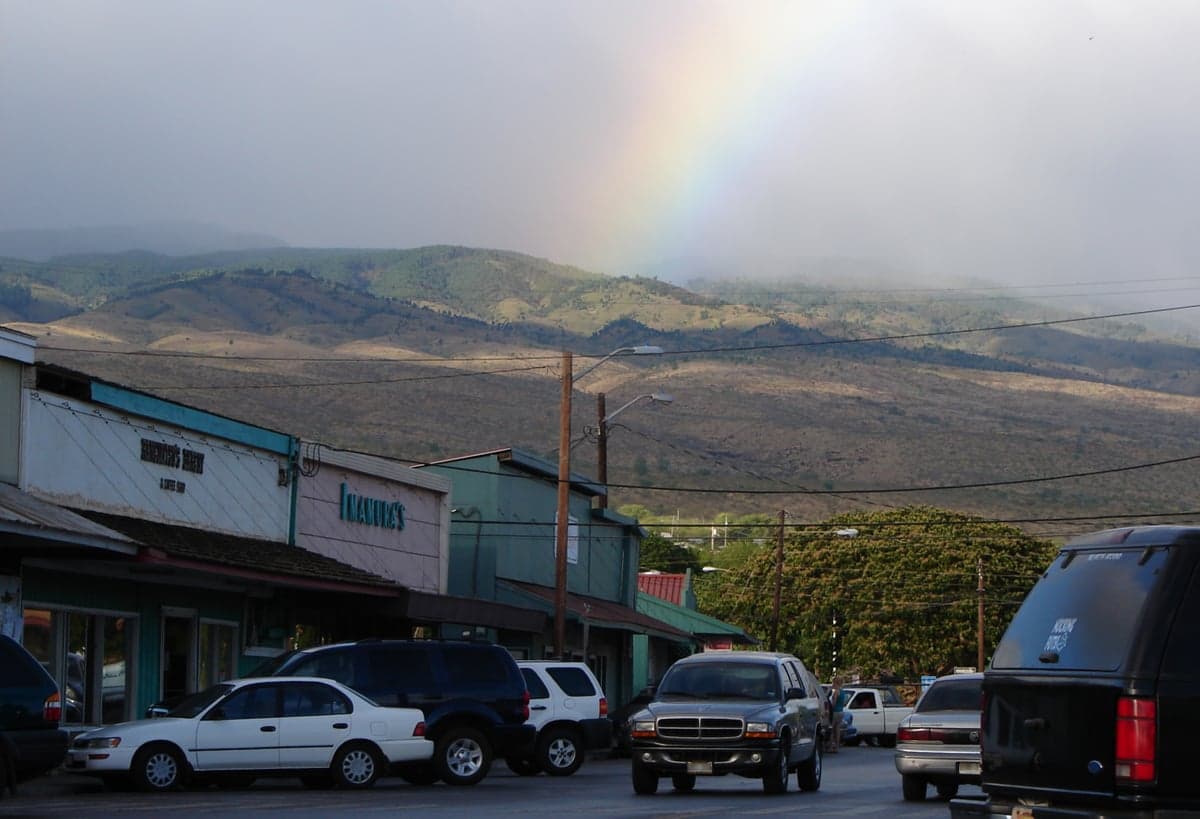
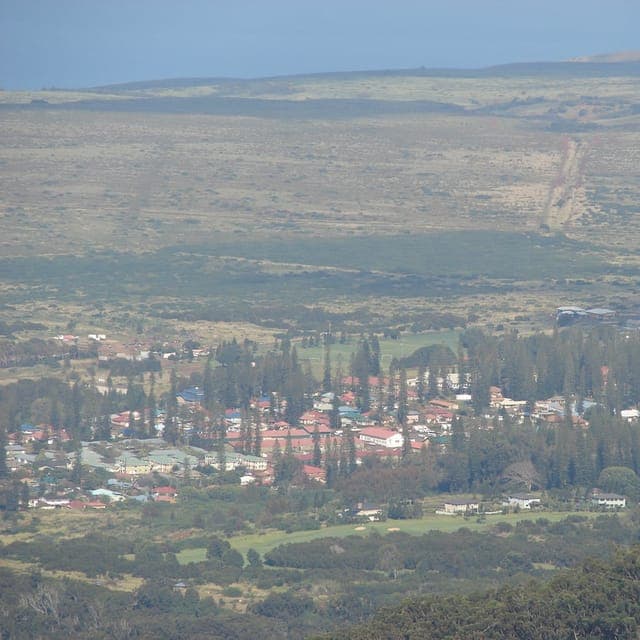
Kaunakakai feels less like a tourist postcard and more like the real Hawaii—a slow, sun-beaten town where life runs on island time and everyone seems to know everyone. With a population just over 3,700, it’s the largest settlement on Molokai, but it still has the quiet, unpolished character of a place that hasn’t been reshaped by resorts or cruise ships. Living here means trading convenience and anonymity for a deep sense of community, wide-open spaces, and a pace of life that can feel either refreshing or frustrating, depending on what you’re looking for.
Daily Rhythm on Molokai’s Main Street
Most mornings in Kaunakakai start early, often with a stop at Kanemitsu’s Bakery for their famous hot bread—a local institution where the line forms before dawn. The town’s main drag, Ala Malama Avenue, is a short strip of low-rise buildings housing a grocery store, a few restaurants, and the post office. People here shop at the Molokai Farmers Market on Saturdays for fresh produce and locally caught fish, and weekends often involve beach days at One Aliʻi Beach Park or a drive out to the remote east end of the island. The median age is 33.7, and the median household income sits at $76,944, which is modest by Hawaii standards but goes further here because the cost of living index is 94—actually below the national average. That’s rare for Hawaii, and it means a single person or a young family can afford a decent home (median value $335,200) without the crushing debt common on Oahu or Maui.
The average commute is just under 23 minutes, but that number can be misleading—most drives are short, but the island’s two-lane roads mean you’re often sharing the pavement with pickup trucks, mopeds, and the occasional stray dog. Traffic jams are virtually nonexistent; the biggest delay is waiting for the barge to unload at the harbor.
Who Fits In—and Who Doesn’t
Kaunakakai attracts people who value privacy, self-sufficiency, and a slower rhythm. You’ll find a mix of multi-generational Hawaiian families, transplants who came for a simpler life, and a handful of remote workers who can handle the island’s limited internet. Only 16.8% of adults hold a college degree, which reflects the local economy’s reliance on agriculture, fishing, and small businesses rather than white-collar jobs. The kind of person who thrives here is someone who doesn’t need constant entertainment, who can fix their own car, and who enjoys knowing their neighbors by name. It’s less suited for career climbers, nightlife seekers, or anyone who needs a big-box store within a 10-minute drive. The nearest Costco is on Maui—a 90-minute ferry ride away.
For parents, the schools are small and tight-knit. Molokai High School is the only public high school on the island, and its sports teams—the Farmers—are a genuine source of community pride. Friday night football games in the fall draw a big chunk of the town, and the basketball and volleyball seasons are nearly as popular. There’s no pro sports here, but the high school teams are treated with the kind of loyalty you’d see in a small Midwestern town.
What There Is to Do (and What There Isn’t)
Entertainment in Kaunakakai is mostly outdoor and low-key. The big annual event is the Molokai Ka Hula Piko festival in May, which celebrates the island’s claim as the birthplace of hula. There’s also the Molokai Music Festival and the occasional community potluck at the Mitchell Pauole Center. Restaurants are limited but memorable: Paddlers Restaurant & Bar is the go-to for plate lunches and a cold beer, and Kualapuʻu Cookhouse (a short drive away) serves solid local comfort food. Nightlife is essentially nonexistent—a few bars close by 10 p.m., and the biggest social event of the week might be the Saturday market.
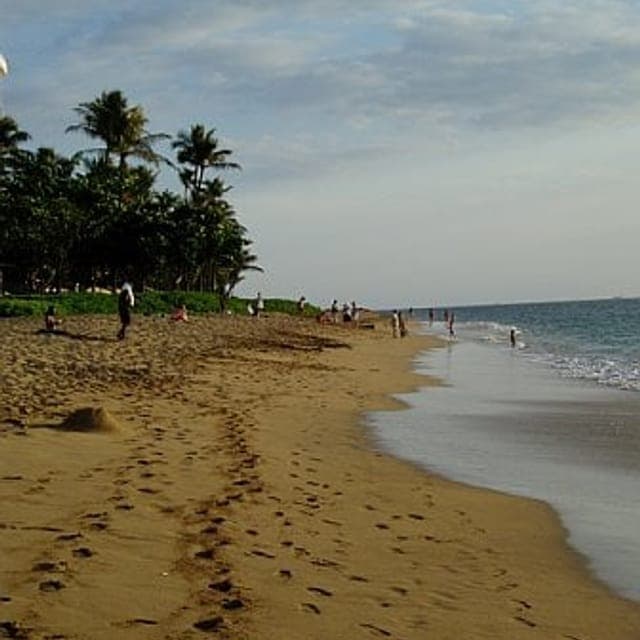
Outdoor life is the real draw. Papohaku Beach is one of Hawaii’s longest white-sand beaches and is often nearly empty. Hiking trails in the Molokai Forest Reserve offer views of the island’s steep north shore cliffs. Fishing, spearfishing, and paddling are everyday activities for many residents. The trade-off is that you’re trading variety for peace—there’s no movie theater, no bowling alley, no shopping mall, and only a handful of restaurants.
Pros and Cons of Living Here
- Pro: Genuine community. People look out for each other. If your car breaks down, someone will stop. The violent crime rate is 215 per 100,000—higher than the national average, but most incidents are domestic or between people who know each other, not random street crime.
- Con: Isolation. Getting off-island requires a plane or ferry, and both are expensive. Medical emergencies often mean a medevac to Oahu. Supplies can be limited, and shipping costs drive up prices on everything from furniture to fresh produce.
- Pro: Affordability. A cost of living below the national average in Hawaii is almost unheard of. You can buy a modest home for under $350,000, which is impossible on most other islands.
- Con: Limited jobs. The economy is small. Most work is in healthcare, education, government, or tourism-adjacent services. Remote work is possible but requires patience with slower internet.
- Pro: Natural beauty without crowds. You’ll have beaches, forests, and cliffs largely to yourself. No traffic jams, no resort crowds, no high-rise condos blocking the view.
- Con: Few amenities. No Target, no movie theater, no urgent care open late. You learn to plan ahead and stock up.
Kaunakakai isn’t for everyone, and it doesn’t pretend to be. It’s a place where the weather is warm year-round (80s most days, with a rainy season from November to March), where the pace is dictated by the sun and the tide, and where the biggest decision of your week might be whether to fish off the pier or hike up into the hills. For the right person—someone who values quiet, community, and a life stripped of unnecessary complexity—it can feel like a hidden gem. For others, it might feel like a very long layover.

Similar small towns to Kaunakakai

* Values derived from national, state, county, city and local statistics and may differ in a specific area. Last updated: 2026-05-15T21:54:01.000Z
Narrative content on this page is AI-generated and may contain mistakes. Verify any details that matter before acting on them.
ReloMaps may earn a commission from affiliate links at no extra cost to you.

