Photo: Wikipedia
Find The Best Places To Live
in Wailea
PRO TIP! You can paste a Zillow or Redfin link to get info on that property.
What It's Like Living in Wailea, HI
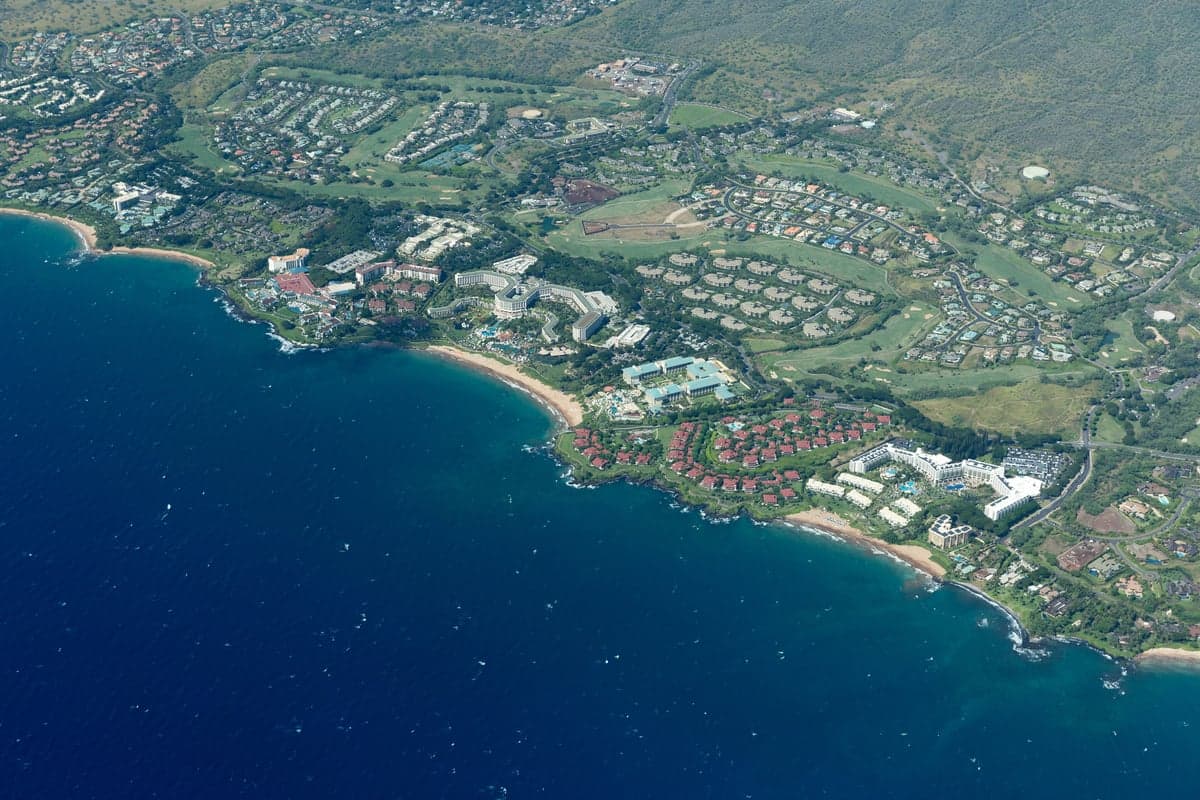
Wailea feels less like a typical town and more like a curated resort community that happens to have permanent residents. With a population hovering around 6,500 and a median age of nearly 56, this south Maui enclave attracts a mix of affluent retirees, second-home owners, and professionals who work in hospitality or remote tech. The vibe is polished, quiet, and deliberately slow-paced — a place where the biggest daily decision is which beach access path to take.
Daily Rhythm on the Gold Coast
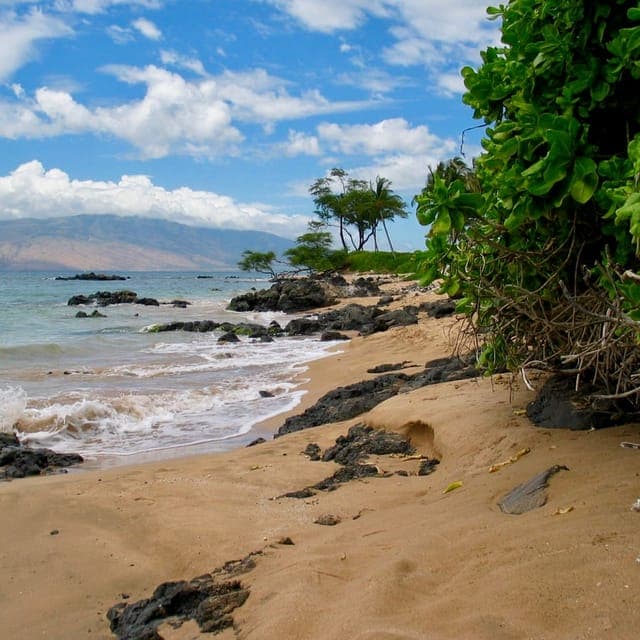
Life in Wailea revolves around the coastline. Most mornings start with a walk or jog along the Wailea Coastal Walk, a paved path that strings together five crescent beaches — from Keawakapu to Polo Beach. By 8 a.m., the resort pools are still empty, and locals grab coffee at Island Gourmet Markets in the Shops at Wailea, the main commercial hub. Grocery shopping means driving 15 minutes north to Kihei for Safeway or Foodland, since Wailea itself has no full-service supermarket. The average commute is a remarkably short 17.7 minutes — most residents work either in the resort corridor or in Kahului, 25 minutes away.
Weekends here don't involve lawn mowing or home improvement projects. Instead, they're for paddleboarding at Ulua Beach, booking a last-minute table at Monkeypod Kitchen for their mai tai and potstickers, or driving upcountry to Kula for farmers market produce. The median household income of $89,375 supports this lifestyle, though the cost of living index of 322 means that same income buys roughly a third of what it would on the mainland. A $1.36 million median home value puts single-family ownership out of reach for most working families — condos and long-term rentals are the realistic entry point.
Sports, Festivals, and the Local Social Scene
Wailea doesn't have its own high school — kids attend Kihei Charter School or Kamehameha Schools Maui in Pukalani — so there's no Friday night football culture. The closest thing to community sports is the Maui United Soccer Club and the annual Maui Marathon, which finishes right on Wailea Beach. Pro sports fandom here is split between Hawaii's own University of Hawaii Rainbow Warriors and whatever mainland teams residents brought with them. You'll see as many San Francisco Giants hats as Los Angeles Dodgers caps at the Mulligan's Pub in Kihei, the nearest Irish bar where locals actually hang out.
The big annual event is Wailea's Fourth of July fireworks over the ocean, drawing crowds from across the island. Maui Film Festival holds its outdoor screenings at the Wailea Golf Club, and the Kapalua Wine & Food Festival (30 minutes north) pulls the same demographic. For live music, Mulligan's and Three's Bar & Grill in Kihei host local bands, but most evenings in Wailea itself are quiet — dinner at Ferraro's Bar e Ristorante or Spago at the Four Seasons, then a beach walk under the stars.
What Works and What Grates
What longtime residents love:
- The weather — consistently 75-85°F year-round, with trade winds keeping humidity manageable. No winter, no snow, no tornadoes.
- Safety — violent crime rate of 215 per 100,000 is below the national average, and Wailea feels especially secure with its resort security presence.
- Beach access — every resort has public shoreline access, and locals know the unmarked paths to less crowded coves.
- Proximity to nature — Haleakala sunrise, Hana Highway, and Molokini snorkeling are all day-trip accessible.
What frustrates them:
- Cost of living — a gallon of milk runs $8-10, and a basic dinner for two at a mid-range restaurant easily hits $100 before tip.
- Limited housing options for non-millionaires — the median home value of $1.36M means most service workers commute from Kihei or Kahului.
- Seasonal crowds — December through April brings heavy tourist traffic, making the Coastal Walk feel like a mall corridor.
- Island logistics — everything must be shipped in, so Amazon deliveries take a week, and specialty medical care requires a flight to Oahu.
With 44.9% of adults holding a college degree, the population skews educated and informed — but also transient. Many residents are snowbirds or part-timers, so building deep friendships takes intentional effort. The local identity is less "small-town community" and more "shared appreciation for a specific kind of luxury-adjacent island life."
Who Thrives Here and Who Should Look Elsewhere
Wailea works best for people who value predictable beauty and low friction over gritty authenticity or nightlife. Retirees with mainland pensions, remote tech workers earning six figures, and hospitality executives fit naturally. Families with school-age children often find it isolating — the lack of a neighborhood school, limited after-school programs, and the high cost of youth sports can push them toward Kihei or Makawao. Single professionals under 40 typically find Wailea too quiet and gravitate to the more affordable, livelier Kihei strip three miles north.
The cultural quirks are subtle but real. Locals wave when passing on the Coastal Walk. Pau hana (happy hour) runs from 3-5 p.m., not 5-7. And everyone knows that the best snorkeling is at Ahihi-Kinau Natural Area Reserve, 10 minutes south — but you have to get there before 8 a.m. to find parking. If that rhythm sounds appealing, Wailea delivers exactly what it promises: a beautiful, expensive, and remarkably calm place to live.

Similar small towns to Wailea
* Values derived from national, state, county, city and local statistics and may differ in a specific area. Last updated: 2026-05-15T21:54:51.000Z
Narrative content on this page is AI-generated and may contain mistakes. Verify any details that matter before acting on them.
ReloMaps may earn a commission from affiliate links at no extra cost to you.

