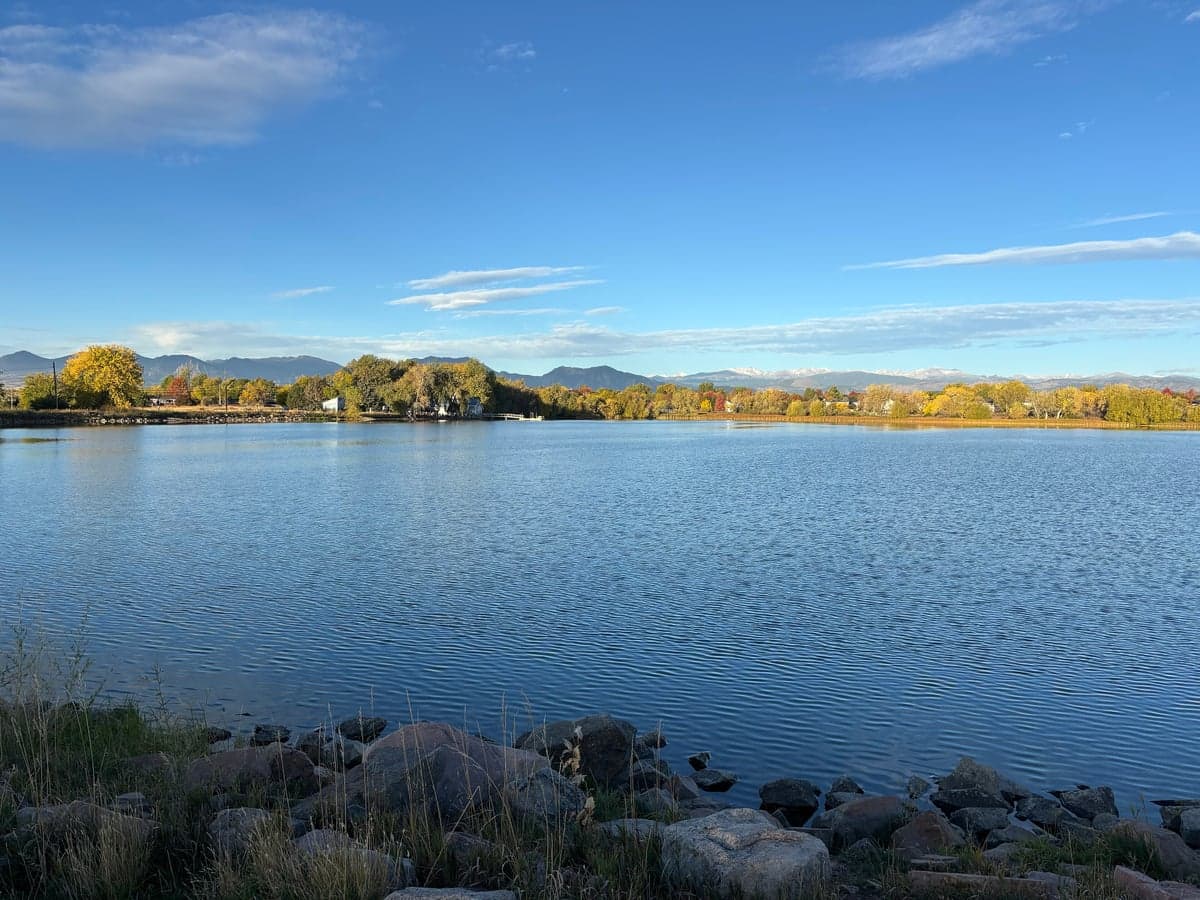
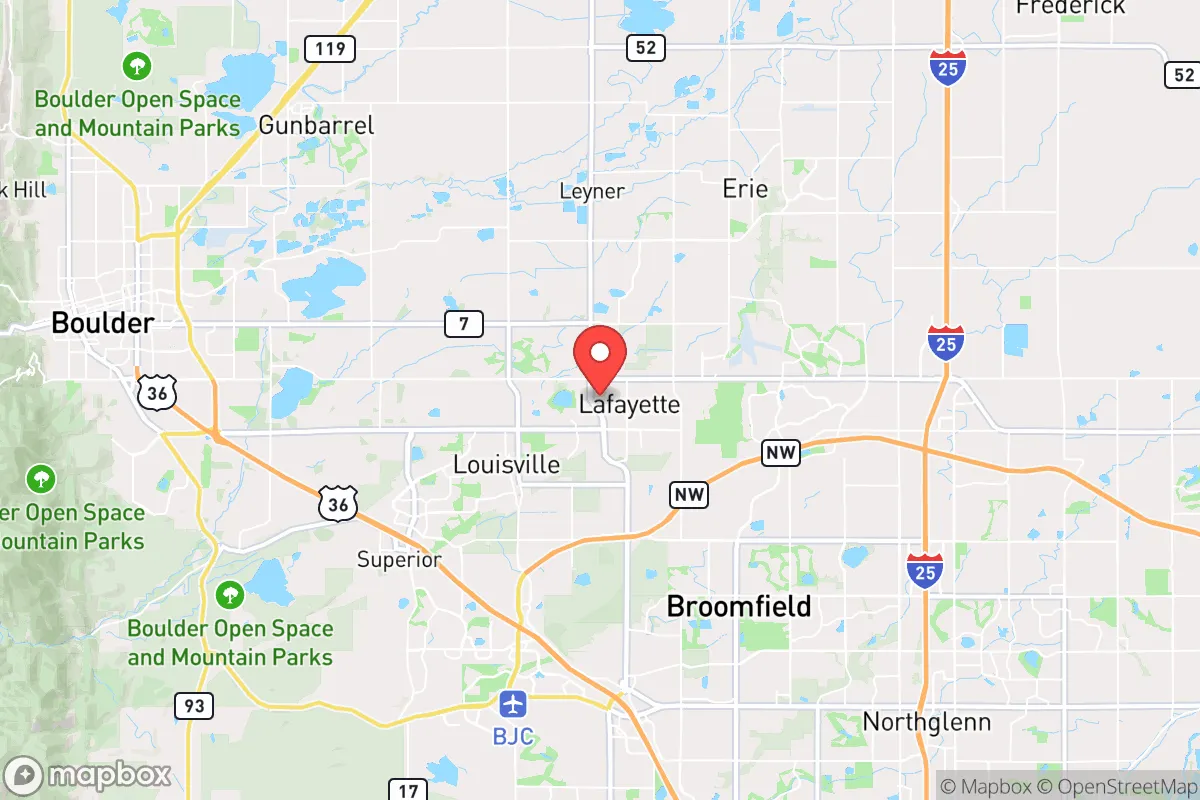
Photo: Wikipedia
Quality of Life in Lafayette, CO
A high quality of life with strong walkability, manageable living costs, healthy neighborhood signals, and solid amenity access.
What does Quality of Life tell us?
Quality of Life blends cost of living, nearby amenities, socioeconomic signals, and neighborhood character. City-level scores represent the whole municipality; individual neighborhoods can differ.
What does this tell us?
Quality of Life blends cost of living, nearby amenities, socioeconomic signals, and neighborhood character. City-level scores represent the whole municipality; individual neighborhoods can differ.
Cost of Living
97% above national average
The Real Cost of Living in Lafayette, CO for 2026
| Tier | Individual | Family (4) |
|---|---|---|
| Survival | $33k | $61k |
| Comfortable | $126k | $185k |
| Luxury | $192k+ | $298k+ |
| Elite (Top 5%) | $226k+ | $351k+ |
60%
The Area Signal
A metric tracking the socioeconomic signals of the area.
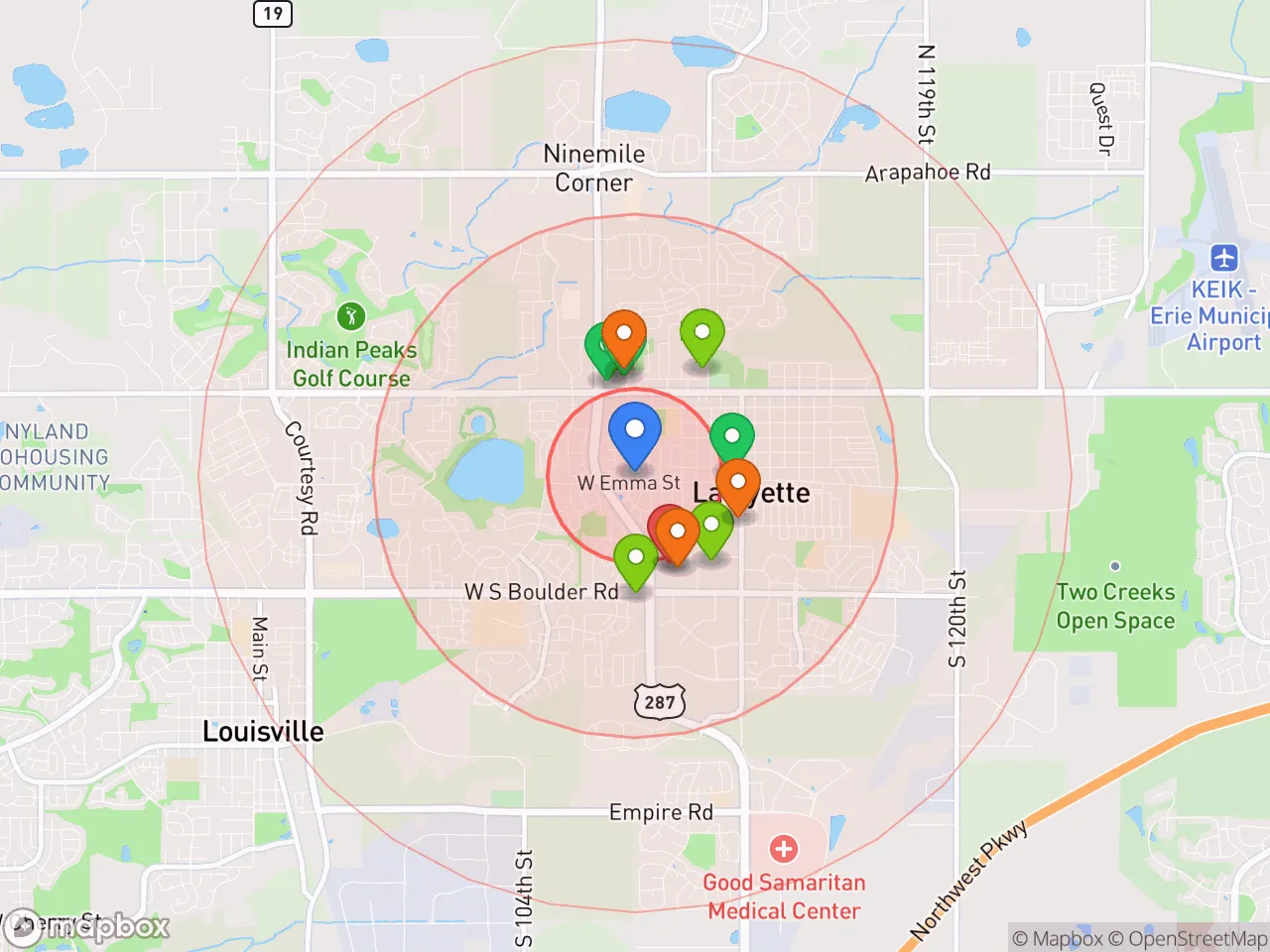
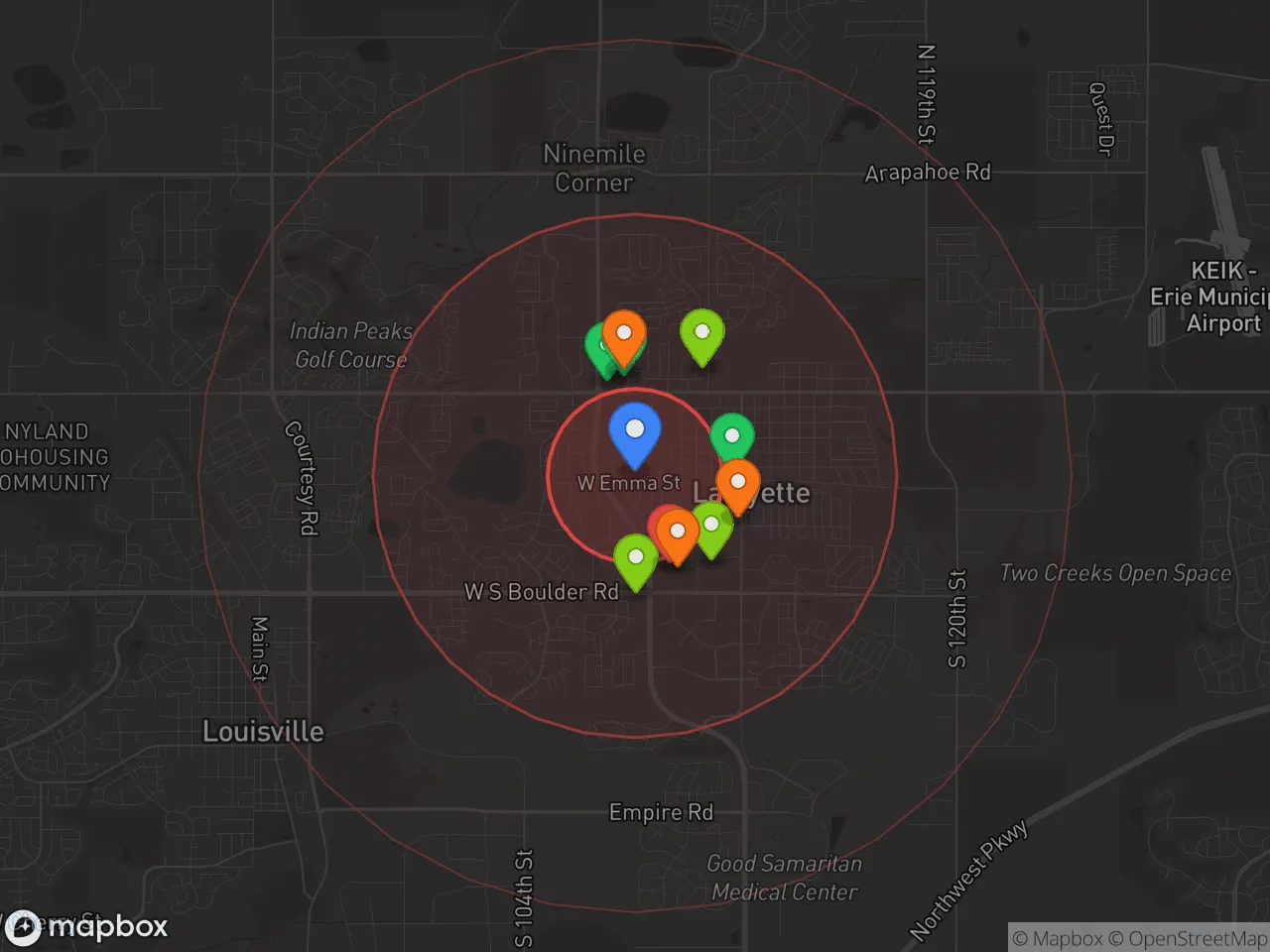
Hobbies
Explore the areaGroceries
7 within 10 miles
Gas
20 within 10 miles
Hospital
20 within 20 miles
Airport
DEN — Denver International
Post Office
USPS — Lafayette, CO
Critical Amenities
Quality-of-Life Analysis
Lafayette, Colorado, is an affluent Front Range suburb where the cost of living index sits at 197—nearly double the national average—reflecting a community shaped by high-earning professionals, remote workers, and families drawn to Boulder County’s outdoor lifestyle. The city’s 30,000 residents skew educated and active, with a median household income well above the state median, and the local economy is anchored by tech, healthcare, and creative industries in nearby Boulder and Denver. Lafayette offers a quieter, more affordable alternative to Boulder proper while still providing quick access to mountain recreation and urban job centers.
Cost of living, housing affordability, and how Lafayette compares to Boulder and Denver
Lafayette’s cost of living is steep by national standards but moderate for Boulder County. The median home value of $647,600 is roughly 30% lower than Boulder’s median, though still 50% above the national median. Median rent sits at $2,042 per month, which undercuts Boulder’s average rent by about $500 but remains high for renters earning the area’s median income. The average commute of 24 minutes is shorter than the Denver metro average of 28 minutes, a perk for those working in Boulder (15 minutes north) or along the US 36 corridor. Property taxes in Lafayette are relatively low for Colorado at roughly 0.5% of assessed value, but state income tax (4.4% flat) and sales tax (8.85% combined) add to the overall burden. For buyers, the market remains competitive: homes often sell within two weeks, and inventory is tight below $600,000. Renters face similar pressure, with vacancy rates below 3% in 2025.
Parks, schools, and the daily rhythm of life in Lafayette
Daily life in Lafayette revolves around its walkable Old Town district, anchored by the Lafayette Public Library and the Lafayette Farmers Market (May–October), and the extensive trail network connecting to the Coal Creek Trail and Waneka Lake. The Boulder Valley School District serves the city, with Centaurus High School and Angevine Middle School both rated above the state average on academic growth metrics. For families, the city’s 15 parks, two recreation centers, and the Lafayette Youth Advisory Committee provide structured activities. Commuters benefit from the Boulder County RTD bus system, with the BOLT route offering direct service to Boulder and Denver Union Station. The restaurant scene is notably diverse for a city of this size, with local favorites like Community Brewing Company and Pica’s Mexican Taqueria drawing residents from surrounding towns. The city also hosts annual events such as the Peach Festival (August) and the Lafayette Art Night (September), which reinforce a tight-knit, community-oriented feel.
Lafayette is best suited for professionals and families who prioritize outdoor access, good schools, and a slower pace than Boulder or Denver, but who can absorb the high housing costs. Remote workers and tech employees at companies like Google and IBM in nearby Louisville and Broomfield find the commute manageable, while retirees on fixed incomes may struggle with the cost of living. The city’s demographic skews young and active—median age is 37—and its political leanings are solidly blue, with Boulder County voting +37 Democratic in the 2024 presidential election. Those seeking a vibrant nightlife or ultra-dense urban environment should look to Denver; Lafayette rewards residents who value a balance of nature, community, and proximity to the Front Range’s economic engine.

Crime in Lafayette, CO
Generally safer than 70% of comparable U.S. locations.
Violent CrimeViolent Crime Analysis
Property CrimeProperty Crime Analysis
Crime Analysis
Lafayette, Colorado, presents a mixed safety profile for potential residents. The city’s violent crime rate of 284 incidents per 100,000 residents is notably higher than the national average, while its property crime rate of 1,579.9 per 100,000 sits slightly below the national benchmark. However, as a small city within the Denver-Boulder metropolitan area, Lafayette’s crime statistics must be weighed against the broader regional context, including the influence of progressive criminal justice policies in Boulder County that can affect prosecution and sentencing outcomes.
Crime in context
Lafayette’s violent crime rate is roughly 20% higher than the U.S. average of 237 per 100,000, driven primarily by aggravated assaults. Property crime, at 1,579.9 per 100,000, is about 10% lower than the national rate of 1,754 per 100,000. Compared to neighboring cities, Lafayette’s violent crime rate is lower than Denver’s (approx. 700 per 100K) but higher than Louisville’s (approx. 150 per 100K). The city benefits from its own police department, but as part of Boulder County, it falls under the jurisdiction of a District Attorney’s office widely regarded as progressive. Critics argue that such prosecutorial philosophies—prioritizing diversion programs and reduced sentencing for non-violent offenders—can lead to higher recidivism and a perception of leniency that emboldens property criminals and violent offenders alike.
What residents experience
In practice, residents report that property crimes like vehicle break-ins, package theft, and bicycle theft are the most common nuisances, particularly in denser neighborhoods near Old Town Lafayette and along the U.S. 287 corridor. Violent crime is less frequent but tends to be concentrated in specific areas, often involving domestic disputes or incidents tied to the city’s limited nightlife. The clearance rate for violent crimes in Boulder County hovers around 50%, meaning half of such cases go unsolved—a figure that frustrates victims and fuels concerns about accountability. For families and retirees, the combination of above-average violent crime and a justice system perceived as offender-friendly may be a significant drawback, even if day-to-day risks remain low in most residential pockets.
Neighborhood-level variation is notable. The Indian Peaks and Centennial Village areas generally see fewer incidents, while the stretch near South Boulder Road and the Coal Creek corridor experiences more property crime. Prospective residents should check the Lafayette Police Department’s online crime map for block-level data and consider that the city’s proximity to Boulder and Denver means it absorbs some spillover crime from those larger urban centers. Overall, Lafayette offers a relatively safe suburban environment, but the elevated violent crime rate and the progressive legal climate in Boulder County warrant careful consideration for those prioritizing public safety.
* Values derived from national, state, county, city and local statistics and may differ in a specific area. Last updated: 2026-04-22T23:26:31.000Z
Narrative content on this page is AI-generated and may contain mistakes. Verify any details that matter before acting on them.
ReloMaps may earn a commission from affiliate links at no extra cost to you.

