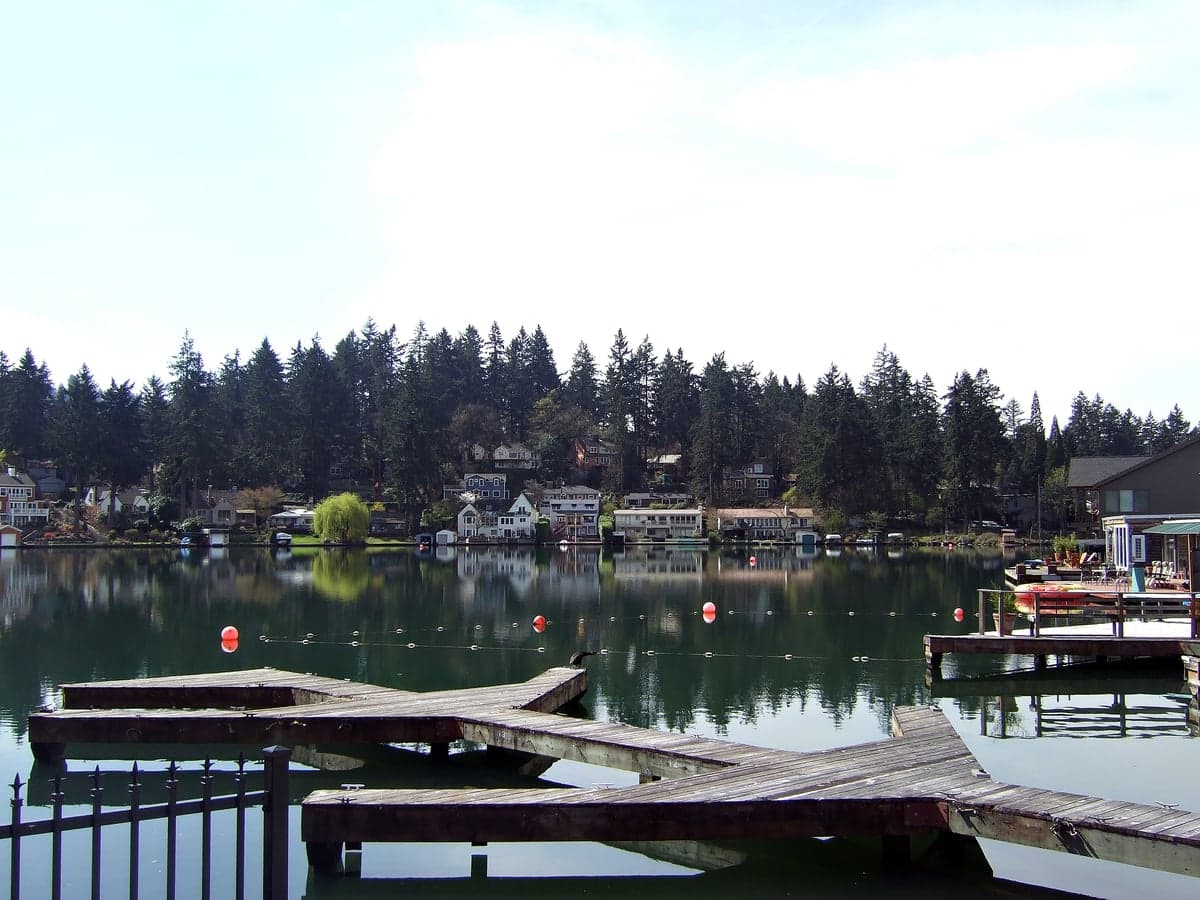
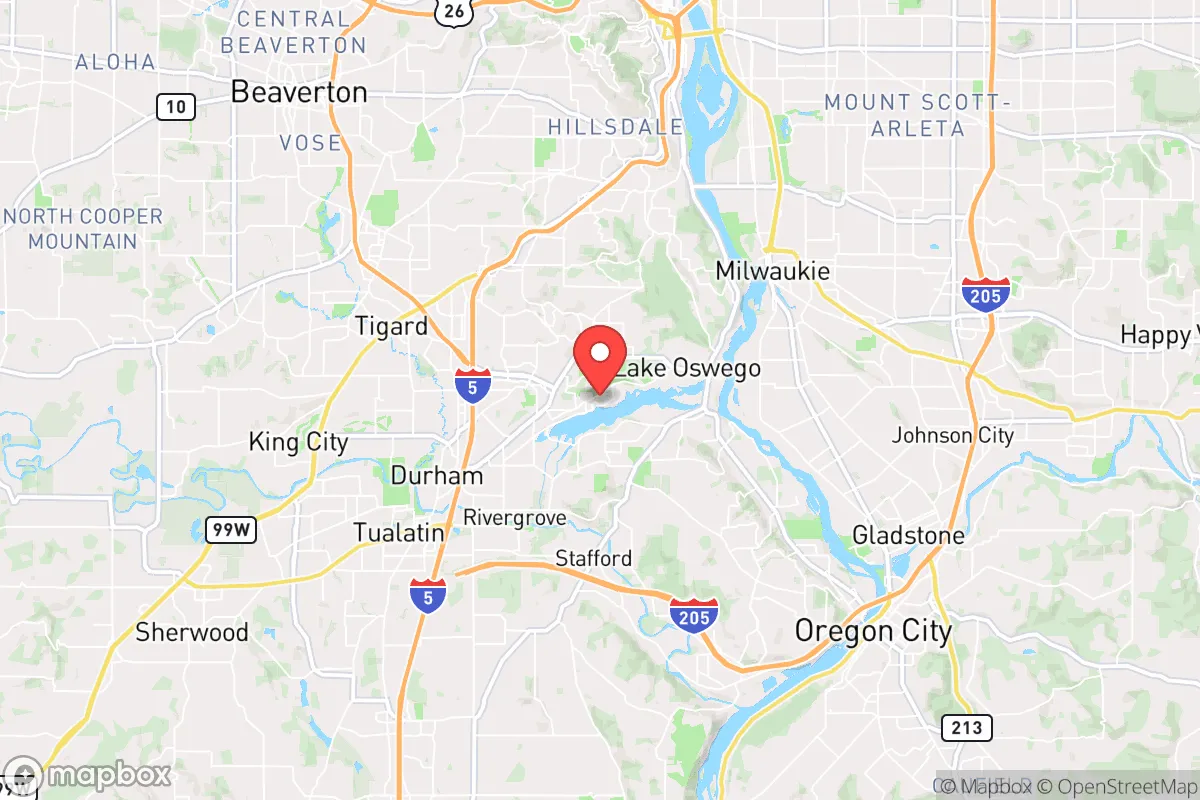
Photo: Wikipedia
Quality of Life in Lake Oswego, OR
A high quality of life with strong walkability, manageable living costs, healthy neighborhood signals, and solid amenity access.
What does Quality of Life tell us?
Quality of Life blends cost of living, nearby amenities, socioeconomic signals, and neighborhood character. City-level scores represent the whole municipality; individual neighborhoods can differ.
What does this tell us?
Quality of Life blends cost of living, nearby amenities, socioeconomic signals, and neighborhood character. City-level scores represent the whole municipality; individual neighborhoods can differ.
Cost of Living
132% above national average
The Real Cost of Living in Lake Oswego, OR for 2026
| Tier | Individual | Family (4) |
|---|---|---|
| Survival | $32k | $61k |
| Comfortable | $174k | $255k |
| Luxury | $254k+ | $393k+ |
| Elite (Top 5%) | $352k+ | $545k+ |
55%
The Area Signal
A metric tracking the socioeconomic signals of the area.
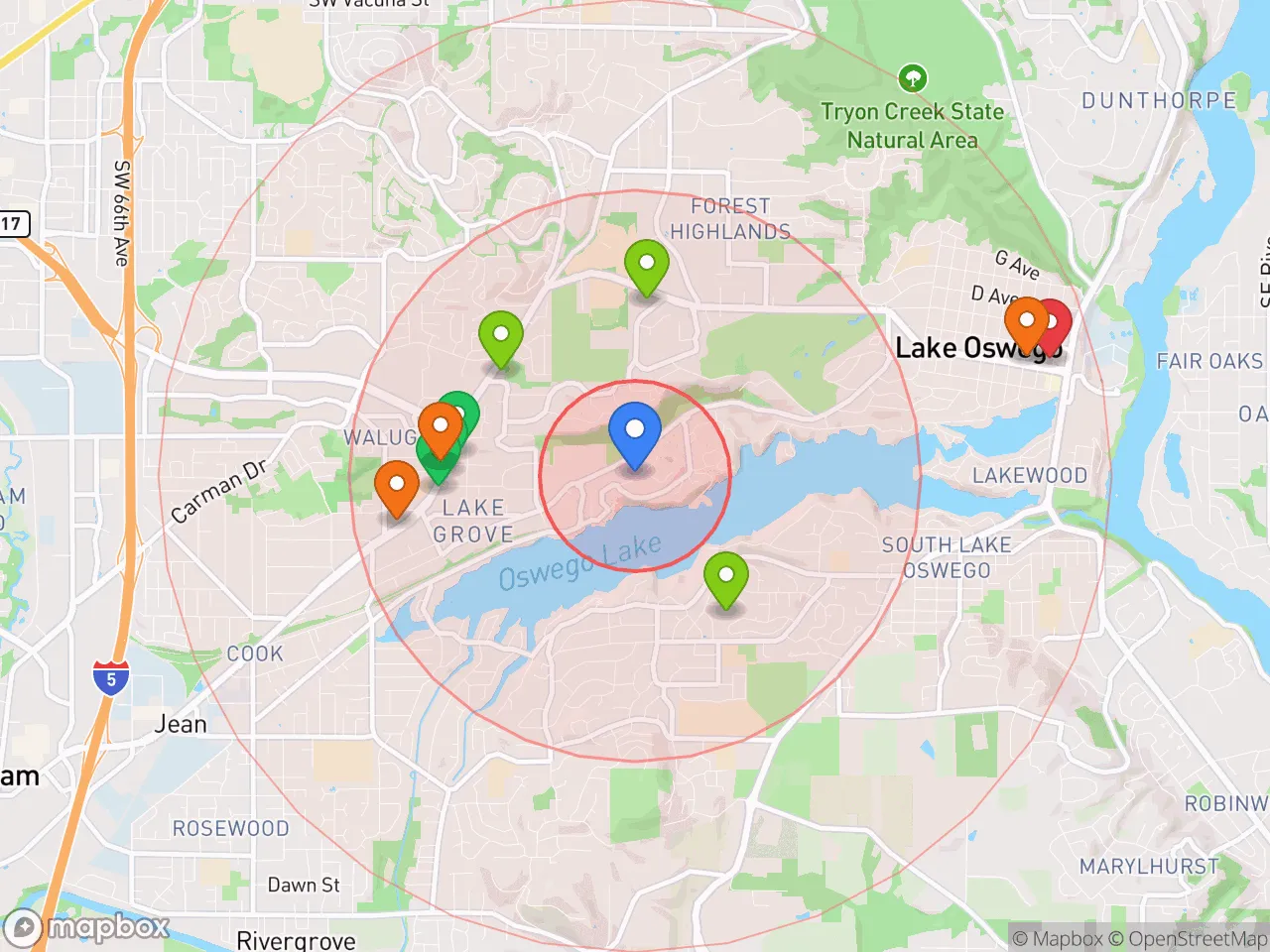
Hobbies
Explore the areaGroceries
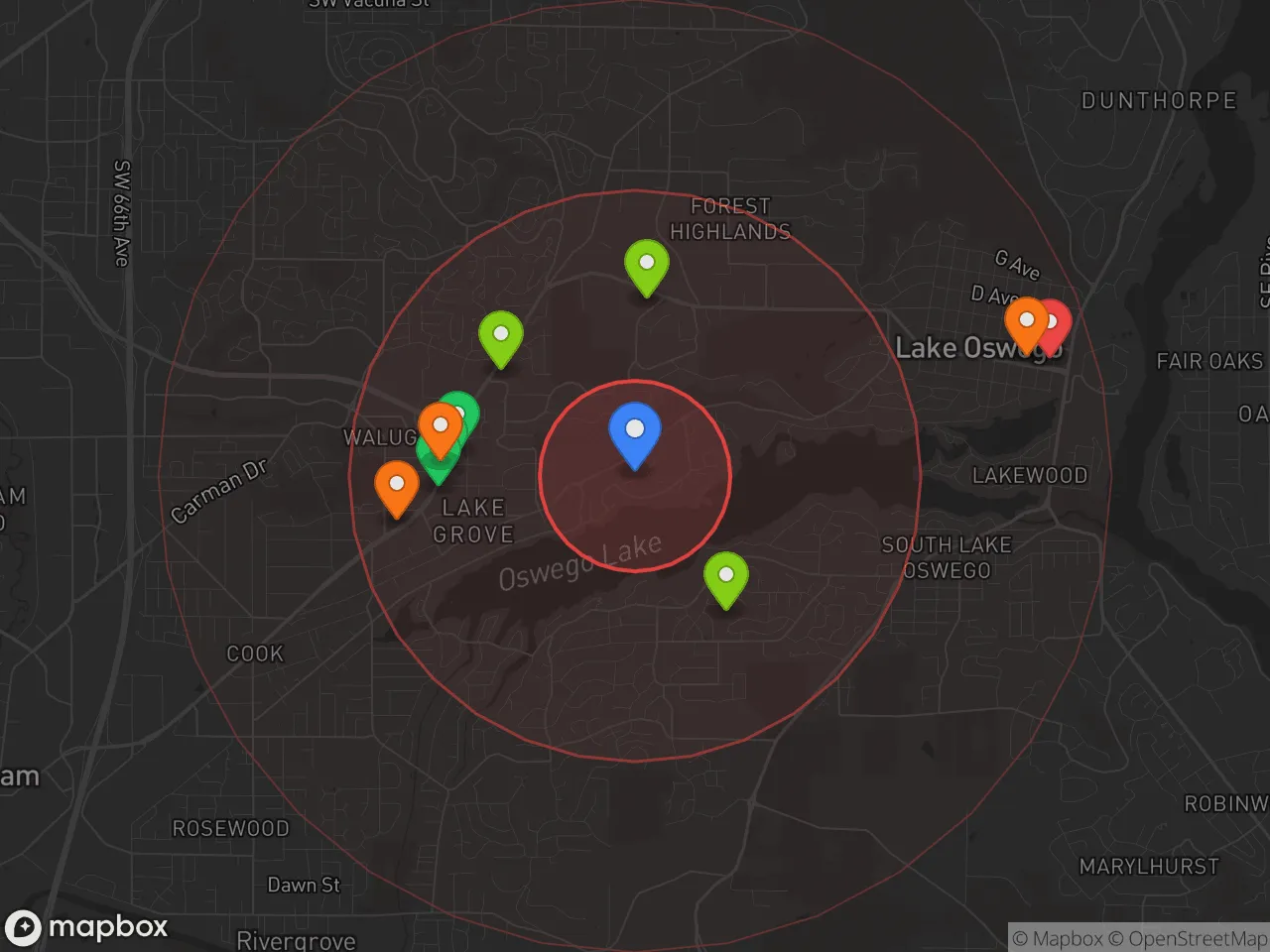
8 within 10 miles
Gas
20 within 10 miles
Hospital
20 within 20 miles
Airport
PDX — Portland International
Post Office
USPS — Lake Oswego, OR
Critical Amenities
Quality-of-Life Analysis
Lake Oswego, Oregon, is one of the Portland metro area’s most affluent suburbs, drawing a population of roughly 40,000 residents who prioritize top-tier schools, lakefront living, and a polished suburban environment. The city’s cost of living index of 232—more than double the U.S. average—reflects a community where high-earning professionals, executives, and families with significant disposable income are the norm. With a median home value of $894,000 and a median rent of $2,031, Lake Oswego sits firmly in the region’s luxury housing tier, attracting those who can pay a premium for proximity to Portland’s job centers without sacrificing space or exclusivity.
Cost of living, housing affordability, and how it compares to nearby areas
Lake Oswego’s housing market is among the most expensive in Oregon, with a median home value of $894,000—roughly 2.5 times the national median and significantly higher than neighboring West Linn ($720,000) or Portland proper ($540,000). The median rent of $2,031 is also elevated, though it offers a relative entry point for those not ready to buy; by comparison, a one-bedroom in downtown Portland averages around $1,600. The overall cost of living index of 232 means groceries, healthcare, and transportation all carry a premium, though residents often offset this with higher household incomes—the median household income in Lake Oswego exceeds $110,000, nearly double the national figure. The average commute of 22.2 minutes is shorter than Portland’s metro average of 27 minutes, a practical advantage for workers commuting to downtown Portland or the Silicon Forest tech corridor in Hillsboro. Property taxes in Clackamas County hover around 1.1% of assessed value, which is moderate for the region, but the high home prices mean annual tax bills often exceed $9,000.
What daily life is like for families: schools, amenities, and community rhythm
Daily life in Lake Oswego revolves around its highly rated public schools—the Lake Oswego School District consistently ranks among Oregon’s top five, with Lake Oswego High School and Lakeridge High School both posting graduation rates above 95% and strong college matriculation. The city’s namesake lake, a 405-acre private body of water, is the social and recreational hub: residents pay annual membership fees for lake access, which includes swimming, boating, and two parks with docks. Beyond the lake, the community offers over 30 parks, the 5-mile Springwater Corridor trail for cycling, and the Tryon Creek State Natural Area for hiking. The downtown area along A Avenue and State Street features boutique shopping, farm-to-table restaurants like Ruth’s Chris and Nick’s Italian Café, and a weekly farmers market from May through October. The rhythm is distinctly suburban—families fill the streets during school drop-off and weekend soccer games, while evenings are quiet, with most entertainment options closing by 9 p.m. The city’s strict land-use regulations and lack of heavy industry preserve a clean, low-crime environment, with violent crime rates roughly 70% below the national average.
Lake Oswego is best suited for families and professionals who value elite public education, outdoor recreation, and a serene, low-crime atmosphere—and who have the financial means to afford it. Empty nesters downsizing from larger homes and remote workers seeking a scenic base with fast internet also find the city appealingcars. However, young renters, singles on a median income, or those seeking a vibrant nightlife will likely find the cost prohibitive and the pace too slow. For those who can absorb the premium, Lake Oswego delivers a quality of life that consistently ranks among Oregon’s best, with strong property value appreciation and a tight-knit community feel.

Crime in Lake Oswego, OR
Lower crime rates than 89% of comparable U.S. locations.
Violent CrimeViolent Crime Analysis
Property CrimeProperty Crime Analysis
Crime Analysis
Lake Oswego is one of the safest cities in Oregon, with a violent crime rate of 55.3 incidents per 100,000 residents—roughly one-fifth the national average and well below the Portland metro area's rate. Property crime, at 934.3 per 100,000, is also lower than both state and national benchmarks, though it remains the more common concern for residents. The city benefits from its own dedicated police force and a relatively affluent, engaged population that keeps neighborhood watch programs active.
Crime in context
To understand Lake Oswego's safety, it helps to compare it to the broader region. The national violent crime rate in 2024 was approximately 380 per 100,000; Oregon's state rate hovered around 290 per 100,000. Lake Oswego's 55.3 figure places it in the safest percentile of U.S. cities of comparable size. Property crime nationally sits near 1,950 per 100,000, while Oregon's rate is roughly 2,400 per 100,000—making Lake Oswego's 934.3 figure roughly half the national average and well under half the state average. These numbers reflect a community where serious crime is statistically rare, though not absent.
What residents experience
Residents most frequently encounter low-level property offenses: package theft from porches, unlocked vehicle entries, and occasional bicycle thefts. Violent crime is uncommon and typically isolated to domestic incidents or disputes among known individuals rather than random attacks. However, the broader Portland metro area—including Multnomah County to the north—has seen rising concerns about progressive prosecutorial policies. Multnomah County's district attorney, Mike Schmidt (elected in 2020 on a reform platform), has drawn criticism for declining to prosecute certain low-level drug and property crimes, a stance critics argue emboldens repeat offenders. While Lake Oswego falls under Clackamas County's jurisdiction—where the DA's office takes a more traditional approach—the city's proximity to Portland means regional crime trends, including organized retail theft rings and drug-related activity, can spill over. Residents should be aware that the liberal judicial philosophy prevalent in much of the metro area, while sympathetic to offenders, can result in more criminals cycling back onto the streets, reducing deterrence and potentially impacting neighboring communities like Lake Oswego.
Neighborhood-level variation is modest but worth noting. Areas near the downtown Lake Oswego core and along the Highway 43 corridor see slightly higher property crime due to foot traffic and commercial density. The more secluded, higher-elevation neighborhoods west of State Route 43—such as Forest Highlands and the Country Club area—report the lowest crime rates, often with years passing between any reported incidents. Overall, Lake Oswego remains a statistically safe choice, but its location within a metro area with lenient justice policies means residents should maintain standard precautions: lock vehicles, secure packages, and stay informed about regional crime patterns.
* Values derived from national, state, county, city and local statistics and may differ in a specific area. Last updated: 2026-05-01T13:34:10.000Z
Narrative content on this page is AI-generated and may contain mistakes. Verify any details that matter before acting on them.
ReloMaps may earn a commission from affiliate links at no extra cost to you.

