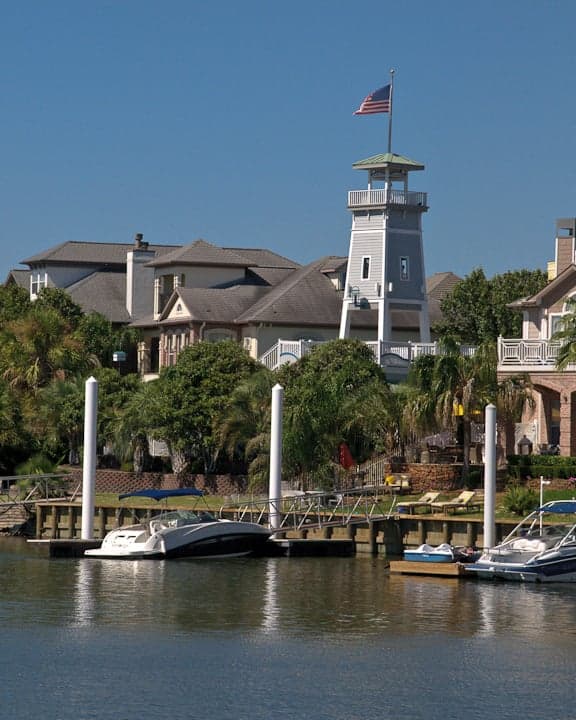
Photo: Wikipedia
Quality of Life in League City, TX
A high quality of life with strong walkability, manageable living costs, healthy neighborhood signals, and solid amenity access.
What does Quality of Life tell us?
Quality of Life blends cost of living, nearby amenities, socioeconomic signals, and neighborhood character. City-level scores represent the whole municipality; individual neighborhoods can differ.
What does this tell us?
Quality of Life blends cost of living, nearby amenities, socioeconomic signals, and neighborhood character. City-level scores represent the whole municipality; individual neighborhoods can differ.
Cost of Living
31% above national average
The Real Cost of Living in League City, TX for 2026
| Tier | Individual | Family (4) |
|---|---|---|
| Survival | $26k | $49k |
| Comfortable | $65k | $95k |
| Luxury | $166k+ | $257k+ |
| Elite (Top 5%) | $195k+ | $303k+ |
126%
The Area Signal
A metric tracking the socioeconomic signals of the area.
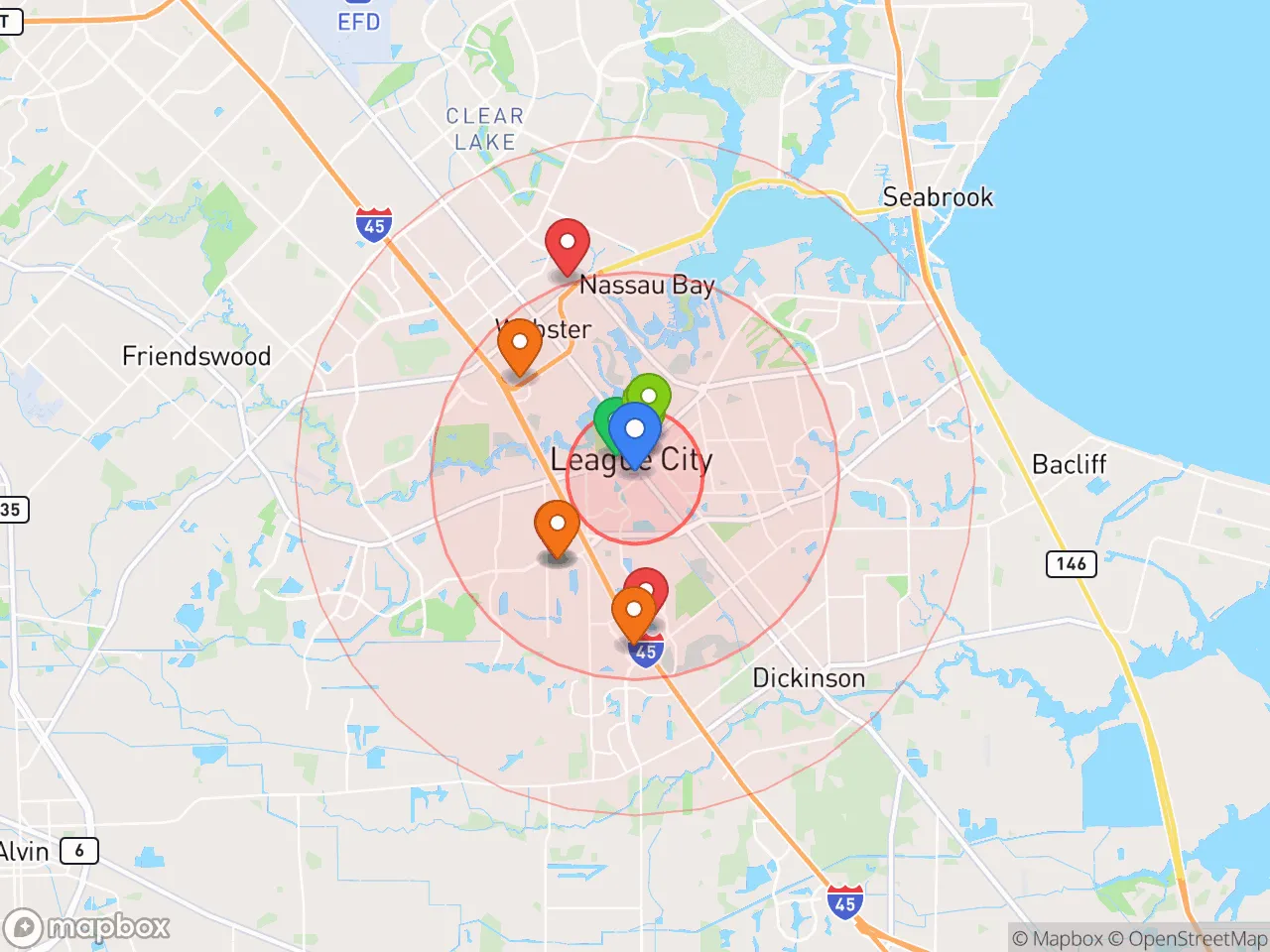
Hobbies
Explore the areaGroceries
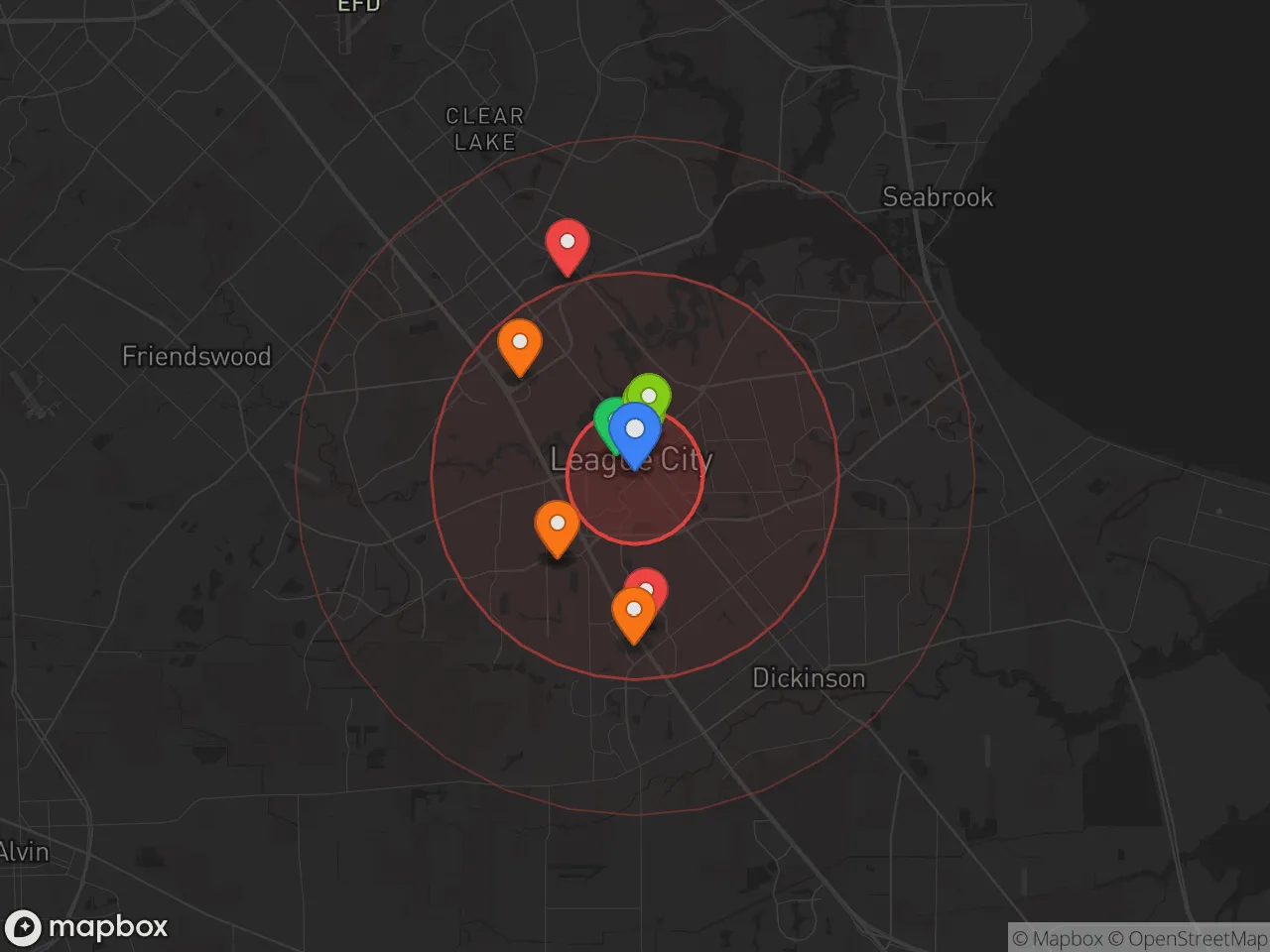
6 within 10 miles
Gas
20 within 10 miles
Hospital
20 within 20 miles
Airport
IAH — George Bush Intercontinental
Post Office
USPS — League City, TX
Critical Amenities
Quality-of-Life Analysis
League City, Texas, presents a distinctly affluent quality of life, drawing a demographic mix of upwardly mobile professionals, established families, and Gulf Coast industry workers who prioritize suburban space and strong schools over urban proximity. With a cost-of-living index of 131—31 percent above the national average—the city commands a premium that reflects its master-planned communities, low crime rates, and direct access to the Houston–Galveston economic corridor. The typical resident is a homeowner in a single-family house, commuting roughly 30 minutes to jobs in the Texas Medical Center, NASA's Johnson Space Center, or petrochemical facilities along the Ship Channel.
How League City's cost of living and housing compare to nearby suburbs
League City's housing market sits notably above the national median but remains competitive within the Houston metro. The median home value of $334,000 is roughly $50,000 higher than the Texas statewide median, yet it undercuts comparable master-planned suburbs like The Woodlands ($420,000) and Sugar Land ($380,000). Median rent at $1,628 per month is similarly elevated—about $200 above the Houston metro average—reflecting demand for newer construction and large floor plans. The 29.8-minute average commute is a key trade-off: it is 10 minutes longer than the national average but still shorter than commutes from outer-ring exurbs like Katy or Conroe. Property taxes in Galveston County average roughly 2.3 percent of assessed value, which adds a significant monthly cost that buyers must factor into affordability calculations versus Harris County suburbs.
What daily life is like for families: schools, parks, and local amenities
Daily life in League City revolves around its highly rated public schools—Clear Creek Independent School District consistently earns A ratings from Niche, with Clear Springs High School and Clear Falls High School both ranking among the top 15 percent of Texas high schools. The city's amenity base is anchored by over 30 parks and 50 miles of hike-and-bike trails, including the 200-acre Walter Hall Park and the League City Sportsplex. Retail and dining cluster along the I-45 frontage road and FM 518, with the League City Town Center providing a walkable hub of restaurants, a movie theater, and seasonal events. For medical needs, the UTMB Health League City Campus and HCA Houston Healthcare Clear Lake are within a 10-minute drive. The rhythm of life is car-dependent but predictable: school drop-offs, weekend soccer games at the Sportsplex, and occasional trips to Kemah Boardwalk or Galveston beaches, both under 20 minutes away.
Families and professionals seeking a safe, amenity-rich suburban environment with top-tier schools will find League City a strong fit, particularly those employed in the medical, aerospace, or energy sectors along the Gulf Coast. The premium cost of living is offset by a violent crime rate roughly 60 percent below the national average and a housing stock dominated by homes built after 2000. Empty nesters and young singles may find the social scene limited compared to Houston's urban core, but for those prioritizing space, school quality, and a low-stress commute to Clear Lake or the Medical Center, League City delivers a consistently high quality of life.

Crime in League City, TX
Lower crime rates than 81% of comparable U.S. locations.
Violent CrimeViolent Crime Analysis
Property CrimeProperty Crime Analysis
Crime Analysis
League City is one of the safest cities of its size in the Houston metropolitan area, with violent crime rates that are a fraction of both the Texas state average and the national median. According to the most recent FBI data, the city reported a violent crime rate of just 53.6 incidents per 100,000 residents, compared to the national rate of roughly 380 per 100,000. Property crime, however, is more prevalent at 1,063.4 per 100,000, a figure that sits near the national average but remains notably lower than in nearby Houston or Galveston.
Crime in context
League City’s violent crime rate is roughly 86% lower than the national average, placing it among the safest jurisdictions in Texas for personal safety. The property crime rate, while higher, is still significantly below the Texas state average of approximately 2,500 per 100,000. The city benefits from being a primarily residential and commercial suburb with a strong local police presence. However, residents should be aware that League City falls under the jurisdiction of Galveston County, which has seen a shift toward more progressive district attorneys in recent years. This ideological trend in the justice system, while sympathetic to offenders, can lead to more criminals returning to the streets and negatively impacts justice for victims and the public. The county’s approach to bail reform and sentencing leniency is a concern for those prioritizing strict law enforcement.
What residents experience
Most residents report feeling safe walking in their neighborhoods and shopping at local centers like the League City Park and Victory Lakes Town Center. The most common property crimes are vehicle break-ins and package thefts, particularly in areas with easy highway access near I-45 and FM 518. Violent incidents are rare and typically isolated to domestic situations rather than random attacks. The city’s proactive police department runs community programs like Neighborhood Watch and the Citizens Police Academy, which help maintain low crime. Still, the broader regional trend of progressive prosecutorial policies means that even when arrests are made, repeat offenders may face reduced consequences, a dynamic that savvy residents factor into their overall safety assessment.
Neighborhood-level variation is notable. Master-planned communities like South Shore Harbour and The Cove at South Shore report virtually no violent crime and very low property crime, thanks to private security patrols and gated access. Older areas near the historic downtown district and some apartment complexes along FM 518 see slightly higher property crime rates. For families and retirees, the safest bet is to choose a neighborhood with active homeowners’ associations and limited public access, while remaining vigilant about the county’s broader criminal justice philosophy.
* Values derived from national, state, county, city and local statistics and may differ in a specific area. Last updated: 2026-05-03T20:33:08.000Z
Narrative content on this page is AI-generated and may contain mistakes. Verify any details that matter before acting on them.
ReloMaps may earn a commission from affiliate links at no extra cost to you.

