Photo: Wikipedia
Find The Best Places To Live
in Makaha
PRO TIP! You can paste a Zillow or Redfin link to get info on that property.
What It's Like Living in Makaha, HI
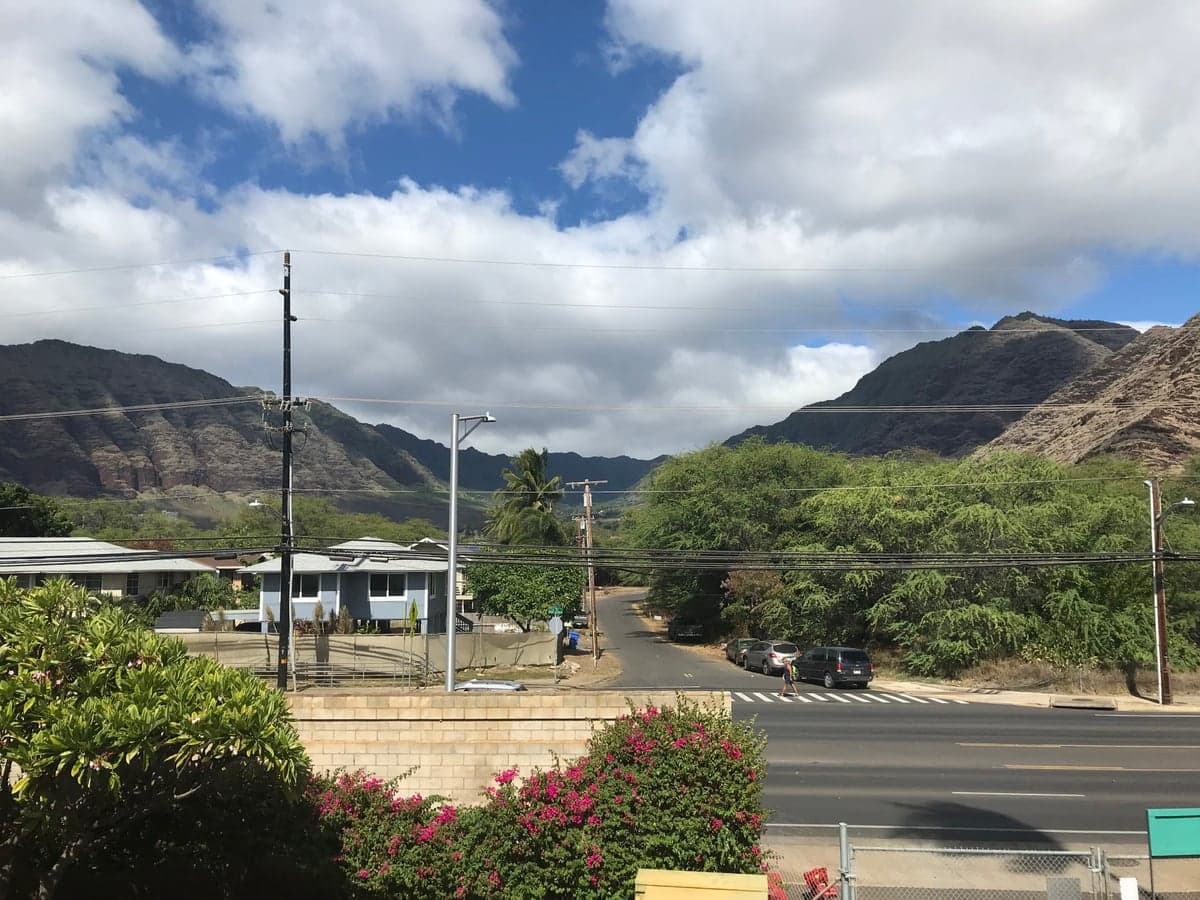
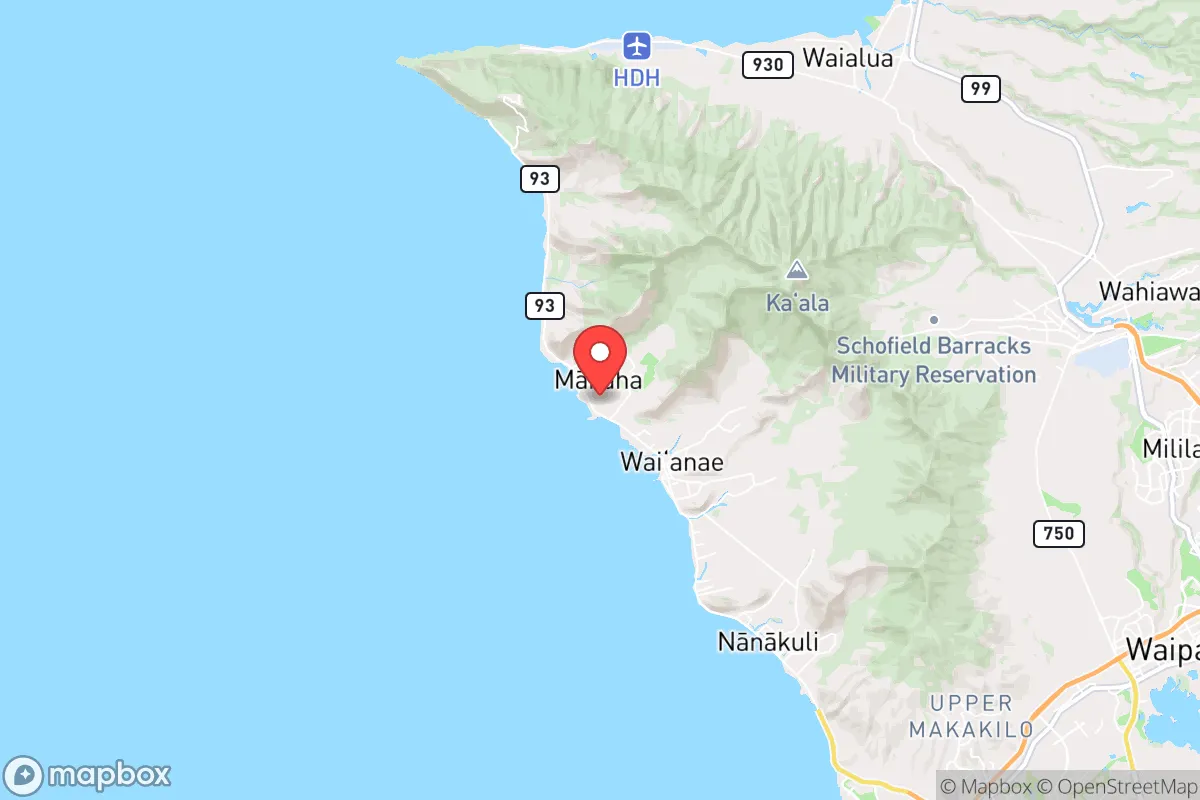
Makaha, on Oahu’s remote Waianae Coast, feels a world away from the resort crowds of Waikiki. It’s a place where the ocean is the main event, the pace is slow, and the community is tight-knit—but it comes with trade-offs that make it a specific fit for a certain kind of person. Living here means trading convenience for space, and accepting that the nearest Costco is a 45-minute drive over the mountains.
Daily Rhythm on the Waianae Coast
Life in Makaha revolves around the water. Mornings often start with a surf check at Makaha Beach Park, where the waves are legendary—this is the birthplace of big-wave surfing, and the annual Buffalo’s Big Board Surfing Classic in January draws crowds to watch longboarders ride the same swells that made the beach famous. Weekends are spent fishing off the rocky points, paddling outrigger canoes with the local clubs, or simply sitting on the sand watching the sun sink into the Pacific. The main commercial strip, Farrington Highway, has a handful of essentials: a Foodland grocery store, a few plate-lunch spots like Makaha Market & Deli (try the loco moco), and a couple of family-run food trucks serving poke and shave ice. There’s no Target, no mall, no movie theater—shopping trips to Kapolei or Pearl City are planned errands, not spontaneous outings.
The median age here is 37.1, and the median household income sits at $63,291—well below Oahu’s average. That’s reflected in the housing stock: median home values are $416,100, which is affordable by island standards but still steep compared to the mainland. The cost of living index is 156, meaning everyday expenses—groceries, gas, utilities—run about 56% higher than the national average. Most residents work in trades, hospitality, or government jobs, and the average commute of nearly 50 minutes one way is a daily grind for anyone who works in Honolulu or Kapolei. The kind of person who fits here is someone who values ocean access and quiet over nightlife and career density—often surfers, fishing families, or retirees who don’t mind the drive.
Sports, Community, and What People Actually Do
High school sports are a big deal. Waianae High School’s football team is a perennial powerhouse in the Oahu Interscholastic Association, and Friday night games at the school’s field draw the whole community—parents, grandparents, and local businesses set up tents. The Seariders (the school’s mascot) have a fierce rivalry with Nanakuli and Kapolei, and the energy is genuine small-town pride. There’s no pro sports team on this side of the island, but the University of Hawaii Rainbow Warriors football and basketball games in Honolulu are a 45-minute drive for those who follow them.
Entertainment is low-key and outdoorsy. The big annual event is the Makaha Surfing Championships (part of the Buffalo’s Big Board event), but there’s also the Waianae Coast Hawaiian Civic Club’s Prince Kuhio Day celebration in March, with hula, canoe races, and food booths. For music, you’re looking at local bars like Makaha Bar & Grill—a no-frills spot with live Hawaiian music on weekends, cold beer, and a pool table. The real draw, though, is the Ka’ena Point State Park at the western tip of the island, a protected seabird sanctuary with a rugged hiking trail along the coast. It’s a 20-minute drive from Makaha and feels like the end of the world—which, in a way, it is.
Pros and Cons of Living in Makaha
Longtime residents love the sense of isolation and the deep Hawaiian cultural roots. The community is multigenerational, and it’s common to see three generations living on the same property. The ocean is clean, the sunsets are spectacular, and the cost of housing—while high—is still lower than Honolulu or Kailua. But the frustrations are real and worth weighing:
- Crime is a concern. The violent crime rate is 200.2 per 100,000, higher than the national average of about 380—but property crime, especially car break-ins and package theft, is a daily annoyance. Many residents keep their cars unlocked and empty to avoid smashed windows.
- Traffic is draining. The 49-minute average commute is a best-case scenario; during peak hours, the drive to Honolulu can stretch to 90 minutes. The only road in and out is Farrington Highway, and it bottlenecks at every light.
- Schools are underfunded. Only 19.2% of adults hold a college degree, and the local public schools—Makaha Elementary, Waianae Intermediate, and Waianae High—struggle with resources. Parents who can afford it often look into charter or private options in Kapolei.
- Weather is consistent but hot. Expect temperatures in the 80s year-round, with a dry season from April to October. The trade winds keep things bearable, but the sun is intense—locals joke that you don’t get tan, you get “Waianae brown.”
Makaha isn’t for everyone. It’s for someone who values ocean access and quiet over convenience and career options. If you’re a single person who works remotely or a family that prioritizes surf and space over nightlife and shopping, it can be a good fit. Just know that the trade-off is a long commute, limited amenities, and a community that’s fiercely protective of its laid-back, local identity.

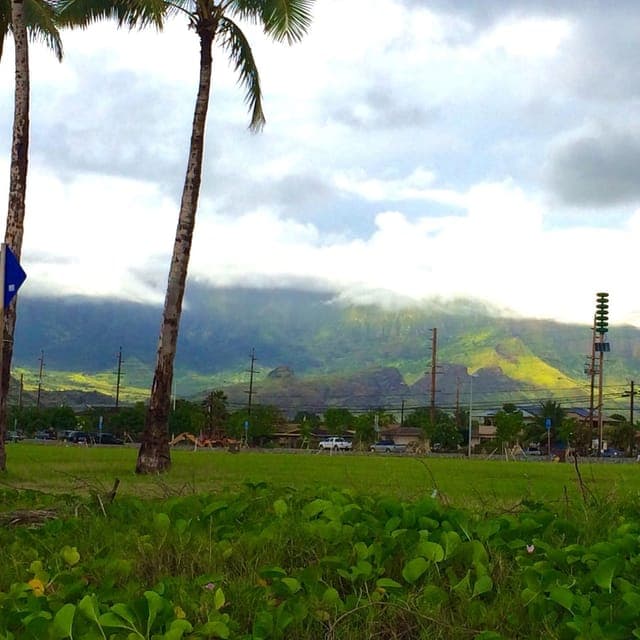
Similar small towns to Makaha
* Values derived from national, state, county, city and local statistics and may differ in a specific area. Last updated: 2026-05-03T08:47:46.000Z
Narrative content on this page is AI-generated and may contain mistakes. Verify any details that matter before acting on them.
ReloMaps may earn a commission from affiliate links at no extra cost to you.

