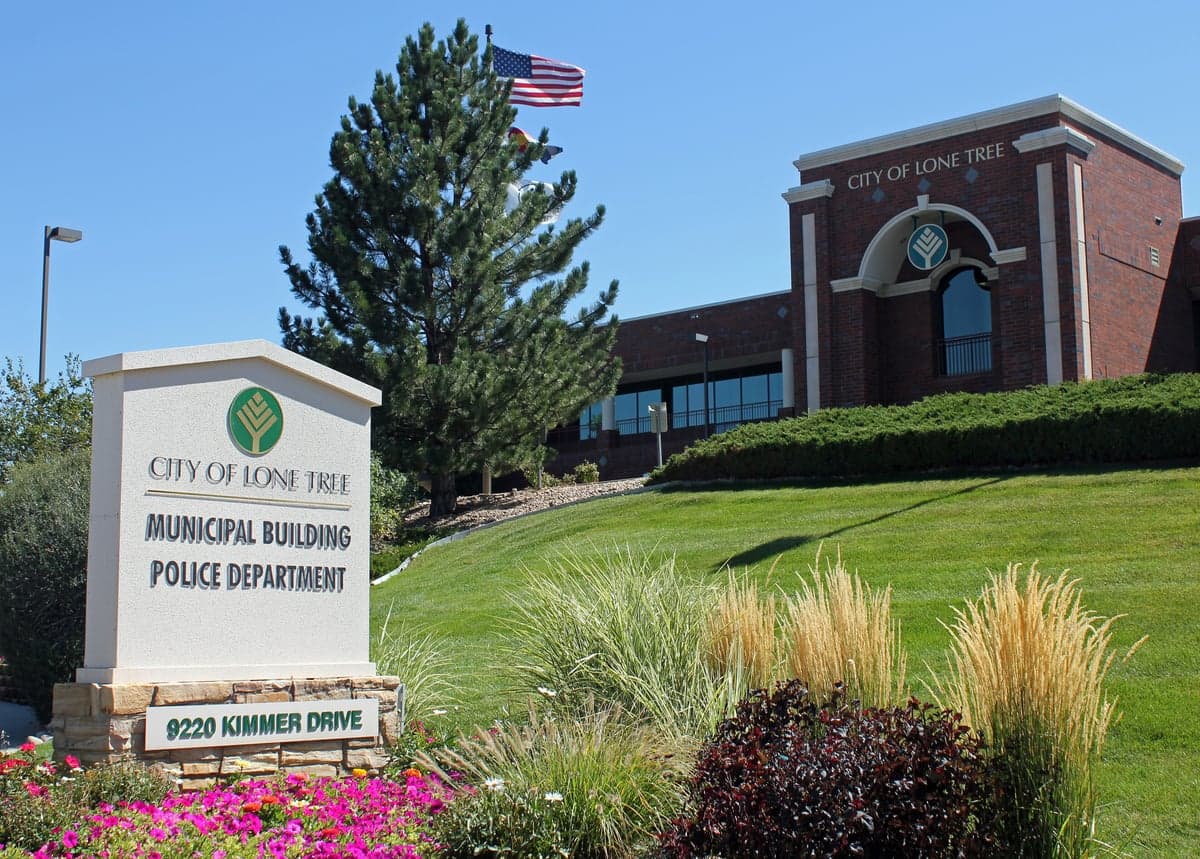
Photo: Wikipedia
Quality of Life in Lone Tree, CO
A high quality of life with strong walkability, manageable living costs, healthy neighborhood signals, and solid amenity access.
What does Quality of Life tell us?
Quality of Life blends cost of living, nearby amenities, socioeconomic signals, and neighborhood character. City-level scores represent the whole municipality; individual neighborhoods can differ.
What does this tell us?
Quality of Life blends cost of living, nearby amenities, socioeconomic signals, and neighborhood character. City-level scores represent the whole municipality; individual neighborhoods can differ.
Cost of Living
121% above national average
The Real Cost of Living in Lone Tree, CO for 2026
| Tier | Individual | Family (4) |
|---|---|---|
| Survival | $32k | $61k |
| Comfortable | $159k | $233k |
| Luxury | $227k+ | $352k+ |
| Elite (Top 5%) | $274k+ | $424k+ |
54%
The Area Signal
A metric tracking the socioeconomic signals of the area.
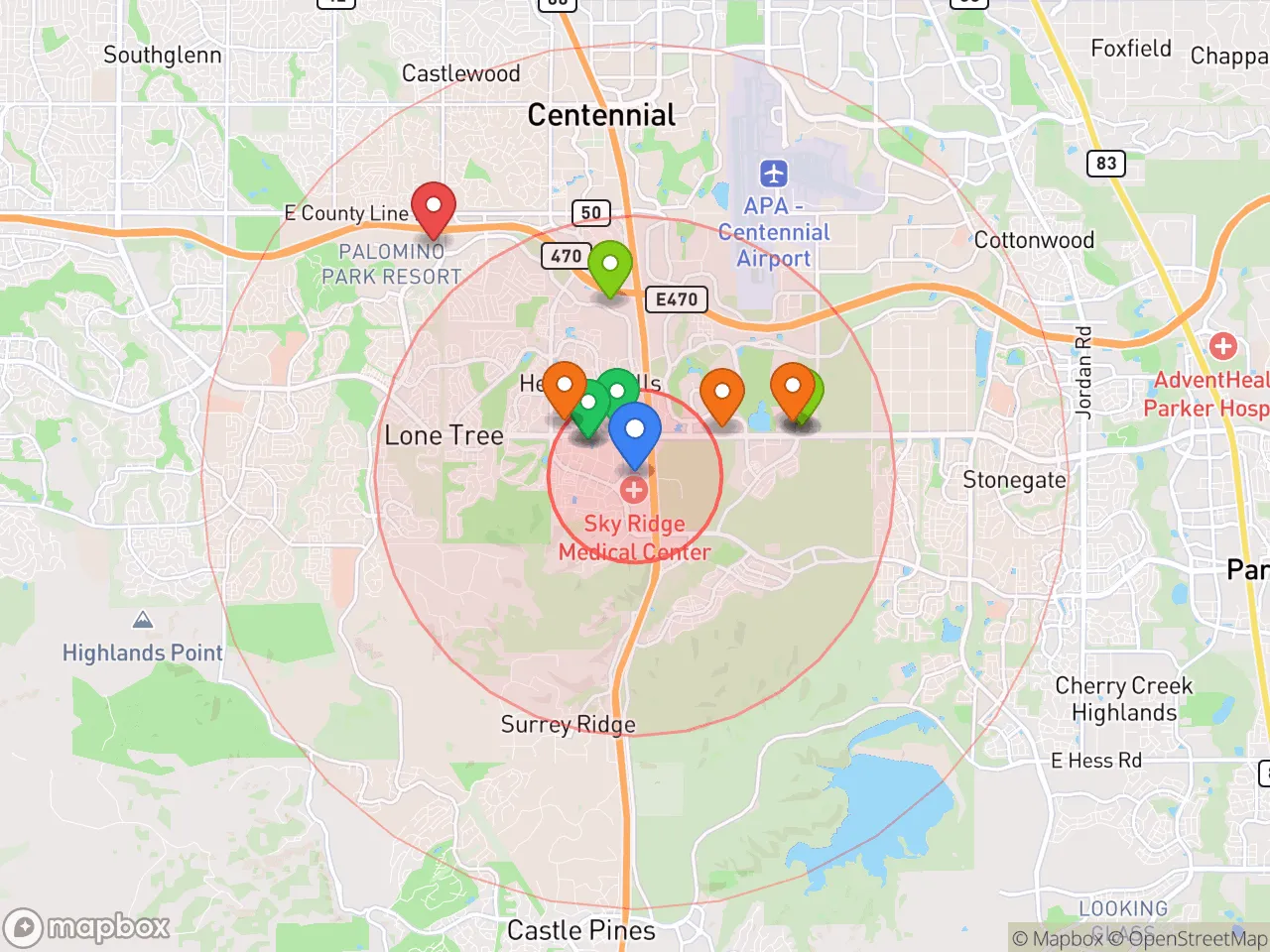
Hobbies
Explore the areaGroceries
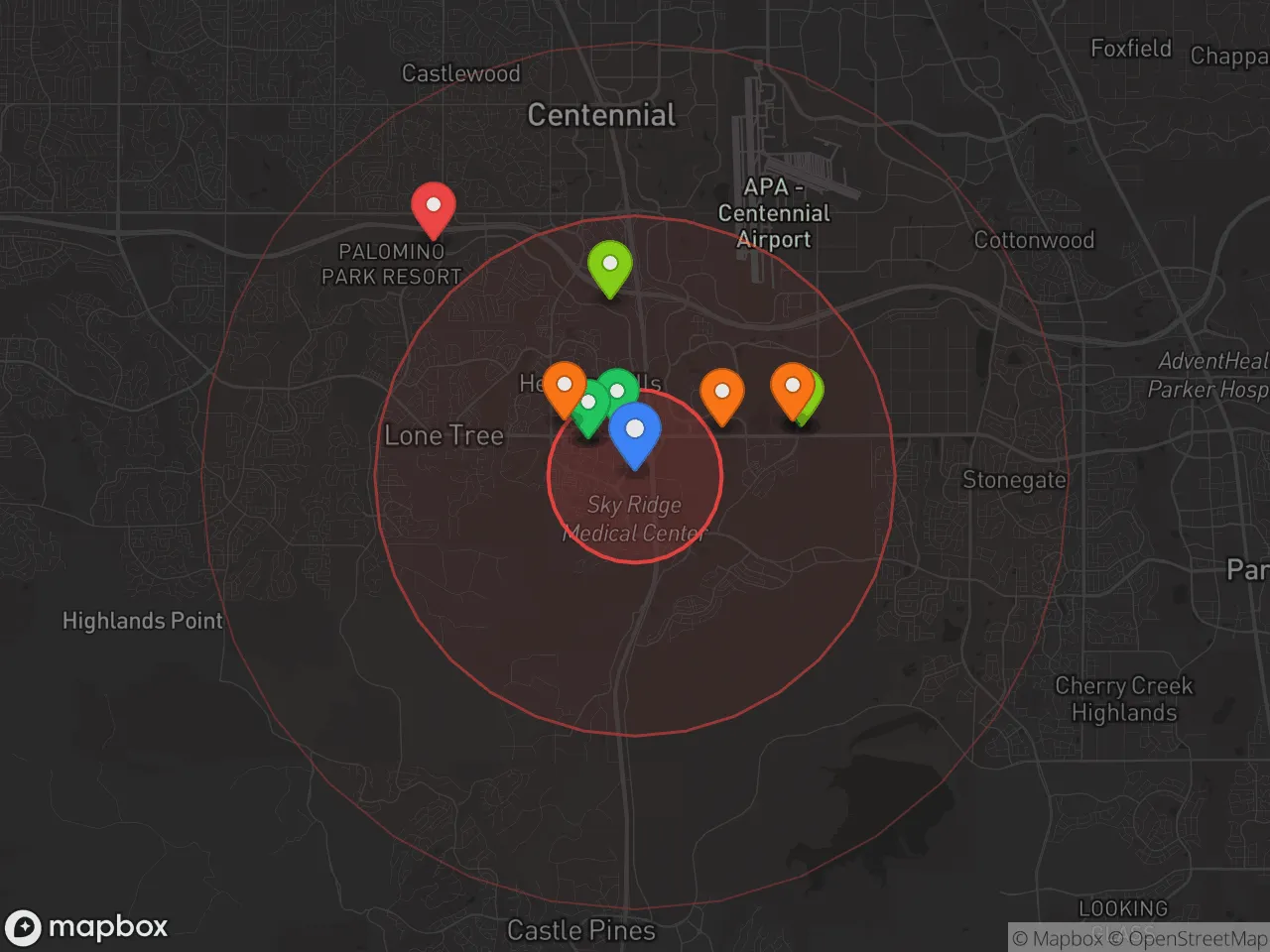
8 within 10 miles
Gas
20 within 10 miles
Hospital
20 within 20 miles
Airport
DEN — Denver International
Post Office
USPS — Lone Tree, CO
Critical Amenities
Quality-of-Life Analysis
Lone Tree, Colorado, is one of the Denver metro area’s most affluent suburbs, with a cost of living index of 221 (more than double the U.S. average) that reflects its concentration of high-earning professionals, executives, and families seeking top-tier schools and low crime rates. The city’s population of roughly 14,000 is notably well-educated and white-collar, anchored by major employers like Charles Schwab, Kaiser Permanente, and the nearby Denver Tech Center. This is a community where daily life revolves around master-planned neighborhoods, premium retail, and easy access to outdoor recreation, but the steep housing costs mean it is not a fit for budget-conscious movers.
Cost of living, housing prices, and affordability compared to Denver and Castle Rock
Lone Tree’s cost of living is among the highest in Douglas County, driven almost entirely by housing. The median home value sits at $819,800, roughly 40% above the Denver metro median and more than double the national figure. For renters, the median monthly rent of $2,030 is comparable to central Denver but significantly higher than in Castle Rock (about $1,750) or Parker (about $1,800). The average commute of 23.9 minutes is shorter than the Denver metro average of 28 minutes, a perk for workers at the Denver Tech Center or along the I-25 corridor. Property taxes in Douglas County are relatively low at roughly 0.55% of assessed value, which partially offsets the high purchase price, but overall affordability remains a barrier: a household would need an annual income well above $150,000 to comfortably afford a median-priced home here. Compared to Greenwood Village or Cherry Hills Village, Lone Tree offers slightly more inventory of newer-construction homes and townhomes, but it is not a value play versus nearby Centennial or Highlands Ranch.
Amenities, school quality, and what daily life is like for families
Daily life in Lone Tree centers on the Douglas County School District, which consistently ranks among Colorado’s top five for academic performance, with schools like Eagle Ridge Elementary and Highlands Ranch High School earning GreatSchools ratings of 8–10. The city’s crown jewel is the Park Meadows retail complex, a 1.6-million-square-foot upscale mall that draws shoppers from across the Front Range. For outdoor recreation, the 2,500-acre Bluffs Regional Park offers hiking and mountain biking trails with panoramic views of the Front Range, while the nearby Chatfield State Park provides boating and camping. The Lone Tree Arts Center hosts theater, concerts, and art exhibits, giving the suburb a cultural anchor rare for its size. Commuters benefit from the RidgeGate Parkway light-rail station on the E and R lines, offering a 35-minute ride to downtown Denver. The rhythm is quiet and family-oriented: soccer games at the Douglas County Fairgrounds, weekend farmers markets, and dinner at local staples like The Black Bear Diner or Sushi Den. Crime rates are well below both state and national averages, with violent crime roughly 70% lower than the U.S. median.
Lone Tree is best suited for affluent professionals, dual-income families, and empty-nesters who prioritize school quality, safety, and proximity to the Denver Tech Center over urban nightlife or housing affordability. Singles and young renters may find the social scene limited and the cost prohibitive, while retirees on fixed incomes will likely struggle with the housing market. For those who can afford the entry price, the trade-off is a low-stress, amenity-rich suburban lifestyle with top-rated schools and a commute that rarely exceeds 30 minutes.

Crime in Lone Tree, CO
Higher crime rates than 67% of comparable U.S. locations.
Violent CrimeViolent Crime Analysis
Property CrimeProperty Crime Analysis
Crime Analysis
Lone Tree, Colorado, reports a violent crime rate of 477.8 incidents per 100,000 residents and a property crime rate of 9,756.1 per 100,000, placing it above national averages for both categories. While the city benefits from its affluent Douglas County location, these figures indicate that residents face a notably higher risk of property crime than the typical U.S. suburb. The overall safety picture is mixed: violent crime is a real concern, but property offenses—particularly theft and vehicle break-ins—drive the majority of police calls.
Crime in context
Lone Tree’s violent crime rate is roughly 30% higher than the national average of about 380 per 100,000, while its property crime rate is more than double the national figure of approximately 2,500 per 100,000. Compared to the state of Colorado, which has a violent crime rate near 400 per 100,000 and a property crime rate around 3,000 per 100,000, Lone Tree underperforms significantly in property crime. This disparity is partly attributable to the city’s proximity to the Denver-Aurora-Lakewood metro area, where progressive district attorneys and judges in surrounding jurisdictions often prioritize diversion programs and reduced sentencing for non-violent offenders. Such policies can lead to higher recidivism and more criminals circulating through suburban retail corridors like Lone Tree’s Park Meadows area, a known hotspot for organized retail theft and vehicle break-ins.
What residents experience
For daily life, the most tangible safety issue is property crime. Residents frequently report theft from vehicles, package theft, and shoplifting incidents at the city’s major shopping centers. Violent crime, while less common, includes aggravated assault and robbery, often connected to disputes or theft attempts. The presence of progressive criminal justice policies in the broader metro area means that repeat offenders face fewer consequences, increasing the likelihood of property crimes recurring in the same neighborhoods. Lone Tree’s own police department is well-funded and responsive, but it operates within a county and state legal framework that many residents feel is too lenient on property criminals. Neighborhood-specific data is limited, but areas closer to light rail stations and the Park Meadows mall tend to see higher crime volumes, while gated communities and subdivisions farther from transit hubs report fewer incidents.
Neighborhood-level variation is modest but notable. The areas around the Lincoln Avenue corridor and the C-470 interchange experience the most property crime, driven by easy highway access and dense commercial activity. In contrast, residential enclaves like the Heritage Hills and Acres Green neighborhoods report lower crime rates, though they are not immune to occasional vehicle thefts or burglaries. Overall, Lone Tree’s safety profile is shaped by its role as a retail and transit hub within a metro area where progressive justice policies reduce the deterrent effect for property offenders, making proactive home security and community watch participation advisable for all residents.
* Values derived from national, state, county, city and local statistics and may differ in a specific area. Last updated: 2026-04-23T02:02:42.000Z
Narrative content on this page is AI-generated and may contain mistakes. Verify any details that matter before acting on them.
ReloMaps may earn a commission from affiliate links at no extra cost to you.

