Photo: Wikipedia
Quality of Life in Loveland, CO
Above-average quality of iife. The area offers a reasonable cost of living, decent mobility, and a mix of neighborhood amenities.
What does Quality of Life tell us?
Quality of Life blends cost of living, nearby amenities, socioeconomic signals, and neighborhood character. City-level scores represent the whole municipality; individual neighborhoods can differ.
What does this tell us?
Quality of Life blends cost of living, nearby amenities, socioeconomic signals, and neighborhood character. City-level scores represent the whole municipality; individual neighborhoods can differ.
Cost of Living
51% above national average
The Real Cost of Living in Loveland, CO for 2026
| Tier | Individual | Family (4) |
|---|---|---|
| Survival | $27k | $50k |
| Comfortable | $84k | $124k |
| Luxury | $123k+ | $191k+ |
| Elite (Top 5%) | $145k+ | $225k+ |
67%
The Area Signal
A metric tracking the socioeconomic signals of the area.
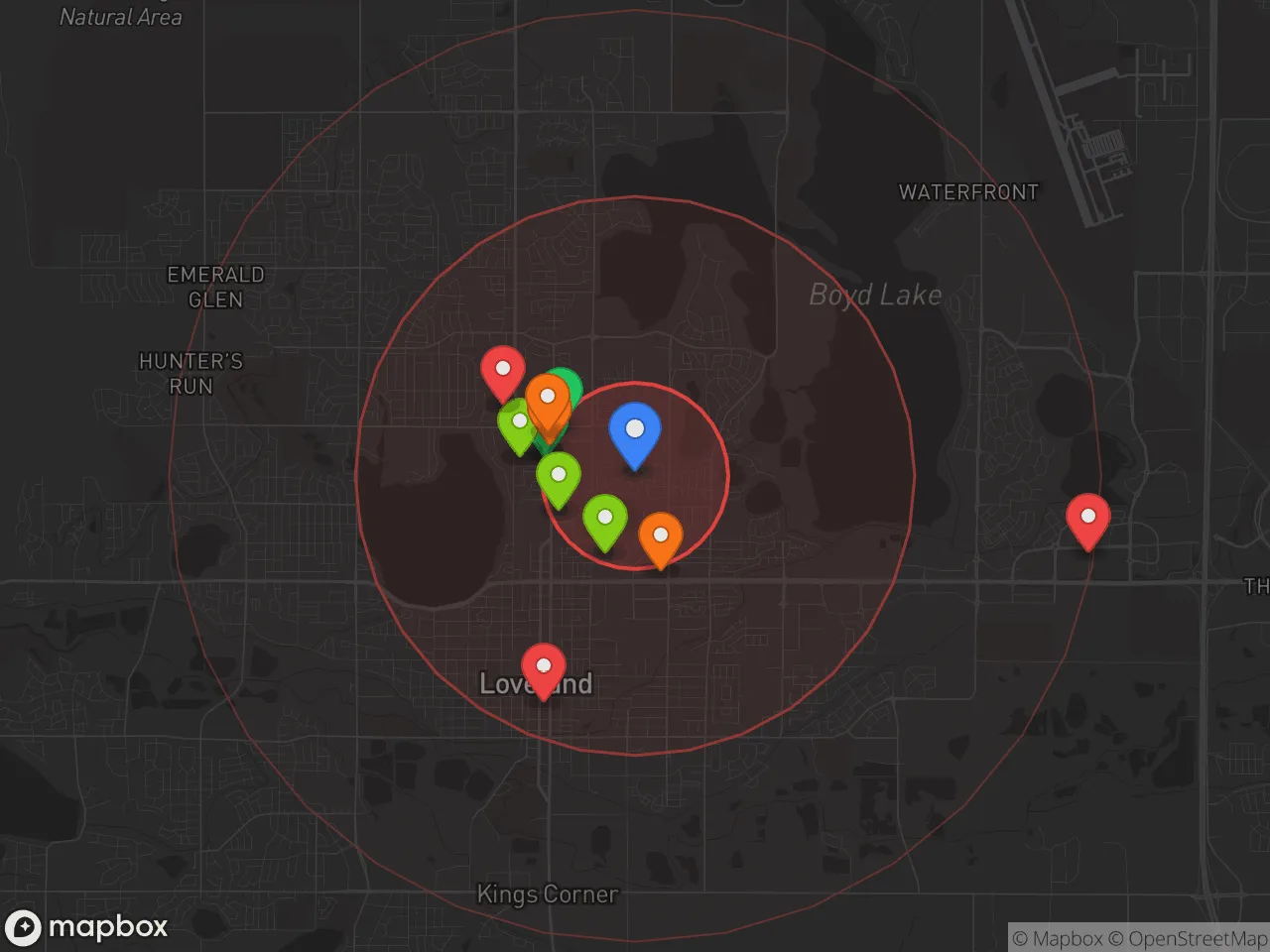
Hobbies
Explore the areaGroceries
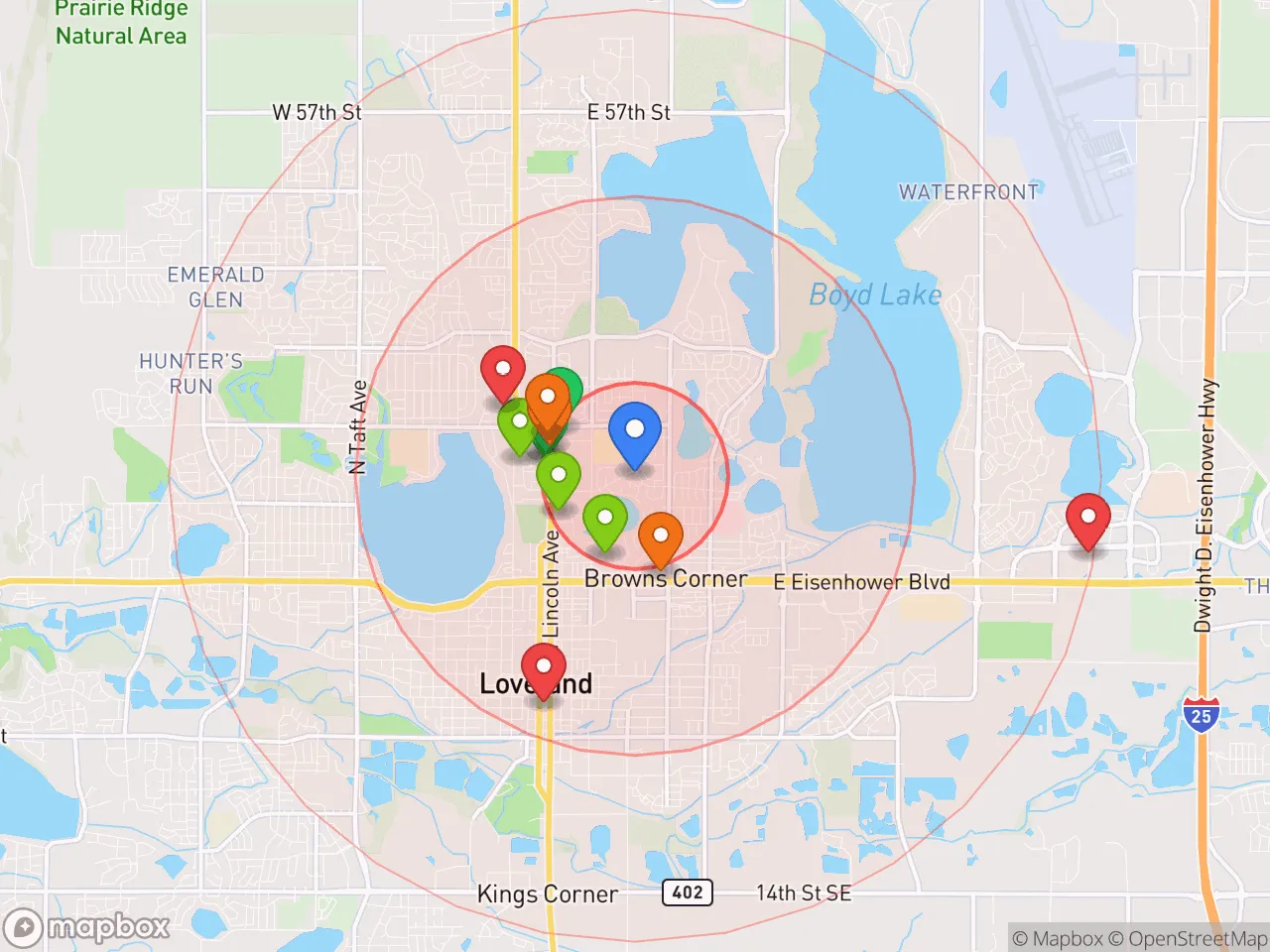
7 within 10 miles
Gas
20 within 10 miles
Hospital
13 within 20 miles
Airport
DEN — Denver International
Post Office
USPS — Loveland, CO
Critical Amenities
Quality-of-Life Analysis
Loveland, Colorado, presents a quality of life defined by its position as an affluent Front Range community where a mix of remote tech workers, outdoor enthusiasts, and retired professionals coexist. With a cost of living index of 151 (51% above the U.S. average), the city attracts residents who prioritize access to Rocky Mountain recreation and a slower pace than nearby Fort Collins or Boulder, often trading urban density for a more suburban, nature-oriented lifestyle. The typical resident is a college-educated professional earning a household income well above the national median, drawn by the city’s balance of small-town charm and proximity to major employment hubs like Denver and Boulder.
Cost of living and housing affordability compared to Fort Collins and Boulder
Loveland’s housing market is expensive by national standards but remains a relative bargain compared to its more famous neighbors. The median home value sits at $453,100, which is roughly 15% lower than Fort Collins’ median and nearly 40% lower than Boulder’s. Median rent is $1,683, making it more affordable than the $1,900+ averages seen in both Fort Collins and Boulder. However, the city’s cost of living index of 151 means that a household earning the U.S. median income of $75,000 would need to earn roughly $113,000 to maintain the same standard of living here. The average commute of 25.6 minutes is slightly longer than Fort Collins’ 22-minute average, reflecting the number of residents who drive south to jobs in the Denver metro area or north to Fort Collins. Property taxes in Larimer County are moderate at roughly 0.55% of assessed value, which helps offset some of the housing cost burden compared to states like Texas or Illinois.
Local amenities, schools, and what daily life feels like
Daily life in Loveland centers on outdoor recreation and a tight-knit community feel, with the Big Thompson River and Lake Loveland providing year-round activities like fishing, paddleboarding, and hiking. The city’s public schools, part of the Thompson School District, generally perform above state averages, with Loveland High School and Mountain View High School both earning ratings of 7 or 8 out of 10 on GreatSchools. The downtown area, anchored by the historic Rialto Theater and the Loveland Museum, offers a walkable core with independent restaurants and breweries, though the city lacks the vibrant nightlife of Fort Collins. For daily errands, residents rely on the Centerra shopping district, which includes a Costco, Target, and a mix of national chains. The city’s proximity to Rocky Mountain National Park (about 45 minutes west) and the ski resorts of Summit County (about 90 minutes) makes it a base for weekend adventurers, while the presence of major employers like Woodward, Inc. and Vestas provides stable local jobs in aerospace and renewable energy.
Loveland is best suited for families, outdoor enthusiasts, and professionals who value a quieter, nature-focused lifestyle over urban amenities. Retirees are also drawn to the city’s lower crime rates compared to Denver and its active adult communities, such as those in the Mariana Butte area. Remote workers will find the city’s fiber-optic internet infrastructure reliable, though the lack of a major university or tech hub means fewer networking opportunities than in Boulder. Those seeking a vibrant arts scene, walkable urbanism, or a diverse food culture may find Loveland underwhelming, but for anyone prioritizing affordable mountain access, strong schools, and a slower pace within commuting distance of Denver, the city delivers a high quality of life that justifies its elevated cost of living.

Crime in Loveland, CO
Lower crime rates than 77% of comparable U.S. locations.
Violent CrimeViolent Crime Analysis
Property CrimeProperty Crime Analysis
Crime Analysis
Loveland, Colorado, presents a mixed safety profile that requires careful consideration for potential residents. The city’s violent crime rate stands at 405.4 incidents per 100,000 residents, while property crime reaches 2,092.1 per 100,000. These figures place Loveland in a concerning position relative to both state and national averages, particularly given its location within the broader Denver metro area, where progressive judicial policies in surrounding counties have been linked to higher recidivism and reduced public safety outcomes.
Crime in context
Loveland’s violent crime rate of 405.4 per 100,000 is significantly higher than the national average of 380 per 100,000 and well above Colorado’s state rate of roughly 330 per 100,000. Property crime in Loveland, at 2,092.1 per 100,000, also exceeds the national average of approximately 1,954 per 100,000. These numbers are particularly troubling when viewed through the lens of Larimer County’s justice system, which has adopted progressive sentencing guidelines and diversion programs. Critics argue that such approaches, while well-intentioned, result in shorter sentences and reduced accountability, directly contributing to repeat offenses and a higher volume of property crimes like theft and burglary. The proximity to larger metro areas like Denver and Fort Collins, where similar policies prevail, further compounds the risk as criminal activity often spills across municipal boundaries.
What residents experience
For those living in Loveland, the daily reality involves a heightened awareness of property crime. Vehicle break-ins, package thefts, and residential burglaries are common complaints, particularly in neighborhoods near major thoroughfares like U.S. Highway 34 and Interstate 25. Violent crime, while less frequent, includes aggravated assault and robbery, often concentrated in areas with higher population density and commercial activity. Residents report that police response times can be delayed due to understaffing, a challenge shared by many Front Range cities. The presence of progressive district attorneys in the 8th Judicial District has led to a perception among locals that offenders face minimal consequences, eroding trust in the justice system and discouraging some from reporting minor crimes.
Neighborhood-level variation is notable in Loveland. Areas south of Eisenhower Boulevard and near the Centerra shopping district tend to see higher property crime rates due to foot traffic and commercial targets. In contrast, newer developments in northern Loveland, such as those around Mariana Butte, generally report lower incident rates. However, no neighborhood is immune, and the overall trend points to a city where crime is a persistent concern, exacerbated by regional judicial philosophies that prioritize rehabilitation over deterrence. Prospective residents should research specific block-level data and consider the implications of living in a metro area where progressive policies may undermine long-term safety.
* Values derived from national, state, county, city and local statistics and may differ in a specific area. Last updated: 2026-04-23T03:58:47.000Z
Narrative content on this page is AI-generated and may contain mistakes. Verify any details that matter before acting on them.
ReloMaps may earn a commission from affiliate links at no extra cost to you.

