 Popular
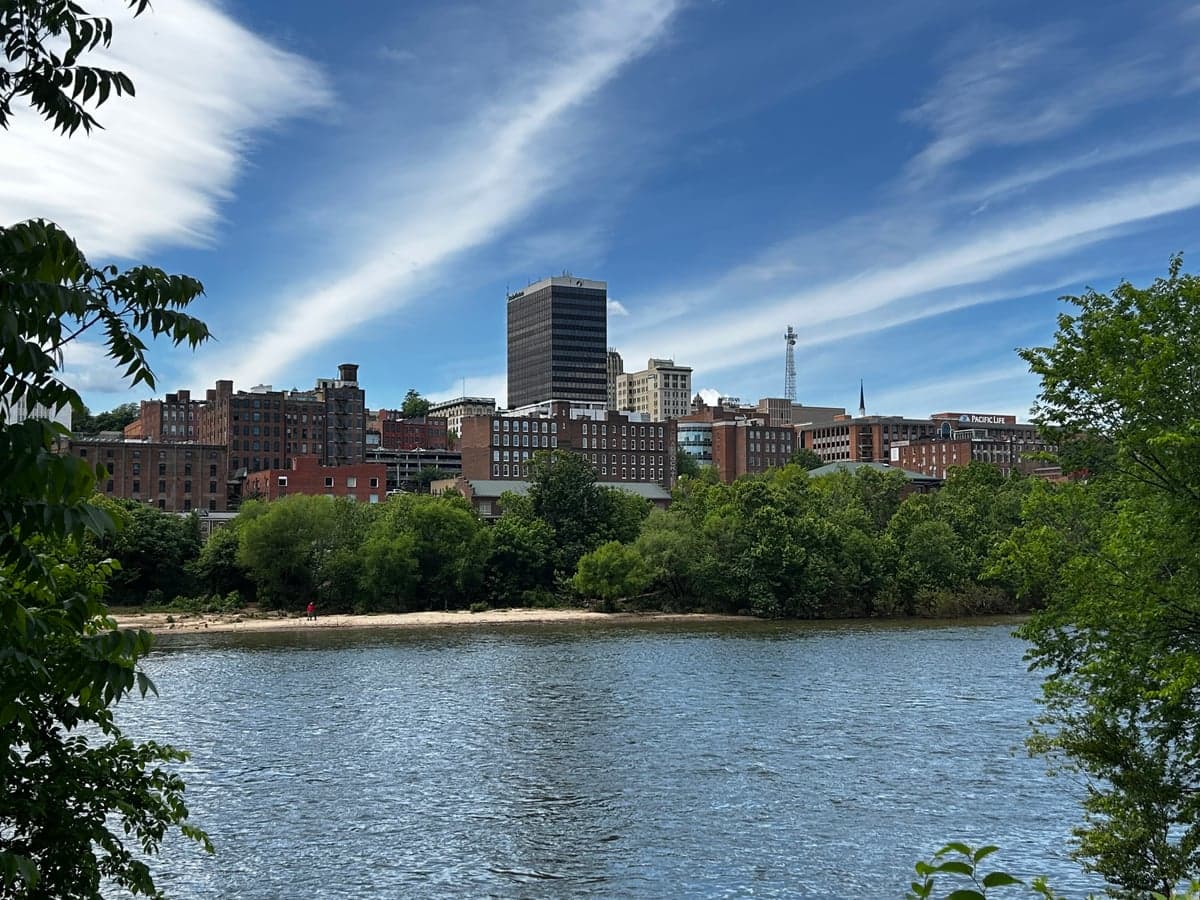
Photo: Wikipedia
Quality of Life in Lynchburg, VA
Above-average quality of iife. The area offers a reasonable cost of living, decent mobility, and a mix of neighborhood amenities.
What does Quality of Life tell us?
Quality of Life blends cost of living, nearby amenities, socioeconomic signals, and neighborhood character. City-level scores represent the whole municipality; individual neighborhoods can differ.
What does this tell us?
Quality of Life blends cost of living, nearby amenities, socioeconomic signals, and neighborhood character. City-level scores represent the whole municipality; individual neighborhoods can differ.
Cost of Living
16% below national average
The Real Cost of Living in Lynchburg, VA for 2026
| Tier | Individual | Family (4) |
|---|---|---|
| Survival | $17k | $31k |
| Comfortable | $41k | $60k |
| Luxury | $107k+ | $165k+ |
| Elite (Top 5%) | $125k+ | $195k+ |
99%
The Area Signal
A metric tracking the socioeconomic signals of the area.
Hobbies
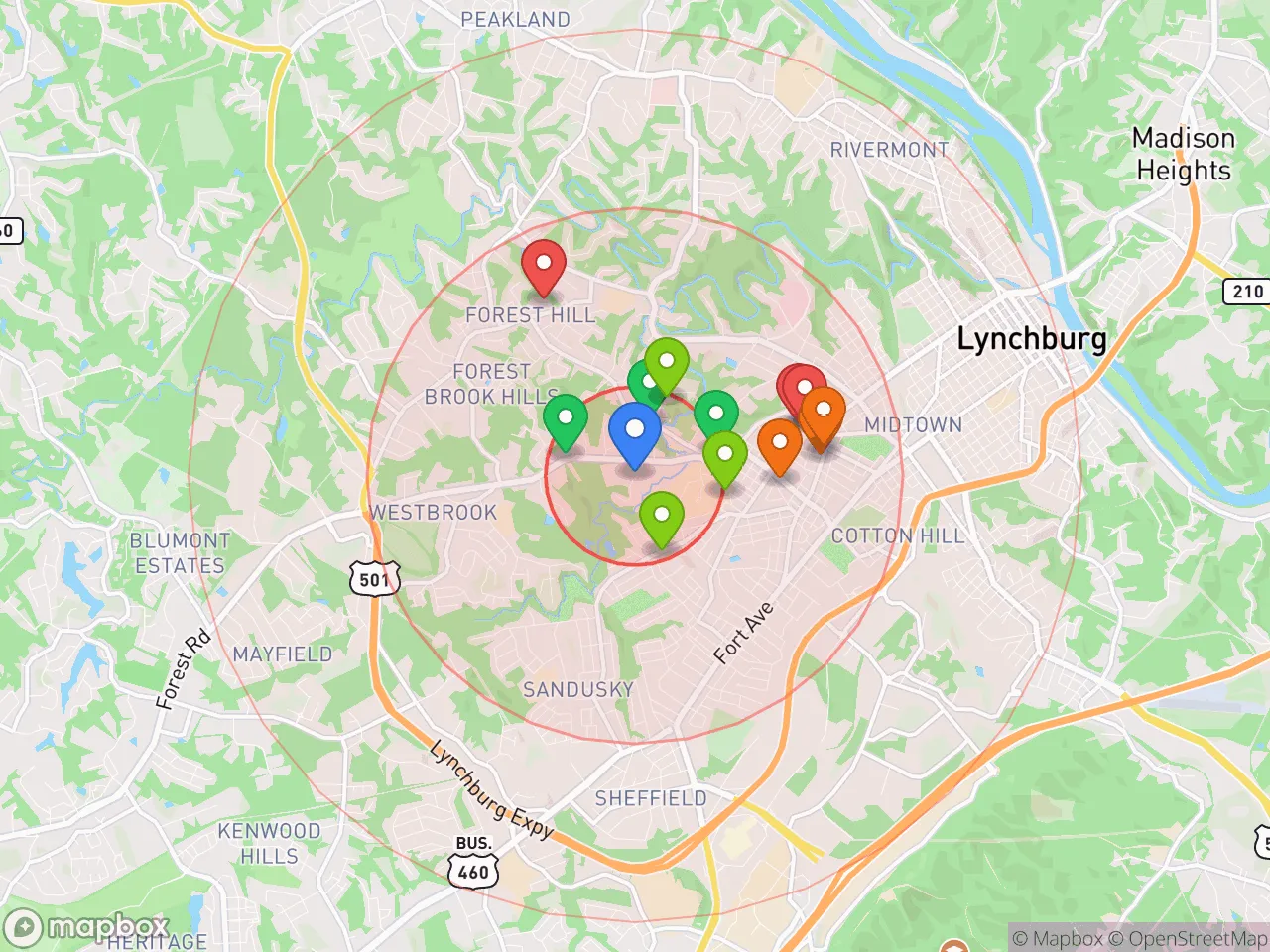
Explore the areaGroceries
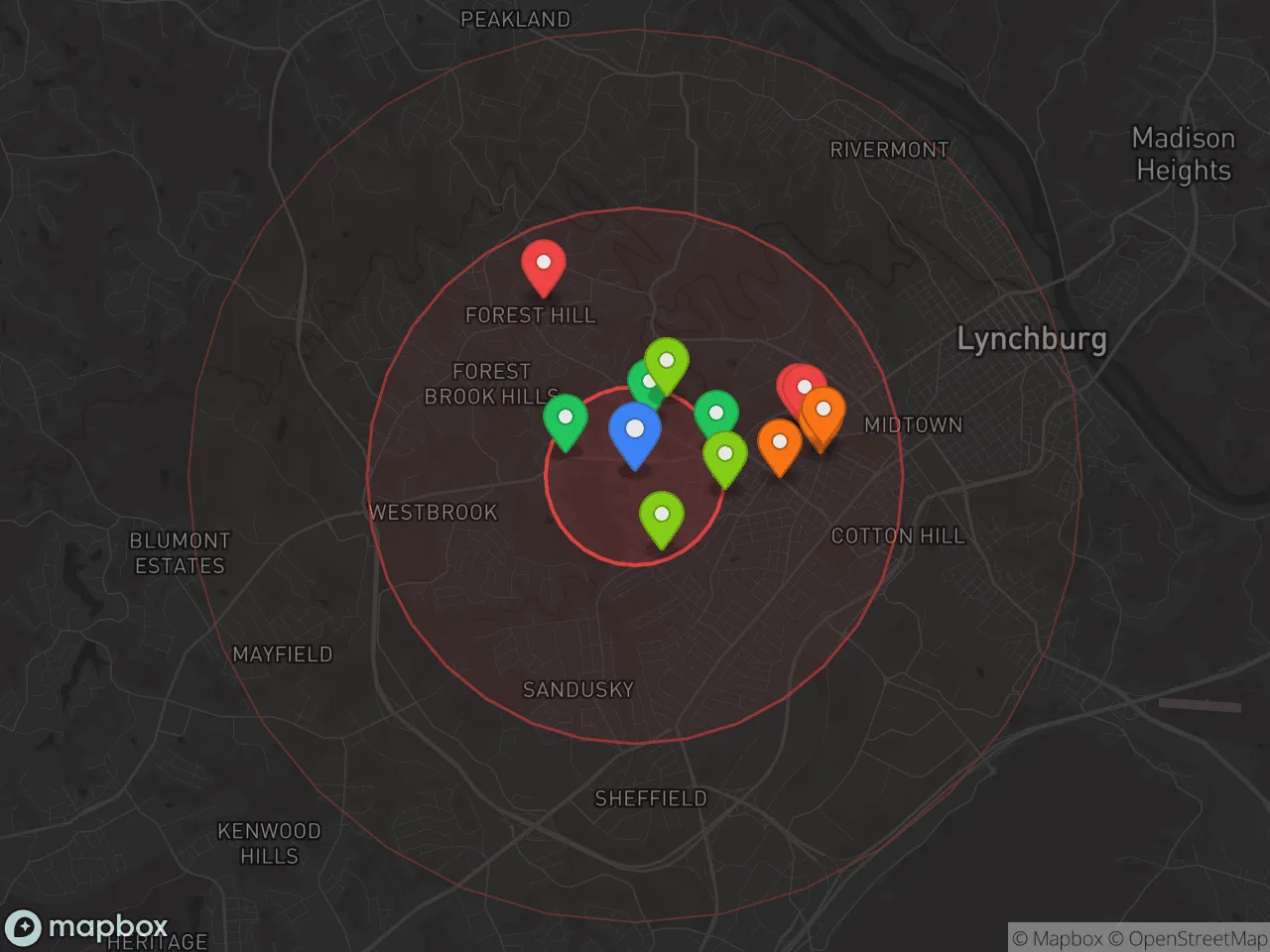
6 within 10 miles
Gas
20 within 10 miles
Hospital
3 within 20 miles
Airport
RDU — Raleigh–Durham International
Post Office
USPS — Lynchburg, VA
Critical Amenities
Quality-of-Life Analysis
Lynchburg, Virginia, offers a quality of life defined by a cost of living well below the national average, attracting a mix of families, retirees, and professionals seeking a slower pace without sacrificing urban amenities. With a cost of living index of 84 (where 100 equals the U.S. average), the city provides a notably affordable environment compared to the broader Virginia and Mid-Atlantic region. The population skews slightly older and more family-oriented than the state average, reflecting its role as a regional hub for healthcare, education, and manufacturing employment.
Cost of living, housing, and how Lynchburg compares to nearby cities
Lynchburg’s affordability is a primary draw. The median home value sits at $211,800, significantly below the Virginia median of roughly $375,000 and far less than in nearby Charlottesville (median over $450,000) or Roanoke (around $230,000). Median rent is $1,043, making it one of the most budget-friendly rental markets in the state for a city of its size. The average commute of 16.8 minutes is well under the national average of 26 minutes, reducing transportation costs and freeing up time for residents. While grocery and utility costs are slightly below the national index, the real savings come from housing—a typical mortgage or rent payment in Lynchburg consumes a smaller share of local median income than in most Virginia cities. Property taxes are moderate, with a rate of roughly $1.10 per $100 of assessed value, keeping annual carrying costs low.
Schools, amenities, and what daily life feels like in Lynchburg
Daily life in Lynchburg centers on a compact, walkable downtown along the James River, anchored by the Lynchburg Community Market (operating since 1783) and a growing number of breweries and farm-to-table restaurants. The city is home to Liberty University (enrolling over 50,000 online and residential students), which shapes the local culture and economy, alongside the University of Lynchburg and Randolph College. Public schools in Lynchburg City Schools serve about 8,000 students, with several elementary schools rated above state averages on SOL tests; for higher performance, many families look to Bedford County or Campbell County schools just outside city limits. Outdoor amenities include the Blackwater Creek Trail (a 7-mile paved path), the James River Heritage Trail, and access to the Blue Ridge Parkway 20 minutes away. Healthcare is anchored by Centra Lynchburg General Hospital, a Level II trauma center. The city’s rhythm is notably slower than Richmond (1.5 hours east) or Roanoke (50 minutes west), with a strong sense of community evident in events like the Lynchburg Greek Festival and the weekly Riverfront Park concert series.
Lynchburg is best suited for those who prioritize affordability, short commutes, and a quieter lifestyle over the fast pace and high salaries of larger metros. Families with young children benefit from the low cost of housing and good school options in surrounding counties, while retirees appreciate the mild four-season climate and access to healthcare. Professionals in education, healthcare, or manufacturing (with major employers like BWX Technologies, Centra, and Liberty University) will find a stable job market. Those seeking dense nightlife, high-end dining, or a politically progressive environment may find the city’s conservative-leaning culture and limited late-night scene less appealing. For the right resident, Lynchburg offers a high quality of life at a fraction of the cost of Virginia’s larger cities.

Crime in Lynchburg, VA
Crime rates similar to the national median for U.S. locations.
Violent CrimeViolent Crime Analysis
Property CrimeProperty Crime Analysis
Crime Analysis
Lynchburg, Virginia, presents a mixed safety picture that demands careful consideration from potential residents. The city's violent crime rate stands at 352.5 incidents per 100,000 residents, while property crime occurs at a rate of 1,635.2 per 100,000. These figures place Lynchburg in a middle tier for safety within Virginia, but specific local factors—including the influence of progressive prosecutorial policies in the broader region—warrant a closer look.
Crime in context
Lynchburg's violent crime rate is roughly 20% higher than the national average of approximately 290 per 100,000, though it remains below the rates seen in larger Virginia metros like Richmond or Norfolk. Property crime in Lynchburg tracks close to the national average of about 1,950 per 100,000. However, these comparisons can be misleading. Like many mid-sized cities in Virginia, Lynchburg falls under the jurisdiction of a judicial system that has increasingly adopted progressive, offender-focused policies. These approaches, while sympathetic to rehabilitation, have been linked to reduced consequences for repeat offenders and lower clearance rates for property crimes. The result is that criminals face fewer deterrents, and residents may experience a justice system that prioritizes the offender's circumstances over the victim's right to safety.
What residents experience
In practice, Lynchburg residents report that property crime—particularly vehicle break-ins, package theft, and vandalism—is the most common safety concern. The city's 1,635.2 property crime rate translates to roughly 4.5 incidents per day, a figure that can feel higher in dense neighborhoods near Liberty University or downtown. Violent crime, while less frequent, is concentrated in specific areas and often involves individuals who know each other, meaning random attacks on residents are uncommon but not unheard of. The progressive lean of local courts has been cited by community watch groups as a factor in repeat offenders cycling through the system quickly, undermining the sense of accountability that many residents expect.
Neighborhood-level variation
Safety in Lynchburg varies significantly by neighborhood. Areas like Boonsboro and the Wyndhurst district report crime rates well below the city average, with strong homeowners' associations and private security patrols. In contrast, neighborhoods near the downtown corridor and parts of the Fort Hill area see higher concentrations of both property and violent crime. The city's overall safety rating is dragged down by these pockets of higher crime, which are often exacerbated by the same progressive judicial policies that reduce incarceration rates for non-violent offenses. For those considering a move, choosing a neighborhood with a proven track record of low crime and active community policing is essential, as the citywide numbers alone do not tell the full story of what daily life feels like on the ground.
* Values derived from national, state, county, city and local statistics and may differ in a specific area. Last updated: 2026-05-01T08:01:16.000Z
Narrative content on this page is AI-generated and may contain mistakes. Verify any details that matter before acting on them.
ReloMaps may earn a commission from affiliate links at no extra cost to you.

