Photo: Wikipedia
Personal Sovereignty in Makaha, HI
Moderate friction. Expect trade-offs in some aspect of personal liberty and independence.
What does Personal Sovereignty tell us?
Personal Sovereignty measures your capacity for self-reliance and independence with minimal government friction. Higher scores mean fewer barriers between you and the way you want to live... but it assumes you have the space you need and good neighbors.
What does this tell us?
Personal Sovereignty measures your capacity for self-reliance and independence with minimal government friction. Higher scores mean fewer barriers between you and the way you want to live... but it assumes you have the space you need and good neighbors.
State Policy
Energy independence: Importer (2% of energy produced in-state)
Personal Liberty
Homesteading

Personal Liberty Analysis
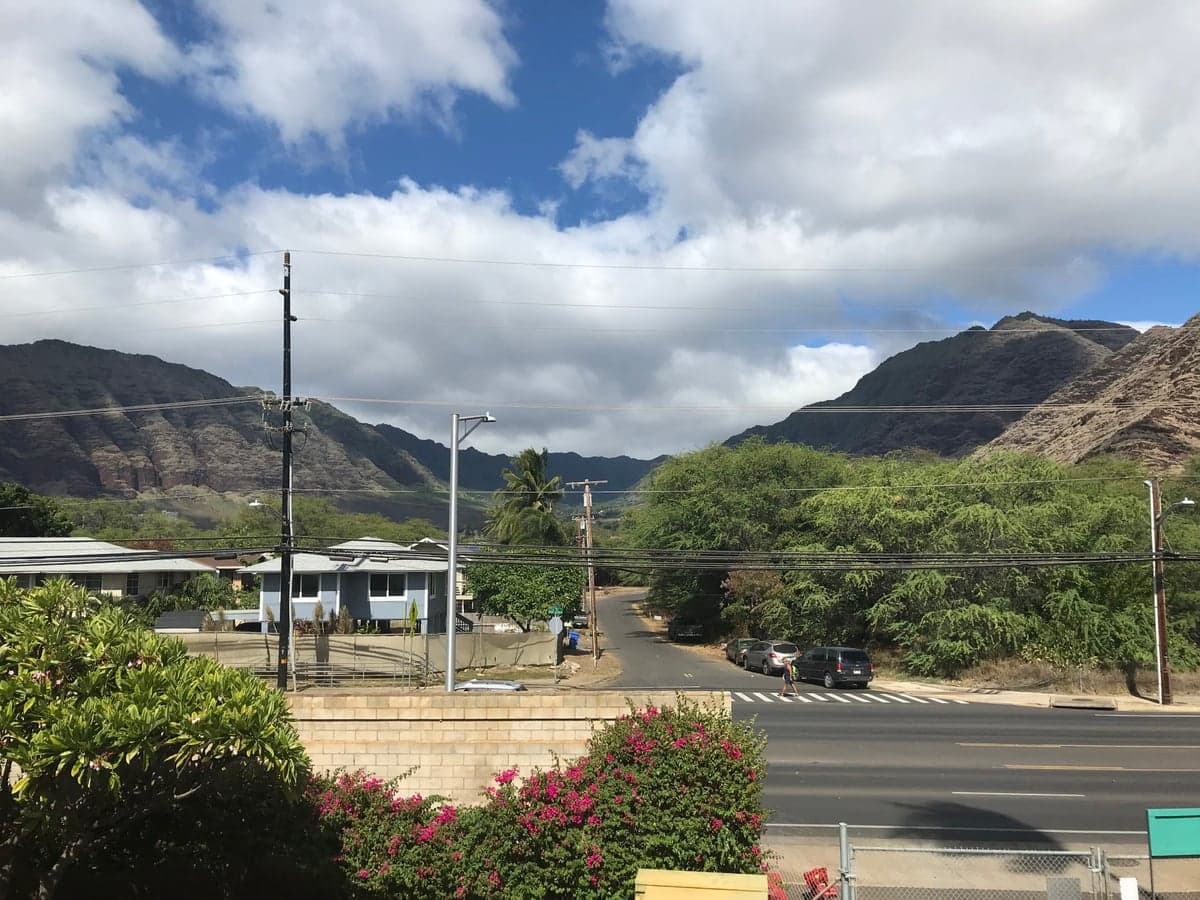
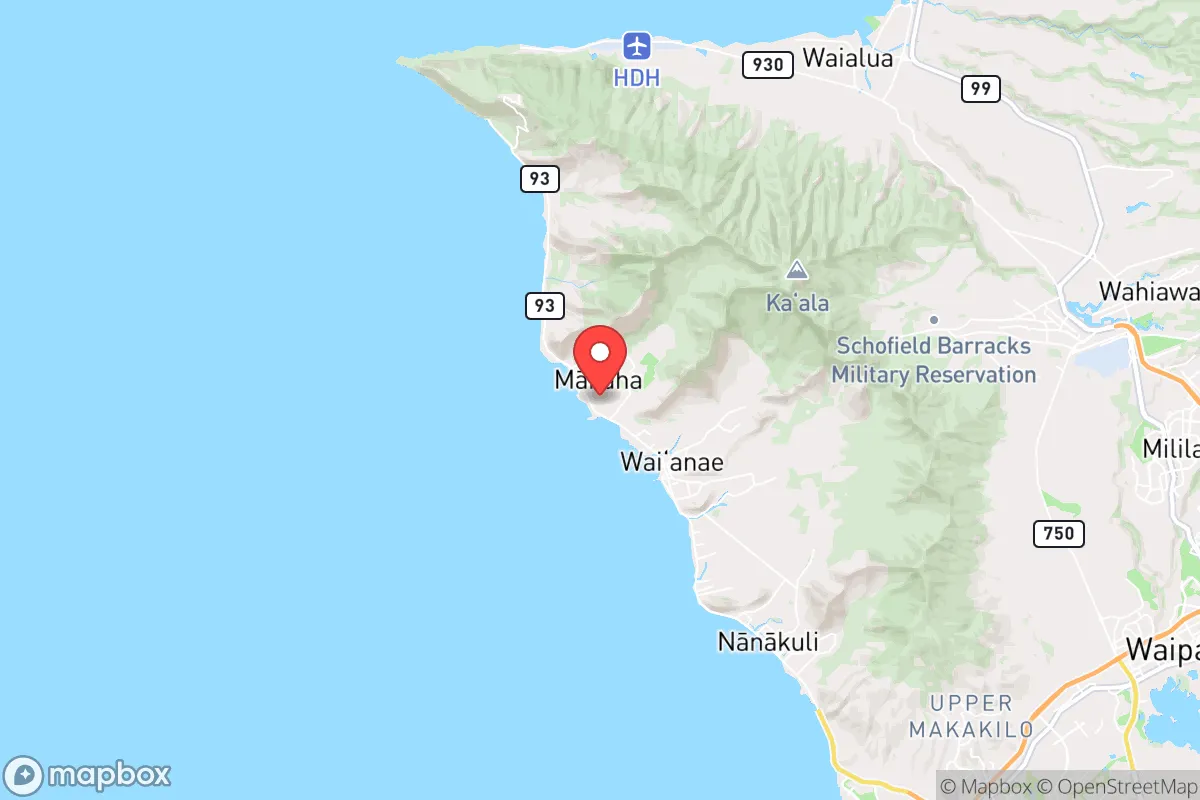
Makaha, on Oahu’s remote Leeward Coast, offers a unique but deeply compromised environment for personal sovereignty. While its physical isolation from Honolulu’s urban core provides a tangible buffer against some forms of government overreach, the reality is that you are still operating under the full weight of Hawaii state law—one of the most restrictive regulatory regimes in the nation. For the survivalist or prepper, Makaha’s appeal lies in its relative remoteness and strong local community ethos, but the trade-offs are severe: you face the highest combined tax burden in the country, some of the strictest gun laws, and a land-use bureaucracy that makes self-reliance a constant legal negotiation. This is not a place where you can simply disappear into the bush and live free; it is a place where you must be strategic, informed, and willing to work within—or carefully around—a system that is fundamentally hostile to individual autonomy.
Tax burden and regulatory posture: the cost of living under state control
Hawaii’s tax posture is a direct assault on financial sovereignty. The state imposes a combined state and local tax burden that is the highest in the nation, with residents paying roughly 14-15% of their income in state and local taxes. There is no county-level income tax in Honolulu, but the state income tax is progressive and steep, topping out at 11% for high earners. Property taxes in Makaha are comparatively low for Hawaii—around 0.35% of assessed value—but that’s a small consolation when you consider the General Excise Tax (GET) of 4.5% on nearly every transaction, including rent, groceries, and medical services. This is not a sales tax; it’s a gross receipts tax that gets passed down to you at every step. For a prepper trying to stockpile supplies or build a self-sufficient homestead, every purchase is taxed, every repair is taxed, and every bit of material you bring in is taxed. The regulatory posture is equally suffocating: building permits, land-use changes, and even minor construction projects require county approval that can take months. The state’s Office of Planning and Sustainable Development has a heavy hand, and any attempt to modify your property—whether for a rainwater catchment system, a root cellar, or a greenhouse—will likely trigger a review. This is not a jurisdiction that trusts you to manage your own land.
Self-defense and gun law specifics: a disarmed reality
For anyone serious about self-defense, Makaha sits inside one of the most restrictive gun law environments in the United States. Hawaii requires a permit to purchase any firearm, a process that involves a background check, fingerprinting, and a 14-day waiting period. Concealed carry is effectively impossible for the average citizen; the state issues licenses only on a "may-issue" basis, and the Honolulu Police Department has a near-total refusal to grant them to non-security personnel. Open carry is illegal. Magazine capacity is limited to 10 rounds, and there is a ban on "assault pistols" and certain features. For a prepper, this means your defensive capabilities are legally capped at a handgun or a compliant long gun with limited capacity. The local crime rate in Makaha is a concern—property crime and burglary are higher than the state average, driven by the area’s economic isolation and limited police presence. You cannot rely on a quick response from law enforcement; the nearest substation is in Waianae, and response times can be 20-30 minutes or more. Your best legal option for home defense is a pump-action shotgun or a bolt-action rifle, but even then, you must store them securely and comply with strict transportation laws. The state’s attitude is clear: your safety is the government’s responsibility, not your own.
Self-reliance and homesteading viability: lot sizes, zoning, and off-grid feasibility
Makaha’s zoning and geography offer a mixed bag for the homesteader. Many residential lots in the area are between 5,000 and 10,000 square feet, which is generous by Oahu standards but still small for serious self-sufficiency. Agricultural-zoned land exists further up the valley, but it is expensive and subject to state agricultural district rules that limit residential structures and require active farming. Off-grid living is technically possible but legally fraught. Rainwater catchment is common—many homes already rely on it due to unreliable municipal water—but you must comply with county health department standards for potable water. Solar panels are allowed, but net metering rules have been tightened by Hawaiian Electric, making it harder to offset your grid usage. Composting toilets and greywater systems are legal but require permits and inspections, which can be a bureaucratic nightmare. The biggest hurdle is the lack of a local building supply or hardware store; you will drive 45 minutes to Kapolei or an hour to Honolulu for lumber, tools, and feed. For a prepper, the isolation is a double-edged sword: you have privacy and space, but you are also dependent on a fragile supply chain that runs through a single highway (Farrington Highway) that is prone to flooding and landslides. True self-reliance here means stockpiling months of supplies and having a robust plan for when the road closes.
Personal liberties: parental rights, medical autonomy, speech, and property
On paper, Hawaii protects parental rights in education—there is a robust homeschool statute (Act 167) that allows parents to teach their children without state interference, requiring only a simple notice of intent. In practice, the state’s Department of Education has been known to pressure homeschool families for curriculum details, and the general cultural atmosphere in the public school system is heavily progressive. Medical autonomy is a major concern. Hawaii has some of the strictest vaccine mandates in the country, including for school attendance, and the state government has shown a willingness to enforce emergency health orders aggressively. For a prepper who values the right to choose their own medical treatments, this is a red flag. Free speech is protected under the First Amendment, but the state’s political monoculture—Hawaii is a deep-blue state with little conservative representation—means that expressing dissenting views on public health, land use, or government overreach can lead to social ostracism. Property rights are the weakest link: the state’s land-use law (Chapter 205) gives the government broad authority to regulate what you can do with your land, and the county’s zoning code is dense and unforgiving. You cannot simply build a bunker, dig a well, or raise livestock without explicit permission. The state’s attitude is that your land is a resource to be managed for the public good, not a domain of personal sovereignty.
Compared to other areas in the United States, Makaha offers a unique but fragile form of personal sovereignty. The physical isolation and strong local community provide a buffer against some forms of government intrusion, but the legal and regulatory framework is among the most restrictive in the nation. For a survivalist or prepper, this is not a place to go if you want to live entirely off the grid or exercise full Second Amendment rights. It is a place where you can carve out a degree of autonomy if you are willing to navigate a hostile bureaucracy, pay a heavy tax burden, and accept that your self-reliance will always be constrained by state law. If you are looking for a true redoubt with minimal government interference, look to the mainland—Idaho, Montana, or the rural South. But if you are drawn to the isolation and the ocean, and you are prepared to fight for every inch of your freedom, Makaha can work—but only if you go in with your eyes wide open.

* Values derived from national, state, county, city and local statistics and may differ in a specific area. Last updated: 2026-05-03T08:47:46.000Z
Narrative content on this page is AI-generated and may contain mistakes. Verify any details that matter before acting on them.
ReloMaps may earn a commission from affiliate links at no extra cost to you.

