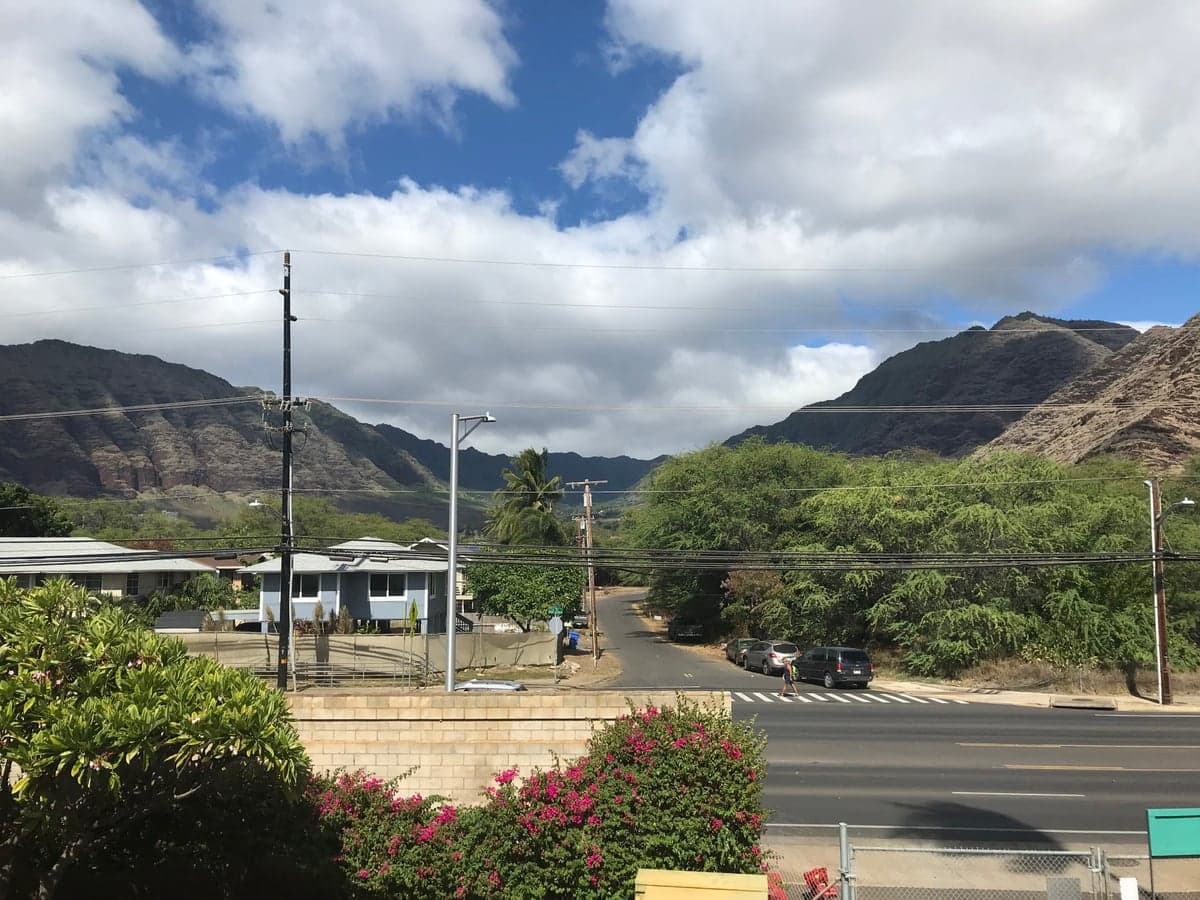
Photo: Wikipedia
Political ClimatePolitical Climate in Makaha, HI
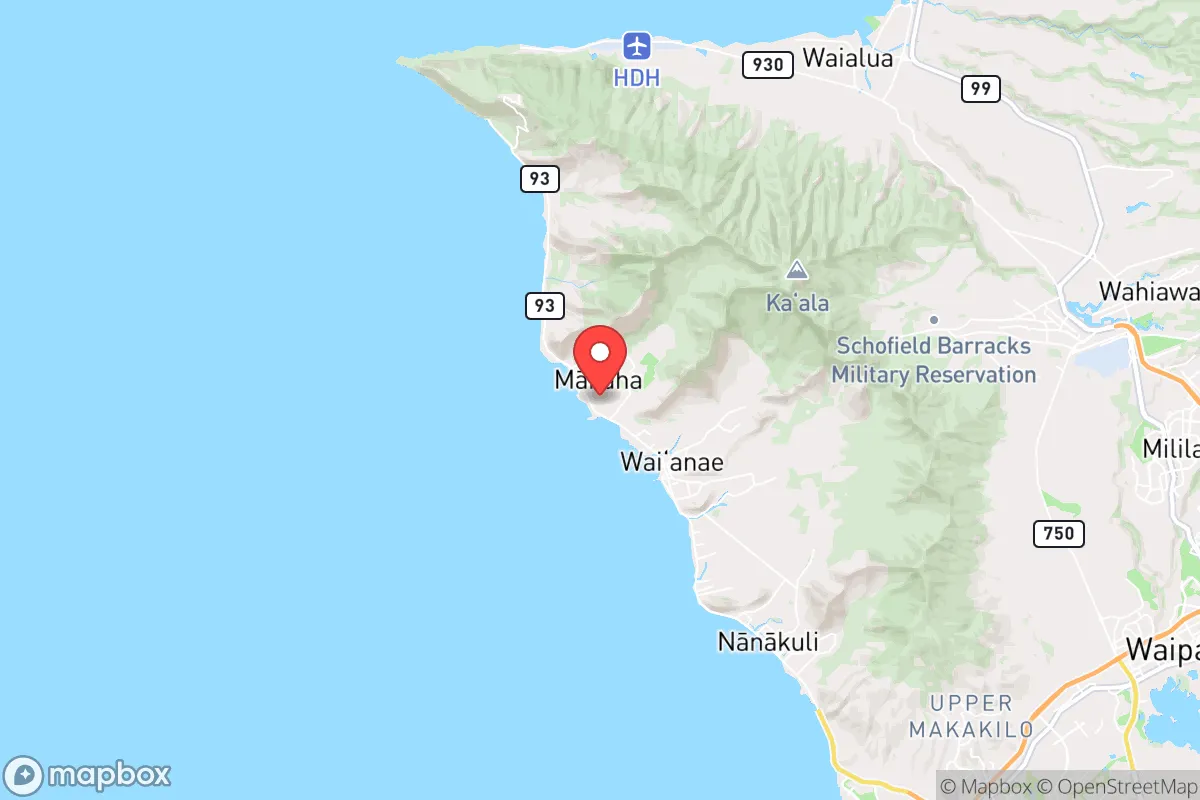
District shown is the primary district for this city’s centroid. Cities may span multiple districts.
Local Political AnalysisPolitical Analysis of Makaha, HI
Makaha, on Oahu’s Leeward Coast, has long been a place where folks value their space, their privacy, and the old-school Hawaiian way of life—but the political winds have shifted noticeably in recent decades. The area now carries a Cook PVI of D+12, meaning it leans heavily Democratic compared to the rest of the country, though that number doesn’t tell the whole story of what it’s like on the ground. A lot of us who’ve been here for a while remember when Makaha felt more independent-minded, with a strong local conservative streak that pushed back against Honolulu’s bureaucracy. These days, the progressive tide has rolled in from town, and it’s changing how things run—sometimes in ways that rub longtime residents the wrong way.
How it compares
If you drive just a few miles up the coast to Waianae, you’ll find a similar working-class vibe, but with an even stronger Democratic tilt—think D+15 or more in some precincts. Head east toward Kapolei, the so-called “second city,” and you’ll see a more mixed picture: newer subdivisions bring in families from the mainland and military folks from Schofield Barracks, making it a bit more purple, maybe D+5. But the real contrast is with the North Shore, places like Haleiwa and Waialua, where the wealthy transplants and surf-industry types have pushed politics far left, often backing policies that feel out of touch with Makaha’s blue-collar roots. Makaha sits in the middle—still more conservative than the rest of the island’s tourist zones, but losing ground every election cycle as Honolulu’s influence creeps westward.
What this means for residents
For those of us living here, the biggest headache is how government overreach has crept into daily life. The state and county have tightened rules on everything from short-term rentals (which used to be a lifeline for local families) to beach access and even what you can do on your own property. A few years back, the city started enforcing stricter building codes and permit requirements that made it harder to add a simple ohana unit for extended family—something that’s always been part of the culture here. Property taxes have inched up, too, as Honolulu looks to fund more social programs that don’t always benefit the Leeward Coast. The shift toward progressive ideology feels like a slow squeeze on personal freedoms, especially for folks who just want to live their lives without a lot of red tape. It’s not all bad—there’s still a strong sense of community and neighbor-helping-neighbor—but the trend is concerning if you value local control and minimal government meddling.
What sets Makaha apart culturally and politically
One thing that still makes Makaha distinct is its resistance to the full-on progressive agenda you see in Waikiki or Kailua. There’s a deep respect for traditional Hawaiian values here, which often align with conservative principles like self-reliance, family first, and stewardship of the land without government mandates. You’ll hear locals grumble about the state’s push for renewable energy projects that scar the mountains or about new taxes on everything from plastic bags to sugary drinks. The long-term outlook is uncertain—as more people move in from the mainland and Honolulu’s politics dominate, Makaha could lose its independent character. But for now, it remains a place where you can still find a quiet stretch of beach, a neighbor who’ll lend you a tool without asking, and a healthy skepticism of anyone who thinks they know better than you how to live your life.

State Political ClimatePolitical Climate in Hawaii
State Political AnalysisPolitical Environment in the State
Hawaii has been a one-party Democratic stronghold for decades, with Democrats controlling the governorship and supermajorities in both legislative chambers since the 1960s. The state’s political climate is overwhelmingly progressive, driven by a coalition of unionized government workers, native Hawaiian sovereignty advocates, and a large tourism-dependent service economy. Over the past 20 years, the state has shifted further left, with Republicans rarely winning statewide office and often failing to field competitive candidates in many districts. For a conservative-leaning individual or family, this means navigating a policy environment that is increasingly hostile to traditional values, fiscal conservatism, and personal freedoms.
Urban vs. rural divide
The political map of Hawaii is starkly divided between the urban core of Honolulu on Oahu and the more rural, less populated neighbor islands. Honolulu and its suburbs, including Waipahu and Kailua, are the engine of Democratic dominance, producing massive vote margins for progressive candidates. The rest of Oahu, particularly the windward side and the North Shore, leans left as well, though with pockets of more moderate sentiment. The neighbor islands—Hawaii Island (the Big Island), Maui, Kauai, and Molokai—are more politically mixed. The Big Island’s Kona and Waimea areas have a noticeable conservative presence, driven by ranching, agriculture, and a libertarian-leaning population. Hilo, on the other hand, is a progressive stronghold with a strong union and environmental activist base. Maui’s Upcountry region, around Kula, is another conservative-leaning pocket, while the resort areas of Kihei and Lahaina vote heavily Democratic. The rural divide is real, but it’s a minority voice in a state where the urban core dictates policy.
Policy environment
Hawaii’s policy environment is defined by high taxes, heavy regulation, and a strong government presence in daily life. The state has the highest combined state and local tax burden in the nation, with a general excise tax that applies to nearly all goods and services, including rent and groceries. Property taxes are relatively low, but income taxes are steep, with a top marginal rate of 11% on incomes over $200,000. The regulatory posture is aggressive, particularly around land use, housing, and environmental issues. The state’s Land Use Commission has near-total control over development, contributing to the nation’s highest housing costs. Education policy is dominated by a single statewide school district, the Hawaii Department of Education, which is notoriously bureaucratic and resistant to school choice. Healthcare is heavily regulated, with a state-run insurance exchange and strict certificate-of-need laws that limit competition. Election laws are among the most restrictive in the country, with all-mail voting mandatory since 2020 and no voter ID requirement, which has raised concerns about election integrity among conservatives.
Trajectory & freedom
Hawaii is becoming less free by nearly any measure, with recent legislation expanding government control over personal liberty. In 2023, the state passed Act 2, which severely restricted gun rights by banning the carrying of firearms in most public places, including beaches, parks, and businesses unless explicitly posted. This law goes far beyond what the Supreme Court’s Bruen decision allows, and it is currently being challenged in court. On parental rights, the state has moved aggressively to centralize authority, with the Department of Education implementing policies that allow schools to withhold information about a child’s gender identity from parents. Medical autonomy has been curtailed by the state’s strict vaccine mandates, which were among the nation’s toughest during the COVID-19 pandemic, and by laws that effectively force healthcare providers to comply with progressive gender ideology. Property rights are under constant threat from the state’s powerful Hawaii Housing Finance and Development Corporation, which can override local zoning for affordable housing projects. The trajectory is clear: more taxes, more mandates, and less individual freedom.
Civil unrest & political movements
Hawaii has a history of civil unrest, much of it centered on native Hawaiian sovereignty and environmental activism. The Mauna Kea protests against the Thirty Meter Telescope in 2019 were a major flashpoint, drawing thousands of activists and resulting in arrests. This movement has evolved into a broader push for decolonization and even secession, with groups like the Nation of Hawaii advocating for independence. On the left, environmental groups like Surfrider Foundation and Hawaii Wildlife Fund are highly active, often suing to block development and tourism projects. Conservative activism is smaller but organized, with groups like Grassroot Institute of Hawaii pushing for fiscal reform and school choice. Immigration politics are less visible than on the mainland, but the state has a large population of undocumented immigrants from Micronesia and the Philippines, and it operates as a de facto sanctuary state with policies that limit cooperation with federal immigration enforcement. Election integrity remains a concern, with the 2020 and 2022 elections conducted entirely by mail and no meaningful signature verification, leading to ongoing distrust among conservatives.
Projection
Over the next 5-10 years, Hawaii’s political trajectory is likely to continue leftward, driven by demographic shifts and in-migration patterns. The state’s population is aging and declining, with many native-born residents leaving for lower-cost states like Nevada and Arizona. Those moving in are disproportionately wealthy retirees and remote workers from progressive mainland states, who tend to support the same policies they left behind. The native Hawaiian population, which is growing, is increasingly aligned with progressive and sovereignty movements. Republicans have little hope of winning statewide office unless the Democratic coalition fractures, which is unlikely given the state’s single-party dominance. A conservative moving to Hawaii now should expect to find a state that is more regulated, more taxed, and less free in a decade. The only potential check is the state’s struggling economy, which may force some moderation on housing and business regulation, but don’t count on it.
For a new resident, the bottom line is this: Hawaii offers unparalleled natural beauty and a unique culture, but it comes at a steep price in terms of personal freedom and financial cost. If you value low taxes, school choice, gun rights, and limited government, this is not the place for you. If you can afford the high cost of living and are willing to navigate a heavily regulated environment, you may find a community of like-minded conservatives in the rural pockets of the Big Island or Maui’s Upcountry. But be prepared to fight for your values in a state where the political establishment is firmly against them.
* Values derived from national, state, county, city and local statistics and may differ in a specific area. Last updated: 2026-05-03T08:47:46.000Z
Narrative content on this page is AI-generated and may contain mistakes. Verify any details that matter before acting on them.
ReloMaps may earn a commission from affiliate links at no extra cost to you.

