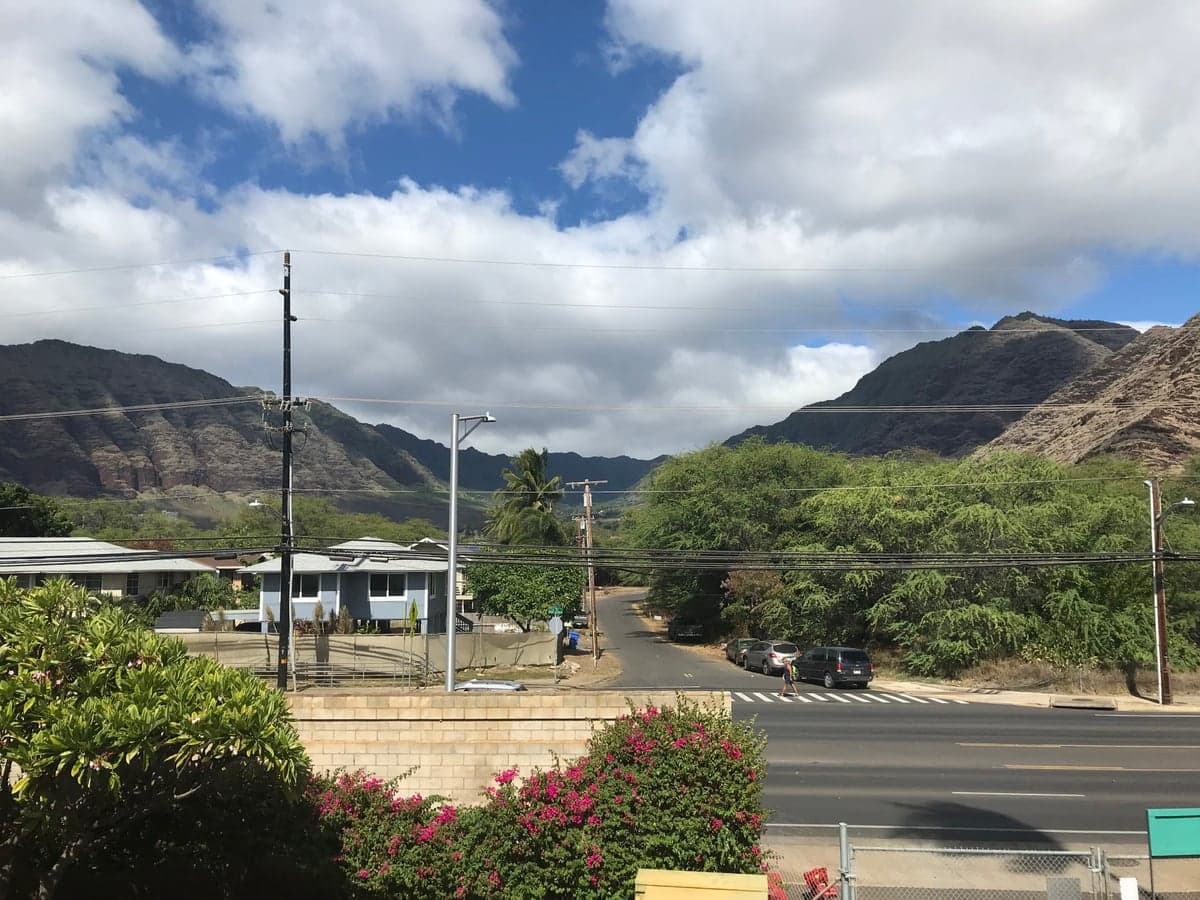
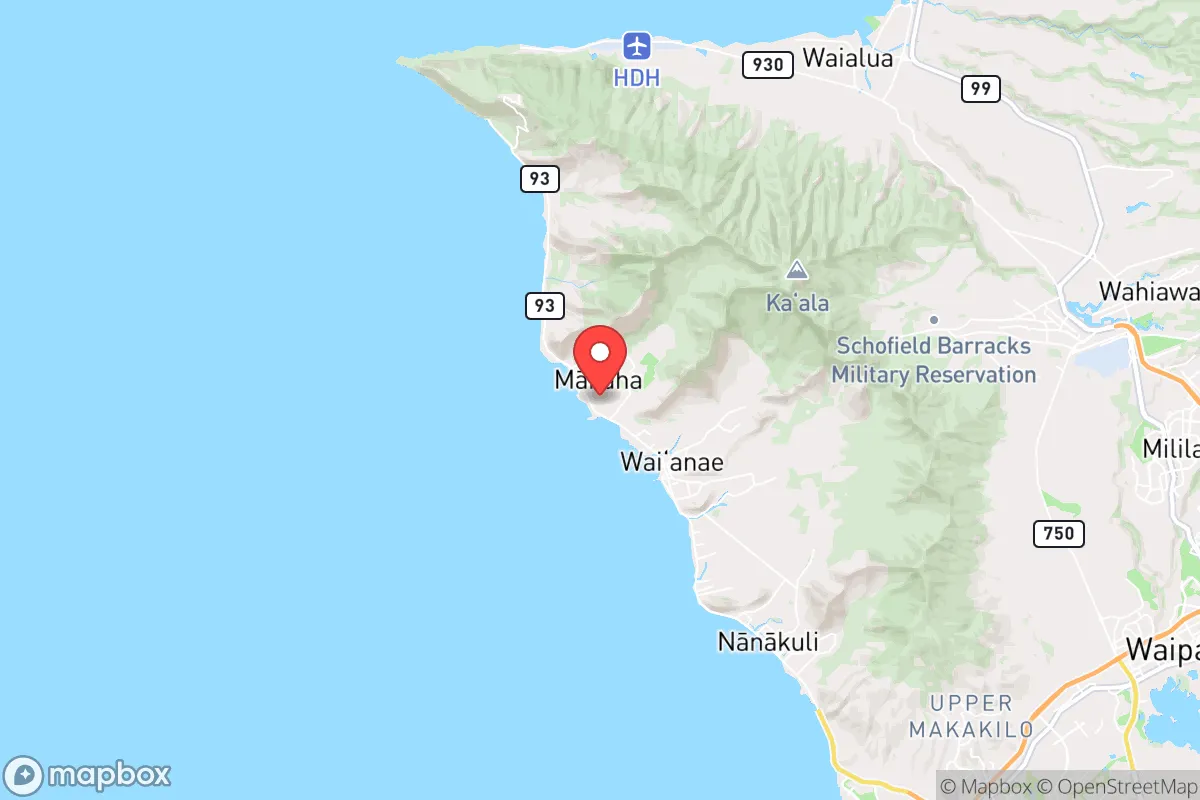
Photo: Wikipedia
Quality of Life in Makaha, HI
A high quality of life with strong walkability, manageable living costs, healthy neighborhood signals, and solid amenity access.
What does Quality of Life tell us?
Quality of Life blends cost of living, nearby amenities, socioeconomic signals, and neighborhood character. City-level scores represent the whole municipality; individual neighborhoods can differ.
What does this tell us?
Quality of Life blends cost of living, nearby amenities, socioeconomic signals, and neighborhood character. City-level scores represent the whole municipality; individual neighborhoods can differ.
Cost of Living
56% above national average
The Real Cost of Living in Makaha, HI for 2026
| Tier | Individual | Family (4) |
|---|---|---|
| Survival | $25k | $47k |
| Comfortable | $70k | $103k |
| Luxury | $103k+ | $160k+ |
| Elite (Top 5%) | $121k+ | $188k+ |
61%
The Area Signal
A metric tracking the socioeconomic signals of the area.
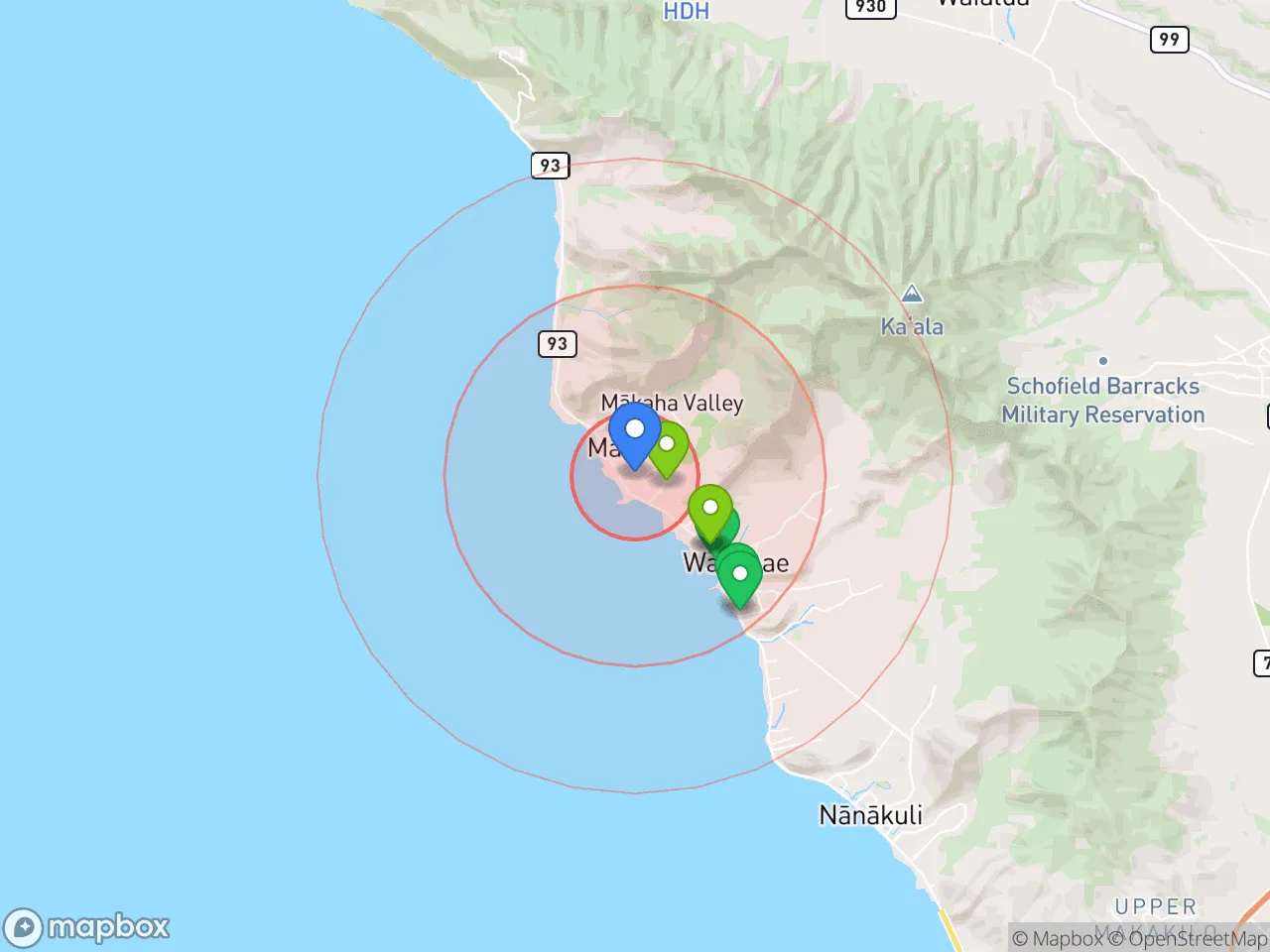
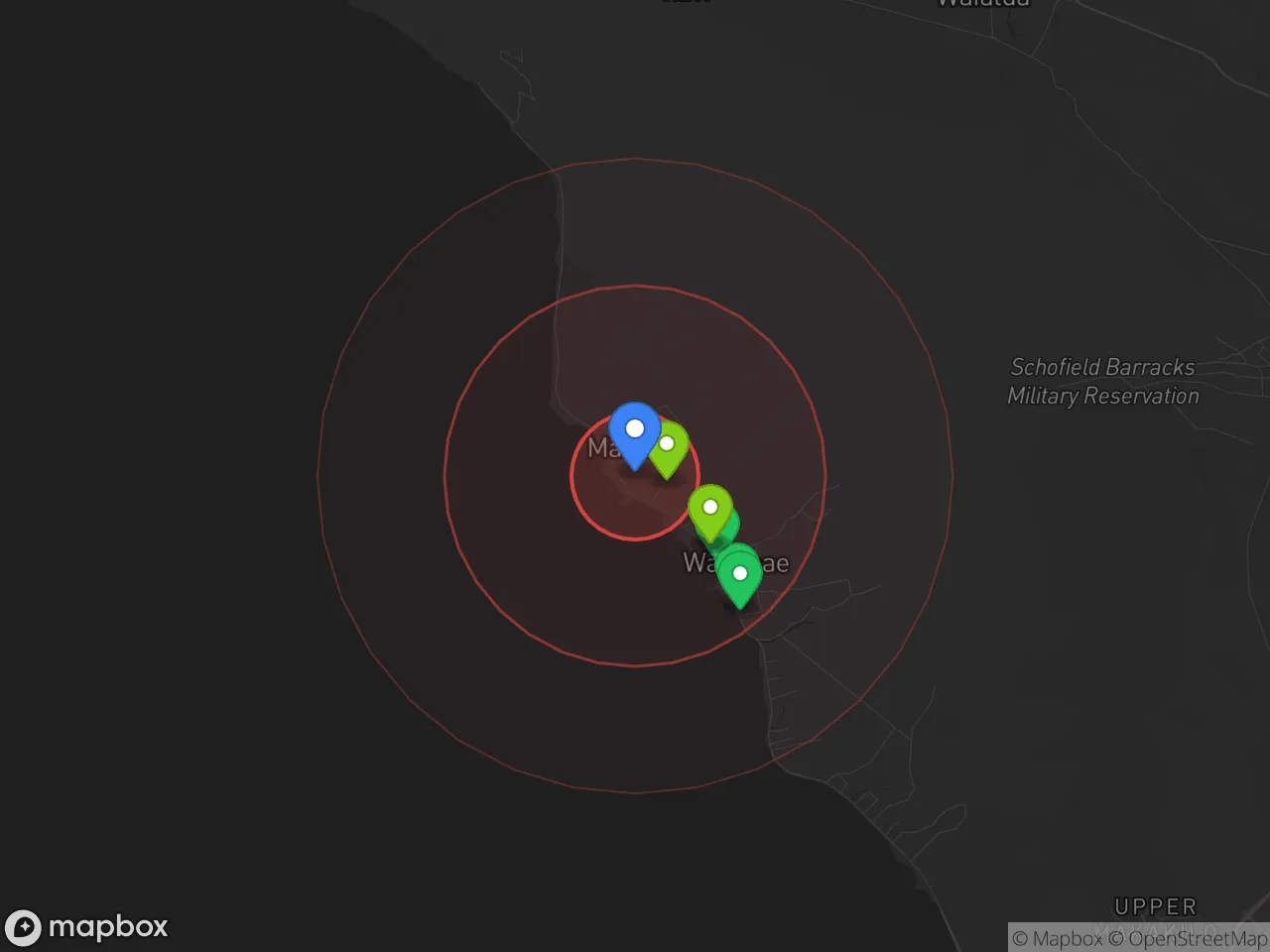
Hobbies
Explore the areaGroceries
0 within 10 miles
Gas
12 within 10 miles
Hospital
6 within 20 miles
Airport
Daniel K. Inouye International Airport
Post Office
USPS — Mililani, HI
Critical Amenities
Quality-of-Life Analysis
Makaha, located on Oahu's leeward Waianae Coast, presents a quality of life that diverges sharply from the tourist-centric image of Hawaii. With a cost of living index of 156 (56% above the U.S. average), the area is not affluent in the traditional sense; rather, it is a working-class community where many residents are Native Hawaiian or long-time local families. The median home value of $416,100 and median rent of $1,871 are significantly lower than Honolulu's averages, but still represent a heavy financial burden for households earning the area's median income of roughly $55,000. This creates a distinct demographic: people who prioritize deep community roots, ocean access, and relative quiet over high-paying jobs or luxury amenities.
Cost of living and housing affordability compared to Honolulu and the Waianae Coast
Makaha's housing market is a double-edged sword. While the median home value of $416,100 is roughly half of Honolulu's $830,000, it still requires a household income near $100,000 to afford a mortgage without severe cost burden—far above the local median. Renters fare slightly better, with median rent at $1,871, but this still consumes over 40% of a typical local income. Compared to nearby Nanakuli or Maili, Makaha's home values are about 10-15% higher, reflecting its more desirable beachfront parcels and lower crime rates relative to the central Waianae area. However, the overall cost of living index of 156 is driven heavily by groceries (index 160) and utilities (index 150), not just housing. For anyone moving from the mainland, the sticker shock is real: a gallon of milk often exceeds $8, and electricity rates are triple the national average. The trade-off is that Makaha offers some of the most affordable oceanfront living in all of Hawaii—a rare commodity that commands a premium elsewhere on Oahu.
What daily life is like for families: amenities, schools, and commute realities
Daily life in Makaha revolves around the ocean and a slower, more rural pace. The area has limited commercial infrastructure: a single grocery store (Safeway), a few local eateries like Makaha Beach Cafe, and no major shopping mall. For most errands, residents drive 15-20 minutes east to Waianae or 30 minutes to Kapolei. The public schools—Makaha Elementary and Waianae High School—serve the community but face challenges common to low-income areas, with test scores below state averages. Private options like Kamehameha Schools (Native Hawaiian preference) are a 45-minute drive. The average commute of 49.5 minutes is among the longest on Oahu, reflecting the daily grind of driving the H-1 freeway into Honolulu or Kapolei for work. Many residents work in construction, hospitality, or military support roles. The rhythm of life is punctuated by weekend beach days at Makaha Beach Park (famous for big-wave surfing) and community events at the Makaha Valley Cultural Center. For families, the trade-off is clear: less access to jobs and amenities, but more space, ocean proximity, and a tight-knit community where multi-generational living is common.
Makaha is best suited for people who value ocean lifestyle over career convenience and who have the financial flexibility to absorb Hawaii's high costs without relying on a high local salary. Remote workers with mainland incomes, retirees seeking affordable beachfront living, and families with deep local ties will find the area rewarding. Those who need short commutes, top-tier schools, or urban nightlife should look elsewhere—likely Kapolei or Honolulu. For the right person, Makaha offers a rare slice of authentic, unpolished Hawaii that is increasingly hard to find on Oahu.

Crime in Makaha, HI
Generally safer than 64% of comparable U.S. locations.
Violent CrimeViolent Crime Analysis
Property CrimeProperty Crime Analysis
Crime Analysis
Makaha, on Oahu's leeward coast, presents a mixed safety profile that diverges sharply from Hawaii's overall reputation as a low-crime paradise. The community's violent crime rate of 200.2 per 100,000 residents is notably lower than the national average of roughly 380 per 100,000, but its property crime rate of 1,586.9 per 100,000 is significantly elevated—nearly double the national median. This combination means residents face a real risk of theft and burglary, while violent incidents, though less frequent, remain a concern in a community grappling with economic challenges and limited law enforcement resources.
Crime in context
Compared to the state of Hawaii, which reports a violent crime rate around 250 per 100,000 and a property crime rate near 3,000 per 100,000, Makaha's figures are actually better for property crime but roughly in line for violent offenses. However, these averages mask a critical local dynamic: Makaha is part of the City and County of Honolulu, a jurisdiction that has seen progressive prosecution policies under recent leadership. Critics argue that a focus on rehabilitation over incarceration, while well-intentioned, has contributed to repeat property offenses and a perception that consequences for theft are minimal. This is especially relevant in Makaha, where property crime rates are already high and residents report feeling that stolen goods are rarely recovered.
What residents experience
Daily life in Makaha involves a heightened awareness of property security. Car break-ins, package thefts, and home burglaries are the most common complaints, often targeting vehicles parked at popular beach access points like Makaha Beach Park. Violent crime, while less frequent, includes incidents of assault and domestic disputes that are often tied to substance abuse and homelessness—issues that are visible along Farrington Highway. The local police substation operates with limited staffing, and response times can be slow, especially during peak tourist season when calls for service spike. Many long-term residents invest in security cameras, motion-sensor lights, and neighborhood watch participation as a practical response to the property crime threat.
Neighborhood-level variation is significant in Makaha. The gated communities and newer developments along the hillsides, such as those near Makaha Valley Road, report far fewer incidents than the older, more densely populated areas closer to the highway and beach parks. The Makaha Surfside and Makaha Beach areas see the highest concentration of theft and vandalism, while the upper valley tends to be quieter. For prospective residents, choosing a home with secure parking and good visibility from the street is a meaningful step toward reducing risk. Overall, Makaha demands a proactive approach to safety—it is not a high-violence area, but its property crime rate and the local justice system's leniency toward repeat offenders make it a location where vigilance is essential.
* Values derived from national, state, county, city and local statistics and may differ in a specific area. Last updated: 2026-05-03T08:47:46.000Z
Narrative content on this page is AI-generated and may contain mistakes. Verify any details that matter before acting on them.
ReloMaps may earn a commission from affiliate links at no extra cost to you.

