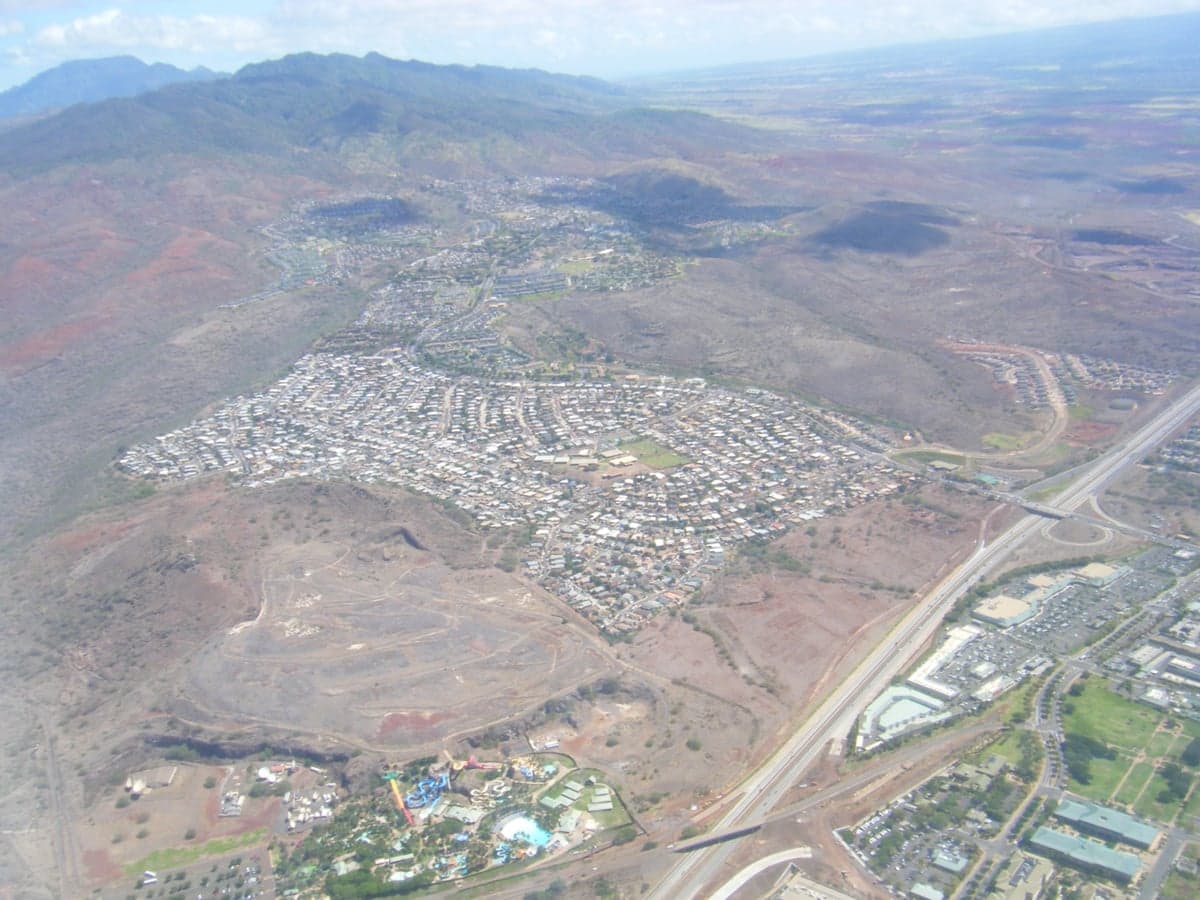
Photo: Wikipedia
Quality of Life in Makakilo, HI
A high quality of life with strong walkability, manageable living costs, healthy neighborhood signals, and solid amenity access.
What does Quality of Life tell us?
Quality of Life blends cost of living, nearby amenities, socioeconomic signals, and neighborhood character. City-level scores represent the whole municipality; individual neighborhoods can differ.
What does this tell us?
Quality of Life blends cost of living, nearby amenities, socioeconomic signals, and neighborhood character. City-level scores represent the whole municipality; individual neighborhoods can differ.
Cost of Living
131% above national average
The Real Cost of Living in Makakilo, HI for 2026
| Tier | Individual | Family (4) |
|---|---|---|
| Survival | $35k | $66k |
| Comfortable | $126k | $185k |
| Luxury | $184k+ | $286k+ |
| Elite (Top 5%) | $217k+ | $336k+ |
65%
The Area Signal
A metric tracking the socioeconomic signals of the area.
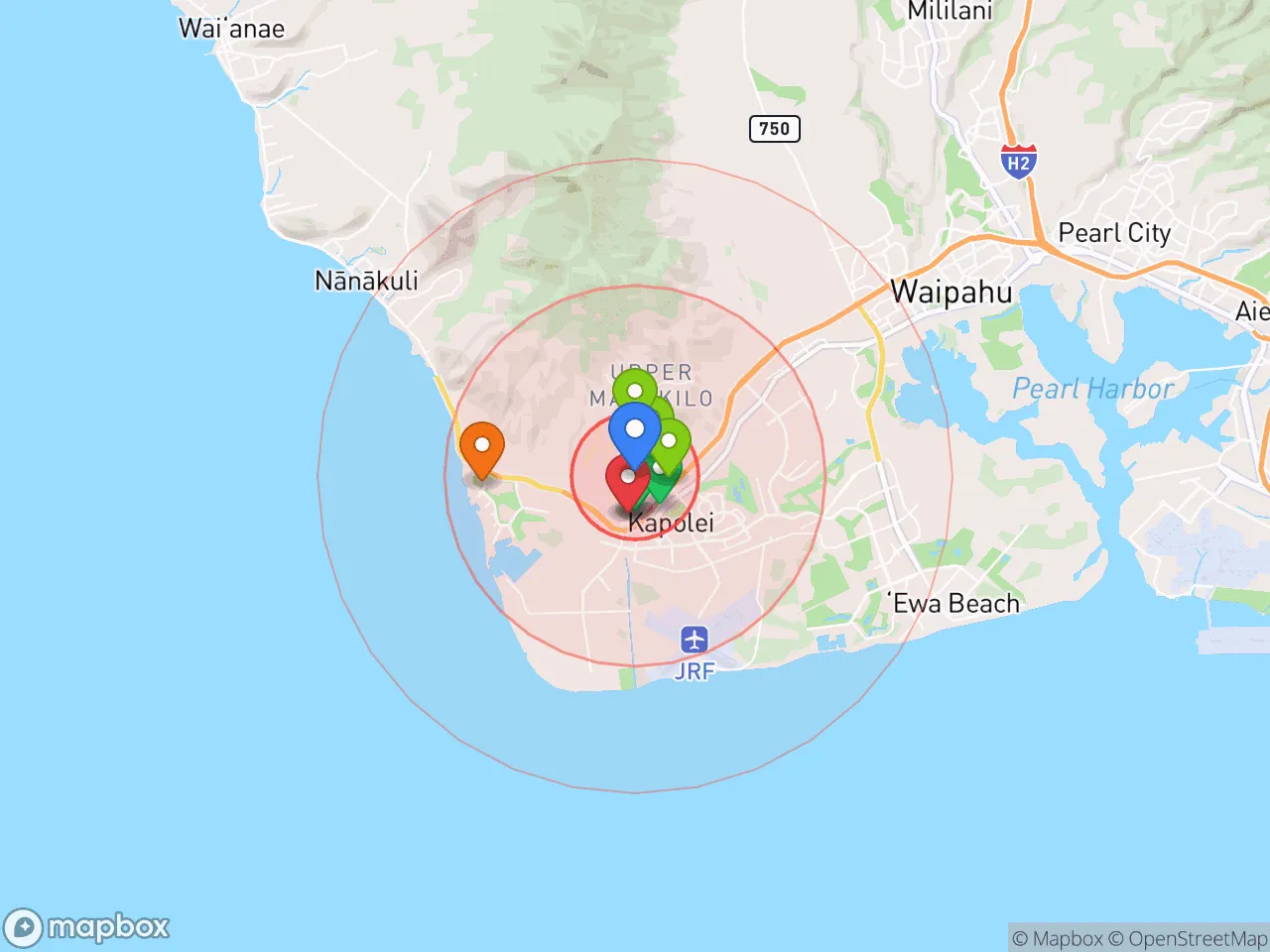
Hobbies
Explore the areaGroceries
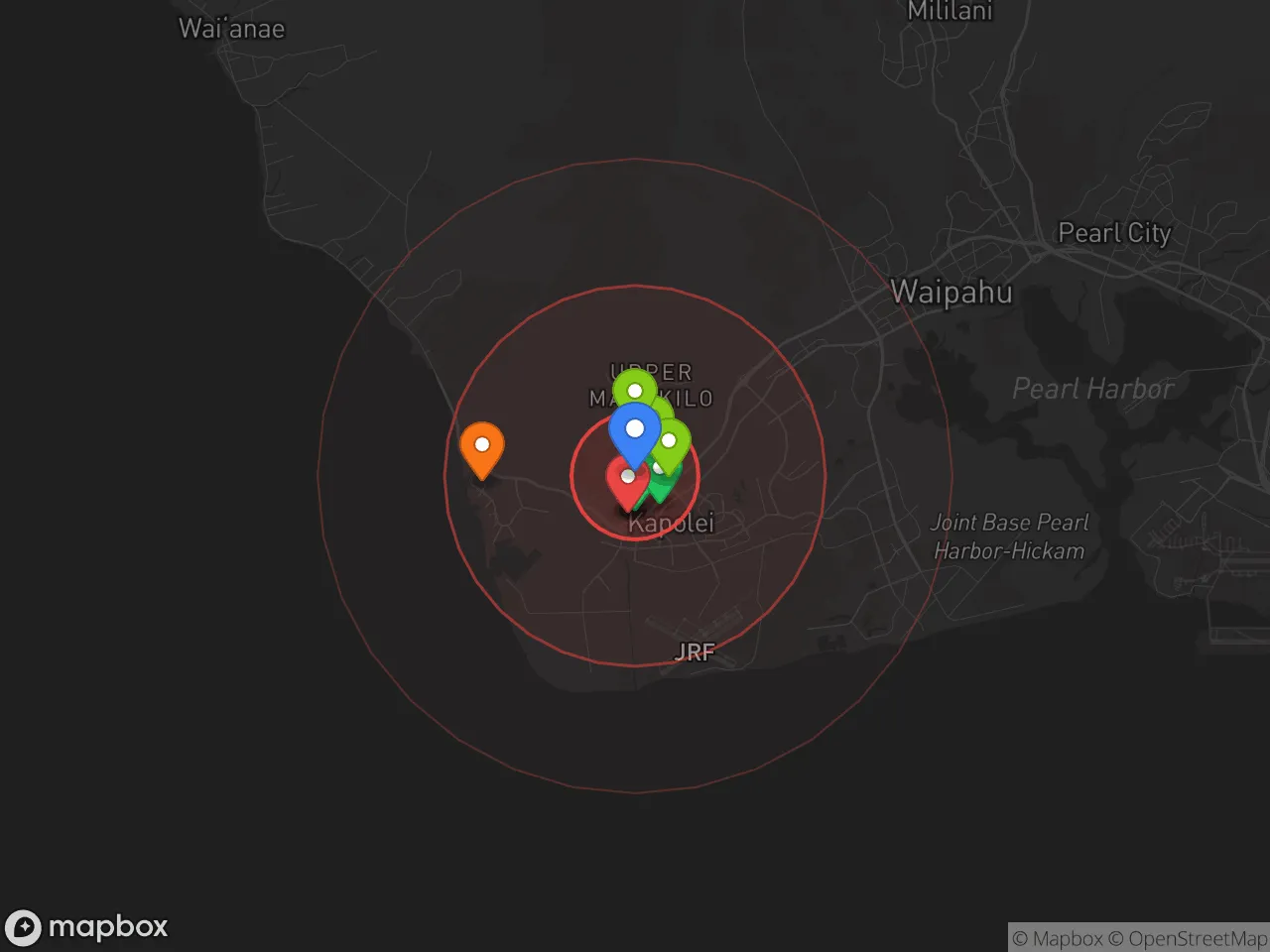
5 within 10 miles
Gas
20 within 10 miles
Hospital
14 within 20 miles
Airport
Daniel K. Inouye International Airport
Post Office
USPS — Ewa Beach, HI
Critical Amenities
Quality-of-Life Analysis
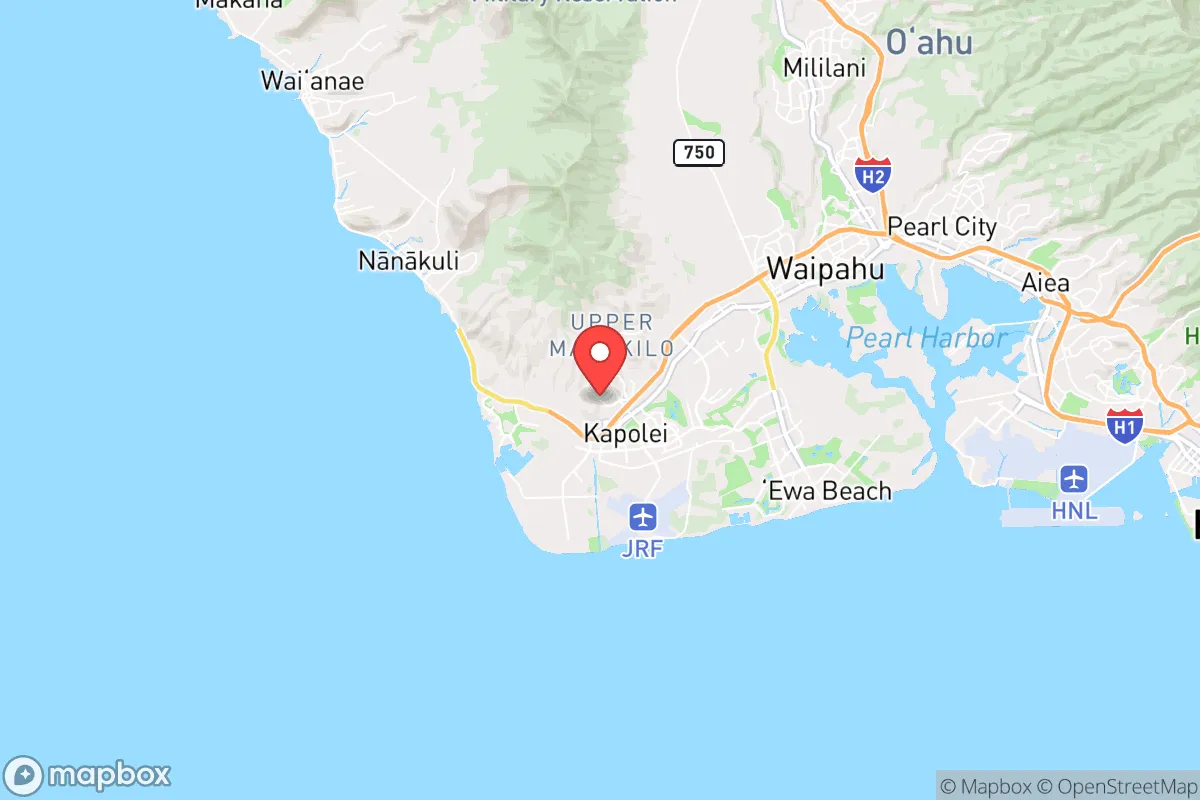
Makakilo is an affluent, family-oriented residential community on the leeward side of Oahu, situated between Kapolei and Ewa Beach. With a cost of living index of 231—more than double the U.S. average—it attracts professionals, military families, and long-term residents who prioritize suburban space, newer housing stock, and proximity to both Honolulu and the island’s west-side job centers. The area’s demographic skews toward middle-to-upper income households, many of whom work in healthcare, education, or defense at nearby Joint Base Pearl Harbor-Hickam.
Cost of living, housing prices, and affordability compared to Kapolei and Ewa Beach
Makakilo’s median home value of $827,900 is notably lower than Kapolei’s median of roughly $950,000, but higher than Ewa Beach’s $780,000, reflecting its position as a moderately priced suburban alternative within the rapidly growing West Oahu corridor. Median rent sits at $2,202, which is competitive with Kapolei ($2,300) and slightly above Ewa Beach ($2,100). Despite these figures, the overall cost of living index of 231 means everyday expenses—groceries, utilities, transportation—are roughly 130% above the national norm. The average commute of 33.5 minutes is typical for West Oahu residents, with most driving H-1 east toward Honolulu or south to Kapolei’s business district. For buyers, Makakilo offers more square footage and larger lots than comparable neighborhoods closer to town, making it a practical trade-off for space over commute time.
Schools, parks, and what daily life is like for families
Daily life in Makakilo centers on its quiet, master-planned subdivisions and access to outdoor recreation. The neighborhood is served by Makakilo Elementary (rated 7/10 on GreatSchools) and Kapolei Middle and High Schools, both of which have strong athletic and STEM programs. Kapolei Regional Park, a 10-minute drive, offers sports fields, a skate park, and a dog park, while the nearby Makakilo Community Park provides basketball courts and a playground. For shopping and dining, residents head to Kapolei Commons or the Ka Makana Alii mall, which feature major retailers, local eateries, and a movie theater. The area lacks a dense nightlife scene, but its proximity to Ko Olina’s lagoons and resorts (15 minutes west) gives families weekend beach access without the crowds of Waikiki. Commute patterns are predictable: heavy traffic toward Honolulu in the morning (6:30–8:30 a.m.) and returning west in the late afternoon, though many residents use the H-1’s zipper lane or opt for flex schedules.
Makakilo is best suited for families, military personnel, and professionals who value newer housing, suburban quiet, and access to West Oahu’s growing employment base over urban walkability or nightlife. First-time homebuyers and those relocating from mainland suburbs will find the layout and amenities familiar, though the high cost of living requires a household income well above $120,000 to comfortably afford a mortgage or rent. Retirees on fixed incomes may struggle with the expense, while remote workers will appreciate the space but face the same high utility and grocery costs as all Oahu residents. For those willing to trade a longer commute for a larger home and a tight-knit community feel, Makakilo offers one of the more balanced quality-of-life packages on the island.

Crime in Makakilo, HI
Generally safer than 64% of comparable U.S. locations.
Violent CrimeViolent Crime Analysis
Property CrimeProperty Crime Analysis
Crime Analysis
Makakilo, a residential community on the leeward side of Oahu, presents a crime profile that is notably lower than the national average but slightly elevated compared to the state of Hawaii as a whole. With a violent crime rate of 200.2 incidents per 100,000 residents and a property crime rate of 1,586.9 per 100,000, the area offers a generally safe suburban environment, though residents should remain aware of property-related risks. The community's proximity to the larger Kapolei urban center and its role as a bedroom community for Honolulu workers shape its safety dynamics.
Crime in context
Makakilo's violent crime rate of 200.2 per 100,000 is roughly 43% lower than the national median of approximately 350 per 100,000, placing it in a safer tier for a suburban area near a major metro. However, it sits about 15% above the Hawaii state average of roughly 175 per 100,000, reflecting the higher crime density found in Oahu's more populated corridors. Property crime at 1,586.9 per 100,000 is nearly 30% below the national average of around 2,200 per 100,000, but again slightly above the state figure of roughly 1,400 per 100,000. These numbers indicate that while Makakilo is not a high-crime area, it is not immune to the property theft and vehicle break-ins common across Oahu's suburban neighborhoods. The Honolulu Police Department's Kapolei District covers Makakilo, and response times are generally adequate for a suburban setting.
What residents experience
For those living in Makakilo, the most common safety concerns revolve around property crime, particularly theft from vehicles and package theft, which are typical in neighborhoods with easy freeway access. Violent crime is rare but not unheard of, with occasional incidents of assault or robbery tied to domestic disputes or isolated conflicts. The community's layout—a mix of single-family homes, townhouses, and apartment complexes—means that well-lit, active streets tend to feel safer, while more secluded cul-de-sacs or areas near the Makakilo Shopping Center see slightly higher reports of nuisance crimes. Residents often note that neighborhood watch programs and community Facebook groups are active, helping to share alerts about suspicious activity. The presence of progressive judicial policies in Hawaii's state courts, which emphasize rehabilitation and diversion over incarceration, has been cited by some local observers as a factor that can lead to repeat property offenders cycling back into neighborhoods like Makakilo, potentially undermining long-term safety for victims and the public.
Neighborhood-level variation within Makakilo is modest but worth noting. The newer subdivisions closer to the Kapolei boundary, such as those near the Makakilo Drive corridor, tend to report lower crime rates due to newer housing stock and more consistent patrols. In contrast, older sections near the Farrington Highway entrance and the Makakilo Community Park have slightly higher property crime rates, likely due to easier access for transient offenders. Overall, Makakilo is considered a safe choice for families and commuters, provided standard precautions like locking vehicles and securing packages are taken.
* Values derived from national, state, county, city and local statistics and may differ in a specific area. Last updated: 2026-04-24T00:09:51.000Z
Narrative content on this page is AI-generated and may contain mistakes. Verify any details that matter before acting on them.
ReloMaps may earn a commission from affiliate links at no extra cost to you.

