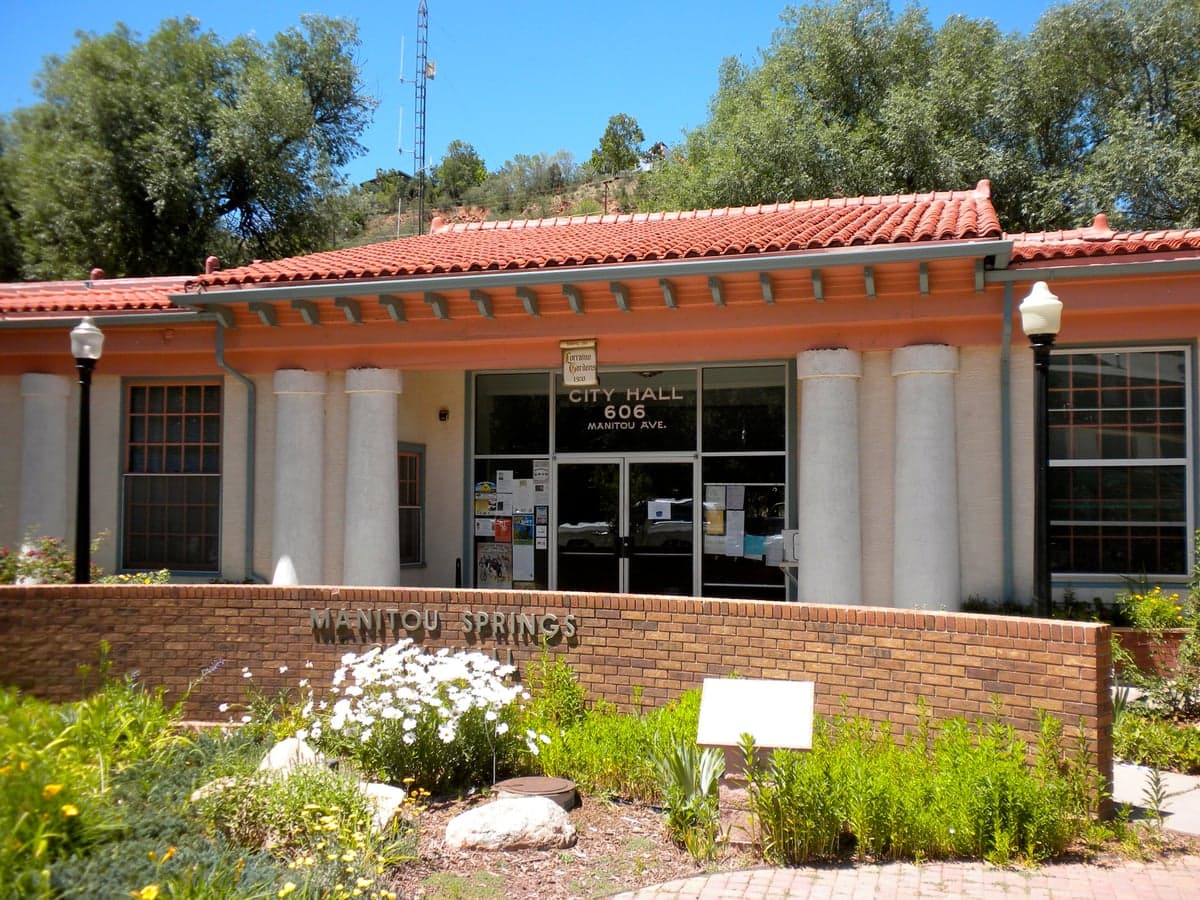
Photo: Wikipedia
Quality of Life in Manitou Springs, CO
A high quality of life with strong walkability, manageable living costs, healthy neighborhood signals, and solid amenity access.
What does Quality of Life tell us?
Quality of Life blends cost of living, nearby amenities, socioeconomic signals, and neighborhood character. City-level scores represent the whole municipality; individual neighborhoods can differ.
What does this tell us?
Quality of Life blends cost of living, nearby amenities, socioeconomic signals, and neighborhood character. City-level scores represent the whole municipality; individual neighborhoods can differ.
Cost of Living
38% above national average
The Real Cost of Living in Manitou Springs, CO for 2026
| Tier | Individual | Family (4) |
|---|---|---|
| Survival | $19k | $35k |
| Comfortable | $102k | $150k |
| Luxury | $138k+ | $214k+ |
| Elite (Top 5%) | $176k+ | $273k+ |
51%
The Area Signal
A metric tracking the socioeconomic signals of the area.
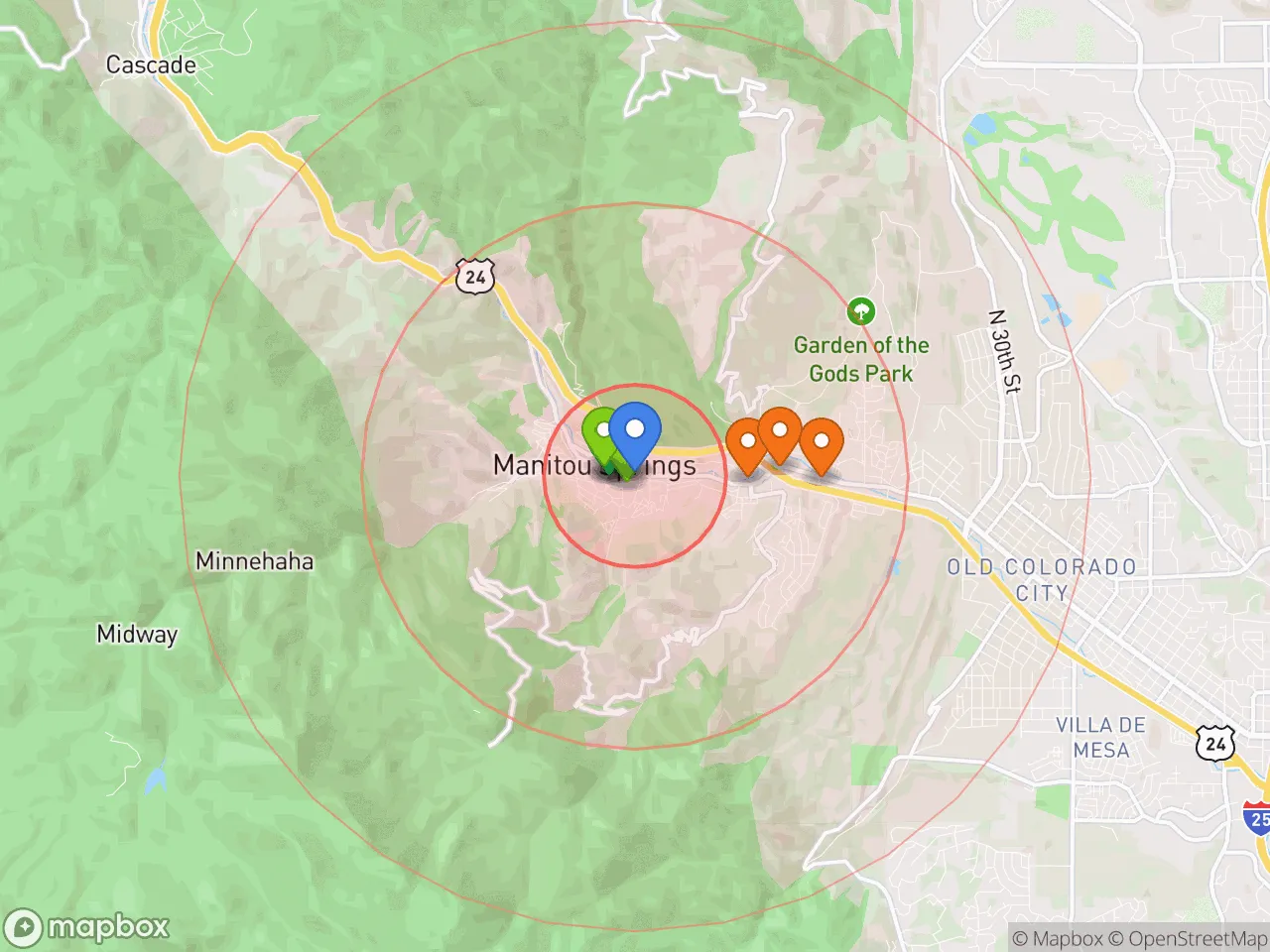
Hobbies
Explore the areaGroceries
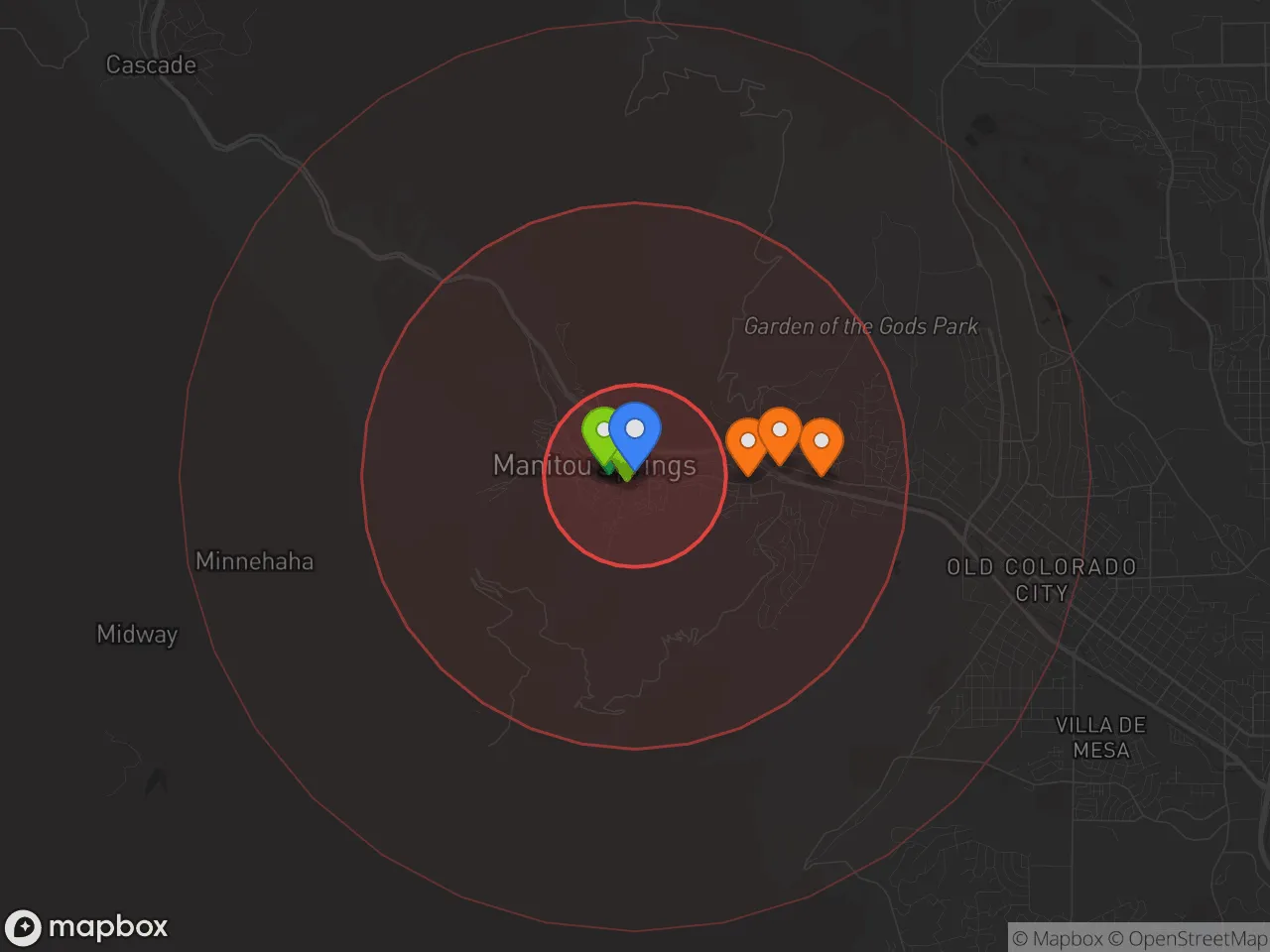
6 within 10 miles
Gas
20 within 10 miles
Hospital
13 within 20 miles
Airport
DEN — Denver International
Post Office
USPS — 307 Cañon Avenue, CO
Critical Amenities
Quality-of-Life Analysis
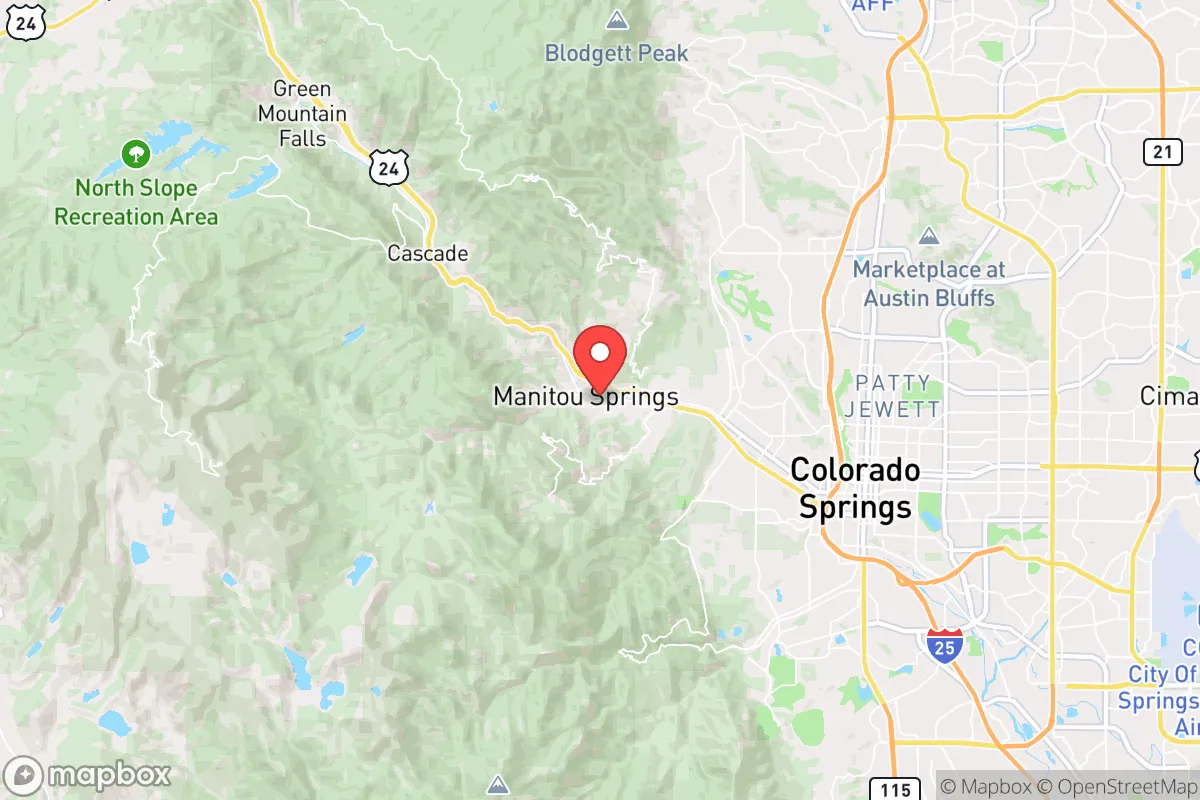
Manitou Springs, Colorado, is an affluent and culturally distinct enclave nestled at the base of Pikes Peak, attracting a mix of artists, outdoor enthusiasts, and remote professionals drawn to its historic charm and natural setting. With a cost of living index of 138 (38% above the U.S. average), the area is notably more expensive than the national norm but remains a relative value compared to neighboring Colorado Springs, where median home values often exceed $600,000. The population skews toward higher education levels and median incomes, though the town’s bohemian character and tight-knit community also include a significant number of service workers and creatives who balance the area’s affluence with a laid-back, countercultural vibe.
Cost of living, housing affordability, and how it compares to Colorado Springs
Housing in Manitou Springs is the primary driver of its elevated cost of living, with a median home value of $545,800—roughly 10% lower than the Colorado Springs metro median of $600,000, but still well above the national average. Renters fare somewhat better: the median rent of $1,175 is notably below the Colorado Springs average of $1,450, making Manitou a more accessible option for those not ready to buy. The average commute of 25.5 minutes is slightly longer than the national average of 26 minutes, reflecting the fact that many residents work in Colorado Springs (a 10- to 15-minute drive via U.S. 24) or in Denver (a 90-minute commute each way). Property taxes in El Paso County are relatively low, around 0.5% of assessed value, which helps offset the high purchase prices. However, the limited housing inventory—fewer than 50 homes typically on the market at any time—creates a competitive environment where offers often go above asking price.
Local amenities, schools, and what daily life feels like
Daily life in Manitou Springs revolves around its walkable downtown, which features mineral springs, independent art galleries, and the historic Manitou Incline—a steep hiking trail that draws fitness enthusiasts from across the region. The town’s public schools, part of the Manitou Springs School District 14, are highly rated, with Manitou Springs High School earning a 9/10 on GreatSchools and a 95% graduation rate. The district’s small size (about 1,200 students total) fosters close teacher-student relationships, though families seeking more specialized programs often commute to Colorado Springs’ larger schools. Groceries and shopping are limited to a small Safeway and local boutiques, so most residents drive to Colorado Springs for major errands. The town’s rhythm is distinctly seasonal: summer brings heavy tourist traffic (over 2 million visitors annually to the Pikes Peak region), while winter offers quieter streets and easier access to outdoor recreation like snowshoeing at Mueller State Park.
Manitou Springs is best suited for those who prioritize walkability, historic character, and outdoor access over suburban convenience or low housing costs. Remote workers and retirees with flexible incomes will find the cost of living manageable, while families should weigh the trade-off between excellent schools and limited housing options. The town’s strong sense of community—evident in events like the annual Emma Crawford Coffin Races—and its proximity to Colorado Springs’ jobs and amenities make it a compelling choice for those who can afford the premium. However, budget-conscious buyers or renters may find better value in nearby Fountain or Security-Widefield, where median home values hover around $400,000 and rents average $1,200.

Crime in Manitou Springs, CO
Generally safer than 72% of comparable U.S. locations.
Violent CrimeViolent Crime Analysis
Property CrimeProperty Crime Analysis
Crime Analysis
Manitou Springs presents a mixed safety profile for potential residents. The town’s violent crime rate of 242.2 per 100,000 residents is below the national average, but its property crime rate of 1,541.2 per 100,000 is significantly elevated, placing it above both state and national benchmarks. This combination means that while the risk of a violent encounter is relatively low, the likelihood of experiencing theft, burglary, or vehicle break-ins is a tangible concern for those living in or visiting this popular tourist destination.
Crime in context
When compared to Colorado’s statewide averages, Manitou Springs’ violent crime rate is roughly on par, but its property crime rate is substantially higher. The national property crime rate sits around 1,950 per 100,000, meaning Manitou Springs is slightly below that national figure, but it still outpaces many comparable small mountain towns. A critical factor for readers to weigh is the broader judicial environment in El Paso County and the Colorado Springs metro area. While El Paso County itself is not known for a heavily progressive bench, the surrounding 4th Judicial District has seen trends toward diversion programs and reduced sentencing for property and drug offenses. This progressive approach to criminal justice, while intended to reduce recidivism, can result in repeat property offenders cycling through the system quickly, directly contributing to the elevated property crime numbers residents face. The practical effect is that a stolen bike or a smashed car window may not lead to a swift or meaningful consequence for the offender, placing the burden of prevention squarely on the homeowner.
What residents experience
Daily life in Manitou Springs is shaped more by property crime than by violent threats. Residents commonly report thefts from unlocked vehicles, package porch piracy, and occasional burglaries of vacation rentals and sheds. The town’s compact, walkable layout and heavy tourist traffic create opportunities for transient crime. Vehicle break-ins are the most frequently reported incident, particularly in lots near the Incline, Barr Trail, and downtown commercial areas. Violent crime is rare and typically confined to domestic disputes or incidents involving individuals known to one another, meaning random attacks on the street are uncommon. The overall violent crime rate of 242.2 per 100,000 is roughly half the national average, offering reassurance for those concerned about personal safety while walking or hiking alone.
Neighborhood-level variation
Safety conditions vary noticeably within Manitou Springs. The historic downtown core and the areas immediately adjacent to tourist attractions see the highest concentration of property crime, driven by foot traffic and vehicle density. Residential neighborhoods farther up the hillsides, such as Crystal Hills or the area near Manitou Springs High School, report fewer incidents. Homes with off-street parking and private garages experience significantly lower rates of vehicle-related theft. Conversely, properties near the main thoroughfares of Manitou Avenue and Ruxton Avenue are more vulnerable. For those considering a move, prioritizing a home with a locked garage and a well-lit, visible driveway is a practical step to mitigate the area’s primary safety risk.
* Values derived from national, state, county, city and local statistics and may differ in a specific area. Last updated: 2026-04-29T00:41:38.000Z
Narrative content on this page is AI-generated and may contain mistakes. Verify any details that matter before acting on them.
ReloMaps may earn a commission from affiliate links at no extra cost to you.

