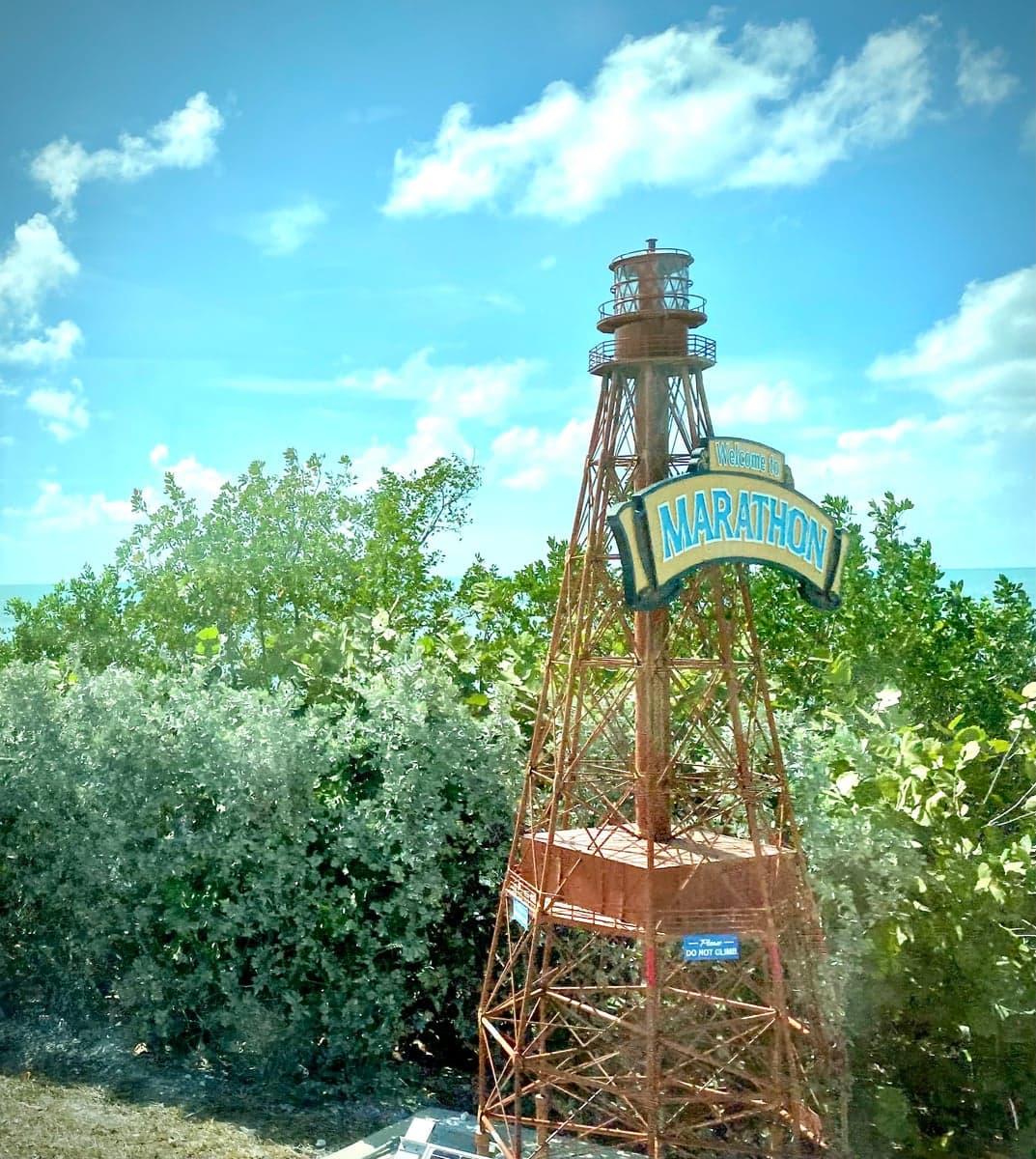
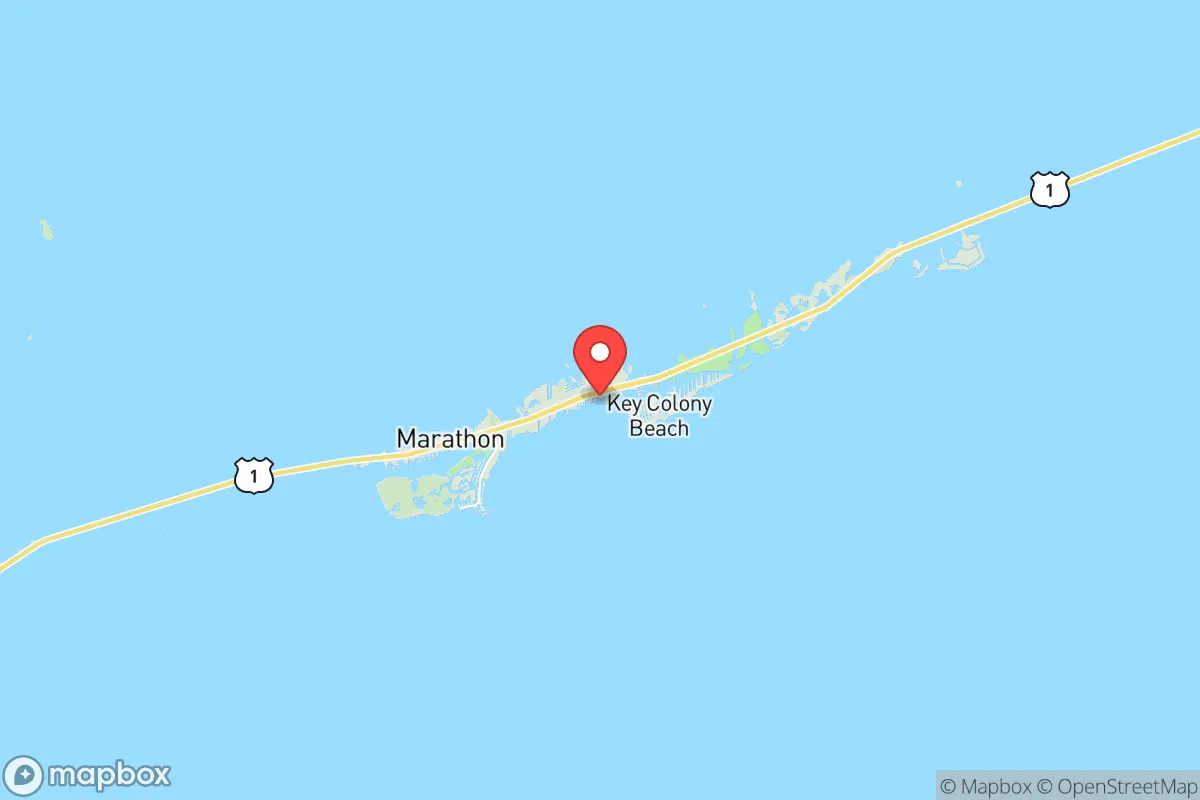
Photo: Wikipedia
Quality of Life in Marathon, FL
A high quality of life with strong walkability, manageable living costs, healthy neighborhood signals, and solid amenity access.
What does Quality of Life tell us?
Quality of Life blends cost of living, nearby amenities, socioeconomic signals, and neighborhood character. City-level scores represent the whole municipality; individual neighborhoods can differ.
What does this tell us?
Quality of Life blends cost of living, nearby amenities, socioeconomic signals, and neighborhood character. City-level scores represent the whole municipality; individual neighborhoods can differ.
Cost of Living
79% above national average
The Real Cost of Living in Marathon, FL for 2026
| Tier | Individual | Family (4) |
|---|---|---|
| Survival | $25k | $48k |
| Comfortable | $109k | $160k |
| Luxury | $146k+ | $226k+ |
| Elite (Top 5%) | $188k+ | $291k+ |
50%
The Area Signal
A metric tracking the socioeconomic signals of the area.
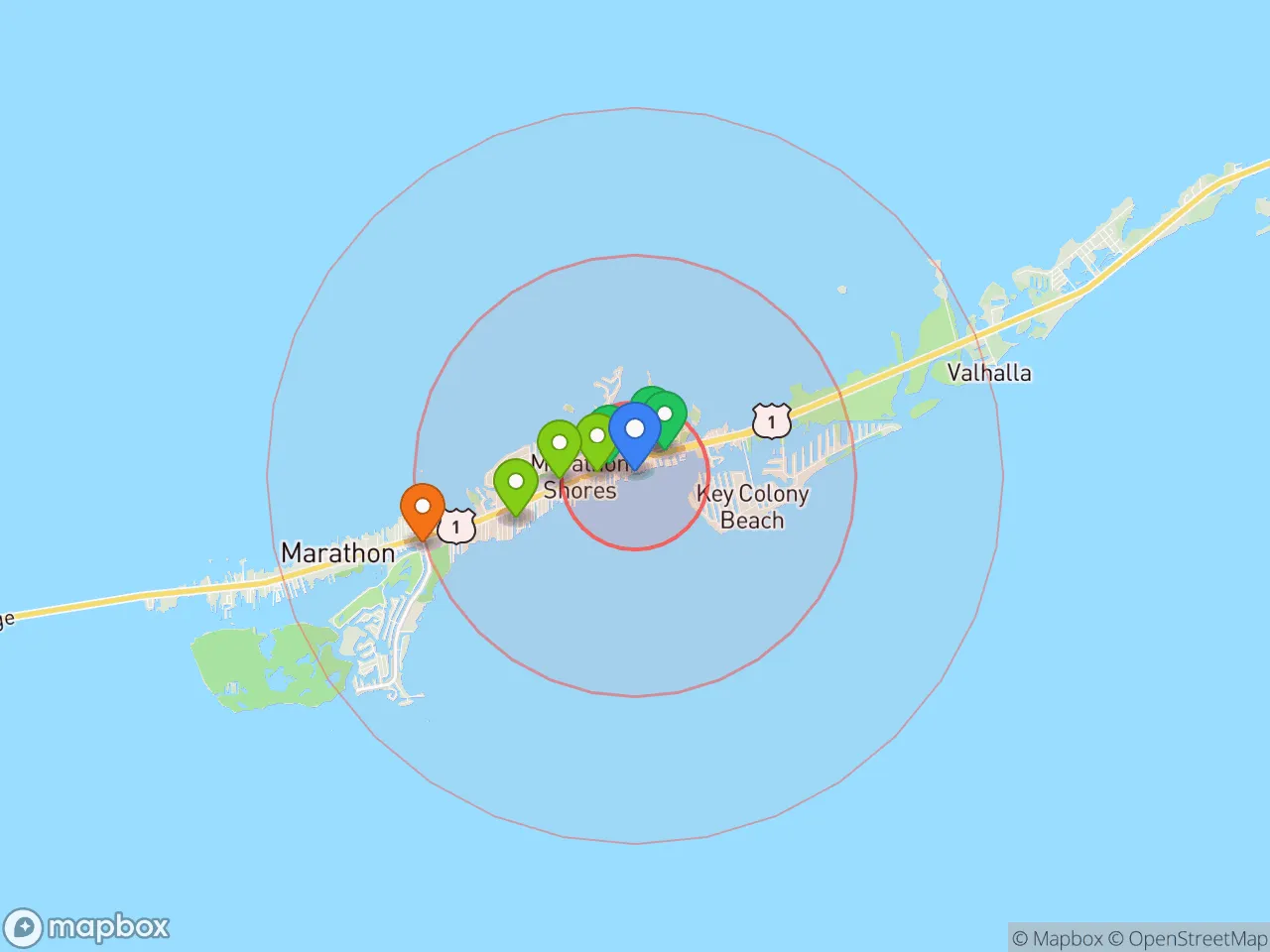
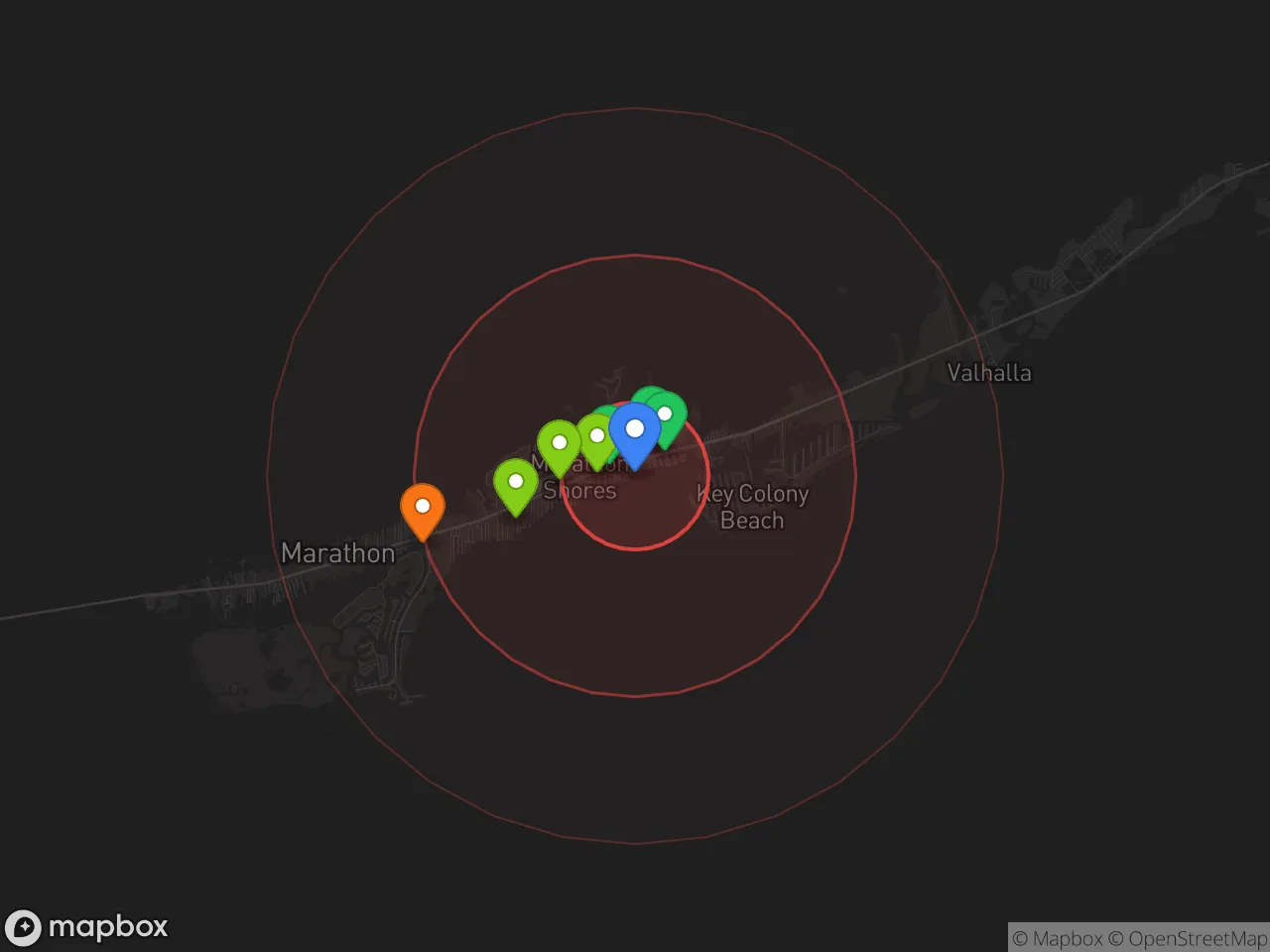
Hobbies
Explore the areaGroceries
2 within 10 miles
Gas
7 within 10 miles
Hospital
1 within 20 miles
Airport
MIA — Miami International
Post Office
USPS — Marathon, FL
Critical Amenities
Quality-of-Life Analysis
Marathon, Florida, is an affluent island community in the heart of the Florida Keys, where the cost of living index of 179 (79% above the U.S. average) reflects its status as a premium coastal enclave. The population skews toward high-net-worth retirees, second-home owners, and professionals in marine tourism, hospitality, and remote tech work who prioritize oceanfront living over budget-friendly convenience. With a median home value of $683,700 and a median rent of $1,592, Marathon attracts those who can afford a trade-off: higher expenses for direct access to the Gulf of Mexico and Atlantic Ocean, world-class fishing, and a tight-knit, slow-paced island culture.
Cost of living, housing affordability, and how Marathon compares to the mainland
Marathon’s cost of living index of 179 is roughly 80% higher than the national average and significantly steeper than nearby mainland cities like Homestead (index ~110) or Florida City (index ~105). The median home value of $683,700 is more than double the national median of around $350,000, placing homeownership out of reach for most middle-income households. Renting offers a relative bargain: the median rent of $1,592 is only about 10% above the national median, but rental inventory is extremely tight, with few multi-family units available. Groceries, utilities, and healthcare also carry a Keys premium, often 15–25% above mainland prices due to shipping costs and limited competition. The average commute of 28 minutes is deceptively short for the Keys, as many residents drive the Overseas Highway (U.S. 1) to jobs in Key West or Islamorada, but traffic congestion during snowbird season (November–April) can double that time.
What daily life is like for families, retirees, and remote workers
Daily life in Marathon revolves around the water: residents spend weekends boating, snorkeling at Sombrero Reef, fishing off the Seven Mile Bridge, or kayaking through the mangroves of Crane Point. The area’s amenities are modest but functional—a single Publix grocery store, a handful of locally owned restaurants (e.g., Keys Fisheries, Castaway Waterfront), and a small hospital (Fishermen’s Community Hospital) with limited specialty care. Families rely on Marathon High School and Stanley Switlik Elementary, both part of Monroe County Schools, which consistently rank among Florida’s top districts for test scores and graduation rates. For daily errands, residents drive 10–15 minutes to the Marathon Shopping Center, but for big-box retail or major medical services, a 45-minute drive to Key West or a 90-minute drive to Homestead is typical. The pace is deliberately slow—many businesses close by 6 p.m., and nightlife is limited to a few tiki bars and waterfront lounges.
Who will thrive in Marathon’s unique island environment
Marathon is best suited for affluent retirees, marine-industry professionals, and remote workers with high incomes who value outdoor recreation and quiet island living over urban convenience. Families with school-age children will find strong public schools and a safe, low-crime environment, but should budget for higher housing costs and limited after-school activities. Young professionals and budget-conscious renters may struggle with the high cost of living and limited job market outside tourism and hospitality. Ultimately, Marathon rewards those who can afford its premium—offering unparalleled access to the Florida Keys’ natural beauty, a tight community, and a lifestyle that prioritizes sun, sea, and serenity over speed and sprawl.

Crime in Marathon, FL
Generally safer than 73% of comparable U.S. locations.
Violent CrimeViolent Crime Analysis
Property CrimeProperty Crime Analysis
Crime Analysis
Marathon, Florida, presents a mixed safety profile for prospective residents. The city’s violent crime rate of 166.8 incidents per 100,000 people is significantly lower than both the Florida state average and the national median, indicating a relatively low risk of serious personal offenses. However, the property crime rate of 735.6 per 100,000 is a more pressing concern, exceeding the national average and suggesting that theft and burglary are the primary safety issues in this island community.
Crime in context
When compared to broader benchmarks, Marathon’s violent crime rate is roughly half the national average, placing it among safer communities for violent offenses like assault and robbery. The property crime rate, however, tells a different story. At 735.6 per 100,000, it is approximately 10% higher than the national average and notably above the Florida state average. This disparity means that while a resident is unlikely to be a victim of a violent crime, the risk of property theft—particularly from vehicles, vacation rentals, and unsecured homes—is elevated. The city’s status as a tourist destination and its transient population likely contribute to these property crime figures.
What residents experience
Daily life in Marathon for most residents involves a heightened awareness of property security. Common reports include thefts from unlocked cars, bicycle thefts, and occasional burglaries of seasonal homes. The Monroe County Sheriff’s Office, which patrols the unincorporated areas and works closely with Marathon’s police department, maintains a visible presence, but the geography of the Keys—with limited exit routes—can paradoxically make it easier for criminals to target tourist-heavy areas. Residents typically adopt proactive measures: securing boats and vehicles, using outdoor lighting, and participating in neighborhood watch programs. The low violent crime rate means that most people feel safe walking during the day and in their own neighborhoods, but the property crime numbers warrant caution, especially for those leaving homes unattended for extended periods.
Neighborhood-level variation in Marathon is notable. The more established, residential areas like Key Colony Beach and the gated communities along Gulfside Drive tend to report lower crime rates due to higher property values, private security, and tighter-knit communities. In contrast, areas with a high concentration of vacation rentals, such as those near the 7 Mile Bridge and the commercial corridor along U.S. 1 (Overseas Highway), see a disproportionate share of property crimes, particularly during the peak tourist season from December to April. Prospective residents should prioritize properties with off-street parking, secure storage, and a history of low incident reports when choosing a specific location within Marathon.
* Values derived from national, state, county, city and local statistics and may differ in a specific area. Last updated: 2026-05-14T01:41:43.000Z
Narrative content on this page is AI-generated and may contain mistakes. Verify any details that matter before acting on them.
ReloMaps may earn a commission from affiliate links at no extra cost to you.

