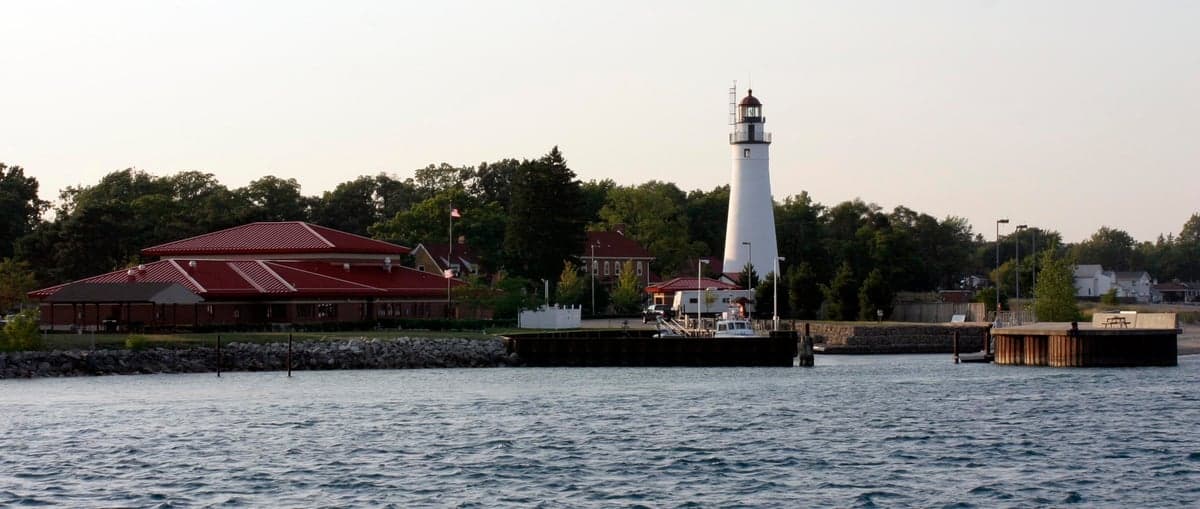
Photo: Wikipedia
Quality of Life in St Clair County
A livable area that tracks near national norms for affordability, walkability, and neighborhood health.
What does Quality of Life tell us?
Quality of Life measures an area by evaluating factors like cost of living, nearby amenities, country club access, airport proximity, socioeconomic signals and neighborhood character. For large states, this is a general average — quality of life can vary dramatically between metro areas, suburbs, and rural communities within the same state.
What does this tell us?
Quality of Life measures an area by evaluating factors like cost of living, nearby amenities, country club access, airport proximity, socioeconomic signals and neighborhood character. For large states, this is a general average — quality of life can vary dramatically between metro areas, suburbs, and rural communities within the same state.
Cost of Living
18% below national average
114%
The Real Cost of Living in St Clair County for 2026
| Tier | Individual | Family (4) |
|---|---|---|
| Survival | $16k | $30k |
| Comfortable | $42k | $61k |
| Luxury | $115k+ | $177k+ |
| Elite (Top 5%) | $135k+ | $209k+ |
Quality-of-Life Analysis
St Clair County, Michigan, offers one of the most pronounced urban-to-rural quality-of-life spectrums in the Great Lakes Bay region, anchored by the Blue Water Bridge city of Port Huron and stretching through agricultural flatlands to the northern shores of Lake Huron. With a cost of living index of 82 (18% below the U.S. average), a median home value of $213,900, and median rent of $999, the county attracts both commuters seeking affordability and retirees looking for waterfront tranquility. The character shifts dramatically from the historic riverfront streets of Port Huron to the quiet, unincorporated crossroads of Fargo and the resort-style lake communities along the southern coastline.
Largest town(s) & population centers
Port Huron is the county seat and undisputed population hub, home to roughly 28,000 residents and the terminus of I-94 from Detroit. Daily life here revolves around the St. Clair River waterfront, the Thomas Edison Depot Museum, and a walkable downtown anchored by the McMorran Place arena and entertainment complex. The city offers the county's densest mix of services—from McLaren Port Huron hospital to St. Clair County Community College—and its housing stock skews older, with many pre-war homes near the river priced well below the county median. Just south, Fort Gratiot functions as the retail and commercial spine of the county, hosting the Birchwood Mall and the region's largest concentration of big-box stores along Krafft Road. Marysville, a riverfront city of about 9,500, sits between the two and offers a quieter, more residential alternative with a small downtown and direct access to the River Walk. These three communities form a continuous suburban corridor along the water, where the average commute of 28.7 minutes is driven largely by residents heading west to jobs in Macomb County or north to the Blue Water Bridge crossing into Canada.
Smaller towns & rural pockets
Venture inland or north, and the county transforms into a patchwork of small villages and unincorporated farming communities. Yale, in the county's southwest corner, is a classic agricultural service town of about 1,900 residents, known for its annual Yale Bologna Festival and a Main Street lined with independent hardware stores and diners. Marine City, on the river south of Marysville, retains a working waterfront with a ferry to Sombra, Ontario, and a historic downtown of Victorian storefronts that has become a magnet for antique shoppers. Further north, Lexington is the county's most distinctive lakeside village—a summer resort community with a state harbor, a mile-long boardwalk, and a seasonal population that swells from 1,000 to over 5,000 in July. The interior is dotted with unincorporated hamlets like Fargo, Allenton, and Mussey, where grain elevators and century-old farmhouses dominate the landscape and the nearest grocery store can be a 15-minute drive. Emmett and Wales Township in the west offer large-acreage lots and a genuinely rural lifestyle, with property taxes among the lowest in the county due to minimal municipal services.
Cost & lifestyle range
The cost spread across the county is wider than the aggregate numbers suggest. At the low end, Port Huron's south side and Kimball Township offer entry-level homes—many three-bedroom bungalows—in the $120,000 to $160,000 range, with rents for two-bedroom apartments frequently below the $999 county median. At the high end, Lexington's lakefront and St. Clair's historic riverfront district command $400,000 to $700,000 for water-view properties, and newer subdivisions in Fort Gratiot and China Township routinely list in the $300,000s. The lifestyle trade-off is clear: Port Huron and Marysville offer walkable amenities, events, and the shortest commutes to Detroit-area employment, while the northern and western townships trade convenience for space, privacy, and lower per-acre costs. Utilities and groceries run slightly below state averages, but property taxes vary meaningfully—Port Huron's city millage funds robust parks and snow removal, while rural townships like Brockway and Kenockee keep levies minimal but require residents to rely on private wells and septic systems.
The county's sweet spot is its middle: communities like St. Clair (population 5,400) and Capac (population 1,900) deliver small-town character with reasonable commutes and home prices near the county median. Families with school-age children often gravitate to the Port Huron or Marysville districts for their broader extracurricular offerings, while retirees and remote workers increasingly choose Lexington and the Lake Huron shoreline for its low cost of living paired with genuine natural beauty. Those who thrive here are typically comfortable with a slower pace, willing to drive for specialty shopping, and value the fact that a $213,900 median home buys a detached house with a yard—something increasingly out of reach in metro Detroit. The county rewards patience: it lacks the nightlife and cultural density of an urban core, but offers a rare combination of water access, agricultural heritage, and housing affordability that few Michigan counties can match.

Crime in St Clair County
Crime rates similar to the national median for U.S. locations.
Violent CrimeViolent Crime Analysis
Property CrimeProperty Crime Analysis
Crime Analysis
St Clair County, Michigan, sits at a crossroads between the Detroit metro’s urban pressures and the rural character of the Thumb region, and its safety picture reflects that split. The county’s violent crime rate of 417.5 per 100,000 residents is roughly 14% higher than the national average, while its property crime rate of 1,259 per 100,000 runs about 10% above the U.S. baseline. These figures place St Clair County in a middle tier among Michigan’s 83 counties—safer than Wayne County to the south, but measurably more dangerous than the rural counties to the north.
Crime in context
Michigan’s statewide violent crime rate sits near 460 per 100,000, meaning St Clair County’s 417.5 figure is actually about 9% below the state average. The property crime picture is less favorable: the county’s 1,259 per 100,000 rate is roughly 6% above Michigan’s statewide property crime average. The gap between these two numbers matters for residents—violent crime here is a real but less frequent threat, while theft, burglary, and vehicle break-ins are the more common daily irritants. When compared to the national picture, St Clair County’s violent crime rate is elevated but not extreme; the county is not in the same category as high-violence urban centers like Detroit or Flint, both of which post rates two to three times higher.
What residents experience
Crime in St Clair County is not evenly distributed across its 27 municipalities. The county’s two largest cities, Port Huron and Marysville, account for a disproportionate share of reported incidents. Port Huron, with roughly 28,000 residents, posts a violent crime rate that is nearly double the county average, driven largely by drug-related offenses and domestic violence calls. Marysville, immediately south of Port Huron, sees elevated property crime tied to its commercial corridors along Michigan Highway 25. By contrast, the inland communities of Capac, Yale, and Emmett consistently report the lowest crime rates in the county, with violent crime near zero in most years and property crime limited to occasional rural thefts. The county’s southern tier—including China Township and St Clair Township—falls in between, with suburban-style crime patterns: package theft, garage break-ins, and the occasional car theft, but little violent crime.
Residents in the county’s more populated areas should be aware that St Clair County’s criminal justice system operates under a prosecutorial philosophy that leans toward rehabilitation over incarceration. The county prosecutor’s office has adopted diversion programs for nonviolent offenders and has shown reluctance to pursue mandatory minimum sentences in drug cases. While this approach reduces jail overcrowding, it also means that repeat property offenders—particularly those connected to the region’s opioid trade—often cycle back into the community quickly. For victims, this can translate into frustration: restitution orders are frequently issued but rarely enforced, and property crime cases are often pled down to misdemeanors. The county’s 72nd District Court, which handles cases from Port Huron and surrounding areas, has a reputation among local law enforcement for lenient bond decisions, allowing suspects to return to the street while awaiting trial.
Neighborhood-level variation is significant. Within Port Huron, the area around the downtown waterfront and the blocks immediately east of the St Clair River see the highest concentration of violent incidents, while the city’s north end and the Pine Grove Park neighborhood are markedly safer. In the county’s unincorporated areas, crime clusters near the Interstate 94 and Interstate 69 corridors, where transient populations and drug trafficking routes intersect. For families considering a move, the safest bet is the county’s rural interior—townships like Brockway and Grant report violent crime rates below 50 per 100,000, a fraction of the county average. The tradeoff is distance: these communities are 20 to 30 minutes from Port Huron’s hospitals, shopping, and employment centers, and residents accept longer commutes in exchange for dramatically lower crime exposure.
* Values derived from national, state, county, city and local statistics and may differ in a specific area. Last updated: 2026-10-16T04:02:23.000Z
Narrative content on this page is AI-generated and may contain mistakes. Verify any details that matter before acting on them.
ReloMaps may earn a commission from affiliate links at no extra cost to you.

