Photo: Wikipedia
Find The Best Places To Live in St Clair County
PRO TIP! You can paste a Zillow or Redfin link to get info on that property.
Best Places to Live in St Clair County

Cities & Towns in St Clair County
Cities in St Clair County
What It's Like Living in St Clair County, MI
St. Clair County is the kind of place where the Blue Water Bridge traffic is a local weather report, and everyone knows someone who works at the Marathon refinery in Marysville. It’s a blue-collar, waterfront community where life moves at the pace of a freight train rolling through Port Huron—steady, dependable, and a little loud at night. If you’re looking for a slice of Michigan that still feels like Michigan—lake effect snow, Friday night lights, and a genuine “we’re all in this together” attitude—this is it.
The Daily Rhythm: Water, Work, and the Commute to Detroit
Daily life here revolves around the water and the clock. Port Huron is the anchor, a city of about 28,000 where the St. Clair River meets Lake Huron. People start their mornings with coffee at Exquisite Corpse Coffee House on Military Street, then head to work at places like Lakeport Plastics or the St. Joseph Mercy Hospital system. The county’s median income sits at $69,349, which feels comfortable because the cost of living index is a remarkably low 82 (100 is the U.S. average). That means your paycheck goes further here than in most of the country—a big reason why families stay.
The trade-off is the commute. The average drive to work is about 28.7 minutes, and for many, that means a daily slog down I-94 or M-25 toward Detroit or the Chrysler plants in Warren. It’s a reverse commute, so you’re often heading against traffic, but it’s still a grind. For those who work locally, the rhythm is different—shorter drives, more time for the lake. After work, you’ll find folks at Rum Runners in Port Huron watching the sunset over the river or grabbing a burger at the iconic Voyager Restaurant in Fort Gratiot.
Sports, Schools, and the Fabric of Small-Town Life
If you move here, you will learn the names of high school quarterbacks whether you like it or not. Port Huron Northern and Port Huron High School have a rivalry that splits the city down the middle, and Friday nights in the fall are sacred. In the smaller towns—Yale, Croswell, and Capac—the entire town shows up for the game, then heads to the local diner or the VFW hall afterward. The Blue Water Sports Center in Port Huron is the hub for youth hockey, and the Port Huron Prowlers (a Federal Hockey League team) draw a surprisingly devoted crowd for a minor-league squad.
Schools are the community’s beating heart. With a median age of 44.3, this is a county of established families, not young singles. The Port Huron School District is the largest, but the smaller districts like Marysville and Algonac are often the draw for families, offering smaller class sizes and a tight-knit feel. The St. Clair County Community College in Port Huron is the local higher-ed anchor, and its gymnasium hosts everything from graduation ceremonies to community basketball tournaments.
What There Is to Do: Festivals, Fishing, and the Blue Water Area
Weekends here are about the water. The Blue Water River Walk in Port Huron is a paved path along the St. Clair River that’s packed with walkers, bikers, and people just watching the freighters go by. In the summer, the Port Huron Float Down is a local institution—thousands of people floating down the river on inner tubes from Port Huron to Marysville. It’s chaotic, slightly dangerous, and utterly beloved. The St. Clair Art Fair in July and the Yale Bologna Festival in June are the county’s signature events, and yes, the Bologna Festival is exactly what it sounds like—a celebration of processed meat with a parade.
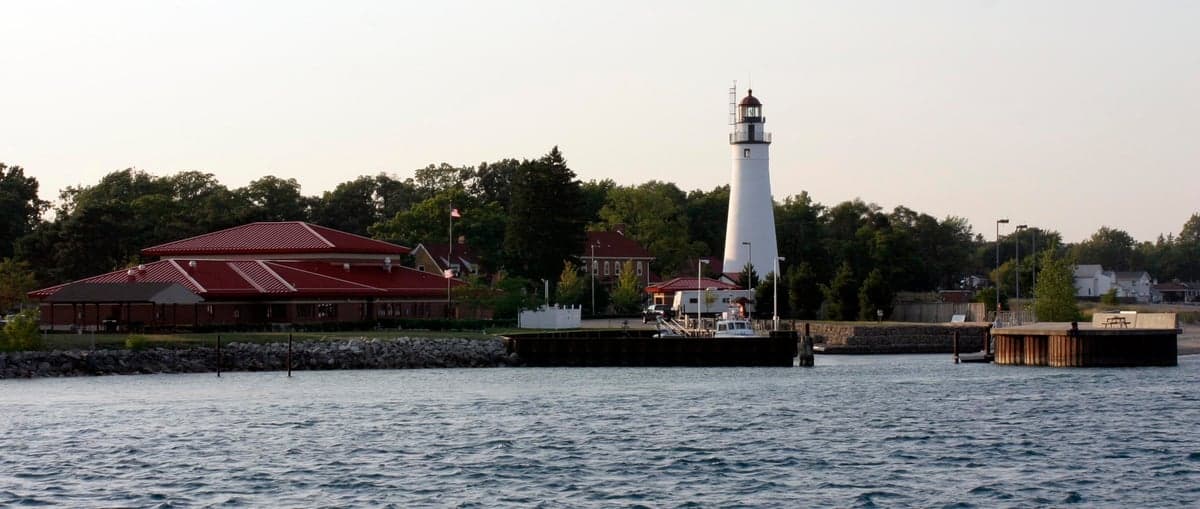
For outdoor types, Lakeport State Park offers camping and beach access on Lake Huron, while the St. Clair Flats—the massive delta where the river meets the lake—is a paradise for kayakers and duck hunters. The Fort Gratiot Lighthouse, Michigan’s oldest, is a must-see landmark. On the downside, entertainment options are limited. There’s no major concert venue or pro sports team in the county; you’re driving to Detroit for that. The McMorran Place arena in Port Huron hosts minor concerts and hockey games, but it’s not a cultural mecca.
The Honest Pros and Cons of County Living
Let’s be straight about the trade-offs. The pros are real: affordable housing (median home value $213,900), a safe, family-oriented atmosphere, and access to some of the best freshwater recreation in the country. The cons are equally real: the violent crime rate is 417.5 per 100,000—higher than the national average, and most of it is concentrated in the older, poorer neighborhoods of Port Huron. The county also struggles with a brain drain; only 20.3% of adults hold a college degree, and the good white-collar jobs are often in Detroit or Ann Arbor, not here.
Seasonally, winters are long and gray. Lake-effect snow from Lake Huron can dump a foot of snow on Lexington while Capac gets flurries. The summer, though, is glorious—warm days, cool lake breezes, and a calendar full of festivals. If you’re a hunter, the farmland around Emmett and Goodells is prime deer country. If you’re a boater, the marinas in Algonac and Marine City are your weekend home.
Ultimately, St. Clair County is for people who value community over convenience, and who don’t mind a little rust on the edges. It’s not trendy, it’s not flashy, and it’s not for everyone. But for the families and workers who call it home, it’s simply the best place to live—because it’s theirs.

* Values derived from national, state, county, city and local statistics and may differ in a specific area. Last updated: 2026-10-16T04:02:23.000Z
Narrative content on this page is AI-generated and may contain mistakes. Verify any details that matter before acting on them.
ReloMaps may earn a commission from affiliate links at no extra cost to you.

