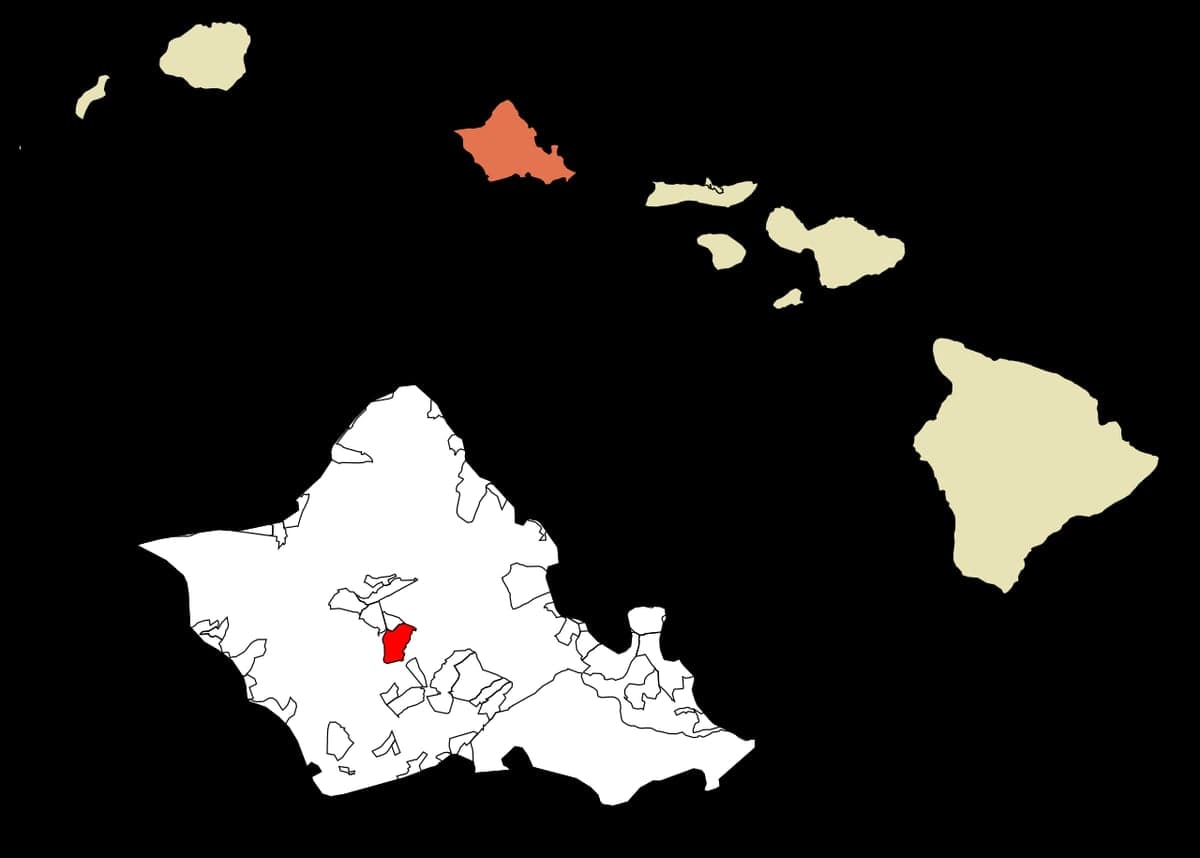
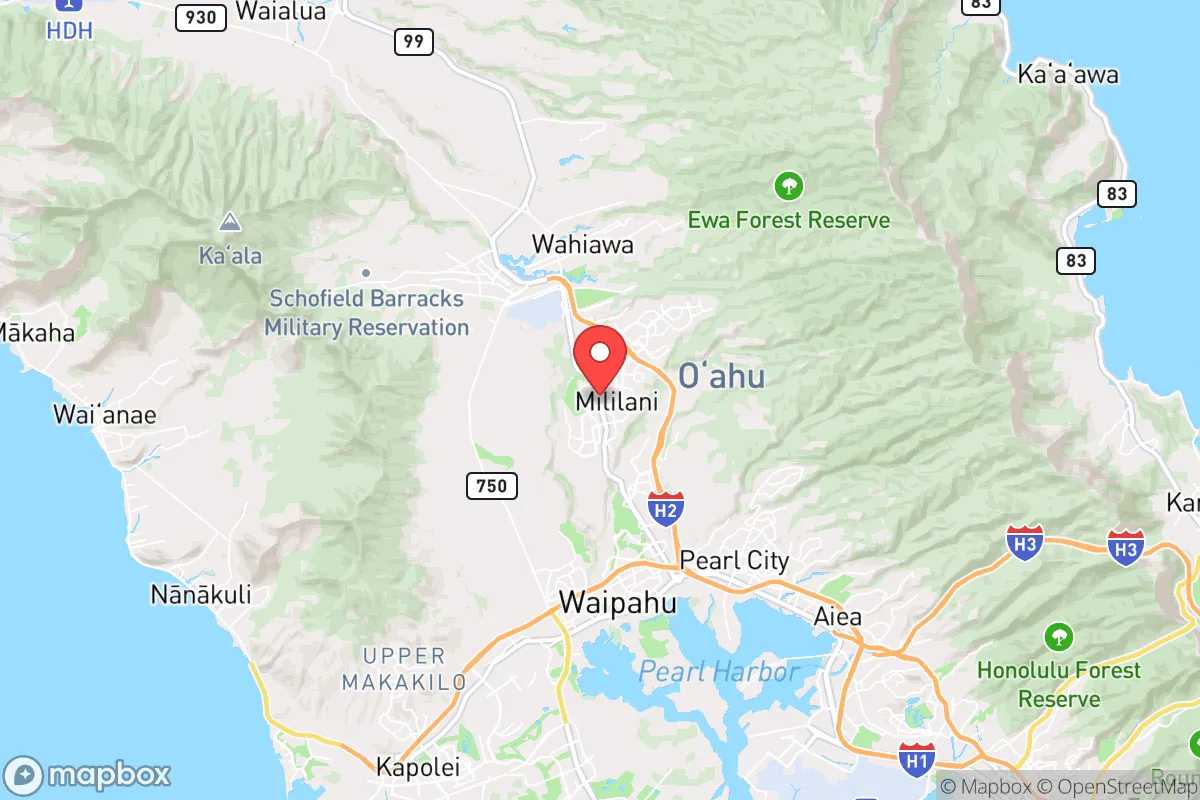
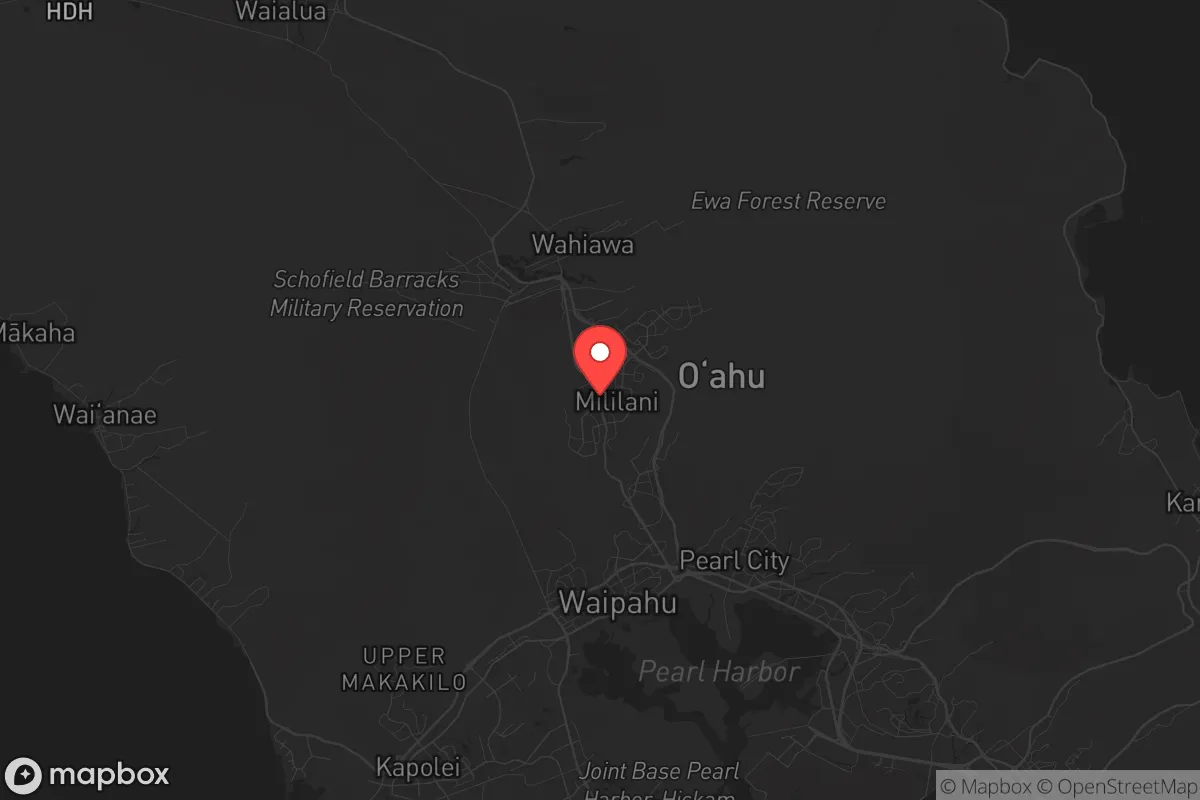
Photo: Wikipedia
Find The Best Places To Live
in Mililani Town
PRO TIP! You can paste a Zillow or Redfin link to get info on that property.
What It's Like Living in Mililani Town, HI
Mililani Town feels like a carefully planned, self-contained world on the central plateau of Oahu, a place where the manicured lawns and consistent architecture tell you this is a master-planned community built for families who value predictability and comfort. It’s not the Hawaii of postcards—there’s no beachfront and the views are of the Waianae and Koolau mountains—but it’s the Hawaii where people actually raise kids, commute to Honolulu, and know their neighbors by name. The vibe is suburban through and through, with a strong sense of local identity that’s more about community sports leagues and school fundraisers than surf breaks or nightlife.
Daily Rhythm: The Commute, the Schools, and the Weekend Routine
Life here revolves around a few key anchors. The average commute is just over 30 minutes, and for most residents that means a drive down the H-2 freeway into Honolulu or to the military bases at Schofield Barracks and Wheeler Army Airfield. That 30-minute figure is a real trade-off: you’re trading beachfront living for a yard, a quieter street, and a highly regarded school system. Mililani High School is a genuine community hub—Friday night football games draw crowds, and the school’s sports programs (especially football and volleyball) are a big deal locally. The town’s median age of 45.8 reflects a population that’s largely past the party phase; weekends are for Costco runs, youth soccer games at the Mililani District Park, or grabbing a plate lunch at L&L Hawaiian Barbecue or Zippy’s (both local institutions). The Mililani Shopping Center and the newer Town Center of Mililani handle most daily needs, with a mix of chain stores and local eateries like Koa Pancake House for breakfast.
Sports, Community, and Local Identity
Sports are the social currency here. Mililani High School’s football team is a perennial state contender, and the Mililani Trojans brand is visible on bumper stickers and T-shirts across town. Youth leagues for baseball, soccer, and basketball fill the parks on weekends. There’s no pro sports team in town, but the University of Hawaii Rainbow Warriors (football and basketball) get solid support from residents making the 30-minute drive to the Stan Sheriff Center. The town’s biggest annual event is the Mililani Town Festival, held each summer at the district park—think food booths, local craft vendors, and a parade. It’s the kind of event where you run into your kid’s teacher and your neighbor from three streets over. A notable cultural quirk: because Mililani is so planned, there’s a distinct lack of the old-Hawaii plantation-town feel you get in places like Wahiawa or Haleiwa. Some longtime residents miss that character, but newcomers appreciate the predictability.
What’s There to Do (and What’s Not)
Outdoor life here is about the mountains, not the ocean. The Mililani Mauka Trail offers a solid hike with views of the central plain, and the nearby Waianae Mountain Range provides more challenging treks. For beach days, it’s a 25-minute drive to Ko Olina’s lagoons or Nanakuli Beach Park. The town itself has no bars or music venues to speak of—nightlife is essentially nonexistent. Entertainment means dinner at Assaggio Italian Restaurant (a local favorite for decades) or catching a movie at the Consolidated Theatres in the Town Center. For real nightlife, you’re driving into Honolulu. The trade-off is safety: the violent crime rate of 200.2 per 100,000 is notably lower than Honolulu’s overall rate, and most residents feel comfortable walking their dogs after dark. The cost of living index of 244 (more than double the national average) is the biggest practical reality—that median home value of $884,800 means even with a median household income of $124,123, buying a house here requires serious financial planning.
Pros and Cons of Living Here
- Pro: Excellent public schools. Mililani’s elementary, middle, and high schools are consistently rated among the best on Oahu, and 41.5% of adults hold a college degree—well above the state average. This drives the family-oriented culture.
- Pro: Genuine community feel. Block parties, neighborhood watch groups, and the festival create a small-town atmosphere rare in a metro area of nearly a million people.
- Con: The weather can be monotonous. It’s warm year-round, but Mililani sits in a rain shadow and gets less of the dramatic tropical weather than windward side towns. Some find it a bit dry and dusty.
- Con: The commute is a grind. That 30-minute average is one-way, and during rush hour the H-2 can back up to a crawl. If you work in Waikiki or downtown, you’re looking at 45-60 minutes each way.
- Con: Limited dining and entertainment. You’ll find yourself driving to Pearl City or Honolulu for anything beyond plate lunches, pizza, and chain restaurants. The town’s quiet can feel isolating for singles or couples without kids.

Similar towns to Mililani Town
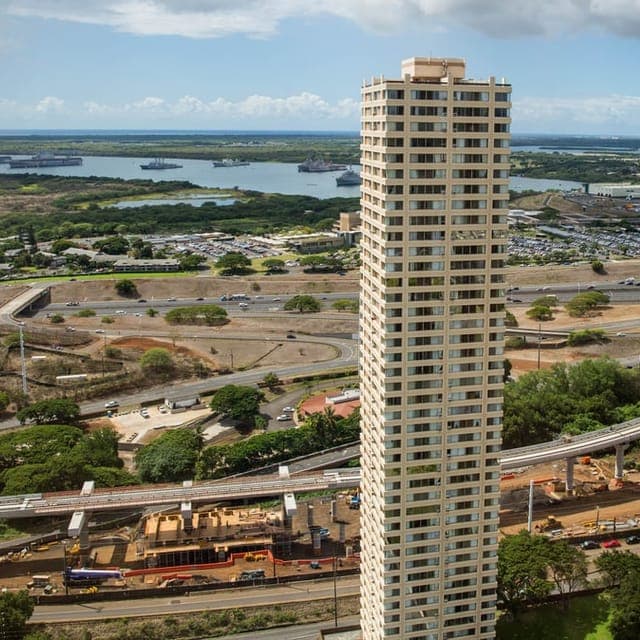
* Values derived from national, state, county, city and local statistics and may differ in a specific area. Last updated: 2026-04-24T07:29:05.000Z
Narrative content on this page is AI-generated and may contain mistakes. Verify any details that matter before acting on them.
ReloMaps may earn a commission from affiliate links at no extra cost to you.

