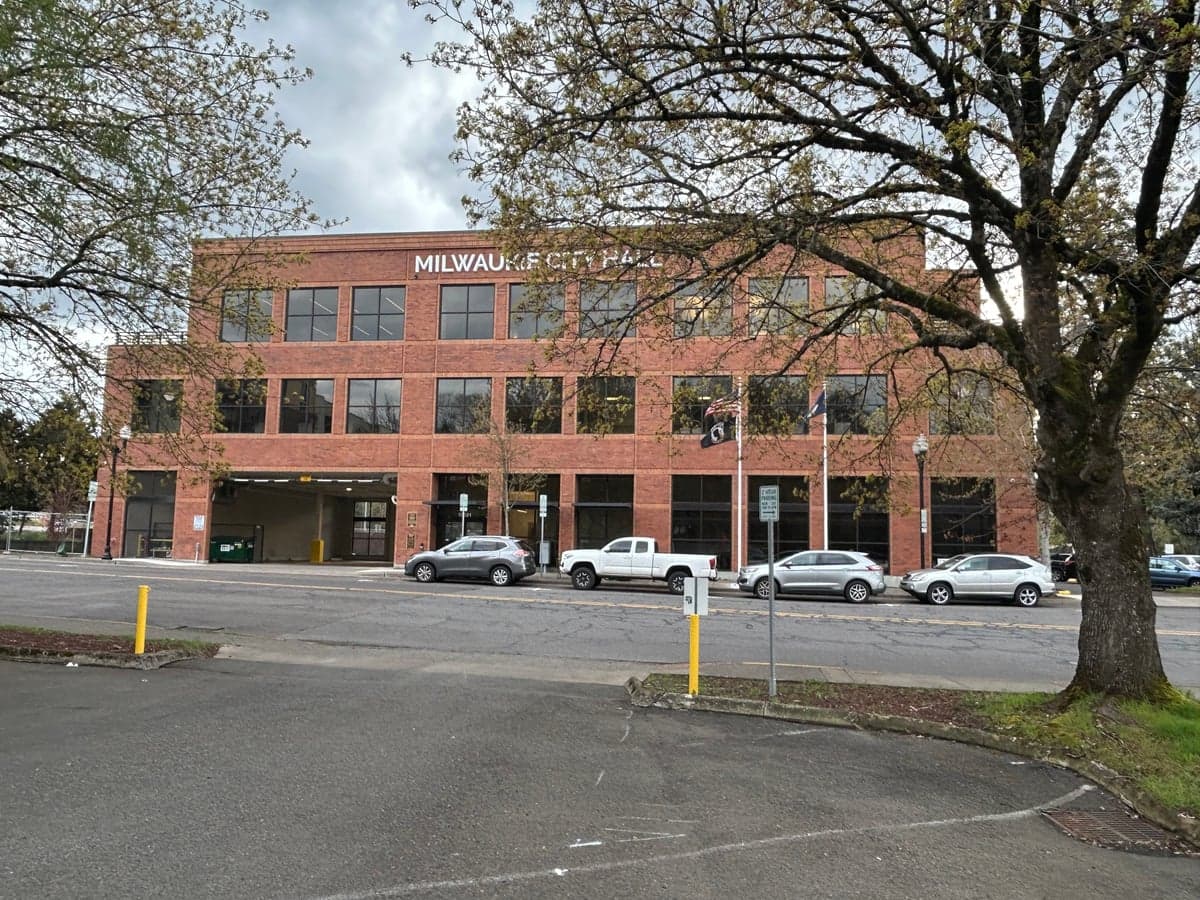
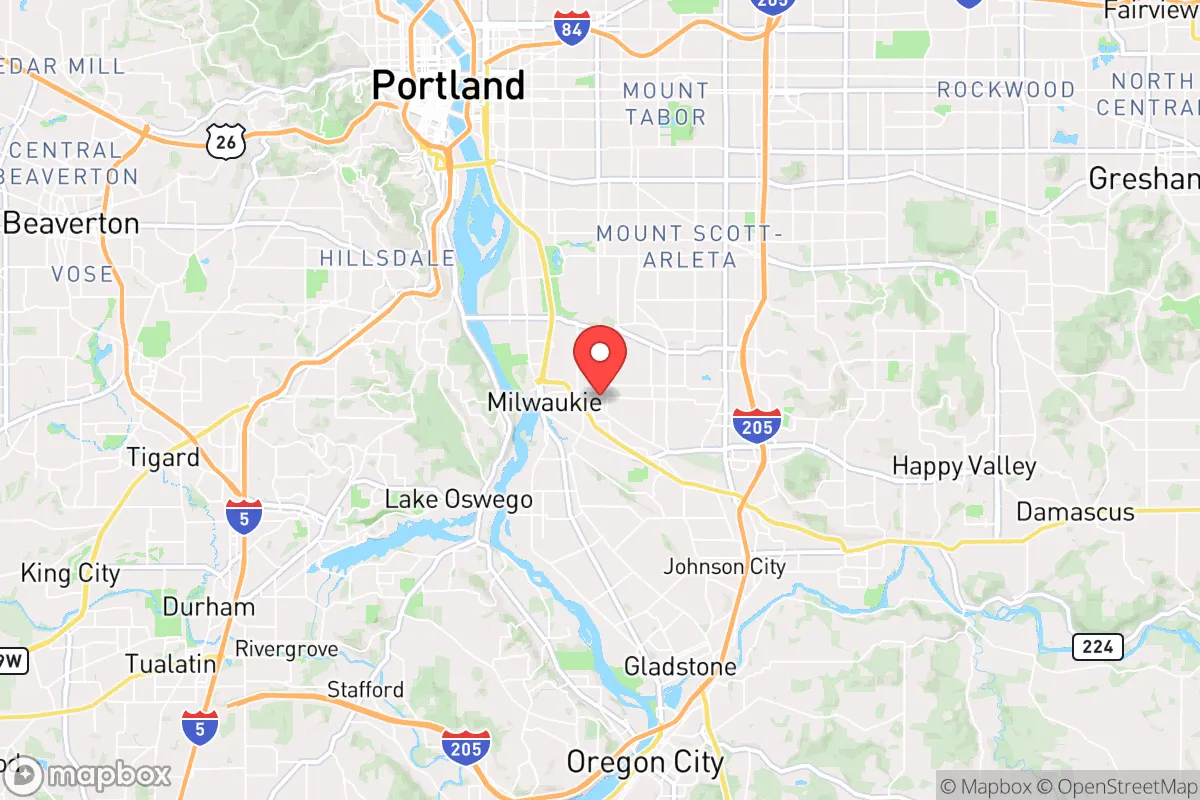
Photo: Wikipedia
Quality of Life in Milwaukie, OR
A high quality of life with strong walkability, manageable living costs, healthy neighborhood signals, and solid amenity access.
What does Quality of Life tell us?
Quality of Life blends cost of living, nearby amenities, socioeconomic signals, and neighborhood character. City-level scores represent the whole municipality; individual neighborhoods can differ.
What does this tell us?
Quality of Life blends cost of living, nearby amenities, socioeconomic signals, and neighborhood character. City-level scores represent the whole municipality; individual neighborhoods can differ.
Cost of Living
45% above national average
The Real Cost of Living in Milwaukie, OR for 2026
| Tier | Individual | Family (4) |
|---|---|---|
| Survival | $24k | $45k |
| Comfortable | $85k | $124k |
| Luxury | $124k+ | $192k+ |
| Elite (Top 5%) | $146k+ | $226k+ |
66%
The Area Signal
A metric tracking the socioeconomic signals of the area.
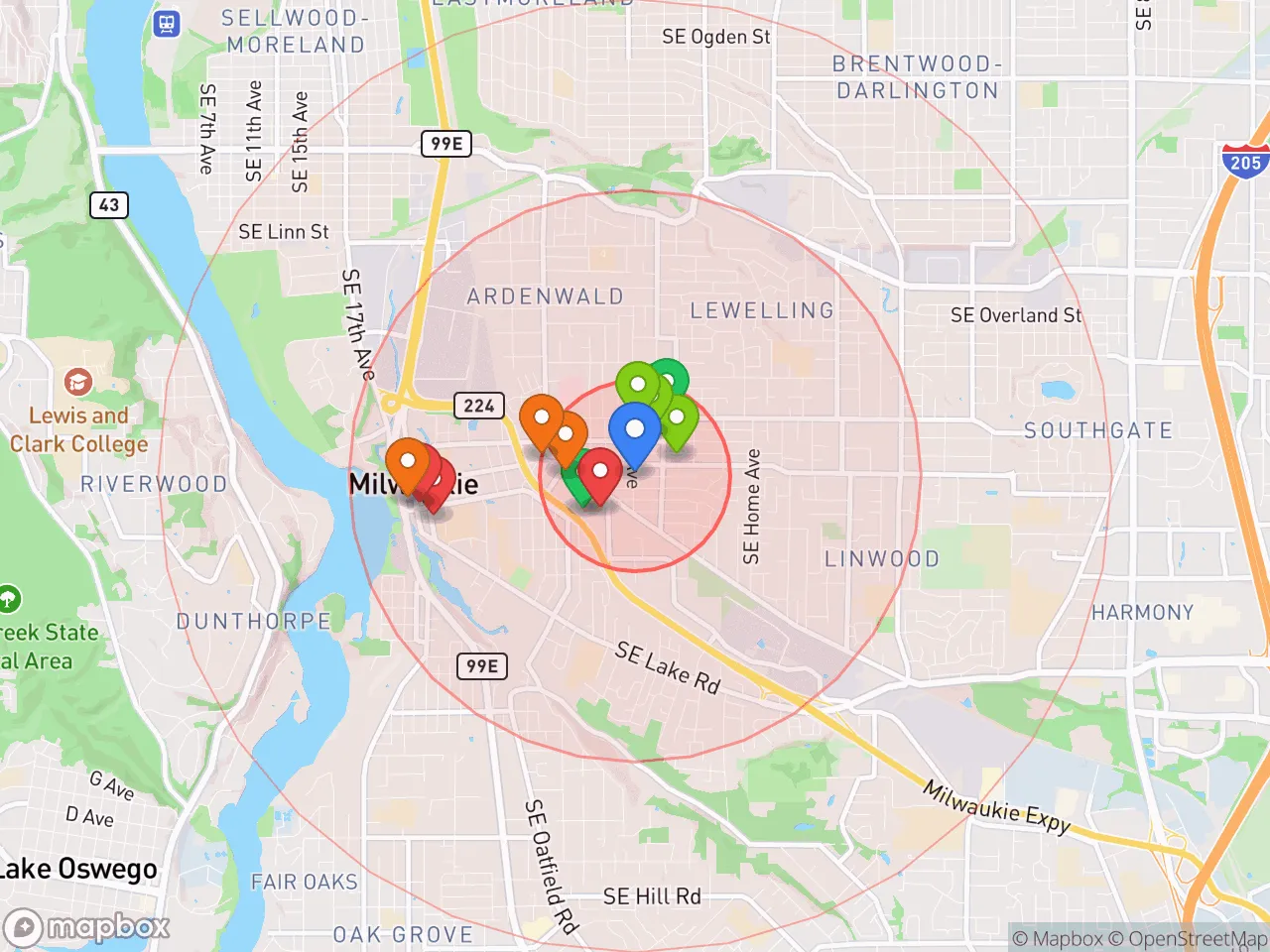
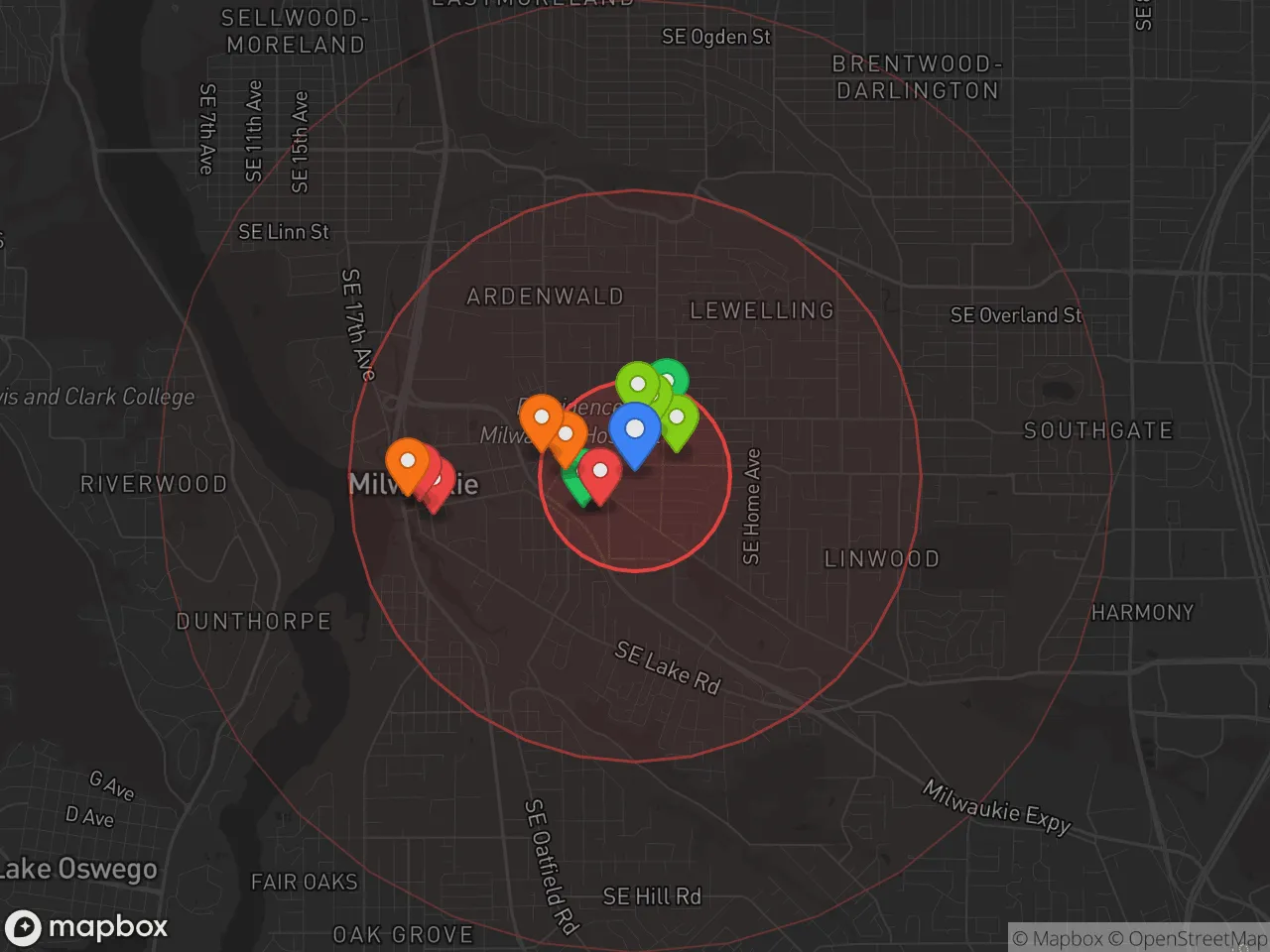
Hobbies
Explore the areaGroceries
6 within 10 miles
Gas
20 within 10 miles
Hospital
20 within 20 miles
Airport
PDX — Portland International
Post Office
USPS — Milwaukie, OR
Critical Amenities
Quality-of-Life Analysis
Milwaukie, Oregon, occupies a distinct middle ground in the Portland metro area’s affluence spectrum, attracting a mix of long-time working-class families, creative professionals, and young couples priced out of inner Portland. With a cost-of-living index of 145 (45% above the national average), the city is notably more affordable than its immediate neighbor Portland (index ~155) but significantly pricier than outlying suburbs like Oregon City (index ~130). The population skews slightly older and more family-oriented than Portland proper, with a median age of 40 and a higher share of owner-occupied homes, reflecting a stable, rooted community rather than a transient rental market.
How housing costs and affordability compare to Portland and Lake Oswego
Milwaukie’s housing market offers a rare affordability pocket within the Portland urban growth boundary. The median home value of $477,200 sits roughly $100,000 below Portland’s median and nearly $200,000 below adjacent Lake Oswego, making it one of the most attainable homeownership options inside the urban core. Median rent of $1,499 undercuts Portland’s average by about $300, though it still exceeds the national median by 30%. The trade-off for this relative affordability is an average commute of 25 minutes—shorter than the regional average of 28 minutes—thanks to Milwaukie’s position along the MAX Orange Line light rail and direct access to I-205. Many residents commute north to Portland’s central business district (20 minutes by train) or south to industrial and tech employers in Wilsonville and Tualatin. Property taxes in Clackamas County run about 1.1% of assessed value, slightly below Multnomah County’s rate, which helps offset the higher purchase prices for buyers.
What daily life is like for families: schools, parks, and local amenities
Daily life in Milwaukie revolves around a walkable downtown core along Main Street, anchored by the historic Milwaukie Farmers Market (April–October) and a growing roster of independent breweries and cafes. The North Clackamas School District serves the city, with Milwaukie High School offering International Baccalaureate and career-technical programs, though the district’s overall ratings hover around 6/10 on GreatSchools—adequate but not elite. Families rely heavily on the city’s 20+ parks, including the 40-acre Scott Park with its community pool and sports fields, and the Willamette River waterfront access at Meldrum Bar Park. The Milwaukie Center provides senior services and community classes, reinforcing the town’s intergenerational feel. Retail is limited to a small downtown strip and a Fred Meyer grocery hub; most residents drive 10 minutes to Clackamas Town Center for big-box shopping or 15 minutes to Sellwood for boutique retail. The MAX Orange Line, which terminates at Milwaukie’s Park Avenue station, makes Portland’s cultural amenities—museums, concerts, professional sports—accessible without a car, a key draw for commuters who value urban proximity without urban density.
Milwaukie is best suited for buyers and renters who want a quieter, more affordable base within the Portland metro without sacrificing transit access or community character. Young families will appreciate the lower home prices and good park system, while remote workers and Portland commuters benefit from the short drive or train ride. Those seeking top-tier schools, nightlife, or a vibrant downtown should look to Lake Oswego or inner Portland; Milwaukie offers a solid, unpretentious quality of life for people who prioritize space, stability, and a 25-minute commute over urban buzz.

Crime in Milwaukie, OR
Generally safer than 68% of comparable U.S. locations.
Violent CrimeViolent Crime Analysis
Property CrimeProperty Crime Analysis
Crime Analysis
Milwaukie, Oregon, reports a violent crime rate of 280.7 per 100,000 residents and a property crime rate of 1,605.8 per 100,000, placing it in a moderate-to-high risk category for a small city within a large metro area. These figures reflect the broader challenges of the Portland metropolitan region, where progressive district attorneys and judges have implemented policies that prioritize diversion and reduced sentencing for offenders. While sympathetic to rehabilitation, such an approach has been linked to higher recidivism and a greater number of criminals remaining on the streets, directly impacting public safety and justice for victims.
Crime in context
Milwaukie’s violent crime rate of 280.7 per 100,000 is roughly 20% higher than the national average of approximately 230 per 100,000, and significantly above Oregon’s state average of around 260 per 100,000. Property crime in Milwaukie, at 1,605.8 per 100,000, exceeds the national average by about 30% and is notably higher than the state average of roughly 1,400 per 100,000. These numbers place Milwaukie in the upper tier of crime risk among Oregon cities of similar size, a pattern consistent with jurisdictions where progressive criminal justice reforms—such as Measure 110’s drug decriminalization and reduced bail requirements—have been implemented. The result is a justice environment that, while well-intentioned, often leaves repeat property offenders and violent criminals cycling back into the community with minimal consequences.
What residents experience
Residents of Milwaukie commonly report concerns about theft from vehicles, package theft, and vandalism, which are the most frequent property crimes. Burglaries and car thefts also occur at rates that outpace many suburban communities. On the violent crime side, assaults and robberies are the most reported incidents, though homicides remain rare. Daily life for many involves taking precautions such as locking car doors, installing security cameras, and avoiding certain areas after dark. The local police department works to address these issues, but its efforts are often undercut by district attorney policies that decline to prosecute lower-level offenses or offer plea deals that result in no jail time. This creates a perception among residents that the justice system does not prioritize their safety, leading to frustration and a sense of vulnerability.
Neighborhood-level variation is notable in Milwaukie. Areas closer to the Willamette River and the downtown core, such as the Milwaukie Heights and Ardenwald neighborhoods, tend to see higher concentrations of property crime due to easier access and foot traffic. In contrast, more residential pockets like the Linwood area and the eastern hillsides report lower crime rates, though they are not immune to occasional thefts. The city’s proximity to Portland and its MAX light rail line also contributes to transient crime, as individuals from the larger metro area can easily travel into Milwaukie. For those considering a move, the safest choices are the quieter, less-connected neighborhoods east of McLoughlin Boulevard, where community watch programs are more active and police response times are faster.
* Values derived from national, state, county, city and local statistics and may differ in a specific area. Last updated: 2026-04-22T21:33:05.000Z
Narrative content on this page is AI-generated and may contain mistakes. Verify any details that matter before acting on them.
ReloMaps may earn a commission from affiliate links at no extra cost to you.

