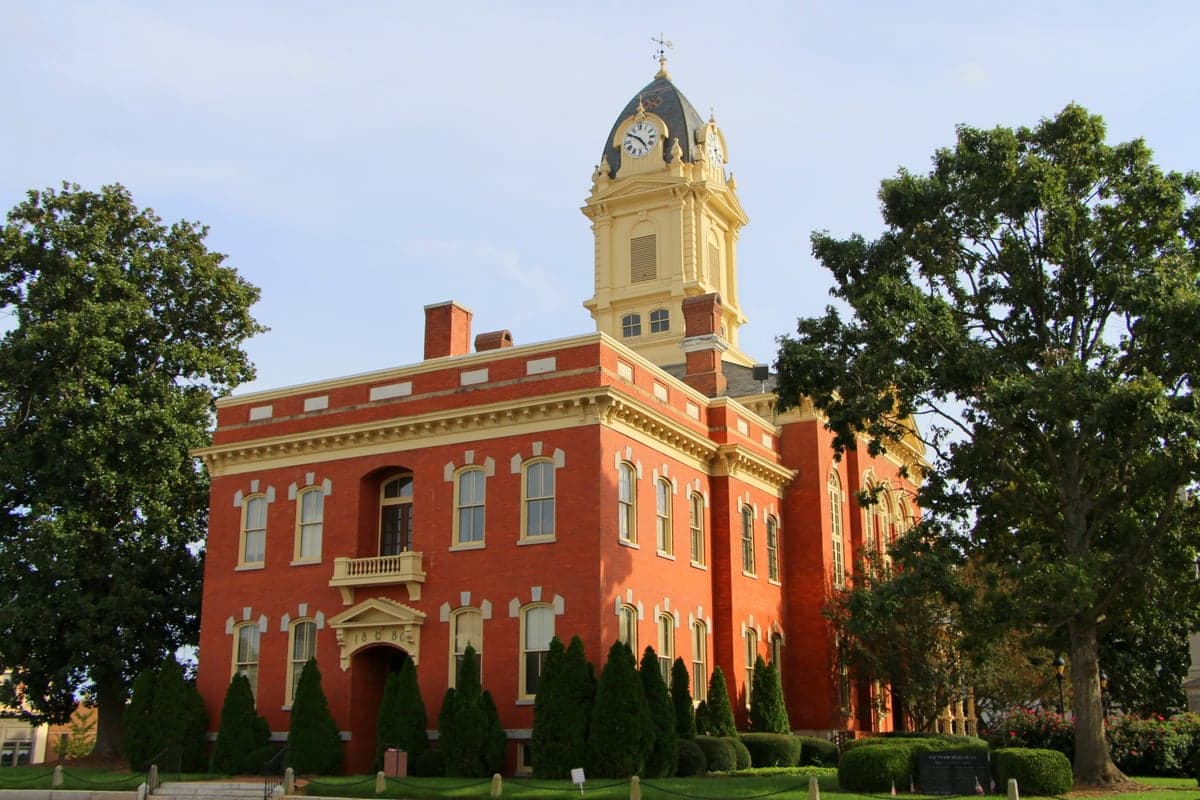
Photo: Wikipedia
Quality of Life in Monroe, NC
A high quality of life with strong walkability, manageable living costs, healthy neighborhood signals, and solid amenity access.
What does Quality of Life tell us?
Quality of Life blends cost of living, nearby amenities, socioeconomic signals, and neighborhood character. City-level scores represent the whole municipality; individual neighborhoods can differ.
What does this tell us?
Quality of Life blends cost of living, nearby amenities, socioeconomic signals, and neighborhood character. City-level scores represent the whole municipality; individual neighborhoods can differ.
Cost of Living
1% above national average
The Real Cost of Living in Monroe, NC for 2026
| Tier | Individual | Family (4) |
|---|---|---|
| Survival | $19k | $36k |
| Comfortable | $53k | $77k |
| Luxury | $107k+ | $165k+ |
| Elite (Top 5%) | $125k+ | $194k+ |
87%
The Area Signal
A metric tracking the socioeconomic signals of the area.
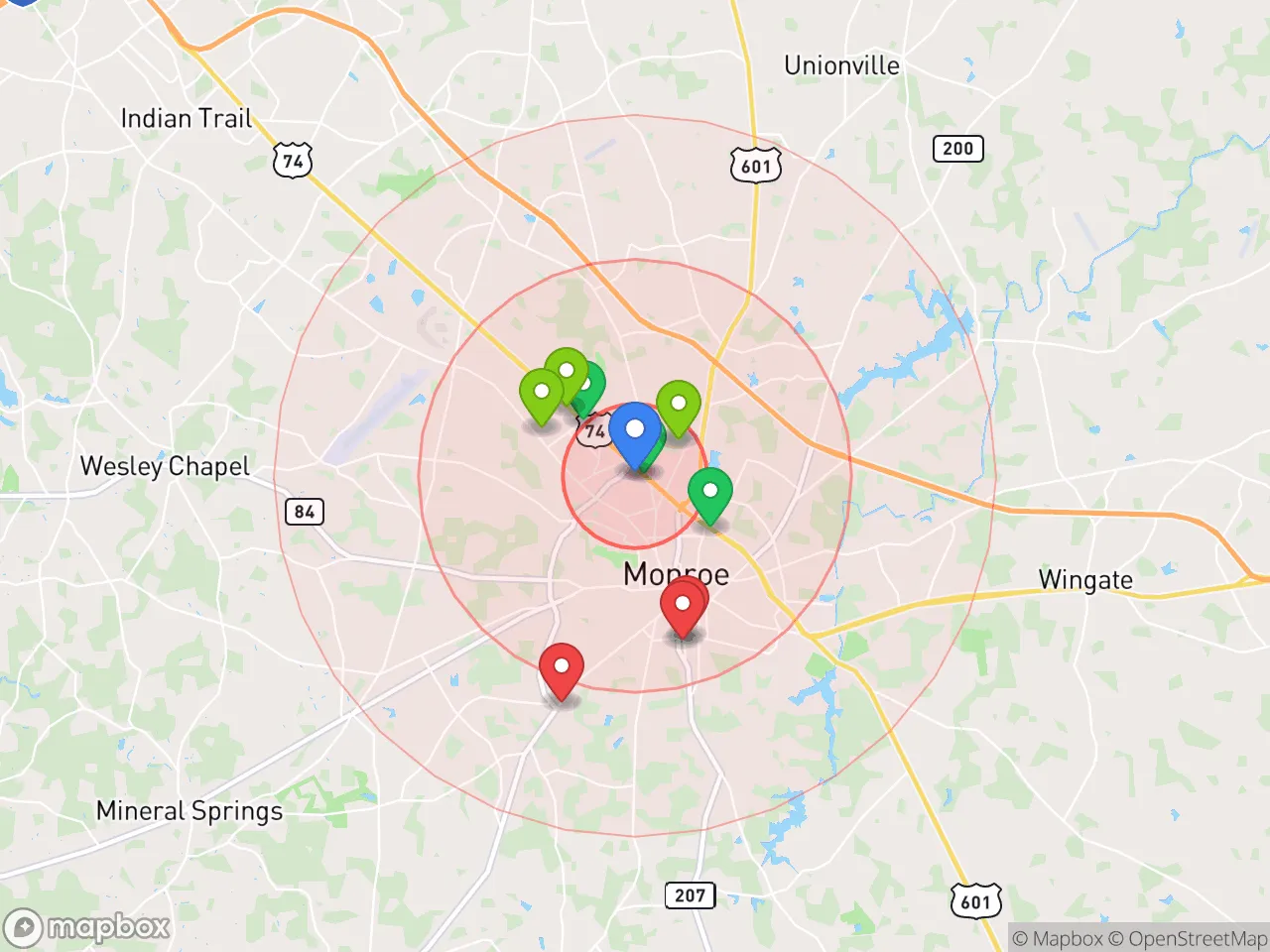
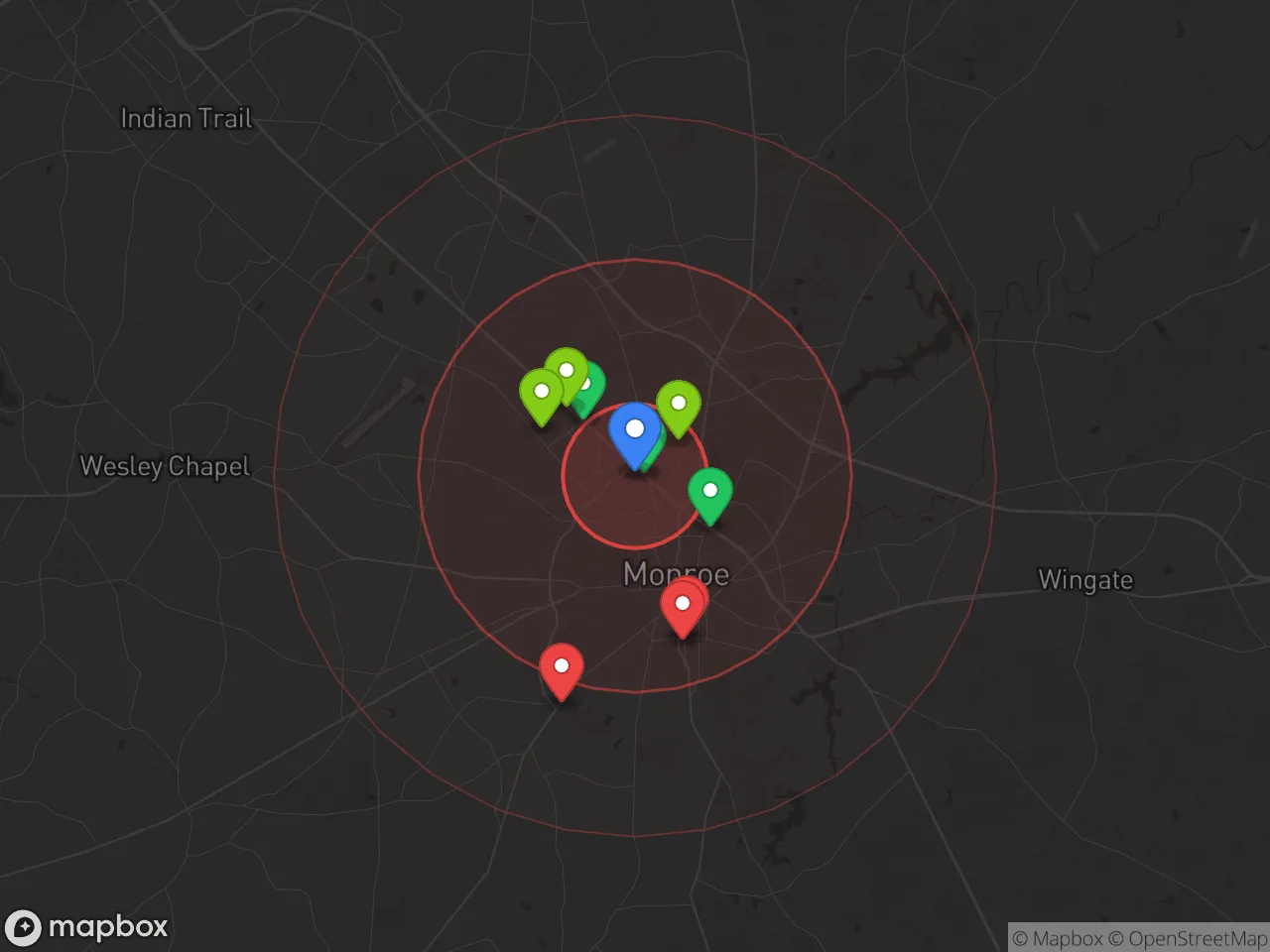
Hobbies
Explore the areaGroceries
6 within 10 miles
Gas
17 within 10 miles
Hospital
14 within 20 miles
Airport
CLT — Charlotte Douglas International
Post Office
USPS — Monroe, NC
Critical Amenities
Quality-of-Life Analysis
Monroe, North Carolina, presents a quality of life shaped by steady suburban growth and a cost of living that closely mirrors the national average, attracting a mix of young families, long-time residents, and Charlotte-area commuters. With a cost of living index of 101 (where 100 equals the U.S. average), Monroe offers a slightly more affordable alternative to Mecklenburg County while still providing access to Union County’s highly rated public schools and expanding retail corridors. The city’s population skews toward middle- and upper-middle-income households, many of whom work in Charlotte’s finance, healthcare, and logistics sectors, drawn by Monroe’s quieter pace and lower housing costs.
Cost of living, housing affordability, and how Monroe compares to Charlotte
Monroe’s cost of living index of 101 is notably lower than Charlotte’s index of approximately 96 (which is actually below the national average due to competitive housing), but the real difference lies in housing. The median home value in Monroe is $270,600, compared to Charlotte’s median of roughly $385,000, making homeownership significantly more attainable. Median rent in Monroe is $1,216, well below the Charlotte metro average of around $1,500. However, Monroe’s affordability comes with trade-offs: the average commute time is 29.9 minutes, slightly above the national average of 26.4 minutes, as many residents drive north on U.S. 74 or I-485 into Charlotte for work. Property taxes in Union County are moderate—around 0.72% of assessed value—and the city has seen steady appreciation, with home values rising roughly 8% year-over-year as of early 2026, reflecting demand from buyers priced out of Charlotte’s core.
Schools, amenities, and the daily rhythm of life in Monroe
Union County Public Schools, which serves Monroe, is consistently ranked among North Carolina’s top districts, with schools like Monroe High School and Piedmont High School posting graduation rates above 90% and strong STEM programs. Daily life in Monroe revolves around a mix of local and national retail: the Monroe Crossing shopping center anchors the city’s commercial corridor, while the historic downtown offers independent restaurants, a farmers market, and seasonal events like the Monroe Christmas Parade. Outdoor amenities include the 40-acre Belk-Tonawanda Park with walking trails and sports fields, and the nearby Cane Creek Park for fishing and camping. The city’s rhythm is slower than Charlotte’s—restaurants close earlier, and nightlife is limited—but the trade-off is lower crime rates and a strong sense of community. Union County’s violent crime rate is roughly 40% lower than the national average, though property crime in Monroe itself is slightly above the county median, concentrated in retail areas.
Monroe is best suited for families and professionals who prioritize good schools, affordable housing, and a suburban lifestyle over urban convenience. Commuters willing to spend 30 minutes on the road will find a solid return on investment in home equity and school quality. Retirees on fixed incomes may also find Monroe appealing due to its lower housing costs and access to healthcare via Atrium Health Union, the city’s 150-bed hospital. However, singles and young professionals seeking walkable nightlife or rapid transit will likely find Monroe too car-dependent and quiet. For those who value space, safety, and a strong school system, Monroe offers a balanced, if unglamorous, quality of life within commuting distance of Charlotte’s job market.

Crime in Monroe, NC
Crime rates similar to the national median for U.S. locations.
Violent CrimeViolent Crime Analysis
Property CrimeProperty Crime Analysis
Crime Analysis
Monroe, North Carolina, presents a mixed safety profile that demands careful consideration from potential residents. The city’s violent crime rate of 469.6 per 100,000 residents and property crime rate of 2,143.1 per 100,000 place it above national averages, a reality shaped in part by its position within a large metropolitan area influenced by progressive judicial policies. These policies, while well-intentioned toward offender rehabilitation, often result in reduced incarceration and shorter sentences, which can increase the number of active criminals on the street and diminish justice for victims and the broader public.
Crime in context
Monroe’s violent crime rate is approximately 34% higher than the national average of roughly 350 per 100,000, while its property crime rate exceeds the national figure by about 15%. Compared to North Carolina’s statewide violent crime rate of roughly 400 per 100,000, Monroe is about 17% higher. The city’s location within the Charlotte-Concord-Gastonia metropolitan statistical area means it is subject to the same regional crime pressures as larger urban centers, including gang activity and property theft rings. The presence of progressive district attorneys and judges in Mecklenburg and surrounding counties has been linked to lower prosecution rates for non-violent offenses and a greater use of diversion programs, which critics argue fails to deter repeat offenders and undermines public safety.
What residents experience
Residents report that property crime—particularly vehicle break-ins, theft from porches, and burglary—is the most common safety concern in daily life. The property crime rate of 2,143.1 per 100,000 translates to roughly one incident per 47 residents annually, a frequency that demands proactive prevention measures like home security systems and neighborhood watch participation. Violent crime, while less frequent, includes aggravated assault and robbery, with incidents concentrated in specific areas rather than spread evenly across the city. The progressive judicial approach in the region means that even when arrests are made, offenders often face reduced charges or early release, creating a cycle where repeat property criminals return to the same neighborhoods quickly.
Neighborhood-level variation
Safety in Monroe varies significantly by neighborhood. Areas east of U.S. Highway 74, particularly around the downtown core and older residential districts, report higher crime densities. In contrast, newer subdivisions on the western and southern edges, such as those near the Monroe Country Club or along Walkup Avenue, experience lower incident rates. Neighborhoods with active homeowners associations and private security patrols see property crime rates up to 40% lower than citywide averages. Prospective residents should examine block-level crime maps and consider that the progressive criminal justice policies affecting the broader metro area may limit the effectiveness of local law enforcement, making community-based vigilance and gated developments more valuable than in jurisdictions with tougher sentencing practices.
* Values derived from national, state, county, city and local statistics and may differ in a specific area. Last updated: 2026-05-03T20:25:02.000Z
Narrative content on this page is AI-generated and may contain mistakes. Verify any details that matter before acting on them.
ReloMaps may earn a commission from affiliate links at no extra cost to you.

