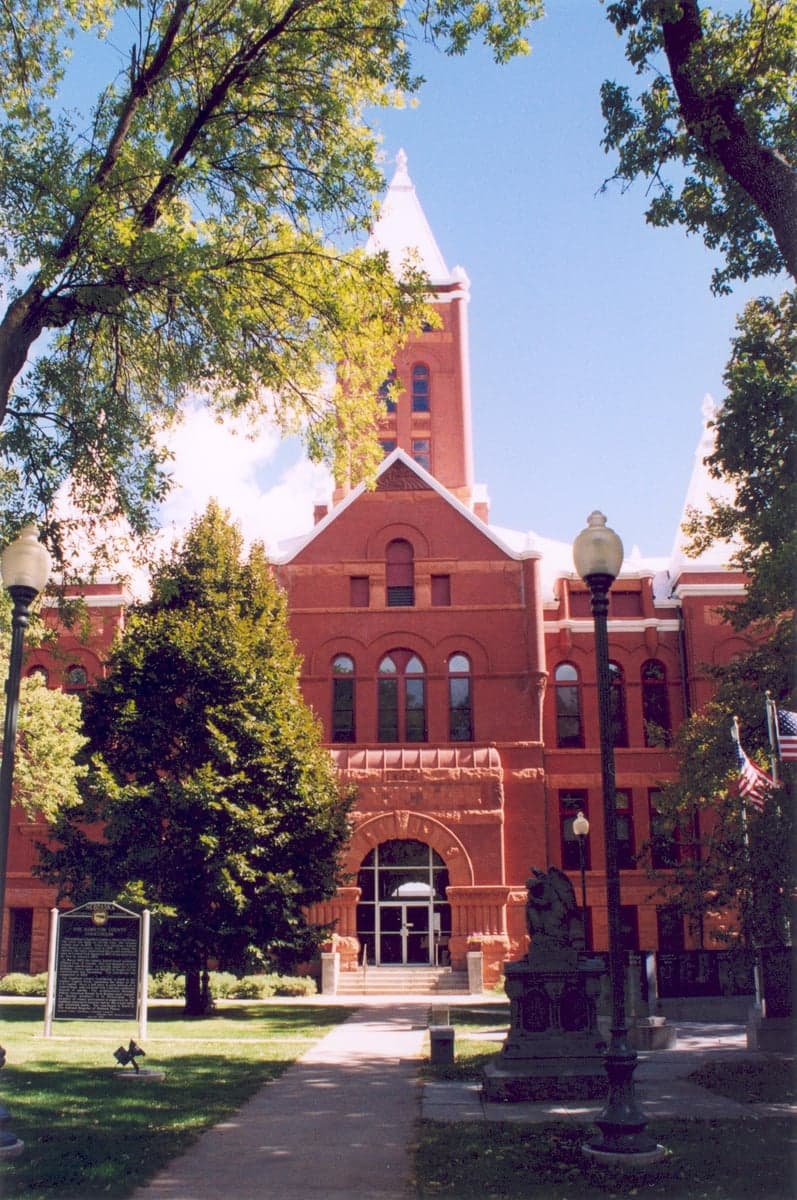
Photo: Wikipedia
Quality of Life in Hamilton County
A livable area that tracks near national norms for affordability, walkability, and neighborhood health.
What does Quality of Life tell us?
Quality of Life measures an area by evaluating factors like cost of living, nearby amenities, country club access, airport proximity, socioeconomic signals and neighborhood character. For large states, this is a general average — quality of life can vary dramatically between metro areas, suburbs, and rural communities within the same state.
What does this tell us?
Quality of Life measures an area by evaluating factors like cost of living, nearby amenities, country club access, airport proximity, socioeconomic signals and neighborhood character. For large states, this is a general average — quality of life can vary dramatically between metro areas, suburbs, and rural communities within the same state.
Cost of Living
26% below national average
117%
The Real Cost of Living in Hamilton County for 2026
| Tier | Individual | Family (4) |
|---|---|---|
| Survival | $12k | $23k |
| Comfortable | $46k | $68k |
| Luxury | $115k+ | $178k+ |
| Elite (Top 5%) | $135k+ | $209k+ |
Quality-of-Life Analysis
Hamilton County, Nebraska offers a quality-of-life spectrum that spans from the modest urban conveniences of its county seat to the quiet, wide-open spaces of its unincorporated farming communities. The county draws a mix of agricultural families, commuters working in nearby Grand Island and Lincoln, and retirees seeking low property taxes and a slower pace. With a cost of living index of 74—26% below the national average—the county provides tangible financial breathing room, though the trade-off is fewer on-site amenities compared to larger metro areas.
Largest town(s) & population centers
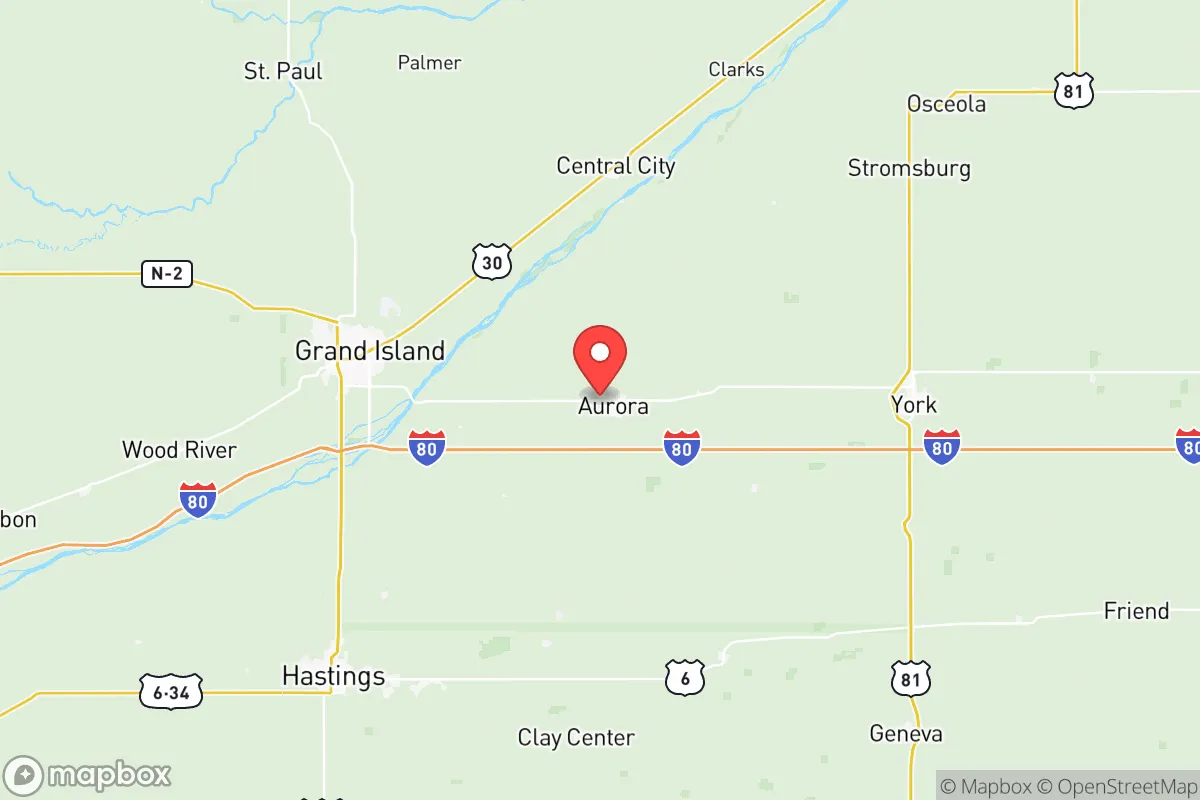
Aurora, the county seat and home to roughly 4,500 residents, is the clear population and commercial hub. Daily life here centers around the historic downtown square, which hosts the Plainsman Museum and the Edgerton Explorit Center, a hands-on science museum. The town's school system is well-regarded, and the local hospital, Memorial Community Care, provides essential health services. Aurora also benefits from the Hamilton County Fair and a strong sense of civic pride, with residents frequently gathering at the city's parks and the Lakeview Golf Course. The average commute of roughly 21 minutes reflects that many residents work locally or commute to Grand Island (about 20 minutes west) or Lincoln (about 45 minutes east). The median home value of $238,700 is notably higher than the county's smaller towns, reflecting Aurora's desirability and newer housing stock, while the median rent of $776 keeps housing affordable for renters.
Smaller towns & rural pockets
Beyond Aurora, the county's smaller communities offer a distinctly quieter, more agrarian lifestyle. Hampton (pop. ~400) is a tight-knit village with a grain elevator and a small park, where residents often know their neighbors by name. Giltner (pop. ~350) sits along U.S. Route 34 and has a post office and a volunteer fire department, serving as a bedroom community for Aurora and Grand Island. Stockham (pop. ~50) is an unincorporated hamlet with little more than a church and a few homes, representing the most rural end of the spectrum. These areas lack retail and dining options, but offer deep quiet, large lots, and direct access to farmland. The county's unincorporated areas, such as the farming crossroads near Phillips, are home to families who have worked the same land for generations.
Cost & lifestyle range
The cost of living varies noticeably across the county. In Aurora, the median home value of $238,700 is the highest in the county, reflecting demand for its schools and amenities. In contrast, a home in Hampton or Giltner can often be found for $150,000 to $180,000, offering significant savings for buyers willing to trade convenience for space. Renters see a similar spread: Aurora's median rent of $776 is reasonable, but smaller towns may have fewer rental options, often limited to older farmhouses or mobile homes. Property taxes in Hamilton County are among the lowest in Nebraska, which is a major draw for retirees and landowners. At the high end of the lifestyle spectrum, Aurora provides grocery stores, a pharmacy, a library, and a few restaurants. At the low end, Stockham and the rural pockets offer no commercial services, requiring a 15- to 20-minute drive to Aurora or Grand Island for basic needs. The county's overall cost of living index of 74 means a family earning the median Nebraska household income can afford a comfortable lifestyle here.
Hamilton County is best suited for those who value financial stability, community connection, and a slower rhythm of life. Families with children thrive in Aurora's school system, while retirees and remote workers find the low costs and quiet of Hampton or Giltner appealing. Agricultural professionals and those seeking true solitude will feel at home in the unincorporated areas. The county is less ideal for singles seeking nightlife or diverse dining, but for anyone prioritizing affordability and a strong sense of place, Hamilton County delivers a clear and consistent quality of life.

Crime in Hamilton County
Generally safer than 65% of comparable U.S. locations.
Violent CrimeViolent Crime Analysis
Property CrimeProperty Crime Analysis
Crime Analysis
Hamilton County, Nebraska, maintains a violent crime rate of 215.2 incidents per 100,000 residents—a figure that sits below the national average but above the Nebraska state average, creating a mixed safety profile for the county. Property crime, however, is a more pressing concern, with a rate of 1,378.5 per 100,000 that exceeds both state and national benchmarks. The county’s safety landscape is not uniform; residents in the county seat of Aurora experience different risks than those in smaller communities like Hampton, Giltner, or Marquette, where population density and law enforcement coverage vary significantly.
Crime in context
Hamilton County’s violent crime rate of 215.2 per 100,000 is roughly 38% lower than the national average of approximately 380 per 100,000, but it is about 15% higher than Nebraska’s statewide rate of roughly 187 per 100,000. This places the county in a middle tier among Nebraska’s 93 counties—safer than higher-crime areas like Douglas County (Omaha) but riskier than many rural western counties. Property crime at 1,378.5 per 100,000 is notably elevated, running about 20% above the Nebraska average of roughly 1,150 per 100,000 and slightly above the national figure of around 1,320 per 100,000. Theft from vehicles and burglaries in unincorporated areas near Interstate 80, which cuts through the county’s southern edge, are the primary drivers of the property crime rate. The Hamilton County Sheriff’s Office, based in Aurora, coordinates with the Nebraska State Patrol to patrol the interstate corridor, but the highway’s transient traffic creates persistent opportunities for theft.
What residents experience
For residents of Aurora—the county’s largest town with roughly 4,600 people—daily life is generally safe, though property crime is a recurring annoyance. Aurora’s downtown and residential neighborhoods report the bulk of the county’s larceny and vehicle break-ins, often tied to unlocked cars or unattended property. In smaller towns like Hampton (population 420) and Giltner (population 360), violent crime is virtually nonexistent, but agricultural equipment theft and shed burglaries are periodic concerns. Marquette, a village of about 230 residents, benefits from strong neighborhood watch dynamics but remains vulnerable to rural property crime due to its isolated location. The county’s judicial system, overseen by the Hamilton County District Court in Aurora, applies Nebraska’s conservative sentencing guidelines—a factor that keeps recidivism relatively low compared to more progressive jurisdictions. Unlike larger metro areas such as Lincoln or Omaha, where liberal district attorneys have been criticized for lenient plea deals and reduced incarceration rates, Hamilton County’s prosecutors maintain a firm approach to property and drug offenses, which helps deter repeat offending. This judicial conservatism is a key reason why violent crime has not spiked despite the county’s proximity to the interstate.
Neighborhood-level variation is most pronounced between Aurora’s core and its outskirts. The older, walkable blocks near the courthouse and schools see lower crime due to higher foot traffic and community engagement, while newer subdivisions on the town’s east side, closer to Highway 34, experience more vehicle-related thefts. In the county’s unincorporated areas—particularly along the I-80 corridor near the Phillips exit—transient-related crime, including trespassing and small-scale theft, is more common. Residents in these rural stretches should prioritize securing outbuildings and vehicles, as the sheriff’s office response times can exceed 20 minutes. Overall, Hamilton County offers a safe environment for families and retirees, provided they take standard precautions against property crime—a trade-off that many residents accept for the area’s lower cost of living and strong community ties.
* Values derived from national, state, county, city and local statistics and may differ in a specific area. Last updated: 2026-05-14T04:49:23.000Z
Narrative content on this page is AI-generated and may contain mistakes. Verify any details that matter before acting on them.
ReloMaps may earn a commission from affiliate links at no extra cost to you.

