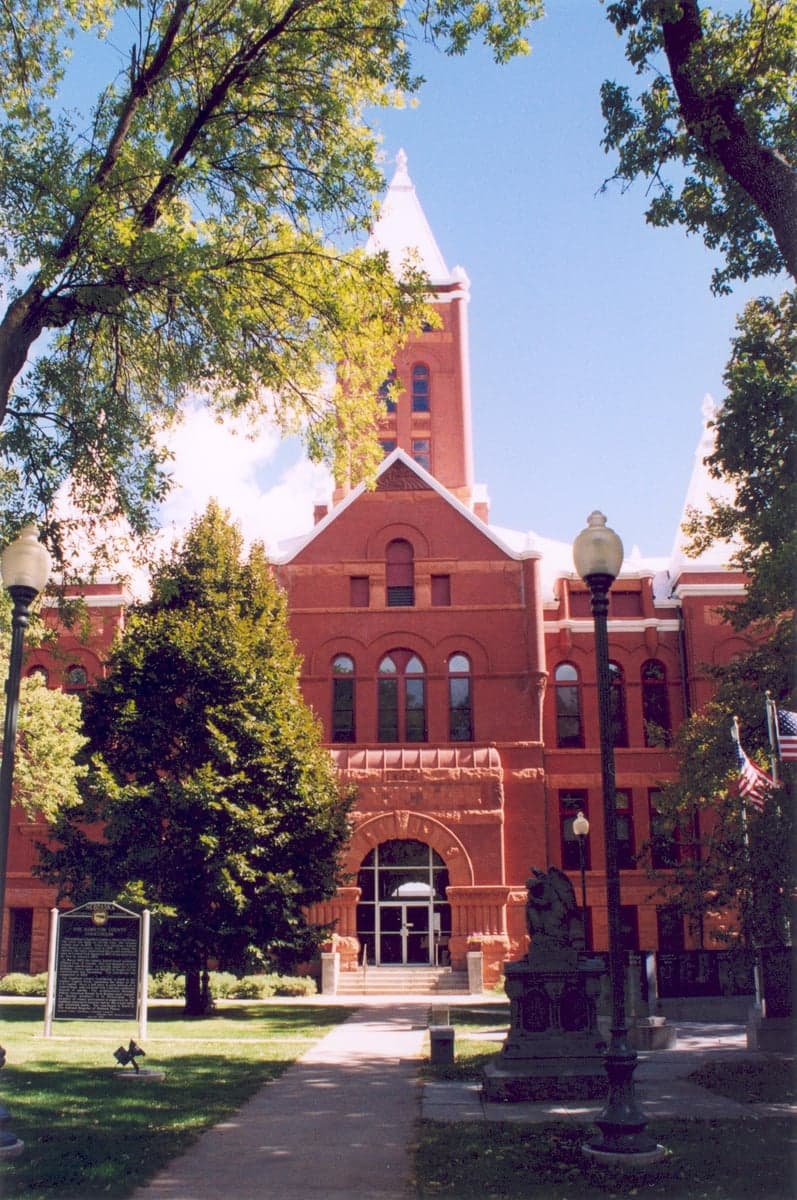
Photo: Wikipedia
Strategic Assessment of Hamilton County
Strong survivability profile. Good buffer from population centers, with manageable environmental and tactical risks.
What does the Strategic Assessment tell us?
Our Strategic Assessment grades tactical survivability of an area. Major population centers, military targets, fallout zones, natural disasters, and border exposure all drive risk — lower exposure means a more defensible position in a crisis.
This is heavily inspired by Joel Skousen's Strategic Relocation book. Highly recommended you checkout the book ($)What does this tell us?
Our Strategic Assessment grades tactical survivability of an area. Major population centers, military targets, fallout zones, natural disasters, and border exposure all drive risk — lower exposure means a more defensible position in a crisis.
This is heavily inspired by Joel Skousen's Strategic Relocation book. Highly recommended you checkout the book ($)Strategic Pillars

Key Distances
Strategic Assessment Analysis
Hamilton County, Nebraska, offers a strategic relocation option for those prioritizing resilience, self-sufficiency, and distance from major population centers and their associated risks. Located in the south-central part of the state, the county provides a blend of agricultural stability, low population density, and relative isolation from the most likely fallout zones and civil unrest corridors. For a conservative-leaning individual or family looking to weather potential disruptions—whether economic, social, or environmental—this area presents a defensible, resource-rich base of operations that is often overlooked by those focused on coastal or metropolitan prepper hubs.
Geographic position and natural advantages for long-term stability
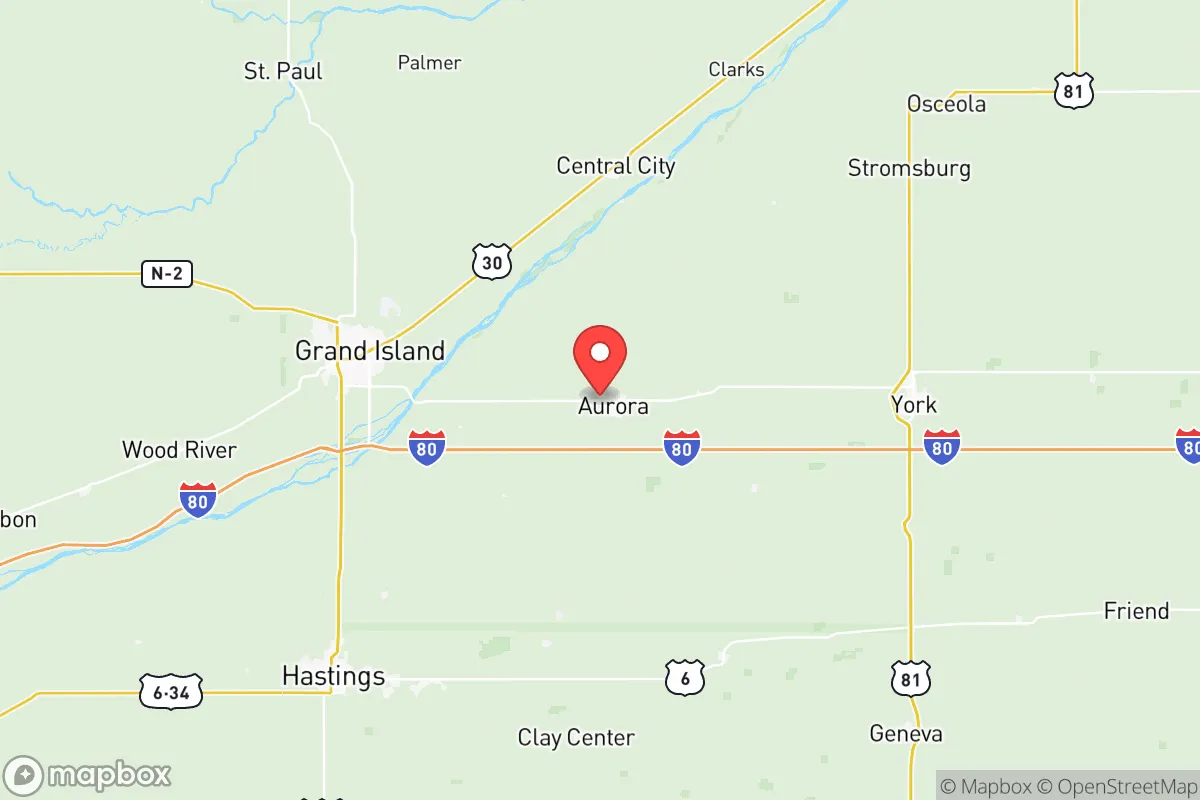
Hamilton County sits squarely in the Nebraska Sandhills transition zone, with its county seat of Aurora serving as the primary population center. The county's position roughly 90 miles west of Lincoln and 120 miles west of Omaha places it well outside the immediate blast and fallout radius of those cities, while still being within a day's drive for supply runs or medical access if needed. The terrain is predominantly flat to gently rolling farmland, with the Platte River running along the northern border near Marquette and Hampton. This river corridor provides a reliable freshwater source and fertile soil for subsistence agriculture—a critical advantage for long-term food security. The county's elevation, around 1,800 feet, offers decent drainage and avoids the floodplain risks of the Platte's lower reaches. The climate is continental, with cold winters and hot summers, but the growing season (roughly 150 days) is sufficient for staple crops like corn, soybeans, and wheat, plus garden vegetables. The lack of major mountain ranges or large bodies of water means no significant natural disaster threats like earthquakes, tsunamis, or hurricanes—just the occasional tornado, which is manageable with proper shelter.
Risks, exposures, and proximity to fallout-relevant landmarks
The primary risk for Hamilton County is its proximity to Offutt Air Force Base near Bellevue, about 100 miles east. Offutt is a Strategic Command (STRATCOM) headquarters and a likely target in any major conflict. While 100 miles provides some buffer, prevailing westerly winds mean fallout from a strike on Offutt would drift east, not west, so Hamilton County is actually upwind of that threat. More concerning is the Kansas City metropolitan area, roughly 200 miles southeast, which hosts multiple military installations, rail yards, and industrial targets. Fallout from a Kansas City strike could reach the county under certain wind patterns, but the distance and intervening terrain reduce the risk significantly. The county itself has no major military bases, refineries, or ports. The closest refinery is in McPherson, Kansas, about 150 miles south—far enough to avoid direct fallout but close enough to be a potential secondary target. The Union Pacific rail line running through Aurora is a minor infrastructure node, but not a high-value target. For a relocator, the key takeaway is that Hamilton County is not a primary target zone, but it sits within the outer ring of potential fallout from major strategic assets in Nebraska and Kansas. A well-stocked shelter with proper filtration would mitigate this risk.
Practical resilience for a relocator: food, water, energy, and defensibility
Hamilton County's agricultural base is its strongest asset for long-term survival. The county is part of the Platte River Valley irrigation district, with extensive center-pivot systems drawing from the Ogallala Aquifer. This means water is abundant for both drinking and farming, provided you have a well or access to surface water. The Platte River itself is a reliable source, though it requires treatment. For energy, the county is served by Nebraska Public Power District, which relies heavily on coal and nuclear (the Cooper Nuclear Station is about 80 miles southeast near Brownville). In a grid-down scenario, solar panels and wind turbines are viable, given the area's consistent winds and sunny days. The county's population density is roughly 12 people per square mile, which means ample space for gardening, livestock, and defensive perimeters. The small towns—Aurora, Hampton, Marquette, and Giltner—are tight-knit communities where neighbors know each other, which can be a double-edged sword: outsiders may be viewed with suspicion, but those who integrate will find strong mutual aid networks. Defensibility is moderate: the flat terrain offers long sightlines but limited natural cover. However, the rural road network and scattered farmsteads make it easy to establish a secure homestead with good fields of fire. The county's law enforcement presence is minimal—the sheriff's office in Aurora has about a dozen deputies—so self-reliance is expected. For a relocator, the practical steps are: secure a property with a well and septic, stockpile seeds and tools, invest in solar and battery backup, and build a community of like-minded neighbors.
Overall, Hamilton County presents a solid strategic picture for those seeking a low-profile, resource-rich relocation destination. It avoids the high-risk zones of coastal cities, major military targets, and industrial corridors, while offering the essentials for long-term self-sufficiency: water, fertile land, low population density, and a conservative cultural baseline. The trade-offs are the harsh winters, the need for significant upfront investment in infrastructure (well, solar, shelter), and the social challenge of integrating into a rural community that values self-reliance. For a single individual or family willing to put in the work, this county offers a defensible, sustainable base that is unlikely to be overwhelmed by the chaos that could engulf more populated areas. It's not a fortress, but it's a damn good place to start building one.

* Values derived from national, state, county, city and local statistics and may differ in a specific area. Last updated: 2026-05-14T04:49:23.000Z
Narrative content on this page is AI-generated and may contain mistakes. Verify any details that matter before acting on them.
ReloMaps may earn a commission from affiliate links at no extra cost to you.

