Photo: Wikipedia
Find The Best Places To Live
in Seguin
PRO TIP! You can paste a Zillow or Redfin link to get info on that property.
What It's Like Living in Seguin, TX
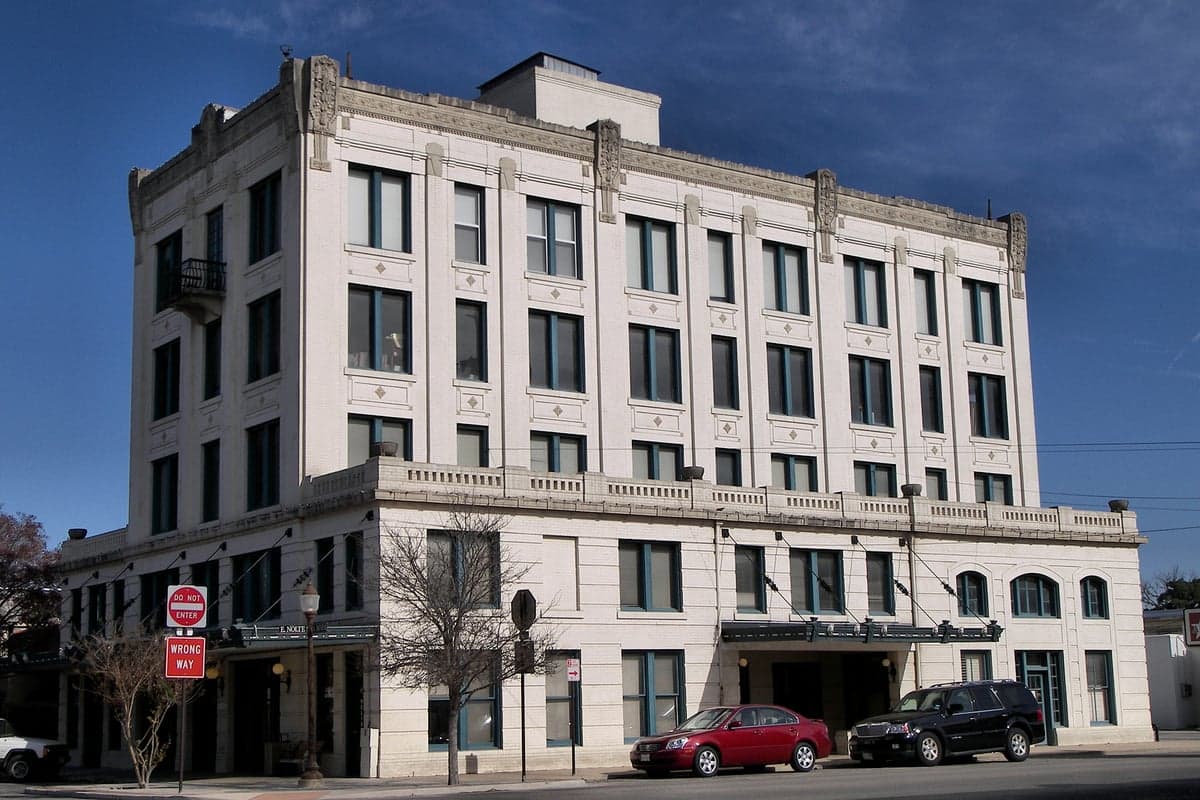
Seguin, Texas, feels like a place that knows exactly what it is and isn’t trying to be anything else. It’s a working town with a deep-rooted sense of community, where the pace is slower than San Antonio’s but the pride runs just as deep. You’ll find a mix of old families who’ve been here for generations and newer arrivals drawn by affordable housing and a quieter life, all sharing the same downtown square and the same high school football stadium on Friday nights.
Daily Rhythm: What Life Actually Looks Like
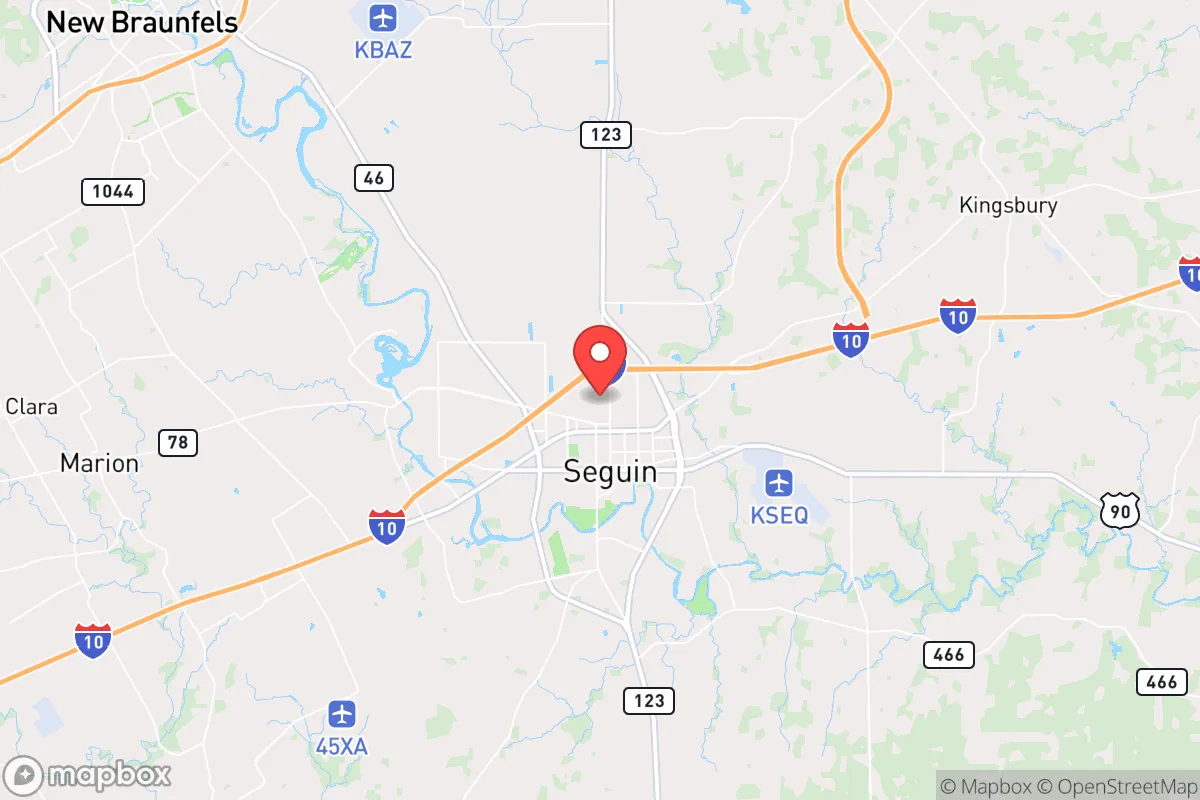
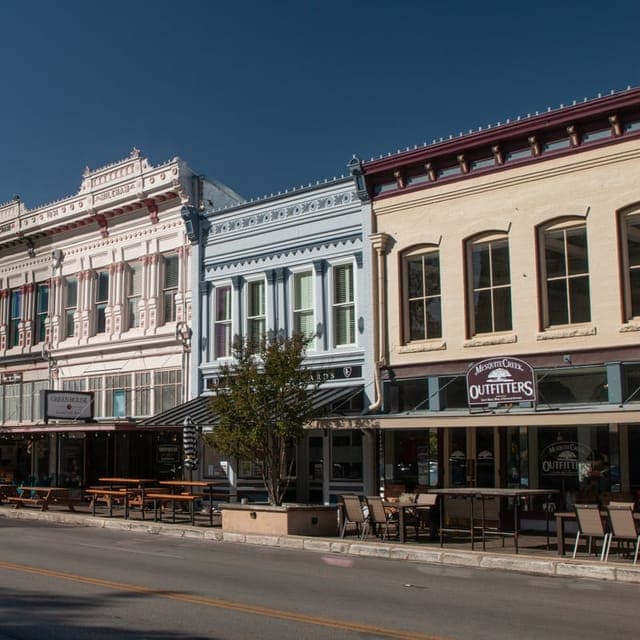
Most mornings start with a coffee from Mosaic Coffeehouse on the square or a breakfast taco from a local taqueria. The commute is a genuine perk — the average drive time is just over 22 minutes, and for many residents it’s even shorter, especially if they work locally at places like Caterpillar, Tyson Foods, or the Guadalupe Regional Medical Center. A significant number of people do commute into San Antonio (about 35 miles northwest) or New Braunfels, but the traffic is nothing like the 35 corridor farther north. Weekends often involve a trip to Max Starcke Park for a walk along the Guadalupe River, a round of golf at the municipal course, or a visit to the Seguin Outdoor Learning Center. Shopping is mostly practical — H-E-B and Walmart dominate — but the downtown square has a handful of antique shops and boutiques that give it a distinct small-town feel.
Sports, Community, and the Schools Factor
High school sports are the heartbeat of this town. Seguin High School Matadors football games at Matador Stadium are genuine community events, drawing thousands on fall Fridays. The band, the cheerleaders, and the booster clubs are all deeply woven into the social fabric. For college sports, most locals follow Texas State University in San Marcos or the University of Texas in Austin, but there’s no major pro team in town — you drive to San Antonio for the Spurs or the Missions. The schools themselves — part of the Seguin Independent School District — are a central topic of conversation. They’re not the highest-rated in the state, but they’re well-supported, and the community rallies around them. The median age here is 37.5, which reflects a solid mix of young families and empty-nesters, and the schools are a major reason families choose Seguin over pricier options in the Hill Country.
What’s There to Do: Festivals, Food, and the Outdoors
Entertainment here is more about events than venues. The biggest draw is the Texas Agricultural Education and Heritage Center, which hosts the annual Heritage Days festival with living history demonstrations, music, and food. The Seguin River Festival in the summer brings live bands and a rubber duck race down the Guadalupe. For nightlife, you’ve got a handful of local bars like Downtown Social and The Pour House, plus a few Mexican restaurants that double as social hubs — El Tequila and Los Dos Amigos are local staples. Outdoor life centers on the Guadalupe River, which is popular for tubing and fishing, and Lake McQueeney is a short drive for boating and swimming. The cost of living index sits at 91 (well below the national average of 100), and with a median home value of $227,000, it’s one of the more affordable towns within commuting distance of a major metro.
Pros and Cons of Living Here
- What longtime residents love: The genuine sense of community — people know their neighbors, and local businesses remember your name. The affordability is a huge draw, especially for first-time homebuyers. The slower pace and easy access to the river and parks make it feel like a small town that hasn’t been overrun. The commute to San Antonio is manageable, and you get a lot more house for your money than in the city.
- What frustrates them: The violent crime rate is 409.2 per 100,000, which is noticeably higher than the national average — it’s something residents are aware of, particularly in certain parts of town. Job options are limited locally; many people commute or work in manufacturing or healthcare. Dining and entertainment options are thin — you’ll drive to New Braunfels or San Antonio for a wider variety of restaurants and nightlife. The summer heat is relentless, and the town can feel sleepy if you’re used to a 24/7 city.
The kind of person who fits in here is someone who values roots over flash. It’s a place for people who want to own a home without a six-figure salary, who don’t mind driving 20 minutes for a decent sushi spot, and who find meaning in Friday night lights and Saturday morning farmers markets. The median household income is $61,896, and only about 20% of adults hold a bachelor’s degree — this is a blue-collar and middle-class town, not a college town or a wealthy enclave. If you’re looking for a place where your kids can ride bikes to the park and you can actually afford a yard, Seguin delivers. If you want a vibrant arts scene or a packed social calendar, you’ll be disappointed. It’s honest, affordable, and unpretentious — and for the right person, that’s exactly the point.

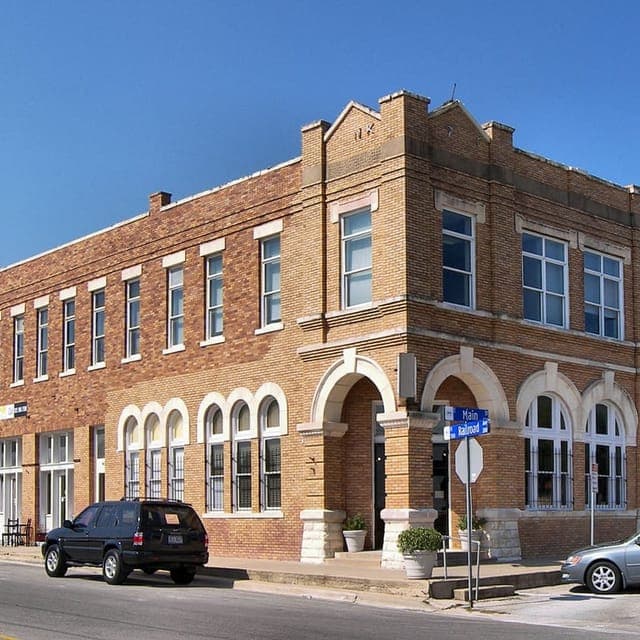
Similar towns to Seguin

* Values derived from national, state, county, city and local statistics and may differ in a specific area. Last updated: 2026-05-11T22:05:42.000Z
Narrative content on this page is AI-generated and may contain mistakes. Verify any details that matter before acting on them.
ReloMaps may earn a commission from affiliate links at no extra cost to you.

