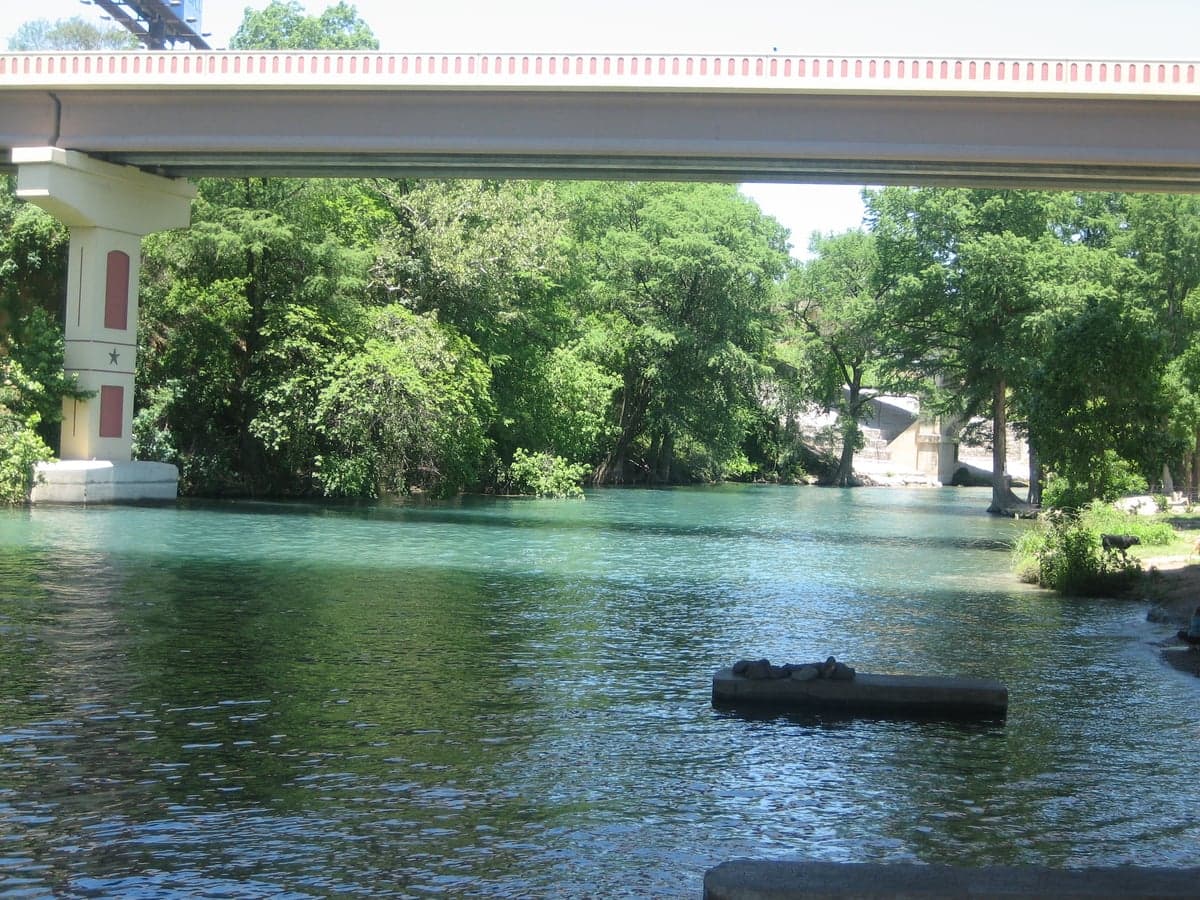
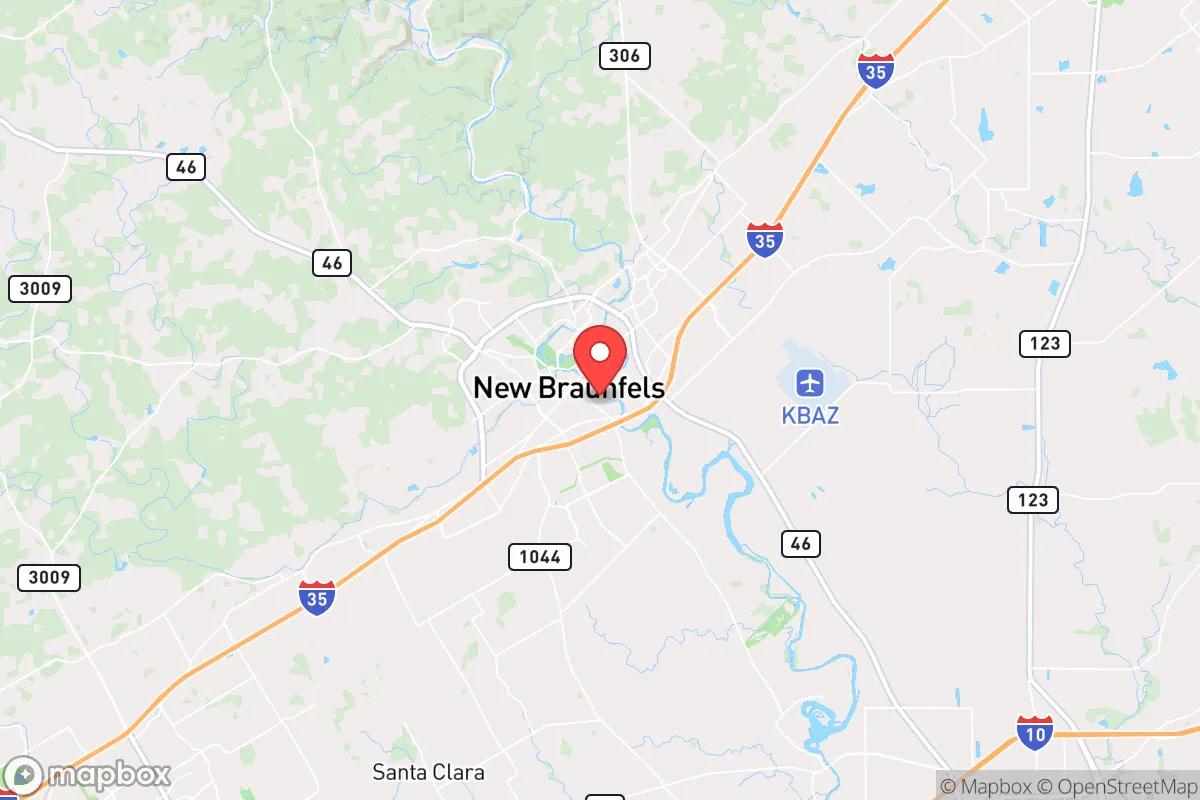

Photo: Wikipedia
Quality of Life in New Braunfels, TX
Above-average quality of iife. The area offers a reasonable cost of living, decent mobility, and a mix of neighborhood amenities.
What does Quality of Life tell us?
Quality of Life blends cost of living, nearby amenities, socioeconomic signals, and neighborhood character. City-level scores represent the whole municipality; individual neighborhoods can differ.
What does this tell us?
Quality of Life blends cost of living, nearby amenities, socioeconomic signals, and neighborhood character. City-level scores represent the whole municipality; individual neighborhoods can differ.
Cost of Living
24% above national average
The Real Cost of Living in New Braunfels, TX for 2026
| Tier | Individual | Family (4) |
|---|---|---|
| Survival | $25k | $46k |
| Comfortable | $61k | $90k |
| Luxury | $148k+ | $229k+ |
| Elite (Top 5%) | $174k+ | $270k+ |
98%
The Area Signal
A metric tracking the socioeconomic signals of the area.
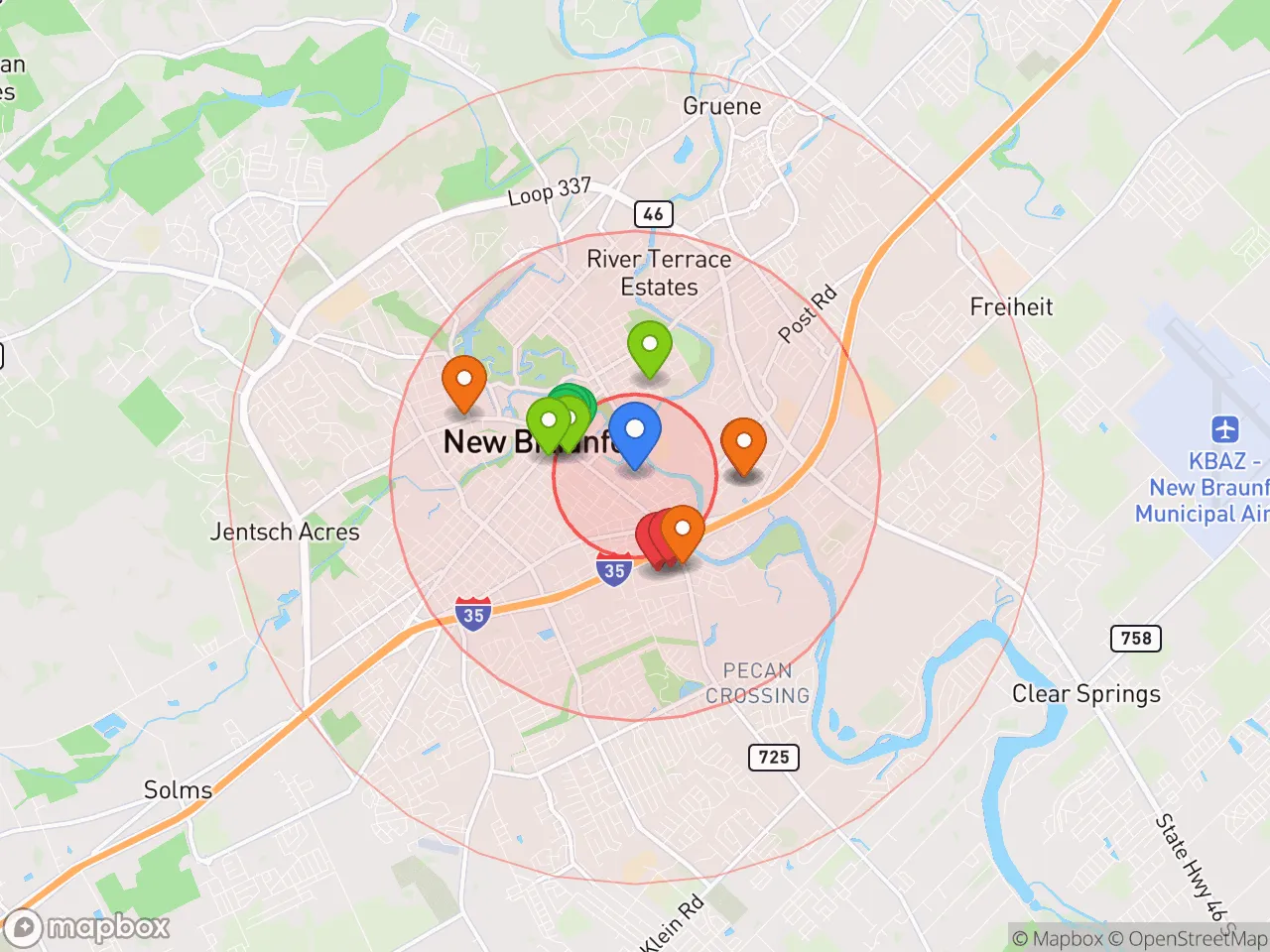
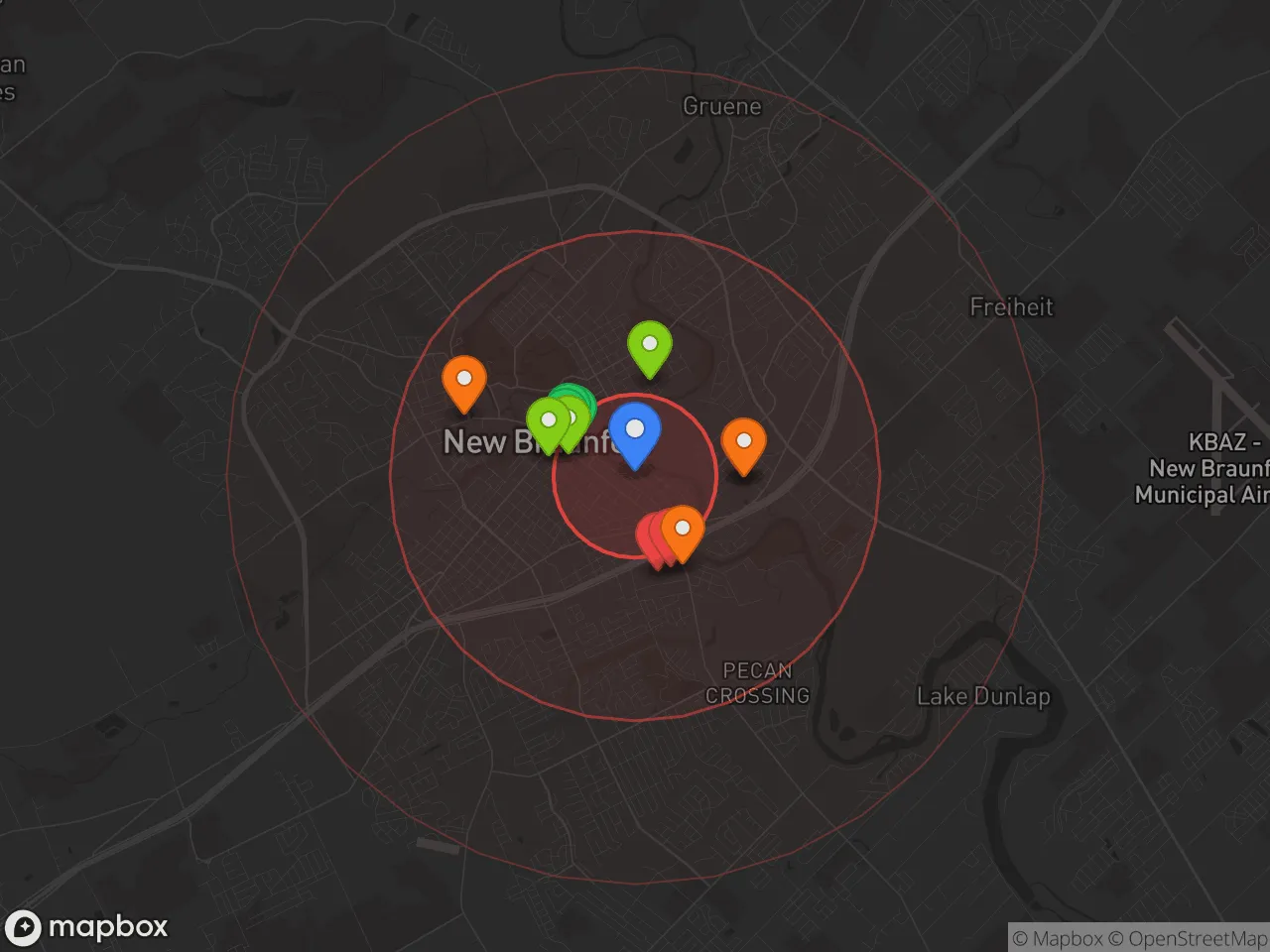
Hobbies
Explore the areaGroceries
5 within 10 miles
Gas
20 within 10 miles
Hospital
11 within 20 miles
Airport
SAN — San Antonio International
Post Office
USPS — New Braunfels, TX
Critical Amenities
Quality-of-Life Analysis
New Braunfels, Texas, has evolved from a small German heritage town into one of the fastest-growing mid-sized cities in the United States, attracting a mix of young families, remote workers, and retirees drawn to its Hill Country setting and proximity to both San Antonio and Austin. The city’s affluence is reflected in a cost of living index of 124 (100 = U.S. average), which is notably higher than the Texas state average of around 93, signaling that residents pay a premium for the area’s lifestyle, schools, and natural amenities. The population skews younger and more educated than the national average, with a median age of roughly 34 and a growing share of professionals employed in healthcare, manufacturing, and the service industries tied to tourism along the Comal and Guadalupe Rivers.
Cost of living, housing affordability, and how New Braunfels compares to San Antonio and Austin
New Braunfels sits in a unique affordability gap between the two major metros it connects. The median home value of $315,100 is significantly lower than Austin’s median of roughly $550,000, but it is about 15% higher than San Antonio’s median of $275,000. This pricing reflects the city’s desirability for commuters and those seeking a slower pace without sacrificing urban access. The median rent of $1,536 is similarly positioned—well above the San Antonio metro average of $1,200 but below Austin’s $1,800. For buyers, the trade-off is clear: you get more square footage and newer construction than in central Austin, but you pay a clear premium over comparable homes in Comal County’s more rural outskirts. The average commute of 26.8 minutes is manageable by Texas standards, though residents heading to downtown Austin (45–60 minutes) or San Antonio (30–40 minutes) face heavier traffic on Interstate 35, especially during peak tourist season.
What daily life is like for families: schools, parks, and the river culture
Daily life in New Braunfels revolves around its two defining features: the Comal and Guadalupe Rivers, and the highly regarded Comal Independent School District. The district consistently earns an A rating from the Texas Education Agency, with schools like New Braunfels High School and Canyon High School offering strong Advanced Placement programs and competitive athletics. The river system is not just a tourist draw—it is a central part of local recreation, with residents using the Comal River for tubing, kayaking, and swimming at Landa Park and Prince Solms Park. The city’s calendar is punctuated by events like Wurstfest, a 10-day German heritage festival each November, and regular live music at venues like Gruene Hall, the oldest dance hall in Texas. For daily errands, the city has a growing retail corridor along State Highway 46, anchored by H-E-B and Target, though residents often drive to San Antonio for specialty shopping or medical specialists. The pace is noticeably slower than in Austin, with a strong emphasis on outdoor activity and community events, making it a fit for families who prioritize school quality and river access over nightlife or career density.
New Braunfels is best suited for people who want a suburban or semi-rural lifestyle with strong schools, reliable outdoor recreation, and a manageable commute to either San Antonio or Austin. It works well for families with school-aged children, remote workers who need only occasional office visits, and retirees who value the Hill Country climate and low property crime rates relative to larger cities. The higher cost of living compared to the rest of Comal County means that budget-conscious buyers should look at nearby towns like Seguin or San Marcos, but for those willing to pay for a proven school system and year-round river access, New Braunfels offers a quality of life that few Texas suburbs can match.

Crime in New Braunfels, TX
Lower crime rates than 75% of comparable U.S. locations.
Violent CrimeViolent Crime Analysis
Property CrimeProperty Crime Analysis
Crime Analysis
New Braunfels, Texas, reports a violent crime rate of 224 incidents per 100,000 residents and a property crime rate of 1,157.1 per 100,000, placing it below national averages for both categories. However, the city's location within Comal County—part of the rapidly growing I-35 corridor between San Antonio and Austin—means it is influenced by the broader criminal justice policies of a large, increasingly progressive metropolitan region. While the city itself maintains relatively low crime figures, the surrounding judicial environment raises concerns for residents who prioritize public safety and victim-centered justice.
Crime in context
New Braunfels' violent crime rate of 224 per 100,000 is significantly lower than the national average of roughly 380 per 100,000, and its property crime rate of 1,157.1 per 100,000 also falls below the U.S. average of approximately 1,950 per 100,000. These figures reflect a community that has historically benefited from conservative local governance and law enforcement. However, the city is part of a larger metropolitan area where progressive district attorneys and judges in nearby Bexar County (San Antonio) and Travis County (Austin) have implemented policies such as reduced cash bail, diversion programs for repeat offenders, and sentencing leniency. These policies, while sympathetic to offenders, can lead to higher recidivism and more criminals on the street, potentially spilling over into New Braunfels as regional crime patterns shift.
What residents experience
Residents of New Braunfels generally report feeling safe in their daily lives, with property crimes like theft and vehicle break-ins being the most common complaints. The city's own police department maintains a visible presence, and community policing efforts are active. However, the broader trend of progressive criminal justice reform in the metro area means that offenders arrested in New Braunfels may face a judicial system that prioritizes rehabilitation over incarceration, particularly if cases are transferred to county or regional courts. This directly impacts victims, who may see reduced sentences for those who commit burglaries, assaults, or drug-related crimes. For families and retirees considering relocation, the risk is not that New Braunfels is unsafe today, but that the surrounding legal environment could erode public safety over time as lenient policies encourage repeat offending.
Neighborhood-level variation is notable. Established areas like Gruene and the historic downtown core see lower crime rates due to higher property values and active neighborhood watch programs. In contrast, newer subdivisions along the I-35 corridor and near the city's growing retail hubs experience more property crime, including package theft and vehicle break-ins. Prospective residents should research specific zip codes (e.g., 78130 vs. 78132) and consult local police reports to understand block-level risks. Overall, New Braunfels remains a relatively safe choice, but the influence of progressive metropolitan justice policies warrants caution for those who prioritize strict law enforcement and victim rights.
* Values derived from national, state, county, city and local statistics and may differ in a specific area. Last updated: 2026-04-29T12:59:19.000Z
Narrative content on this page is AI-generated and may contain mistakes. Verify any details that matter before acting on them.
ReloMaps may earn a commission from affiliate links at no extra cost to you.

