
Photo: Wikipedia
Find The Best Places To Live in Alamance County
PRO TIP! You can paste a Zillow or Redfin link to get info on that property.
Best Places to Live in Alamance County
Cities & Towns in Alamance County
Cities in Alamance County
What It's Like Living in Alamance County, NC
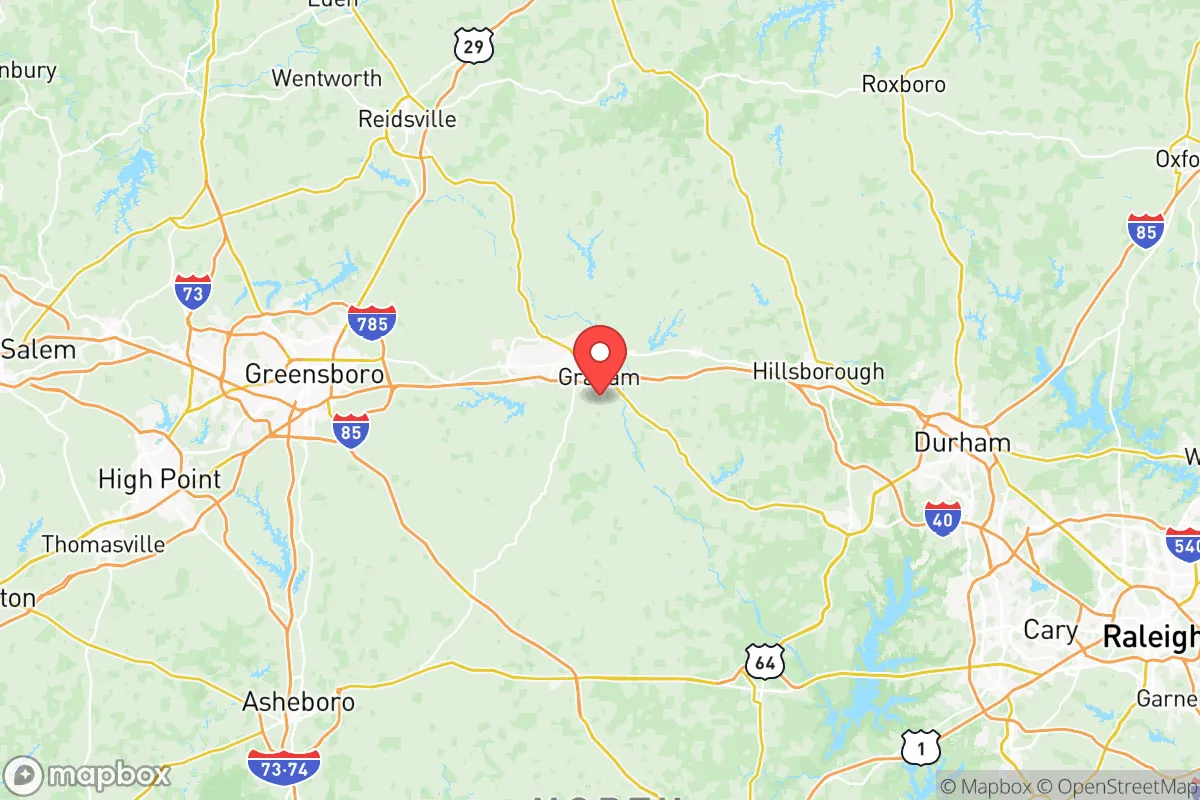
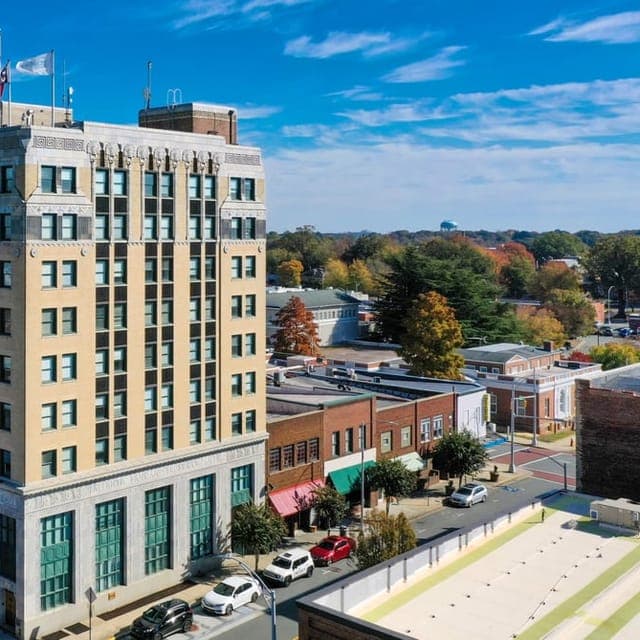
Alamance County sits right in the middle of North Carolina’s Piedmont region, and it feels like a place that’s still deciding what it wants to be when it grows up. You’ve got the old textile mill towns like Burlington and Graham holding onto their brick-and-mortar roots, while places like Mebane and Elon are filling up with newcomers who commute to the Research Triangle or Greensboro. It’s not a flashy place, but it’s solid — the kind of county where people wave from their front porches in Snow Camp and still call the local diner by name in Gibsonville.
The Daily Rhythm: Work, Commute, and Where You Actually Spend Your Time
Most people in Alamance County live a car-dependent life, and the average commute clocks in at about 25.6 minutes — right around the national norm. That drive often heads east toward Chapel Hill or Durham for tech and university jobs, or west to Greensboro for manufacturing and logistics work. Within the county, the biggest employers are LabCorp in Burlington, the Alamance-Burlington School System, and a mix of furniture and textile plants that have survived the industry’s long decline. If you’re working locally, you’re likely in healthcare, education, or light manufacturing. The median household income sits at $64,445, which is a bit below the state average, but the cost of living index of 83 (100 is the U.S. average) means your paycheck stretches further here than in nearby Raleigh or Durham. A median home value of $221,200 gets you a solid three-bedroom in Graham or a newer townhouse in Mebane — something that would cost double just 30 minutes east.
Weekends here are low-key. People in Burlington hit up the Burlington City Park for a walk around the lake, or they drive out to Lake Mackintosh on the Lake in Burlington for a round of golf and a beer on the patio. The food scene is more meat-and-three than farm-to-table, but you’ll find solid Mexican spots along Huffman Mill Road and a few barbecue joints that locals swear by — Hursey’s Bar-B-Q in Graham has been around since the 1940s and still draws a lunch crowd. For groceries, it’s mostly Harris Teeter and Food Lion, with a Walmart Supercenter anchoring most shopping trips.
Sports, Community, and the Things That Bring People Together
High school football is the closest thing Alamance County has to a unifying religion. On Friday nights in the fall, you’ll find crowds at Burlington Williams High School and Southern Alamance High School packing the bleachers, and the rivalry between Graham High School and Cummings High School is the kind of thing that gets passed down through generations. College sports are a big deal too, but not in the way you’d expect — Elon University in the town of Elon has a Division I athletics program that punches above its weight, and Phoenix basketball and football games are a popular weekend outing for families who don’t want to fight Triangle traffic. There’s no pro team in the county, but plenty of residents are split between Duke and UNC loyalists and UNC fans, with a solid contingent of NC State folks mixed in.
The county’s biggest annual event is the Alamance County Fair in Burlington, which rolls through in September with midway rides, livestock shows, and enough fried dough to make you regret your choices. The Carolina Bacon Festival in Graham is a newer addition that draws a younger crowd, and the Mebane Dogwood Festival in April is a classic small-town street fair with craft vendors and a parade. For outdoor types, the Haw River Trail runs through the county and offers hiking and paddling access, especially around the Great Bend in Swepsonville.
Pros and Cons of Living Here: What Locals Will Tell You
- Pro: Affordability that’s getting harder to find. The cost of living is a genuine draw. You can buy a home here for what a down payment would cost in Chapel Hill, and property taxes are lower than in Orange County. Families priced out of the Triangle are moving to Mebane and Elon in noticeable numbers.
- Con: The commute can wear on you. If you work in Durham or Raleigh, you’re looking at 45 minutes to an hour each way on I-40 or I-85. Traffic jams around the Mebane exit are a daily frustration, and there’s no commuter rail option yet.
- Pro: A slower pace of life. People here aren’t in Snow Camp and Gibsonville still know their neighbors. It’s the kind of place where kids ride bikes on the street and you can leave your garage door open without worrying.
- Con: Limited nightlife and entertainment. If you want live music beyond cover bands at a sports bar, you’re driving to Greensboro or Durham. The Paramount Theater in Burlington brings in some touring acts, but it’s not a weekly thing. The county’s violent crime rate of 309.4 per 100,000 is slightly above the national average, and most of that is concentrated in specific parts of Burlington — something to check block by block if you’re house hunting.
- Pro: Schools are a community anchor. The Alamance-Burlington School System is the largest employer in the county, and local parents are deeply involved in school board meetings and booster clubs. The median age here is 38.7, which means a lot of families with school-age kids. Private options include Blessed Sacrament School in Burlington and a few Christian academies.
- Con: Not much racial or economic diversity in some towns. Only 27.7% of adults hold a bachelor’s degree or higher, and the county’s political leanings are a mix — Burlington and Elon trend blue, while the rural areas and Graham vote red. That split can feel sharp during election season.
Alamance County isn’t for someone who wants a 24-hour city or a hipster coffee scene. It’s for someone who wants a decent house with a yard, a job that doesn’t require a two-hour commute, and a community where the high school football coach knows your kid’s name. The trade-off is that you’ll drive a little farther for a good concert or a fancy dinner, and you’ll learn to live with the occasional traffic backup at the Mebane exit. But for a lot of people — especially those raising kids or looking to stretch a middle-class income — class income — that trade feels like a pretty good deal.

* Values derived from national, state, county, city and local statistics and may differ in a specific area. Last updated: 2026-05-19T11:16:07.000Z
Narrative content on this page is AI-generated and may contain mistakes. Verify any details that matter before acting on them.
ReloMaps may earn a commission from affiliate links at no extra cost to you.

