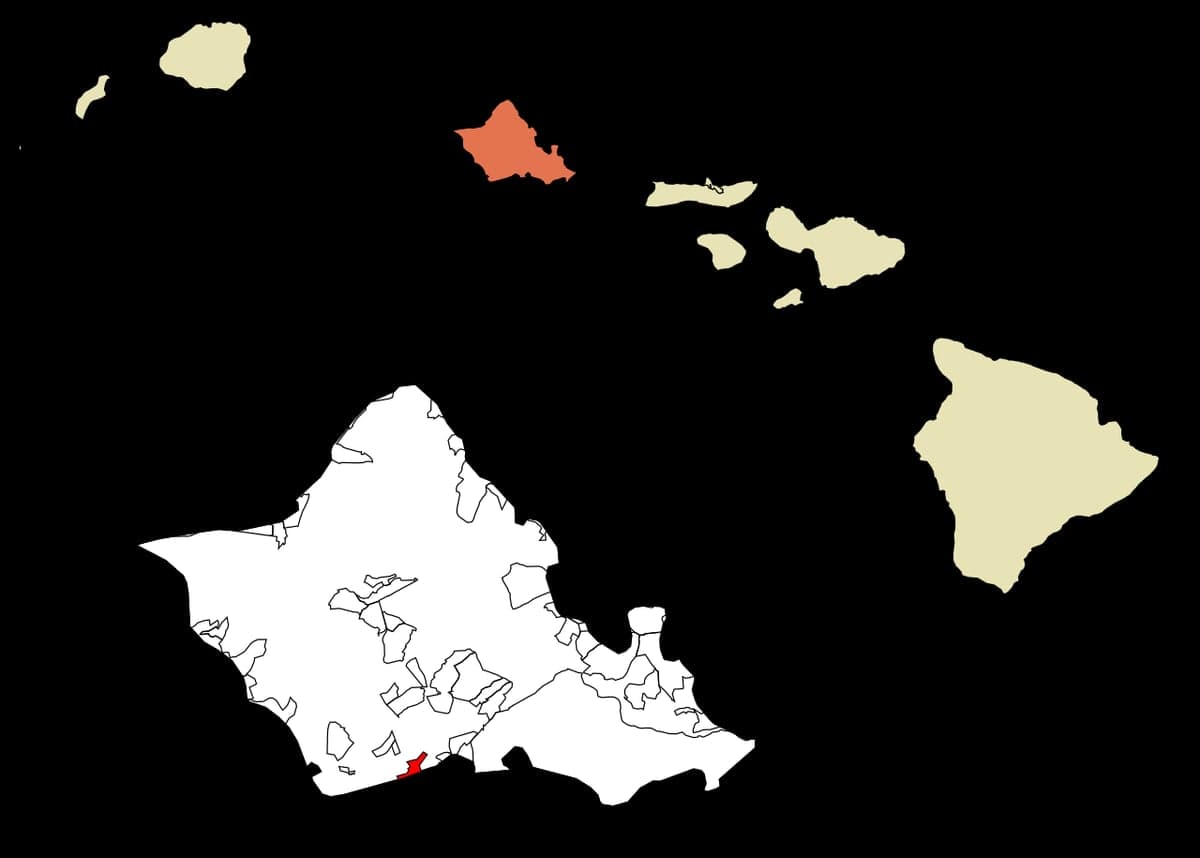
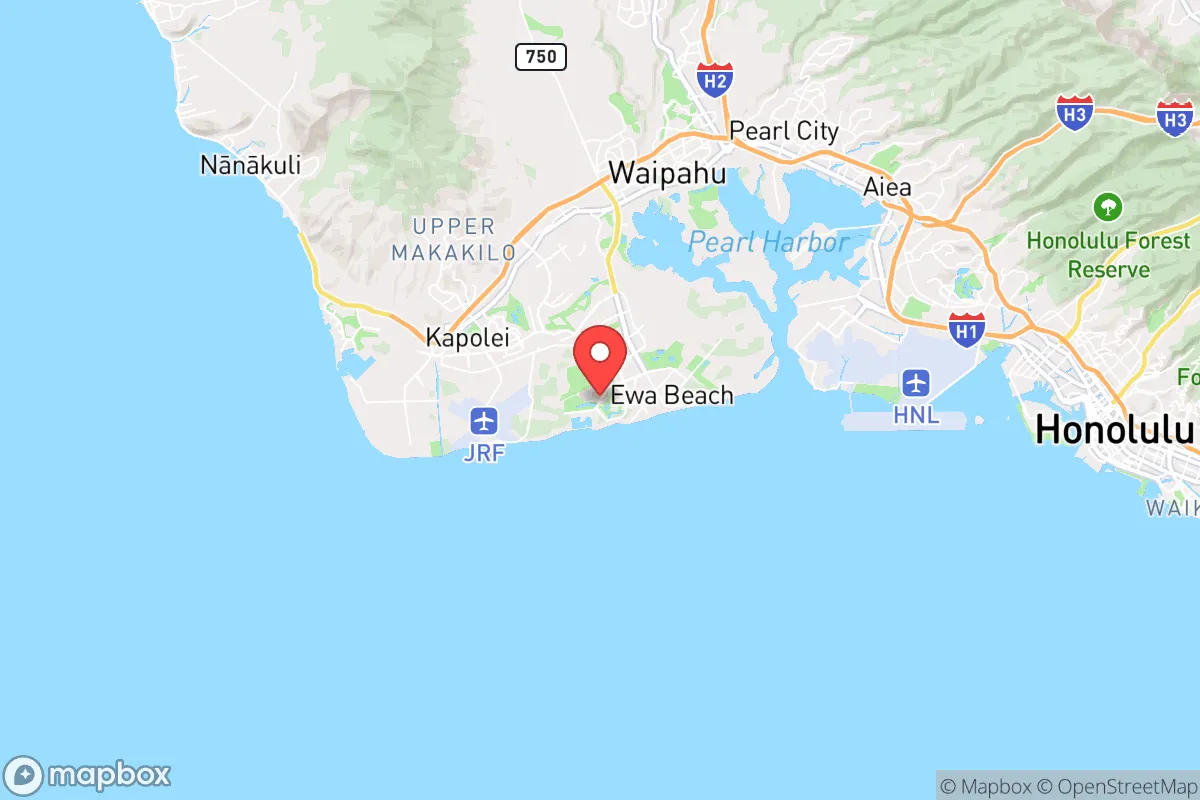
Photo: Wikipedia
Quality of Life in Ocean Pointe, HI
A high quality of life with strong walkability, manageable living costs, healthy neighborhood signals, and solid amenity access.
What does Quality of Life tell us?
Quality of Life blends cost of living, nearby amenities, socioeconomic signals, and neighborhood character. City-level scores represent the whole municipality; individual neighborhoods can differ.
What does this tell us?
Quality of Life blends cost of living, nearby amenities, socioeconomic signals, and neighborhood character. City-level scores represent the whole municipality; individual neighborhoods can differ.
Cost of Living
197% above national average
The Real Cost of Living in Ocean Pointe, HI for 2026
| Tier | Individual | Family (4) |
|---|---|---|
| Survival | $37k | $69k |
| Comfortable | $103k | $151k |
| Luxury | $151k+ | $233k+ |
| Elite (Top 5%) | $177k+ | $275k+ |
95%
The Area Signal
A metric tracking the socioeconomic signals of the area.
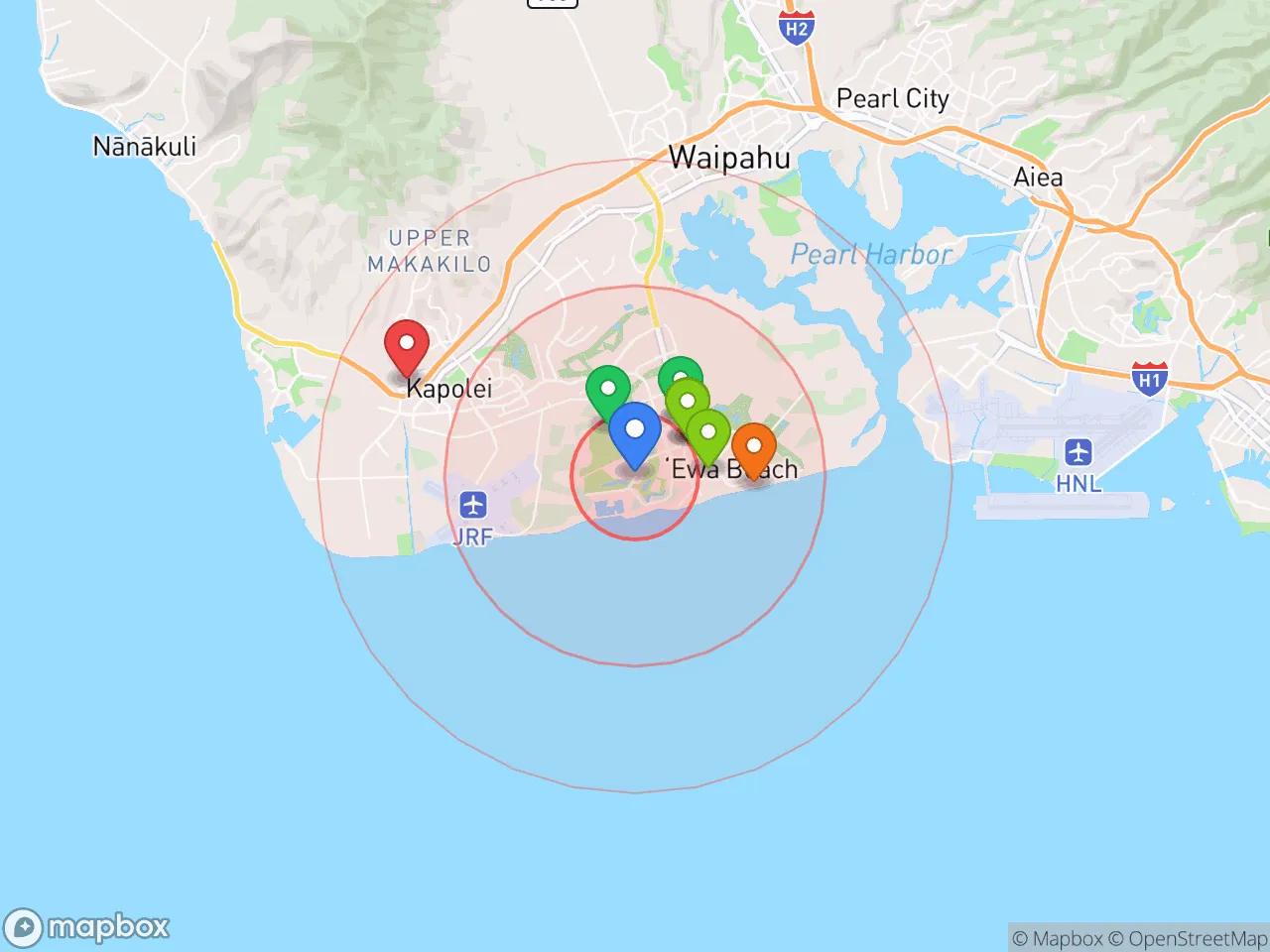
Hobbies
Explore the areaGroceries
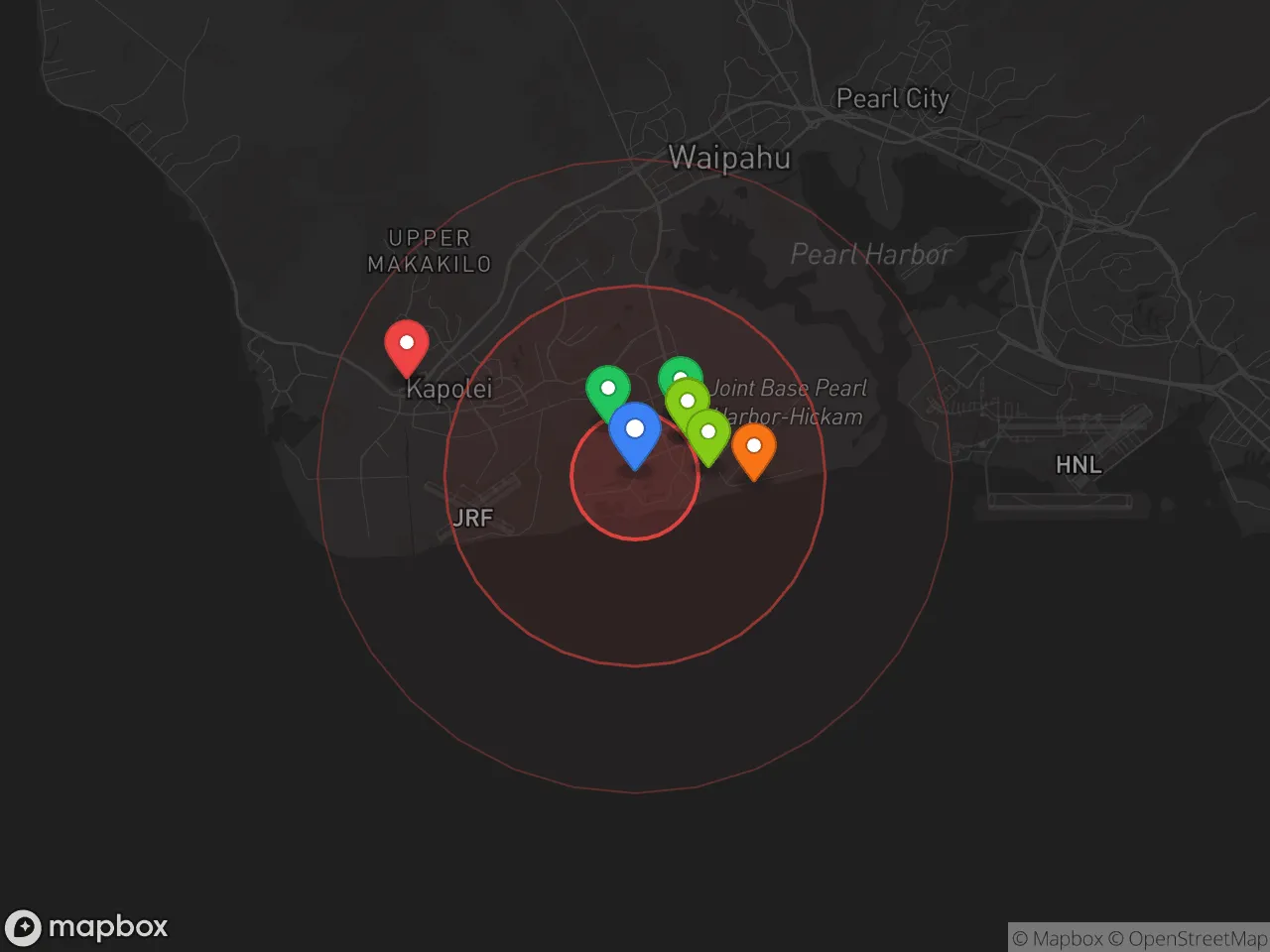
5 within 10 miles
Gas
20 within 10 miles
Hospital
15 within 20 miles
Airport
Daniel K. Inouye International Airport
Post Office
USPS — Ewa Beach, HI
Critical Amenities
Quality-of-Life Analysis
Ocean Pointe, a master-planned community on the southwestern shore of Oahu, is one of Hawaii’s most affluent suburban enclaves, drawing a demographic of upper-middle-class professionals, military families from nearby Joint Base Pearl Harbor-Hickam, and retirees seeking a quieter, resort-style lifestyle away from Waikiki’s congestion. With a cost-of-living index of 297—nearly three times the national average—the area is defined by its high property values, long commutes, and a deliberate trade-off between island beauty and mainland-level affordability. The community’s residents are typically dual-income households or military personnel who prioritize space, newer housing stock, and access to the Ewa Plain’s growing infrastructure over the urban energy of Honolulu.
Cost of living, housing affordability, and how Ocean Pointe compares to nearby areas
Ocean Pointe’s cost-of-living index of 297 is significantly higher than the U.S. average of 100, but it is actually slightly below the Oahu-wide index of approximately 310, reflecting a modest discount for living farther from downtown Honolulu. The median home value of $877,600 is roughly $100,000 less than the median for all of Oahu, yet it still places Ocean Pointe among the most expensive ZIP codes in the state. Renters face a median monthly rent of $3,347, which is about $300 higher than the Oahu average, driven by the community’s newer, larger single-family homes and townhouses. Compared to nearby Kapolei—often called Oahu’s “second city”—Ocean Pointe homes command a premium of roughly 10-15% due to its gated subdivisions and proximity to the Hoakalei Country Club. The average commute of 38.2 minutes is a critical trade-off: residents endure longer drives to Honolulu (often 45-60 minutes in peak traffic) in exchange for a lower purchase price and newer construction than what is available in older, more central neighborhoods like Salt Lake or Moanalua.
Amenities, schools, and what daily life feels like in Ocean Pointe
Daily life in Ocean Pointe revolves around its master-planned amenities: the community features multiple parks, a community center, and direct access to the Hoakalei Resort’s golf course and marina. The area is served by the Hawaii Department of Education’s Ewa Beach complex, with Pohakea Elementary School and Ewa Makai Middle School both rated above the state average on standardized tests, though high school students commute to James Campbell High School, which has a mixed academic reputation. For groceries and errands, residents drive 5-10 minutes to the Kapolei Commons shopping center, which includes a Target, Safeway, and various chain restaurants. The rhythm is distinctly suburban: weekends are spent at the nearby White Plains Beach or the Ko Olina lagoons, while weekday mornings see a steady stream of cars heading toward the H-1 Freeway. The community’s homeowners association enforces strict rules on landscaping and parking, which maintains curb appeal but can feel restrictive to those accustomed to more independent living.
Ocean Pointe is best suited for families and professionals who can absorb the high cost of living and long commute in exchange for a newer, safer, and more spacious environment than what most of Oahu offers. Military personnel stationed at Pearl Harbor or Schofield Barracks find the commute manageable, while remote workers with mainland salaries can leverage the lower relative housing costs compared to Honolulu proper. Retirees who value golf, marina access, and a quiet atmosphere will also thrive, provided they are comfortable with the area’s limited nightlife and reliance on personal vehicles. Those seeking walkable urban energy, lower housing costs, or a shorter commute should look elsewhere on the island.

Crime in Ocean Pointe, HI
Generally safer than 64% of comparable U.S. locations.
Violent CrimeViolent Crime Analysis
Property CrimeProperty Crime Analysis
Crime Analysis
Ocean Pointe, a master-planned community on Oahu's Ewa Plain, presents a safety profile that is notably safer than the national average for violent crime but slightly elevated for property crime. With a violent crime rate of 200.2 incidents per 100,000 residents, the area is roughly half the U.S. average, while its property crime rate of 1,586.9 per 100,000 sits about 10% above the national benchmark. However, the broader context of Hawaii's justice system—often characterized by progressive policies and lenient sentencing—introduces a layer of concern for residents, as these factors can undermine public safety and embolden repeat offenders.
Crime in context
Ocean Pointe's violent crime rate is significantly lower than the Hawaii state average of approximately 250 per 100,000 and well below the national figure of 380 per 100,000. This is largely attributable to the community's design as a gated, suburban enclave with private security patrols and limited public access. Property crime, however, is a more pressing issue. The rate of 1,586.9 per 100,000 exceeds both the state average (roughly 2,200 per 100,000) and the national average (around 1,450 per 100,000). The most common offenses include vehicle break-ins, package theft, and bicycle theft, often tied to transient populations moving between Honolulu and the Leeward Coast. Critics point to Hawaii's progressive judiciary, which frequently prioritizes rehabilitation over incarceration, as a contributing factor to property crime persistence. For example, Honolulu's prosecutors and judges have been criticized for low bail requirements and diversion programs that allow repeat property offenders to cycle back into neighborhoods like Ocean Pointe with minimal consequences.
What residents experience
Daily life in Ocean Pointe feels safe, with well-lit streets, neighborhood watch programs, and a visible private security presence. Violent incidents are rare—typically domestic disputes or isolated assaults rather than random attacks. However, property crime is a routine annoyance. Residents report that unlocked cars and garages are frequent targets, and package theft from doorsteps is common, especially during holiday seasons. The community's homeowners association (HOA) has implemented measures like license plate recognition cameras and increased patrols, but the effectiveness is limited by the broader judicial environment. Progressive district attorneys and judges in Honolulu County have been known to release suspects on their own recognizance for non-violent property crimes, leading to a perception that the justice system does not adequately deter theft. This creates a tension: the neighborhood itself is safe, but the legal framework surrounding it is seen as permissive, which can frustrate residents who feel their property is undervalued by the system.
Neighborhood-level variation within Ocean Pointe is minimal due to its uniform design and HOA governance. The community is divided into phases (e.g., Phase 1 near the entrance, Phase 2 closer to the golf course), but crime patterns are consistent across all sections. The primary variable is proximity to the main gate: homes near the entrance experience slightly higher rates of package theft, while interior homes see more vehicle-related incidents. For those considering a move, the trade-off is clear: Ocean Pointe offers a low violent crime environment but requires vigilance against property crime, with the added caveat that Hawaii's progressive justice policies may limit the effectiveness of law enforcement responses. Prospective residents should factor in the cost of private security measures, such as cameras and alarm systems, as a routine part of living here.
* Values derived from national, state, county, city and local statistics and may differ in a specific area. Last updated: 2026-04-24T07:05:37.000Z
Narrative content on this page is AI-generated and may contain mistakes. Verify any details that matter before acting on them.
ReloMaps may earn a commission from affiliate links at no extra cost to you.

