Political ClimatePolitical Climate in Ocean Ridge, FL
District shown is the primary district for this city’s centroid. Cities may span multiple districts.
Local Political AnalysisPolitical Analysis of Ocean Ridge, FL
Ocean Ridge is one of those rare spots in Florida where the political vibe has shifted noticeably left in recent years, and honestly, it’s a bit of a head-scratcher if you’ve been around here long enough. The Cook PVI sits at D+4, which means this small coastal town leans Democratic by a modest margin—nothing extreme, but a real departure from the surrounding state of Florida, which clocks in at R+5. That’s a solid 9-point gap between Ocean Ridge and the rest of the state, and you feel it in local conversations, especially around property rights and development regulations. A decade ago, this was a reliably conservative enclave; now, you’ll hear more chatter about climate ordinances and density restrictions that feel like they’re creeping into personal freedoms.
How it compares
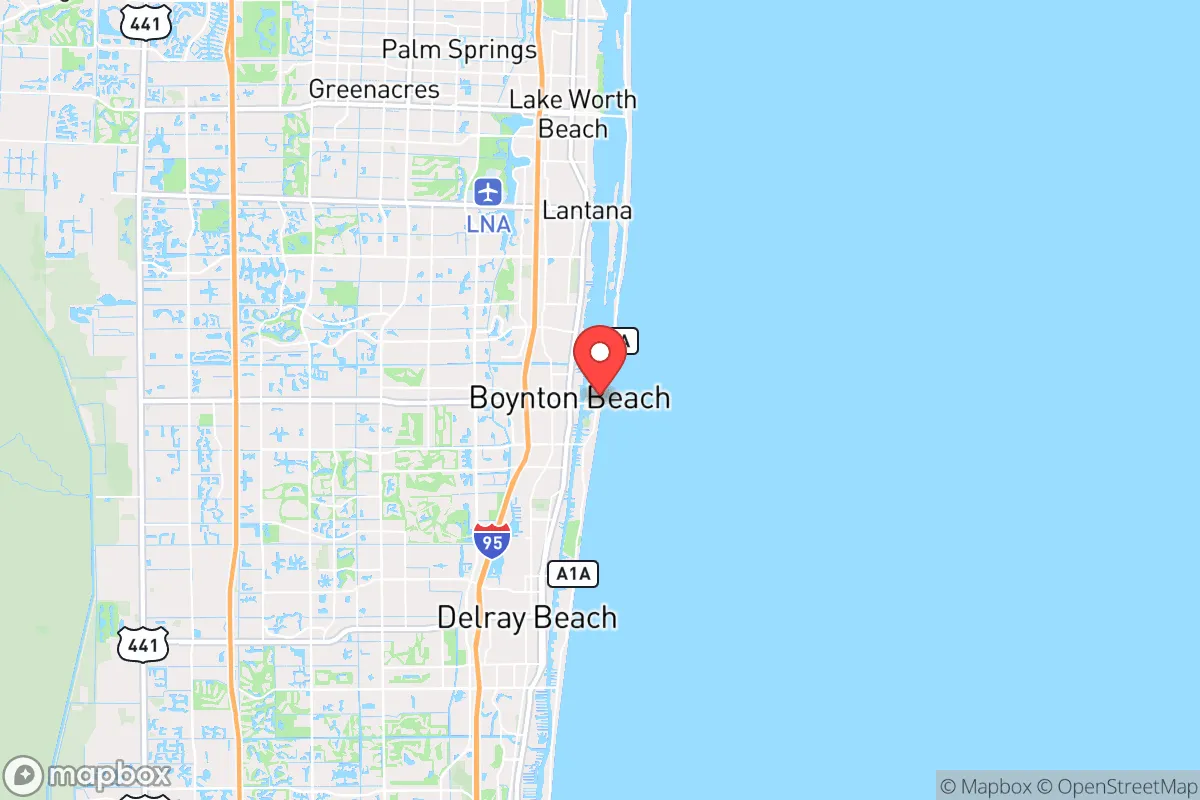
When you stack Ocean Ridge against nearby towns like Boynton Beach to the north or Delray Beach to the south, the contrast is stark. Boynton Beach has a Cook PVI of D+8, so it’s even more progressive, while Delray Beach sits at D+6—both are deeper blue than Ocean Ridge. But head west just a few miles to places like Lantana or Hypoluxo, and you’ll find communities that lean more conservative, often R+3 or R+4, reflecting the broader Florida trend. The real kicker is how Ocean Ridge’s D+4 compares to the state’s R+5: it means local policies here are increasingly shaped by a minority viewpoint statewide. You see it in zoning battles and beach access rules—decisions that feel less about common sense and more about top-down mandates from a vocal few.
What this means for residents
For folks who value personal autonomy and limited government, the shift in Ocean Ridge is worth watching closely. The D+4 lean has brought more progressive voices to the table, and with them, proposals that can feel like overreach—think stricter short-term rental bans, higher impact fees, and environmental rules that tie up property improvements. Longtime residents remember when town meetings were about keeping taxes low and letting people manage their own land; now, you’re seeing more debates about “sustainability” mandates that add red tape. If this trajectory continues, the next few years could bring tighter controls on everything from lawn watering to home renovations, which is a far cry from the live-and-let-live ethos that drew many here in the first place.
Culturally, Ocean Ridge still holds onto some of its old-school charm—quiet streets, no big commercial zones, and a strong sense of privacy. But the policy drift is real. The town’s small size means a handful of motivated activists can sway elections, and that’s how you end up with a D+4 rating in a state that’s R+5. For now, it’s manageable, but if you’re considering a move here, keep an eye on local commission races. The contrast with surrounding areas like Gulf Stream or Manalapan—both more conservative—shows that Ocean Ridge is an outlier, not the norm. If the trend holds, expect more friction between residents who want to keep government out of their lives and those pushing for a bigger role. It’s still a great place to live, but the political winds are shifting, and not everyone is comfortable with the direction.

State Political ClimatePolitical Climate in Florida
State Political AnalysisPolitical Environment in the State
Florida is a solidly Republican state with a Cook PVI of R+5, but calling it a simple red state misses the real story. The dominant coalition is a mix of conservative retirees, military veterans, and a growing number of families fleeing high-tax states, but the state’s political trajectory over the last 10-20 years has been a dramatic lurch to the right, followed by a recent stabilization. From 2000 to 2012, Florida was a true swing state, but the 2020 and 2024 cycles saw it become a reliable Republican stronghold, with Miami-Dade County flipping red for the first time in decades and the Panhandle and interior counties solidifying their conservative base. This shift is driven by in-migration from blue states and a state-level policy agenda that has aggressively embraced conservative governance.
Urban vs. rural divide
The political map of Florida is a tale of three regions. The Panhandle and interior counties — places like Pensacola, Panama City, and Ocala — are deeply red, with rural precincts often voting 70-80% Republican. The I-4 corridor from Tampa to Orlando is the traditional battleground, but even here, suburban counties like Polk and Volusia have shifted right. The biggest story is Miami-Dade County, which voted for Trump in 2024 after decades of Democratic dominance, driven by Cuban-American and Venezuelan voters who are fiercely anti-socialist. Meanwhile, Tallahassee (the capital) and Gainesville (home to UF) remain blue islands, but they lack the population to swing statewide elections. The urban cores of Miami, Orlando, and Tampa still lean Democratic, but the suburbs around them — Kissimmee, Lakeland, and Cape Coral — have moved decisively right.
Policy environment
Florida’s policy environment is a conservative’s dream, with a deliberate focus on limiting government overreach. There is no state income tax, a major draw for relocators. The regulatory posture is business-friendly, with a right-to-work law and minimal red tape. On education, Governor DeSantis pushed through the Parental Rights in Education Act (HB 1557, the "Don't Say Gay" law) and expanded school choice via the Family Empowerment Scholarship, giving parents control over their kids’ education. Healthcare is a mixed bag: the state refused Medicaid expansion, keeping costs lower for taxpayers, but rural hospital closures are a real concern. Election laws were tightened with SB 90 (2021), requiring voter ID, limiting drop boxes, and banning ballot harvesting — measures that critics call suppression but supporters say ensure integrity. Property taxes are moderate, but homeowners insurance has skyrocketed due to litigation and hurricane risk, which is a practical headache for new residents.
Trajectory & freedom
Florida is arguably more free than it was a decade ago, especially on personal liberty issues that matter to conservatives. The Constitutional Carry law (SB 150, 2023) eliminated the need for a permit to carry a concealed firearm, a major expansion of Second Amendment rights. The Parental Rights in Education Act and the Stop WOKE Act (HB 7, 2022) restricted critical race theory and gender ideology in schools and workplaces, pushing back against what many see as government-mandated progressive indoctrination. On medical autonomy, the state banned COVID-19 vaccine mandates for private employers and schools, and SB 988 (2023) prohibited mask mandates in schools. However, property rights took a hit with the 2022 property insurance reform, which limited the ability to sue insurers, and the state’s growth management laws have been weakened, leading to unchecked development that some residents resent. Overall, the trend is toward expanding personal freedom, but with a pragmatic, business-friendly twist that sometimes favors corporations over individuals.
Civil unrest & political movements
Florida has seen its share of political flashpoints, but they are less about street protests and more about organized movements. The 2020 Black Lives Matter protests in Miami, Orlando, and Jacksonville were significant but quickly faded. The real action has been on the right: the Florida Parental Rights Alliance and Moms for Liberty (founded in Brevard County) have been highly effective at organizing school board elections and pushing back on curriculum changes. Immigration politics are a constant issue, with Governor DeSantis busing migrants to Martha’s Vineyard and signing SB 1718 (2023), which requires E-Verify for employers and bans local sanctuary policies. There is no serious secession or nullification rhetoric, but the state has openly defied federal mandates on COVID-19 and immigration, asserting its sovereignty. Election integrity controversies have been minimal since the 2020 recount, but the state’s aggressive voter roll purges and the creation of the Office of Election Crimes and Security have kept the issue alive. A new resident will notice the heavy police presence in tourist areas and the lack of visible homelessness compared to blue states, which is a deliberate policy choice.
Projection
Over the next 5-10 years, Florida will likely become even more conservative, but with a growing libertarian streak. The in-migration from New York, California, and Illinois is bringing people who are fleeing high taxes and progressive policies, not importing them. This will further solidify the Republican majority, especially in the I-4 corridor and the southwest coast. The biggest wildcard is the aging population: as boomers retire, they tend to vote more conservatively on taxes and crime, but may become more moderate on healthcare and environmental issues. The Hispanic vote, particularly in Miami-Dade, is shifting right, and this trend will continue as second-generation Cuban and Venezuelan voters prioritize economic freedom over identity politics. Expect more school choice expansion, further tax cuts, and continued resistance to federal overreach. The downside is that housing costs and insurance rates will keep rising, potentially pricing out the very families the state is trying to attract. A new resident moving in now should expect to find a state that is politically stable, culturally conservative, and increasingly assertive in its independence from Washington.
For a new resident, the bottom line is this: Florida offers a high degree of personal freedom, low taxes, and a government that respects parental rights and gun ownership. You will not see mask mandates, vaccine passports, or CRT in schools. The trade-offs are high insurance costs, intense heat, and a housing market that is no longer cheap. If you value being left alone to live your life without government interference, Florida is one of the best bets in the country. Just be prepared for the humidity and the traffic.
* Values derived from national, state, county, city and local statistics and may differ in a specific area. Last updated: 2026-05-14T02:26:29.000Z
Narrative content on this page is AI-generated and may contain mistakes. Verify any details that matter before acting on them.
ReloMaps may earn a commission from affiliate links at no extra cost to you.

