Photo: Wikipedia
Quality of Life in Greene County
A livable area that tracks near national norms for affordability, walkability, and neighborhood health.
What does Quality of Life tell us?
Quality of Life measures an area by evaluating factors like cost of living, nearby amenities, country club access, airport proximity, socioeconomic signals and neighborhood character. For large states, this is a general average — quality of life can vary dramatically between metro areas, suburbs, and rural communities within the same state.
What does this tell us?
Quality of Life measures an area by evaluating factors like cost of living, nearby amenities, country club access, airport proximity, socioeconomic signals and neighborhood character. For large states, this is a general average — quality of life can vary dramatically between metro areas, suburbs, and rural communities within the same state.
Cost of Living
10% below national average
125%
The Real Cost of Living in Greene County for 2026
| Tier | Individual | Family (4) |
|---|---|---|
| Survival | $17k | $33k |
| Comfortable | $46k | $68k |
| Luxury | $140k+ | $216k+ |
| Elite (Top 5%) | $164k+ | $255k+ |
Quality-of-Life Analysis
Greene County, Ohio, offers a broad quality-of-life spectrum that spans from the college-town energy of its largest city to the quiet, rural crossroads of its unincorporated hamlets, drawing everyone from university faculty and young professionals to farmers and Dayton-area commuters. With a cost-of-living index of 90 (10 percent below the national average), a median home value of $238,000, and a median rent of $1,089, the county provides tangible affordability across its diverse communities. The average commute of roughly 22 minutes means residents can choose a distinctly urban, suburban, or rural lifestyle without sacrificing reasonable access to employment centers in Dayton, Springfield, and Columbus.
Largest town(s) & population centers
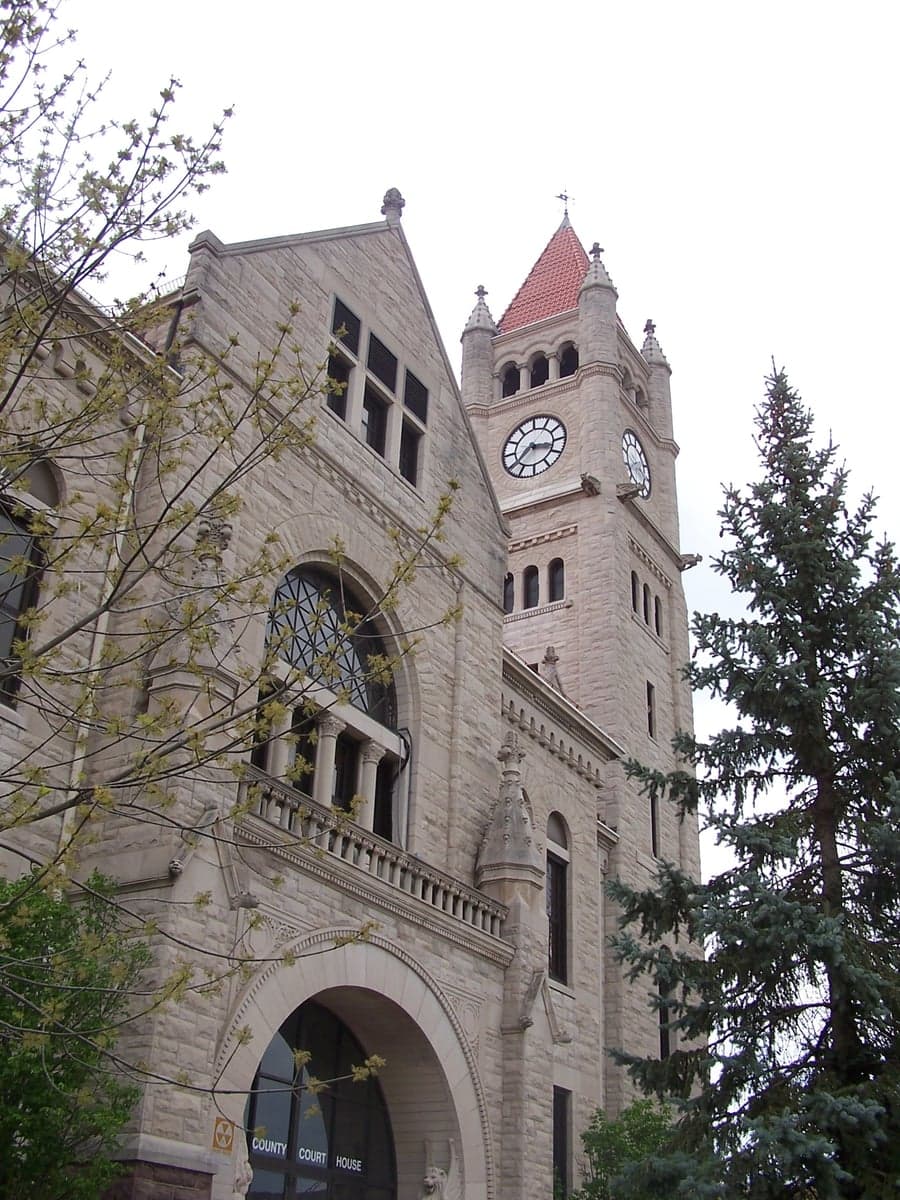
Beavercreek is the county's largest city and primary population center, home to roughly 48,000 residents. Daily life here is defined by master-planned subdivisions, big-box retail along North Fairfield Road, and the Wright-Patterson Air Force Base employment corridor that anchors the local economy. Beavercreek's schools are consistently rated among Ohio's best, and the city offers extensive parks, recreational sports leagues, and the Beavercreek Golf Club. Xenia, the county seat with about 26,000 residents, has a more traditional downtown grid anchored by the Greene County Courthouse and a growing craft-beer scene. Xenia is also a hub for the region's extensive paved trail network, including the 50-mile Little Miami Scenic Trail. Fairborn, adjacent to Wright-Patterson, has a population near 33,000 and a noticeably more working-class character, with older housing stock, a compact downtown, and a strong military-affiliated population. Yellow Springs, though smaller at roughly 3,700 residents, functions as a cultural and intellectual center due to Antioch College and its famously progressive, arts-oriented community; its downtown is filled with independent bookstores, galleries, and farm-to-table dining.
Smaller towns & rural pockets
Beyond the population centers, Greene County contains several distinct smaller communities. Bellbrook (pop. ~7,200) is an affluent village with a historic downtown along the Little Miami River, known for its excellent Sugarcreek Township schools and large-lot suburban estates. Cedarville (pop. ~4,200) is dominated by Cedarville University, a private Christian institution that shapes the town's conservative, family-oriented atmosphere. Jamestown (pop. ~2,000) and Bowersville (pop. ~300) are classic agricultural service towns, with grain elevators, volunteer fire departments, and a slower pace of life. The unincorporated areas of Wilberforce and Clifton are notable: Wilberforce is home to Central State University and Wilberforce University, two historically Black universities that give the area a unique academic and cultural identity, while Clifton is a tiny historic village (pop. ~130) with a preserved 19th-century mill and a popular natural area at Clifton Gorge. The county's rural pockets are concentrated in the eastern and southern townships, including Caesarscreek Township and Ross Township, where working farms and hobby acreages dominate the landscape.
Cost & lifestyle range
The cost-of-living spread across Greene County is substantial. At the higher end, Bellbrook and Beavercreek's newer subdivisions push median home values well above the county average, often exceeding $350,000, with correspondingly higher property taxes and HOA fees. These areas attract professionals and military officers seeking top-rated schools and low crime rates. At the lower end, Fairborn and parts of Xenia offer median home values closer to $180,000–$200,000, with older homes and duplexes that make homeownership accessible to first-time buyers and younger families. Renters find the best deals in Fairborn and Jamestown, where two-bedroom apartments can fall below $850. The lifestyle range is equally wide: Yellow Springs residents walk to coffee shops and attend poetry readings, while Caesarscreek Township residents may drive 15 minutes to the nearest grocery store. Amenities like the Greene County Public Library system, the Beavercreek YMCA, and the Xenia Station trailhead are distributed unevenly, so residents in rural pockets typically rely on their vehicles for most errands and services.
Greene County best suits people who value choice and are willing to trade off specific amenities for affordability or space. Young families and military personnel often gravitate to Beavercreek and Fairborn for job proximity and school quality, while retirees and academics find their niche in Yellow Springs or Bellbrook. Farmers and rural homesteaders thrive in the eastern townships, where land remains relatively affordable and the commute to Dayton or Springfield is manageable. The county's strength lies in its refusal to be one thing — it offers a genuine spectrum of American life within a 30-minute drive.

Crime in Greene County
Generally safer than 56% of comparable U.S. locations.
Violent CrimeViolent Crime Analysis
Property CrimeProperty Crime Analysis
Crime Analysis
Greene County, Ohio, presents a mixed safety profile that falls between state and national crime averages, with property crime rates notably higher than violent crime. The county recorded a violent crime rate of 257.1 per 100,000 residents and a property crime rate of 1,326.2 per 100,000, according to the most recent data. While these figures are not alarmingly high, they reflect real concerns for residents, particularly in areas with higher population density and proximity to the progressive judicial influences of nearby Dayton and its surrounding jurisdictions.
Crime in context
Greene County's violent crime rate of 257.1 per 100,000 is roughly 30% lower than the national average of 380 per 100,000, but it sits slightly above the Ohio state average of approximately 240 per 100,000. The property crime rate of 1,326.2 per 100,000 is about 15% higher than the national average of 1,150 per 100,000 and significantly above the Ohio average of roughly 1,100 per 100,000. This disparity suggests that while violent incidents are less common than in many parts of the country, theft, burglary, and vehicle break-ins are more prevalent. The county's proximity to Dayton—a larger metro area with a liberal-leaning prosecutor's office that has adopted progressive bail reform and diversion programs—is a factor worth noting. Such policies, while well-intentioned, can lead to higher recidivism and a revolving-door justice system that frustrates victims and emboldens property criminals. In contrast, Greene County's own judicial district, which includes the city of Xenia and the county seat, has historically taken a more conservative approach to sentencing, though the spillover effect from Dayton's policies is a growing concern for law enforcement.
What residents experience
Residents in Greene County's more urbanized areas, such as Fairborn and Xenia, report the highest frequency of property crimes, including package thefts, car break-ins, and residential burglaries. Fairborn, home to Wright State University, sees seasonal spikes in thefts tied to student housing and off-campus rentals. Xenia, the county seat, experiences a moderate level of property crime concentrated in older neighborhoods and near commercial corridors. In contrast, the villages of Yellow Springs and Beavercreek are generally considered safer, with lower crime rates attributed to tighter-knit communities and more robust local policing. Yellow Springs, known for its progressive politics, paradoxically has low crime due to its small population and active neighborhood watch programs. However, the broader trend across the county is that property crime is the primary daily concern for most residents, not violent crime. Violent incidents are rare and typically involve domestic disputes or isolated altercations, not random street violence. The presence of Wright-Patterson Air Force Base, which employs thousands and enforces its own security protocols, adds a layer of safety for those living and working near the base.
Neighborhood-level variation is significant in Greene County. The safest pockets are found in the southern and eastern townships, such as Sugarcreek Township and Miami Township, where larger lot sizes and lower population density correlate with fewer incidents. Conversely, areas near the Dayton border in western Greene County, particularly around the city of Huber Heights (which straddles the county line), show elevated crime rates tied to the spillover from Dayton's urban challenges. Residents considering a move to Greene County should prioritize neighborhoods with active homeowners' associations and local police substations, as these factors consistently correlate with lower crime. For those concerned about the influence of progressive judicial policies, the county's own courts remain a relative bulwark, but the proximity to Dayton's more lenient system means that property crime trends may continue to rise unless regional cooperation on enforcement and sentencing is strengthened.
* Values derived from national, state, county, city and local statistics and may differ in a specific area. Last updated: 2026-05-28T09:31:32.000Z
Narrative content on this page is AI-generated and may contain mistakes. Verify any details that matter before acting on them.
ReloMaps may earn a commission from affiliate links at no extra cost to you.

