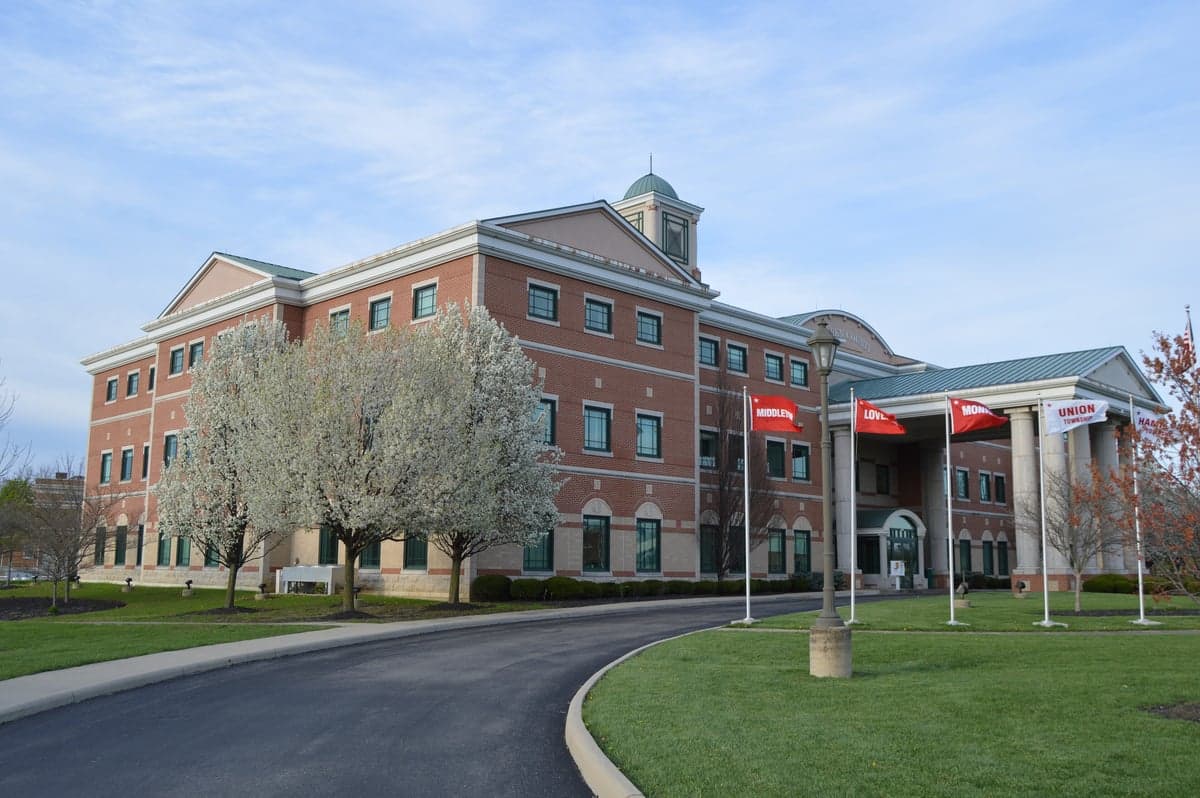
Photo: Wikipedia
Quality of Life in Warren County
A livable area that tracks near national norms for affordability, walkability, and neighborhood health.
What does Quality of Life tell us?
Quality of Life measures an area by evaluating factors like cost of living, nearby amenities, country club access, airport proximity, socioeconomic signals and neighborhood character. For large states, this is a general average — quality of life can vary dramatically between metro areas, suburbs, and rural communities within the same state.
What does this tell us?
Quality of Life measures an area by evaluating factors like cost of living, nearby amenities, country club access, airport proximity, socioeconomic signals and neighborhood character. For large states, this is a general average — quality of life can vary dramatically between metro areas, suburbs, and rural communities within the same state.
Cost of Living
12% above national average
118%
The Real Cost of Living in Warren County for 2026
| Tier | Individual | Family (4) |
|---|---|---|
| Survival | $21k | $39k |
| Comfortable | $62k | $91k |
| Luxury | $190k+ | $295k+ |
| Elite (Top 5%) | $224k+ | $347k+ |
Quality-of-Life Analysis
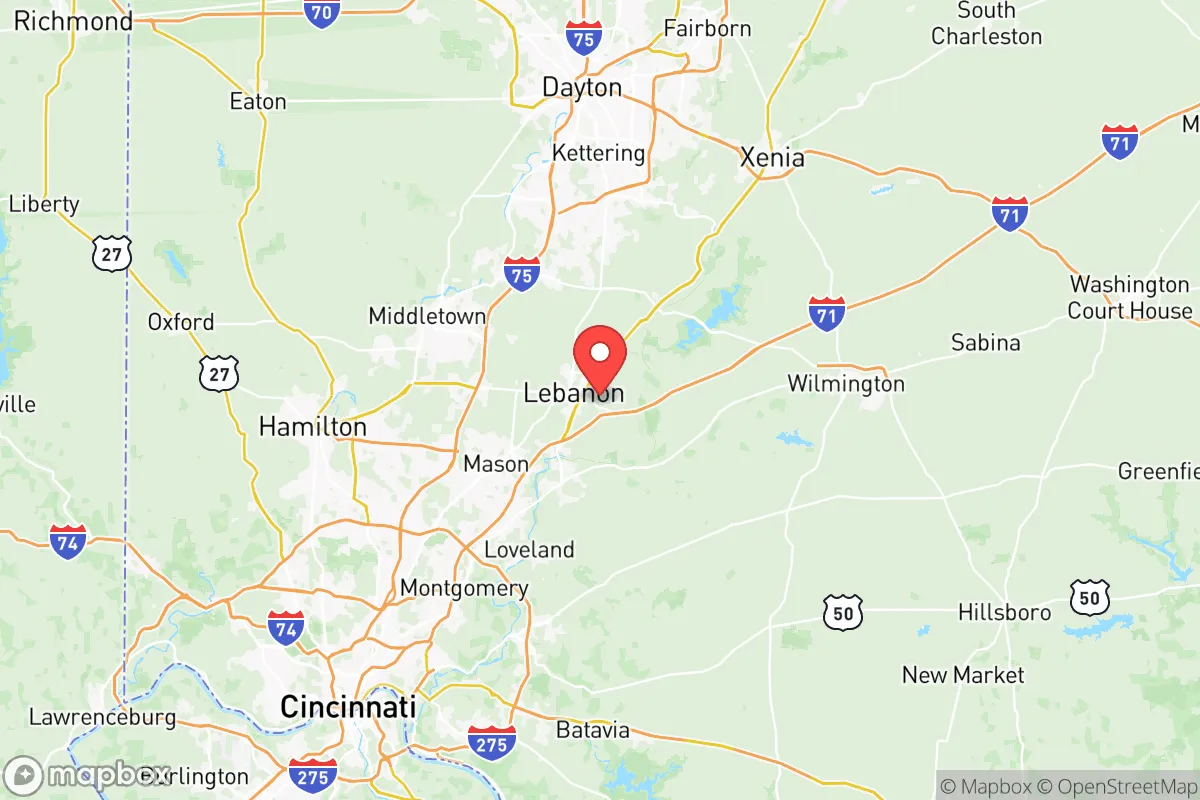
Warren County, Ohio, offers a broad quality-of-life spectrum that ranges from the bustling suburban hub of Mason to the quiet, unincorporated crossroads of Oregonia, attracting everyone from Cincinnati commuters seeking new subdivisions to families looking for acreage and small-town schools. The county’s character shifts noticeably as you move from its southern edge, where development presses against the I-71 corridor, northward into the rolling farmland and river valleys near the Little Miami River. With a cost-of-living index of 112 (12% above the national average), a median home value of $319,700, and a median rent of $1,293, the county provides distinctly different trade-offs between price, space, and convenience depending on which community you choose.
Largest town(s) & population centers
Mason is Warren County’s largest city and its primary economic engine, home to the Kings Island amusement park and a dense cluster of corporate offices including Cintas headquarters and a major Procter & Gamble facility. Daily life here is suburban and amenity-rich: residents have access to the upscale Liberty Center shopping complex, multiple recreation centers, and top-rated Mason City Schools, which consistently rank among Ohio’s best. The average commute of 25.3 minutes is manageable for those working locally or driving south to Cincinnati, though traffic on I-71 and Western Row Road can be heavy during peak hours. Lebanon, the county seat, offers a different pace—its historic downtown along Broadway features antique shops, the Golden Lamb Inn (Ohio’s oldest continuously operating hotel), and the Lebanon Raceway. Housing in Lebanon is slightly more affordable than Mason, with older Victorians and ranches under $300,000 still available in the city’s core, while newer subdivisions push toward $400,000 on the outskirts. Springboro, straddling the Warren-Montgomery county line, blends historic charm with rapid growth; its “Uptown” district has preserved 19th-century storefronts, while the southern half of the city is filled with new-build communities catering to families moving from Dayton and Cincinnati.
Smaller towns & rural pockets
North of Lebanon, Waynesville (population roughly 3,000) is a classic Ohio small town known for its antique district and the annual Ohio Sauerkraut Festival. Homes here are older and more affordable—many under $250,000—and the community feels tightly knit, with a walkable Main Street and a strong sense of local tradition. Morrow, further northeast, is a village of about 2,000 residents that serves as a bedroom community for jobs in Mason and Kings Mills; its housing stock includes modest ranches and split-levels, with median prices around $230,000. The most rural pockets lie along the Little Miami River corridor, particularly around Oregonia and Fort Ancient, where the state park and nature preserve offer hiking, canoeing, and mountain biking. These unincorporated areas have no municipal services—residents rely on wells and septic—and land parcels of 5–20 acres are common, with prices ranging from $150,000 for a fixer-upper to $500,000+ for riverfront property. Harveysburg, a tiny crossroads near the Clinton County line, is another rural enclave where farmland and scattered homes define the landscape; the local school district is tiny (Wayne Local Schools) and class sizes are small.
Cost & lifestyle range
The cost-of-living spread across Warren County is significant. At the high end, Mason and the Deerfield Township area (which includes parts of Kings Mills and Landen) command median home values above $400,000, with new construction in subdivisions like Heritage Hunt pushing past $600,000. Renters in these areas pay a premium—$1,500–$2,200 for a two-bedroom apartment—but gain access to top-tier schools, extensive retail, and the highest concentration of jobs. At the low end, Morrow and Waynesville offer median home values closer to $230,000–$260,000, and rents for a two-bedroom can be found under $1,100. The trade-off is longer drives to grocery stores and medical care; residents of Morrow, for example, must travel 15–20 minutes to reach a full-service Kroger or a hospital. Rural properties in Oregonia and Harveysburg offer the lowest per-acre costs—often under $10,000 per acre—but require self-sufficiency in utilities and a 30-minute commute to any major employment center. Property taxes vary accordingly: Mason and Lebanon levy higher rates to support their schools and services, while unincorporated areas have lower millage but no municipal amenities.
Warren County’s diversity of settings means that different households will find their fit in different corners. Commuters and career-focused families gravitate to Mason and Springboro for the schools and job access; history buffs and small-business owners thrive in Lebanon and Waynesville; and those seeking land, privacy, or a slower pace are drawn to the Little Miami River valley and the northern farmlands. The county’s 25-minute average commute makes it feasible to live in a rural pocket and work in a suburban hub, giving residents a rare degree of choice within a single county boundary.

Crime in Warren County
Crime rates similar to the national median for U.S. locations.
Violent CrimeViolent Crime Analysis
Property CrimeProperty Crime Analysis
Crime Analysis
Warren County, Ohio, presents a mixed safety profile: its violent crime rate of 268 incidents per 100,000 residents sits below the national average but above the statewide Ohio average, while its property crime rate of 1,369.9 per 100,000 is notably higher than both state and national benchmarks. The county’s proximity to Cincinnati and its blend of suburban communities, small towns, and rural areas means safety varies significantly by jurisdiction, with some municipalities maintaining very low crime rates and others experiencing elevated property crime. Residents and prospective movers should weigh these figures carefully, particularly as progressive judicial policies in nearby Hamilton County (Cincinnati) can influence regional crime patterns.
Crime in context
Warren County’s violent crime rate of 268 per 100,000 is roughly 23% lower than the national average of 380 per 100,000 but about 15% higher than Ohio’s state average of 233 per 100,000. Property crime in the county, at 1,369.9 per 100,000, exceeds the national average of 1,954 per 100,000 by a smaller margin but is nearly 30% higher than Ohio’s state property crime rate of 1,054 per 100,000. This divergence suggests that while violent offenses are relatively contained, theft, burglary, and vehicle break-ins are more common than in much of the rest of Ohio. The county’s largest city, Mason (population ~35,000), reports violent crime rates below the county average, while Lebanon and Franklin see property crime rates that push the county figure upward. The Warren County Prosecutor’s Office, led by David Fornshell, maintains a conservative, victim-focused approach to prosecution, which helps keep violent crime in check compared to neighboring Hamilton County, where progressive district attorney policies have been linked to higher recidivism and softer sentencing for property offenders.
What residents experience
For most residents, the primary safety concern is property crime rather than violent confrontation. Vehicle break-ins and package thefts are the most frequently reported incidents, particularly in suburban subdivisions near Interstate 71 and State Route 63. The cities of Springboro and Loveland consistently report the lowest crime rates in the county, with violent crime nearly nonexistent in their residential neighborhoods. In contrast, the city of Franklin (population ~11,000) has a property crime rate roughly double the county average, driven by its older housing stock and proximity to the Dayton metro area. Residents in Lebanon, the county seat, report moderate crime levels, with occasional gang-related activity tied to the Cincinnati drug corridor. The Warren County Sheriff’s Office operates a robust community policing program, and neighborhood watch groups are active in Mason and Deerfield Township, which helps mitigate the impact of property crime. However, the county’s growing population and new housing developments have strained patrol resources, leading to slower response times for non-emergency property crimes in outlying areas like Waynesville and Morrow.
Neighborhood-level variation
Crime in Warren County is not evenly distributed. The safest areas are concentrated in the southern and western townships, including Turtlecreek Township and Hamilton Township, where violent crime rates fall below 100 per 100,000. The city of Mason benefits from its own well-funded police department and a high median household income ($110,000+), which correlates with lower crime. Conversely, the northern corridor along I-75, particularly around the Franklin and Monroe city limits, sees elevated property crime due to transient populations and easy highway access for criminals. The county’s judicial district, part of the Warren County Common Pleas Court, operates under a conservative sentencing philosophy, with judges like Timothy Tepe and Donald Oda II imposing mandatory minimums for repeat property offenders. This approach has kept violent crime low but has not fully addressed the property crime surge linked to regional drug markets. Prospective residents should research specific neighborhood crime maps for their target city, as block-by-block variation can be significant even within low-crime municipalities like Springboro.
* Values derived from national, state, county, city and local statistics and may differ in a specific area. Last updated: 2026-08-19T02:46:56.000Z
Narrative content on this page is AI-generated and may contain mistakes. Verify any details that matter before acting on them.
ReloMaps may earn a commission from affiliate links at no extra cost to you.

